
Nestled in the rugged beauty of the American West, Montana is a state that captivates with its vast open spaces, majestic mountain ranges, and a spirit of untamed wilderness. Often referred to as “Big Sky Country” due to its seemingly endless horizons, Montana occupies a unique and significant position within the United States. Its location is not just a point on a map; it’s a gateway to unparalleled natural wonders, rich history, and a distinct cultural experience that draws travelers from across the globe.
For anyone planning an adventure into the heart of the Rockies or seeking an escape into nature’s grandeur, understanding Montana’s precise whereabouts and what surrounds it is the first step in unlocking its many treasures. This guide will delve into the geographical context of Montana, exploring its borders, diverse landscapes, and how its prime location contributes to its appeal as a premier travel destination, offering everything from luxurious resorts to authentic backcountry experiences.
The Geographic Heart of the American West
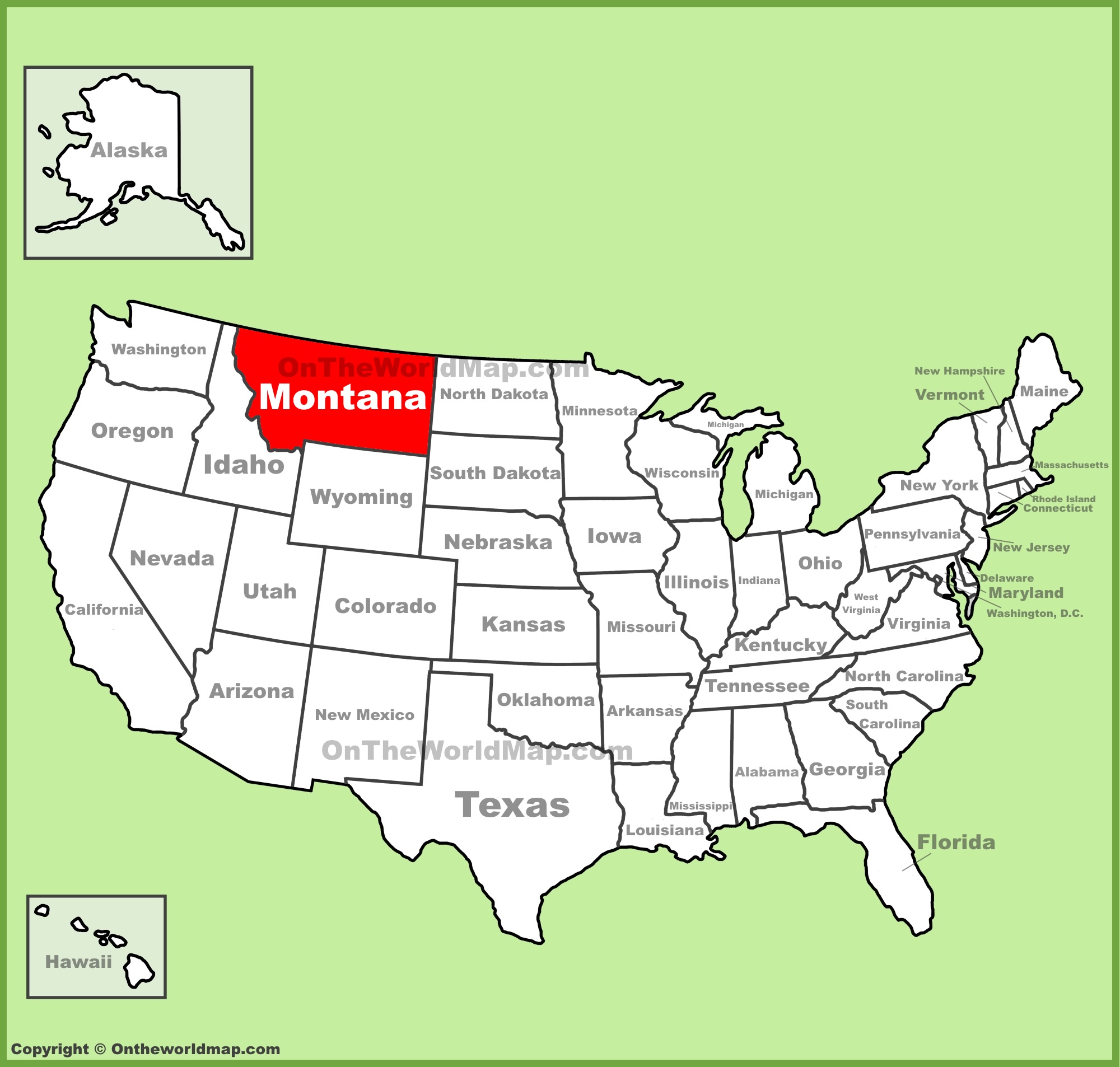
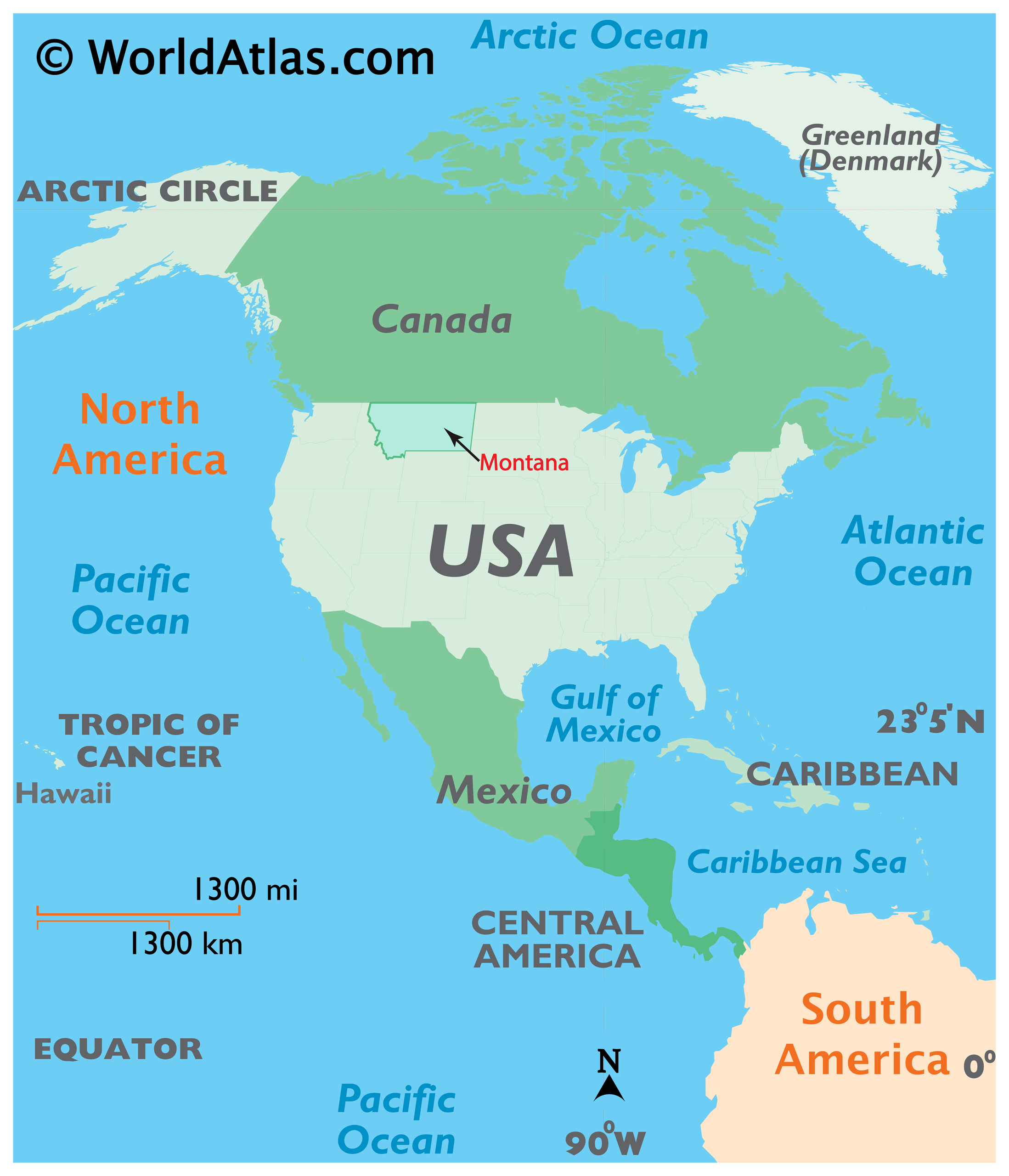
Montana is strategically situated in the northwestern part of the United States. It is the fourth-largest state by area, spanning approximately 147,040 square miles (380,800 square kilometers), a size that accounts for its incredible diversity in landscapes and ecosystems. Its sheer scale ensures that there’s always more to explore, from the towering peaks of the Rocky Mountains in the west to the rolling plains that stretch eastward.
The state’s geographic location positions it as a bridge between the continental interior and the mountainous Pacific Northwest. This transitional zone results in a fascinating blend of climates, flora, and fauna, making it a hotspot for biodiversity and a prime location for outdoor enthusiasts. The western third of the state is dominated by numerous mountain ranges, part of the larger Rocky Mountains system, while the eastern two-thirds consist of prairie and badlands, forming part of the Great Plains region. This dramatic topographical shift is one of Montana’s defining characteristics, providing a backdrop for a vast array of activities and scenic drives.
Borders and Neighboring States
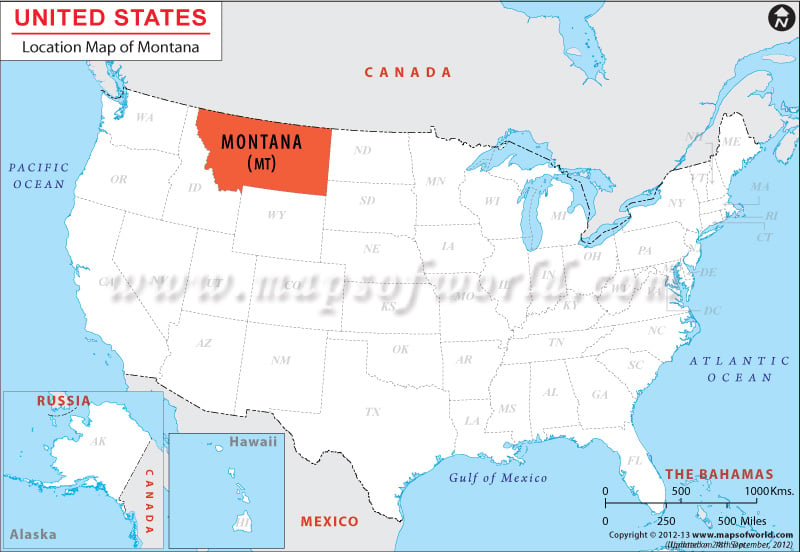
Montana’s borders are as diverse as its landscapes, connecting it to a mix of U.S. states and a neighboring country. To the north, Montana shares a 545-mile (877 km) international border with Canada, specifically with the provinces of British Columbia and Alberta. This proximity to Canada not only influences cross-border travel and trade but also extends the contiguous wilderness, with Glacier National Park in Montana sharing a border with Waterton Lakes National Park in Alberta, forming the Waterton-Glacier International Peace Park.
To the east, Montana borders North Dakota and South Dakota, states known for their expansive prairies and agricultural lands. These eastern borders connect Montana to the heartland of America, providing crucial transportation routes and cultural ties. South of Montana, travelers will find Wyoming, a state equally famous for its natural beauty and home to a significant portion of Yellowstone National Park, which extends into southern Montana. Finally, to the west, Montana shares a rugged boundary with Idaho, defined by the Bitterroot Mountains and other ranges of the Rocky Mountains, creating a vast forested wilderness.
Key Geographical Features
Montana’s geography is a study in contrasts, primarily defined by two major regions: the mountains in the west and the plains in the east.
The western part of the state is characterized by the Rocky Mountains, which include several prominent sub-ranges such as the Bitterroot Mountains, Absaroka-Beartooth Wilderness, and the Lewis Range in Glacier National Park. These mountains are home to some of the highest peaks in the state, including Granite Peak, the highest point at 12,799 feet (3,901 meters). The mountainous terrain is carved by glacial valleys, pristine alpine lakes like Flathead Lake (the largest freshwater lake west of the Mississippi River in the continental United States), and powerful rivers.
East of the Rocky Mountains, the landscape transitions into the rolling plains of the Great Plains. This region, though often perceived as flat, features diverse terrain including buttes, badlands formations, and fertile river valleys. The Missouri River, one of the longest rivers in North America, originates in Montana at the confluence of the Jefferson, Madison, and Gallatin Rivers near Three Forks. The Yellowstone River also flows through Montana, contributing significantly to the state’s hydrology and supporting diverse ecosystems. These rivers have played a crucial role in shaping Montana’s history, from indigenous cultures to the era of Lewis and Clark.
Montana’s Allure: A Wilderness Paradise
Montana’s prime location and diverse geography make it an unparalleled destination for those seeking outdoor adventure, natural beauty, and a deep connection with the wilderness. The state’s tourism sector thrives on its reputation as a haven for hikers, wildlife enthusiasts, anglers, skiers, and history buffs alike.
National Parks and Natural Wonders
The crown jewels of Montana’s natural attractions are its national parks. Glacier National Park, located in northwestern Montana, is a UNESCO World Heritage Site often called the “Crown of the Continent.” It boasts more than 700 miles of hiking trails, pristine forests, alpine meadows, rugged mountains, and spectacular lakes. The iconic Going-to-the-Sun Road offers breathtaking scenic drives through the park, crossing the Continental Divide at Logan Pass. Visitors can witness grizzly bears, bighorn sheep, and a myriad of bird species in their natural habitats.
While the majority of Yellowstone National Park lies in Wyoming, its northern entrances and a significant portion of its majestic landscape are found in southern Montana. The town of Gardiner, Montana, serves as the only year-round entrance to Yellowstone, providing access to famous features like Mammoth Hot Springs and the expansive wilderness of the park. The Absaroka-Beartooth Wilderness in southern Montana is another natural wonder, offering challenging backpacking, fishing, and climbing experiences, highlighted by the incredibly scenic Beartooth Highway.
Beyond the national parks, Montana is home to numerous national forests like Flathead National Forest and Kootenai National Forest, which provide extensive opportunities for hiking, camping, fishing, and wildlife viewing. Flathead Lake offers unparalleled opportunities for boating, swimming, and fishing, surrounded by cherry orchards and stunning mountain views.
Cities and Cultural Hubs
Montana’s cities, while smaller than many urban centers across the U.S., serve as vibrant cultural hubs and convenient bases for exploring the surrounding wilderness. Billings, the largest city, is a commercial and cultural center with a growing food scene and access to historical sites like Pictograph Cave State Park and Pompeys Pillar National Monument.
Missoula, nestled in the western mountains, is known for its liberal arts university, vibrant downtown, craft breweries, and excellent access to rivers for fishing and floating. Bozeman, located in the Gallatin Valley, is a rapidly growing city popular for its proximity to Big Sky Resort for skiing and Yellowstone National Park for summer adventures. It also hosts the Museum of the Rockies, renowned for its dinosaur fossil collection.
The state capital, Helena, offers a glimpse into Montana’s rich gold rush history and political heritage, with historic buildings and access to nearby outdoor activities. Kalispell and Whitefish in the Flathead Valley serve as prime gateways to Glacier National Park and Whitefish Mountain Resort, providing a charming mix of small-town hospitality and access to world-class recreation.
Unique Experiences and Activities
Beyond its famous parks and cities, Montana offers a plethora of unique experiences tailored to various interests. For history enthusiasts, the Little Bighorn Battlefield National Monument offers a poignant look into the conflict between the Lakota, Cheyenne, and Arapaho tribes and the 7th U.S. Cavalry. Ghost towns like Garnet Ghost Town provide a fascinating window into the state’s mining past.
Fly fishing on rivers like the Missouri River, Yellowstone River, or Clark Fork River is a world-class activity, attracting anglers seeking legendary trout fishing experiences. Winter sports thrive in Montana with ski resorts like Big Sky Resort, boasting some of the largest skiable terrain in North America, and Whitefish Mountain Resort, known for its scenic views and deep powder. Ranch stays offer an authentic cowboy experience, while scenic drives along routes like the Beartooth Highway provide continuous photographic opportunities.
Planning Your Montana Adventure: Travel & Accommodation
With its vastness and diverse offerings, planning a trip to Montana requires careful consideration of travel logistics and accommodation choices. Its location makes it accessible, but navigating its expansive landscapes can be an adventure in itself.
Choosing Your Stay: Hotels, Resorts, and More
Montana caters to a wide range of accommodation preferences, from luxurious resorts to cozy cabins and boutique hotels. For those seeking an upscale experience, Big Sky offers world-class ski-in/ski-out lodging, such as The Montage Big Sky, with amenities like spas, fine dining, and unparalleled mountain views. Similarly, resorts near Glacier National Park like the historic Lake McDonald Lodge or modern lodges in Whitefish provide comfort and convenience to park access.
In cities like Bozeman, Missoula, and Billings, travelers can find a variety of hotels, from international chains like Hilton and Marriott to charming independent hotels and bed-and-breakfasts that reflect local character. For a more immersive experience, dude ranches across the state offer all-inclusive packages that combine lodging with horseback riding, fishing, and other ranch activities. Vacation rentals, including cabins and apartments, are also popular, especially for families or longer stays, providing flexibility and a home-away-from-home feel. Camping and RV parks are abundant near national parks and forests, offering budget-friendly options for those who wish to truly immerse themselves in nature.
Navigating the Big Sky Country
Given Montana’s vast distances, a rental car is almost essential for exploring the state independently. Major airports are located in Billings (Billings Logan International Airport), Bozeman (Bozeman Yellowstone International Airport), Missoula (Missoula International Airport), and Kalispell (Glacier Park International Airport), offering connections to major U.S. cities. Driving in Montana is an experience in itself, with scenic highways like US Highway 2 and Interstate 90 traversing diverse landscapes. It’s crucial to factor in driving times, as distances between attractions can be considerable. Public transportation options are limited outside of city centers. For travel to remote areas or during winter months, all-wheel-drive vehicles are highly recommended.
Seasonal Travel and Best Times to Visit
The best time to visit Montana largely depends on the activities you wish to pursue. Summer (June to August) is ideal for hiking, camping, fishing, and exploring national parks, with warm days and mild nights. However, it’s also the busiest season, requiring early bookings for accommodations and tours. Fall (September to October) offers stunning foliage, fewer crowds, and pleasant weather for hiking and wildlife viewing, particularly for elk bugling season.
Winter (November to March) transforms Montana into a wonderland for skiing, snowboarding, and snowmobiling, with resorts like Big Sky and Whitefish in full swing. Spring (April to May) is a time of transition, with melting snow in higher elevations and blooming wildflowers in the plains, making it excellent for birdwatching and early-season fishing, though some roads and trails in national parks may still be closed.
The Montana Lifestyle: Beyond the Scenery
Visiting Montana is more than just seeing beautiful landscapes; it’s about experiencing a unique way of life. The state’s local culture is deeply rooted in its frontier history, ranching traditions, and a profound respect for nature.
Culinary Delights and Local Flavors
Montana’s culinary scene reflects its agricultural heritage and an appreciation for locally sourced ingredients. Expect to find menus featuring bison, elk, and fresh trout, often prepared with a modern twist. Huckleberry, a wild berry native to the region, is a ubiquitous flavor, appearing in everything from pancakes to ice cream and pies. Craft breweries have also flourished across the state, particularly in cities like Missoula and Bozeman, offering unique local brews. Farmer’s markets are common during warmer months, providing fresh produce, artisanal goods, and a chance to interact with local producers. The emphasis on farm-to-table dining is strong, highlighting the bounty of the land.
Tailoring Your Trip: Luxury, Budget, or Family Fun
Montana’s diverse offerings mean it can accommodate various travel styles and budgets. For luxury travelers, exclusive resorts, private ranch stays, and guided fly-fishing trips offer unparalleled experiences and amenities. These often include gourmet dining, spa services, and personalized excursions into the wilderness.
Budget travelers can take advantage of the numerous camping options in national forests and state parks, affordable motels in smaller towns, and cooking their own meals from local grocery stores. Many of Montana’s greatest attractions, such as hiking trails and scenic overlooks, are free to access (excluding national park entrance fees).
Family trips to Montana are incredibly rewarding, offering educational opportunities at dinosaur museums like the Museum of the Rockies and endless outdoor activities suitable for all ages. Wildlife viewing, gentle hikes in national parks, boating on Flathead Lake, and experiencing a dude ranch are just some of the ways families can create lasting memories. Many accommodations offer family-friendly amenities, and cities have parks and attractions designed for children.
In conclusion, Montana’s location in the northwestern United States, bordering Canada and states like Wyoming and Idaho, makes it a geographically rich and accessible destination. Its unique blend of majestic mountains, expansive plains, and pristine wilderness creates a playground for adventurers and a sanctuary for those seeking peace in nature. Whether you’re planning a luxurious escape or a budget-friendly family adventure, Montana truly offers an unforgettable experience beneath its vast, iconic “Big Sky.”
LifeOutOfTheBox is a participant in the Amazon Services LLC Associates Program, an affiliate advertising program designed to provide a means for sites to earn advertising fees by advertising and linking to Amazon.com. Amazon, the Amazon logo, AmazonSupply, and the AmazonSupply logo are trademarks of Amazon.com, Inc. or its affiliates. As an Amazon Associate we earn affiliate commissions from qualifying purchases.