
For many, a state tax refund isn’t just a bonus; it’s a carefully anticipated sum that plays a crucial role in their financial planning and, quite often, their cherished lifestyle aspirations—especially when it comes to travel. The dream of exploring new destinations, perhaps a weekend getaway to the scenic Connecticut shoreline or a longer adventure further afield, often hinges on these expected funds. When that refund is delayed, it can shift from a minor inconvenience to a significant source of frustration, directly impacting planned trips, budget allocations, and the overall enjoyment of one’s lifestyle.
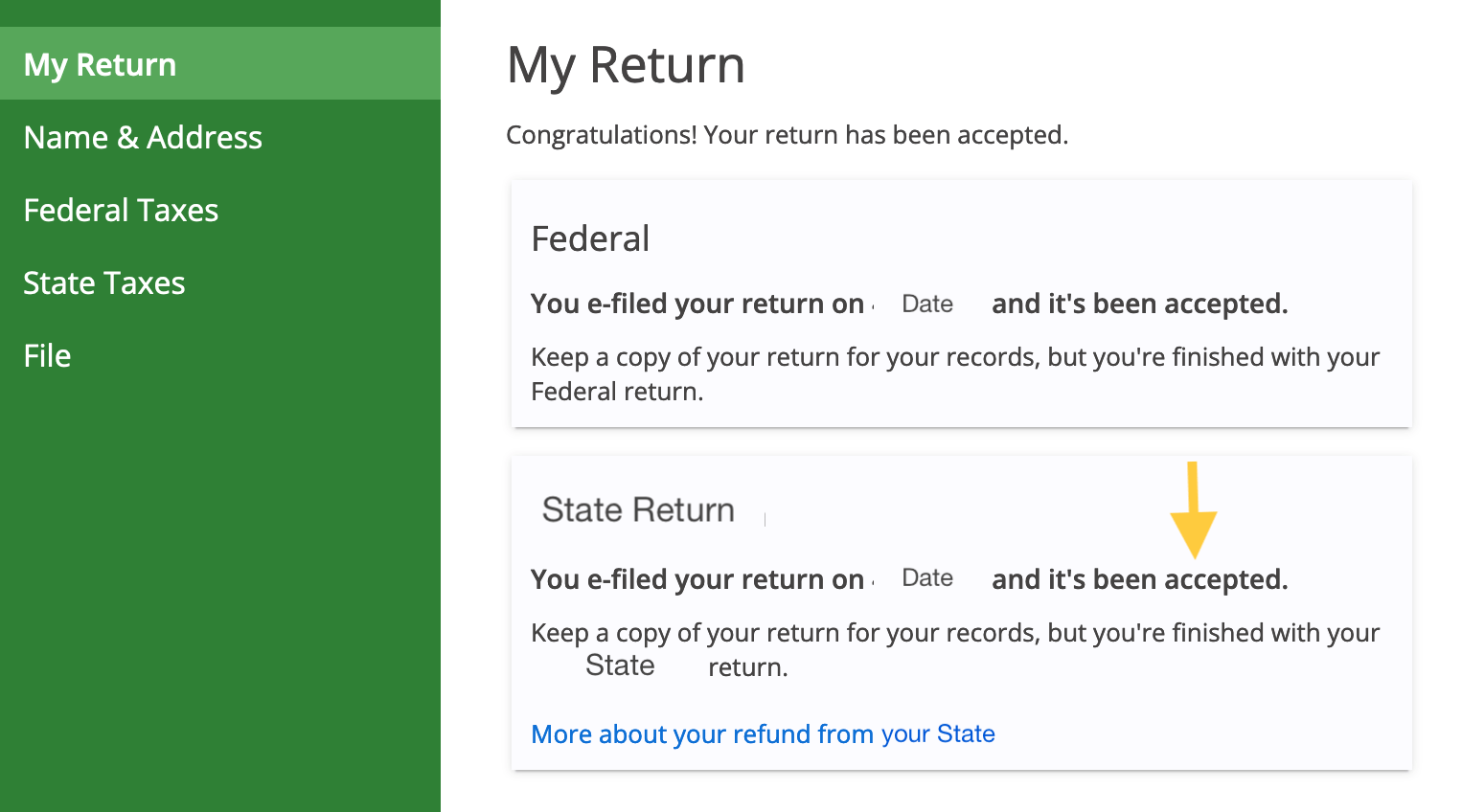
This article delves into the common query, “Where is my Connecticut state refund?”, examining not just the technicalities of tracking it, but also its broader implications for your travel lifestyle. We’ll provide insights into managing your expectations, budgeting effectively while you wait, and ultimately, making the most of your travel opportunities once your funds arrive. After all, a fulfilling lifestyle often involves a blend of financial prudence and the joy of discovery.
Navigating the Connecticut State Refund Process: Impact on Your Travel Lifestyle
The process of receiving a state tax refund can sometimes feel like a waiting game, and when you have travel plans tied to those funds, the stakes feel higher. Understanding how the Connecticut Department of Revenue Services (DRS) handles refunds can help alleviate anxiety and allow for more realistic travel planning.
The Waiting Game: Why Refunds Get Delayed and Its Travel Implications
Several factors can contribute to delays in receiving your Connecticut state refund. While most refunds are processed within a few weeks, some can take significantly longer. Common reasons include:
- Errors in Your Return: Even minor mistakes, such as incorrect Social Security numbers, missing information, or miscalculated deductions, can flag your return for manual review, extending processing times. For travelers eager to book flights or accommodation, these seemingly small errors can cause considerable stress and force a re-evaluation of immediate travel plans.
- Identity Verification: To combat tax fraud, the DRS may require additional verification of your identity, particularly if there are discrepancies or if you’ve filed for the first time. This can add weeks to the process, putting a significant dent in your timeline for securing early bird travel deals or non-refundable bookings.
- Audit Flags: Certain deductions or credits, especially if they are unusually high compared to previous years or income levels, might trigger a deeper review or even an audit. While audits are rare for most taxpayers, they represent a substantial delay that could postpone a planned vacation indefinitely.
- High Volume Periods: During peak filing season (typically March and April), the sheer volume of returns can slow down processing times for everyone. If you filed late in the season, your refund might take longer simply due to the backlog. This is a critical consideration for those planning summer travel, as a late refund could push back bookings and potentially increase travel costs due to last-minute price hikes.
- Mailing vs. Direct Deposit: While direct deposit is generally faster, refunds issued via paper check can take additional time due to postal delivery.
From a lifestyle perspective, these delays mean uncertainty. It’s challenging to commit to travel dates or make non-refundable reservations when a significant portion of your travel budget is in limbo. This uncertainty can force a shift from aspirational travel planning (luxury stays, exotic destinations) to more conservative, flexible options, or even lead to postponing trips altogether.
How to Check Your Refund Status: Managing Expectations for Your Next Trip
The good news is that the Connecticut Department of Revenue Services provides tools to track your refund, allowing you to manage your travel expectations more effectively.
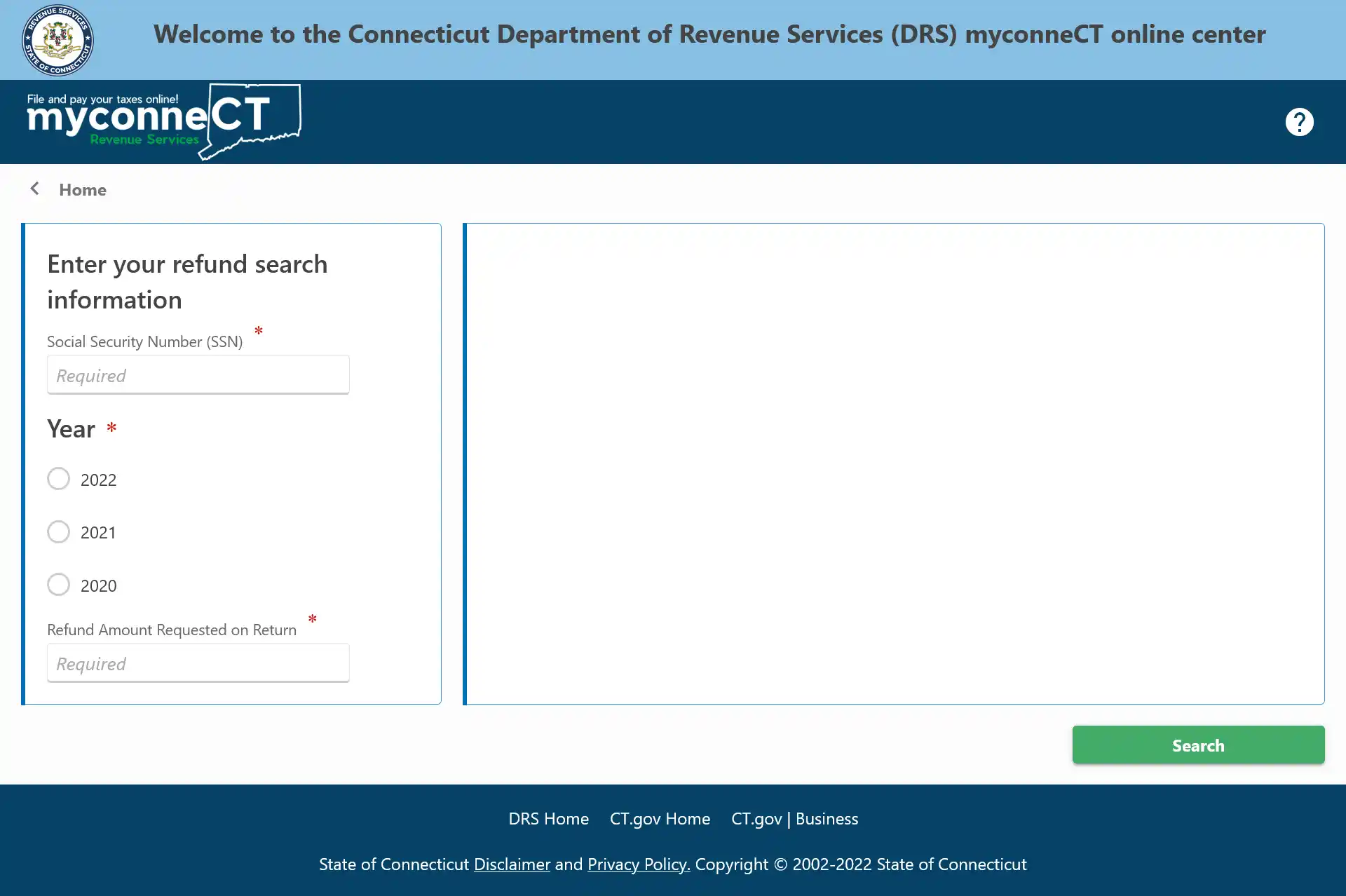
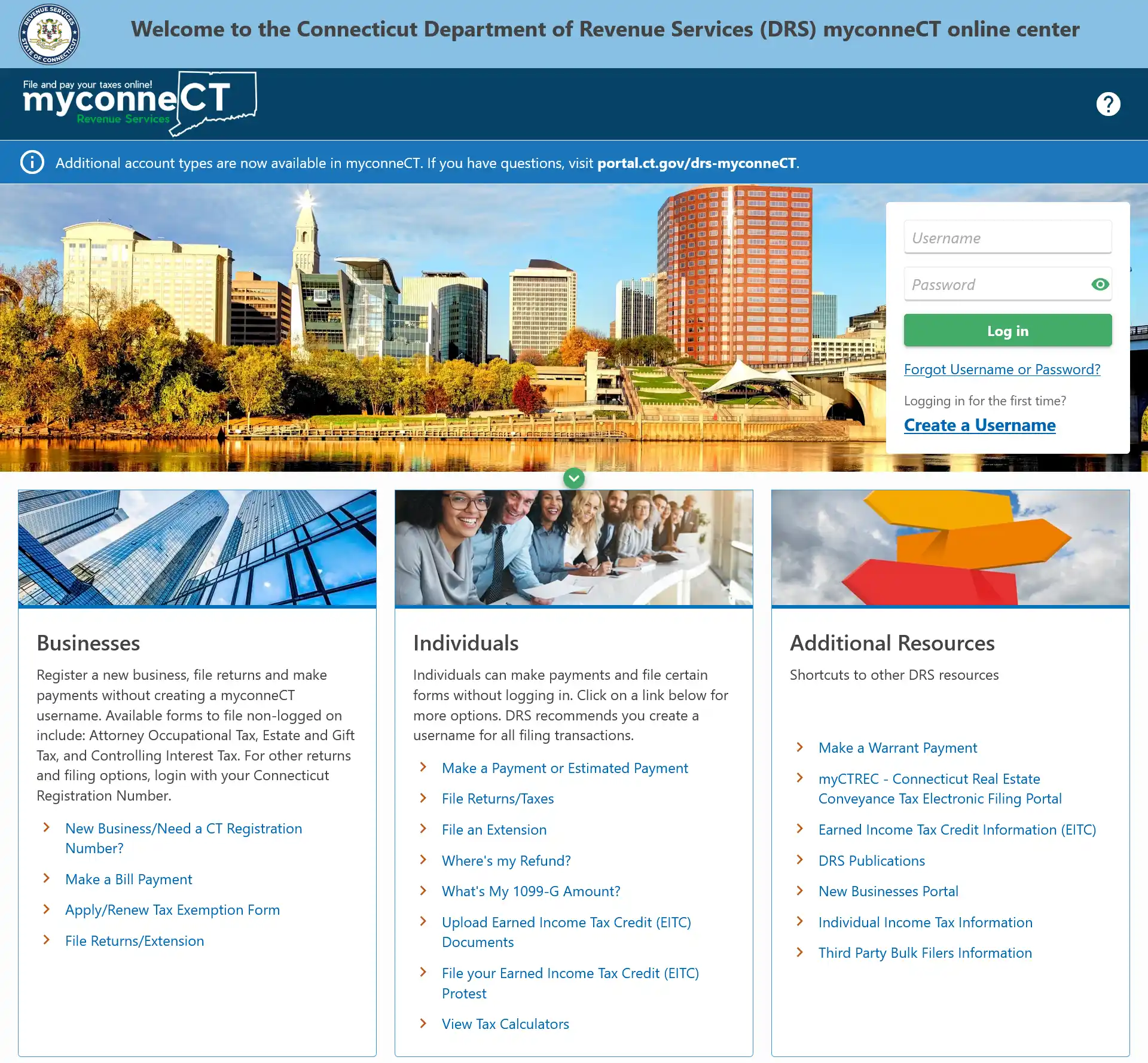
- Utilize the DRS “Where’s My Refund?” Tool: The primary method for checking your refund status is through the official Connecticut Department of Revenue Services website. You’ll typically need to provide your Social Security number, the exact refund amount requested, and possibly your filing status. This tool offers real-time updates, indicating whether your return has been received, processed, or if your refund has been issued.
- Understand the Status Meanings:
- “Received”: Your return has been submitted.
- “Processing”: Your return is being reviewed. This stage can vary greatly in length.
- “Refund Issued”: Your refund has been sent via direct deposit or mail.
Knowing these statuses helps you anticipate when your travel funds might become available. If it remains “Processing” for an extended period, it might be a signal to adjust your immediate travel plans or look for more flexible booking options.
- Contacting DRS (If Necessary): If the online tool doesn’t provide enough information or if your refund is significantly delayed beyond the stated processing times (e.g., more than 10-12 weeks for e-filed returns), you can contact the Connecticut Department of Revenue Services directly. Be prepared with your tax return information. While it might not speed up the process, it can provide clarity on any specific issues holding up your refund, allowing you to plan your travel lifestyle accordingly.
By proactively checking your refund status, you gain greater control over your financial planning for travel. This foresight allows you to make informed decisions, such as opting for refundable accommodations or delaying commitments for major expenses, ensuring your travel dreams remain vibrant even with financial fluctuations.
Budgeting for Your Next Adventure While Awaiting Your Funds
A delayed refund doesn’t have to derail your travel aspirations completely. With smart financial planning and a strategic approach, you can continue to plan and even enjoy travel experiences while you wait for your Connecticut state refund to arrive. This flexibility is key to maintaining a fulfilling travel lifestyle.
Smart Financial Planning for Travel: Creating a Contingency Budget
When relying on a refund for travel, it’s wise to adopt a proactive budgeting strategy that minimizes risk.
- Don’t Spend Money You Don’t Have: This golden rule is paramount. Avoid booking non-refundable flights or hotels that depend solely on your refund. Instead, explore options with flexible cancellation policies or hold off on major bookings until the funds are in your account.
- Build a Travel Savings Fund: Ideally, have a separate savings account specifically for travel. Even small, regular contributions can add up, creating a buffer that lessens your reliance on a single, potentially delayed, refund. This strategy cultivates a more resilient travel lifestyle.
- Explore Alternative Funding: If the delay is significant and your trip is imminent, consider other options. Perhaps you have another savings pool, or you can temporarily reallocate funds from less urgent categories. Avoid high-interest credit cards for travel unless absolutely necessary and with a clear repayment plan.
- Prioritize and Adjust: Review your travel wishlist. Can you scale back on certain elements? Instead of a luxury resort, could a boutique hotel work? Instead of flying, could you drive to a nearby destination? Adjusting expectations allows you to still travel, albeit perhaps on a revised budget.
Leveraging Other Resources for Your Connecticut Exploration
While waiting for your refund, you can still experience the best of Connecticut by leveraging free and low-cost resources. This approach allows you to maintain your travel lifestyle without breaking the bank.
- Free State Parks and Nature Trails: Connecticut boasts numerous stunning state parks like Gillette Castle State Park and Sleeping Giant State Park, offering hiking, picnicking, and scenic beauty at no cost for entry. These provide excellent opportunities for day trips and outdoor adventures.
- Museum Free Days/Evenings: Many museums, such as the Yale University Art Gallery in New Haven, offer free admission year-round. Others, particularly in cities like Hartford, may have specific free days or evenings. Check their websites for details.
- Historical Sites and Walking Tours: Explore Connecticut’s rich history through self-guided walking tours in charming towns like Mystic or Old Saybrook. Many historic districts are free to wander and absorb the local atmosphere.
- Picnics and Local Markets: Instead of expensive restaurant meals, pack a picnic to enjoy at a scenic spot. Visit local farmers’ markets for fresh, affordable ingredients, turning dining into an experience in itself.
- Off-Peak Travel: If your schedule allows, traveling during the shoulder season or off-peak times can significantly reduce costs for accommodations and activities, making your available funds stretch further.
By exploring these options, you can continue to enjoy a vibrant travel lifestyle in Connecticut even before your refund hits your bank account, proving that memorable experiences don’t always require a hefty budget.
Maximizing Your Connecticut Experience Once Your Refund Arrives
The moment your Connecticut state refund finally arrives, it’s a cause for celebration – and strategic planning. This is where your patient waiting pays off, allowing you to invest in the travel experiences you’ve been dreaming of, enhancing your lifestyle with newfound freedom.
Connecticut’s Hidden Gems on a Budget (or a Refund!)
With your refund in hand, you can confidently explore some of Connecticut’s unique attractions, balancing popular spots with less-known treasures.
- Coastal Charms: Head to the Connecticut shoreline. While Mystic Seaport Museum is a must-see, also explore the less crowded beaches of Hammonasset Beach State Park or the quaint villages of Stonington for a more relaxed experience. Your refund can cover entrance fees, unique gift shop finds, and delightful seafood meals.
- Art and Culture in Hartford: Dedicate some of your refund to exploring Hartford. Visit the Mark Twain House & Museum for a historical literary journey, or catch a show at the Bushnell Center for the Performing Arts.
- Quaint Countryside Escapes: Use your funds to book a charming B&B in the Litchfield Hills, such as near Kent, and explore antique shops, vineyards, and scenic drives. These experiences, while perhaps not “budget” in the strictest sense, become entirely affordable with a timely refund.
- Adventure Awaits: Consider an experience-based use for your refund, such as kayaking on the Connecticut River, zip-lining at an adventure park, or even a whale watching tour off the coast.
Planning Your Post-Refund Connecticut Itinerary
Once your refund is secure, it’s time to solidify those travel plans. Here’s how to allocate your new funds wisely to maximize your Connecticut itinerary:
- Prioritize Accommodation: Decide if you want to splurge on a specific resort like the Mohegan Sun or Foxwoods Resort Casino for a luxurious stay, or if you prefer a charming inn or a vacation rental. Book early to secure better rates, especially if your refund allows you to plan further in advance.
- Allocate for Experiences: Beyond just seeing sights, think about activities. Would you like to take a cooking class featuring Connecticut produce, go on a guided fishing trip, or enjoy a spa day? Earmark a portion of your refund specifically for these enriching experiences that define a truly luxurious lifestyle.
- Dining Delights: Connecticut offers diverse culinary experiences, from fresh seafood shacks to upscale farm-to-table restaurants. Plan a few special meals that you might have skipped if your refund hadn’t arrived, allowing you to fully savor the local flavors.
- Buffer for Incidentals: Always set aside a small portion of your travel budget for unexpected expenses or spontaneous purchases. This ensures that a last-minute souvenir or an unplanned detour doesn’t strain your finances.
Your refund is more than just money; it’s an enabler for the lifestyle you desire. By thoughtfully planning its use, you can transform a delayed financial transaction into a springboard for unforgettable Connecticut adventures.
The Broader Lifestyle Impact: Beyond the Refund Check
While the immediate concern is “Where is my Connecticut state refund?”, the experience of waiting and planning around it offers valuable lessons that extend far beyond a single tax season. It’s about cultivating a resilient, adaptable lifestyle that embraces financial wisdom and sustainable travel.
Stress Management and Enjoying the Journey
Financial delays can be frustrating, but they also provide an opportunity to practice patience and adapt. Instead of letting the waiting game overshadow your travel dreams, use it as a chance to:
- Research Thoroughly: With more time on your hands, delve deeper into planning your Connecticut trip. Discover hidden gems, learn about local history, and find unique activities that you might have otherwise overlooked.
- Develop Contingency Plans: Mentally (and practically) preparing for delays by having alternative plans or adjusting expectations reduces stress. This skill is invaluable not just for tax refunds but for all aspects of travel and life.
- Focus on the Present: While waiting for the future, enjoy the present. Explore local attractions in your own town, have a staycation, or simply appreciate the beauty of your immediate surroundings. A fulfilling lifestyle isn’t solely defined by grand adventures but also by appreciating everyday moments.
The ability to manage stress effectively during financial uncertainties is a key component of a balanced and enjoyable lifestyle, ensuring that delays don’t entirely diminish your wanderlust.
Building a Resilient Travel Budget for Sustainable Adventures
The experience of waiting for your Connecticut state refund can be a powerful catalyst for building a more resilient and sustainable travel budget.
- Diversify Your Travel Savings: Don’t rely solely on a tax refund for your travel funds. Implement a regular savings plan, allocate a percentage of bonuses, or set up automated transfers to a dedicated travel fund. This diversification creates financial stability for your travel lifestyle.
- Track Expenses Diligently: Understanding where your money goes monthly helps you identify areas where you can save for travel. Every small cutback can contribute to your adventure fund.
- Learn from Each Experience: If the delay caused significant disruption, reflect on what you could do differently next year. Perhaps file earlier, double-check all information, or simply plan your travel budget with less reliance on the refund.
- Embrace Value: A resilient travel budget isn’t always about saving every penny, but about finding the best value. This could mean off-peak travel, utilizing loyalty points, or seeking out unique, affordable experiences over expensive, generic ones.
Ultimately, “Where is my Connecticut state refund?” is more than a question about money; it’s a prompt to examine how financial planning intersects with our desire for a fulfilling lifestyle, particularly one rich with travel and exploration. By understanding the process, proactively managing our finances, and adapting to unforeseen delays, we can ensure that our travel dreams remain vibrant and achievable, contributing positively to our overall well-being. The journey of waiting can be just as insightful as the destination itself, preparing us for a lifetime of savvy, enjoyable adventures.
LifeOutOfTheBox is a participant in the Amazon Services LLC Associates Program, an affiliate advertising program designed to provide a means for sites to earn advertising fees by advertising and linking to Amazon.com. Amazon, the Amazon logo, AmazonSupply, and the AmazonSupply logo are trademarks of Amazon.com, Inc. or its affiliates. As an Amazon Associate we earn affiliate commissions from qualifying purchases.