
Nestled on the southwestern coast of Florida, Naples is a gem often celebrated for its pristine white-sand beaches, world-class golf courses, and luxurious lifestyle. For many prospective travelers, the first and most fundamental question when considering a visit to this famed destination is its precise geographical placement. Understanding “where” Naples, Florida is located is paramount to appreciating its unique charm, planning travel logistics, and discovering the rich tapestry of experiences it offers. This article delves into the precise geographical coordinates of Naples, tracing its position within the broader state of Florida and highlighting how its strategic location contributes to its reputation as a premier travel destination. From its direct adjacency to the Gulf of Mexico to its proximity to vibrant ecosystems and bustling urban centers, Naples’s location is a cornerstone of its allure, shaping everything from its climate and natural attractions to its accessibility and economic character.

Geographic Heart of Southwest Florida
Naples occupies a distinctive and highly desirable position within Southwest Florida, serving as both a tranquil retreat and a vibrant hub for culture and commerce. Its location is not just a point on a map, but a defining characteristic that influences its climate, ecosystem, and the array of activities available to visitors. Understanding its exact placement provides a foundational insight into why Naples has become synonymous with upscale coastal living and exceptional travel experiences.
Pinpointing Naples on the Map
Geographically, Naples is situated squarely on the southwestern coast of the Florida peninsula, directly fronting the warm, turquoise waters of the Gulf of Mexico. It is the county seat of Collier County, which is the largest county in Florida by land area. The city is positioned approximately 100 miles west of Miami, 160 miles south of Tampa, and 40 miles south of Fort Myers. This placement places it at the nexus of several significant natural and urban landscapes. To its east lie the vast and ecologically rich wetlands of the Everglades, creating a unique boundary between urban development and pristine wilderness. To the west, the expansive Gulf of Mexico offers miles of stunning coastline and a gateway to aquatic adventures. The city’s low elevation and numerous canals and waterways are characteristic of its coastal Florida setting, providing direct access to the gulf for many residents and visitors. This strategic coastal position ensures that beach access, water sports, and breathtaking sunsets are an integral part of the Naples experience.
Accessibility and Connectivity
The excellent accessibility of Naples is a key factor in its appeal as a travel destination. The city is well-connected by a robust network of roads and air travel options. The primary artery for ground transportation is Interstate 75 (I-75), often referred to as “Alligator Alley” as it traverses through the Everglades from Southwest Florida to Southeast Florida. I-75 provides direct links to major cities like Fort Myers, Tampa, and Miami, making road trips to and from Naples straightforward and efficient. Other significant roadways include U.S. Route 41, also known as the Tamiami Trail, which offers a scenic route through the region and connects Naples to various smaller towns and communities along the Gulf Coast.
For air travelers, Naples is primarily served by two airports. The closest major international gateway is Southwest Florida International Airport (RSW), located just north of Fort Myers, approximately 35 miles from downtown Naples. RSW offers a wide array of domestic and international flights, connecting Naples to major cities across the United States and beyond. For private and charter flights, Naples Airport (APF) is conveniently located just minutes from the city center, catering to the luxury travel segment and offering an exclusive entry point to the destination. These transportation links underscore Naples’s status as an accessible yet secluded paradise, balancing convenience with an air of exclusivity.
A Destination Defined by its Surroundings
The geographical setting of Naples is not merely a static point on a map; it is an active participant in shaping the city’s character and the experiences it offers. The interplay between its coastal frontage, proximity to unique ecosystems, and tropical climate culminates in a travel destination that seamlessly blends natural beauty with refined leisure. The environment surrounding Naples is as much a part of its identity as its luxurious amenities.
Coastal Allure
The most captivating aspect of Naples’s location is undoubtedly its direct adjacency to the Gulf of Mexico. This grants the city miles of exquisite coastline, renowned for its soft, sugar-white sand and calm, warm waters. The orientation of Naples on the western coast ensures breathtaking sunsets over the Gulf almost every evening, a spectacle that has become a signature attraction. Iconic beaches like Vanderbilt Beach, Clam Pass Park, and Lowdermilk Park offer public access to this stunning coastline, providing spaces for sunbathing, swimming, shelling, and beachcombing. The historic Naples Pier, extending gracefully into the Gulf, is not only a popular spot for fishing and dolphin watching but also offers unparalleled panoramic views of the coastline.
The coastal environment of Naples is part of a delicate ecosystem. The warm gulf waters support a rich marine life, making it a prime location for fishing, boating, and marine excursions. The barrier islands and estuaries further north and south contribute to a diverse habitat for migratory birds and other wildlife, attracting nature enthusiasts and photographers. The tranquil waters of the Gulf of Mexico, shielded from the strong currents of the Atlantic Ocean by the Florida peninsula, create ideal conditions for various water sports, from paddleboarding and kayaking to sailing and parasailing, all set against a backdrop of unspoiled natural beauty.
Gateway to Natural Wonders
Beyond its immediate coastal charm, Naples’s location makes it an exceptional gateway to some of Florida’s most significant natural wonders. Just a short drive to the east, the vast wilderness of the Everglades National Park begins. This internationally recognized UNESCO World Heritage Site is a sprawling subtropical wilderness, home to unique flora and fauna, including alligators, crocodiles, panthers, and countless bird species. Visitors can explore the Everglades through airboat tours, kayaking, hiking trails, and ranger-led programs, offering a stark and thrilling contrast to Naples’s manicured landscapes.
Adjacent to the Everglades is the Big Cypress National Preserve, protecting a critical portion of the western Everglades ecosystem, characterized by towering cypress swamps and diverse wildlife. This preserve offers further opportunities for hiking, birdwatching, and even primitive camping for those seeking a deeper immersion in nature. To the south of Naples, stretching along the Gulf Coast, lie the Ten Thousand Islands, a labyrinthine network of mangrove islands and estuaries. This area, accessible by boat, is a paradise for fishing, kayaking, and wildlife viewing, particularly for spotting dolphins, manatees, and a wide variety of coastal birds. The seamless transition from sophisticated urbanity to untamed wilderness within such close proximity makes Naples a unique destination for travelers who appreciate both luxury and ecological adventure.

The Essence of Naples: Beyond Geography
While its precise location on the map is fundamental, the true essence of Naples as a travel destination extends beyond mere coordinates. Its geographical advantages have profoundly influenced its development, culture, and the lifestyle it offers, creating a unique blend of upscale sophistication and relaxed coastal living. The natural beauty surrounding Naples has not only attracted residents but also shaped the very fabric of its tourism industry, making it a magnet for discerning travelers seeking quality experiences.
Upscale Charm and Culture
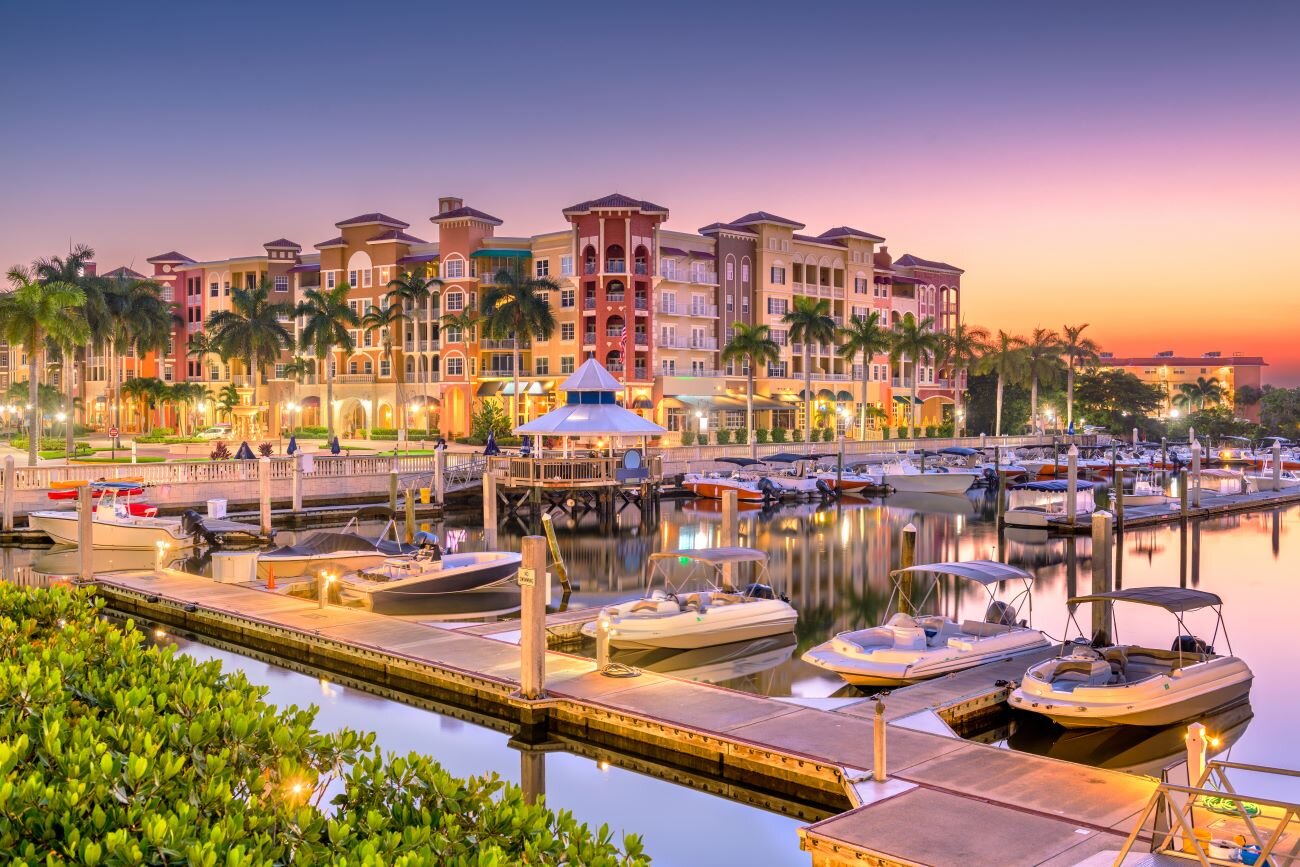
The prime Gulf Coast location has inherently attracted a clientele seeking exclusivity and luxury, which in turn has fostered the development of Naples into an upscale destination. The city’s downtown areas, particularly Fifth Avenue South and Third Street South, are testaments to this charm. These vibrant districts are lined with high-end boutiques, art galleries, gourmet restaurants, and sophisticated cafes, all contributing to an atmosphere of refined elegance. The architectural style often features Mediterranean influences, with lush landscaping and charming courtyards that invite leisurely strolls.
The cultural scene in Naples is also rich, with numerous art galleries showcasing local and international talent, theaters presenting live performances, and museums delving into the region’s history and natural heritage. Events like outdoor art festivals, jazz concerts, and farmers’ markets further enhance the city’s vibrant cultural calendar. This sophisticated urban core, juxtaposed against the backdrop of pristine beaches and natural preserves, offers a unique travel experience where luxury and natural beauty coexist harmoniously. The proximity to the Gulf means that many of these cultural experiences, from dining to shopping, can be enjoyed with an ocean breeze or a sunset view, enhancing their appeal.
Activities Rooted in Location
The activities available in Naples are inextricably linked to its enviable location. With its abundant sunshine and direct access to water, outdoor pursuits dominate the leisure landscape. Naples is often dubbed the “Golf Capital of the World,” boasting an astounding number of world-class golf courses designed by legendary architects. The subtropical climate allows for year-round play, making it a premier destination for golf enthusiasts.
Water-based activities are, naturally, a major draw. Boating is an integral part of the Naples lifestyle, with numerous marinas offering charters, rentals, and opportunities for deep-sea fishing, offshore cruising, or exploring the calmer inland waterways and mangrove estuaries. Fishing, whether from the Naples Pier, a charter boat, or along the bridges, is a popular pastime, with a wide variety of species inhabiting the gulf and backwaters. Kayaking and paddleboarding provide serene ways to explore the mangrove tunnels and observe local wildlife up close, including manatees and various bird species. For those who prefer land-based activities, cycling paths wind through scenic areas, and nature preserves offer opportunities for hiking and birdwatching, especially in the areas bordering the Everglades. The city’s location dictates a lifestyle that celebrates the outdoors, encouraging visitors to engage with its stunning natural environment through a diverse range of recreational activities.
Planning Your Visit: Leveraging Naples’ Location
Effective travel planning to Naples, Florida requires an understanding of how its location influences logistical considerations, particularly regarding climate and local navigation. By considering the seasonal variations and the city’s layout, travelers can optimize their experience, ensuring a comfortable and fulfilling stay in this Southwest Florida paradise.
Best Time to Travel
Naples’s subtropical climate, a direct result of its southern Florida location on the Gulf Coast, features distinct wet and dry seasons. The optimal time to visit for many travelers is during the dry season, which typically runs from late November through May. During these months, the weather is characterized by pleasant temperatures, lower humidity, and abundant sunshine, with average highs ranging from the mid-70s to low 80s Fahrenheit. This period is ideal for enjoying the beaches, golf courses, and outdoor activities without the oppressive heat and humidity of summer. However, it is also the peak tourist season, meaning higher accommodation prices, more crowded attractions, and a vibrant atmosphere as “snowbirds” (seasonal residents) flock to the area.
Conversely, the wet season, from June to October, brings hotter temperatures, high humidity, and daily afternoon thunderstorms, though these are often brief and followed by sunshine. This period also coincides with hurricane season. While fewer tourists mean lower prices and less crowded venues, the weather can be challenging for some. Nonetheless, early mornings during the wet season can still be beautiful, and many indoor attractions and restaurants remain open and enjoyable. Travelers should consider their priorities regarding weather, crowd levels, and budget when deciding the best time to experience Naples’s unique location.
Getting Around Naples
Once in Naples, understanding local transportation options is key to maximizing one’s travel experience. While some central areas like Fifth Avenue South and Third Street South are highly walkable, and the city offers bike-friendly paths, a car is generally recommended for exploring the broader region and accessing more distant attractions, such as the Everglades National Park or specific golf courses. Car rental agencies are readily available at both Southwest Florida International Airport (RSW) and within Naples itself.
For shorter distances or a more leisurely pace, bike rentals are popular, allowing visitors to explore the scenic coastal roads and residential areas. Naples also has limited public transportation options, primarily a local bus service, but ride-sharing services and taxis are widely available. Water taxis and boat charters offer unique ways to navigate the intercoastal waterways, providing access to waterfront dining or private beaches. Given the city’s spread-out nature, planning your daily itinerary with transportation in mind will ensure a smooth and enjoyable visit, allowing you to fully appreciate everything this Southwest Florida destination has to offer.
In conclusion, “Where is Naples, Florida located?” is a question that unveils much more than simple geographical coordinates. It reveals a destination strategically positioned on the captivating Gulf Coast of Southwest Florida, providing immediate access to pristine beaches and serving as a gateway to the unparalleled natural beauty of the Everglades and Ten Thousand Islands. This prime location, coupled with excellent accessibility via major highways and international airports, forms the foundation of Naples’s identity as a premier travel destination. It shapes its luxurious character, fosters its vibrant outdoor lifestyle, and dictates the ideal times and ways to explore its myriad attractions. For any traveler seeking an exquisite blend of natural splendor, refined culture, and endless recreational opportunities, understanding the unique position of Naples is the first step towards an unforgettable Florida experience.
LifeOutOfTheBox is a participant in the Amazon Services LLC Associates Program, an affiliate advertising program designed to provide a means for sites to earn advertising fees by advertising and linking to Amazon.com. Amazon, the Amazon logo, AmazonSupply, and the AmazonSupply logo are trademarks of Amazon.com, Inc. or its affiliates. As an Amazon Associate we earn affiliate commissions from qualifying purchases.