
New Orleans, a city often described as a place where the past dances with the present, a vibrant tapestry woven with threads of French, Spanish, African, and American influences, holds a distinct and captivating position within the United States. Far from being a mere dot on a map, its location is intrinsically linked to its unique cultural identity, its economic significance, and its enduring appeal as a premier tourist destination. To understand where New Orleans is, one must delve into its geography, its historical context, and the very essence of what makes it an inimitable American city.
Geographical Heartbeat: Louisiana’s Crescent City
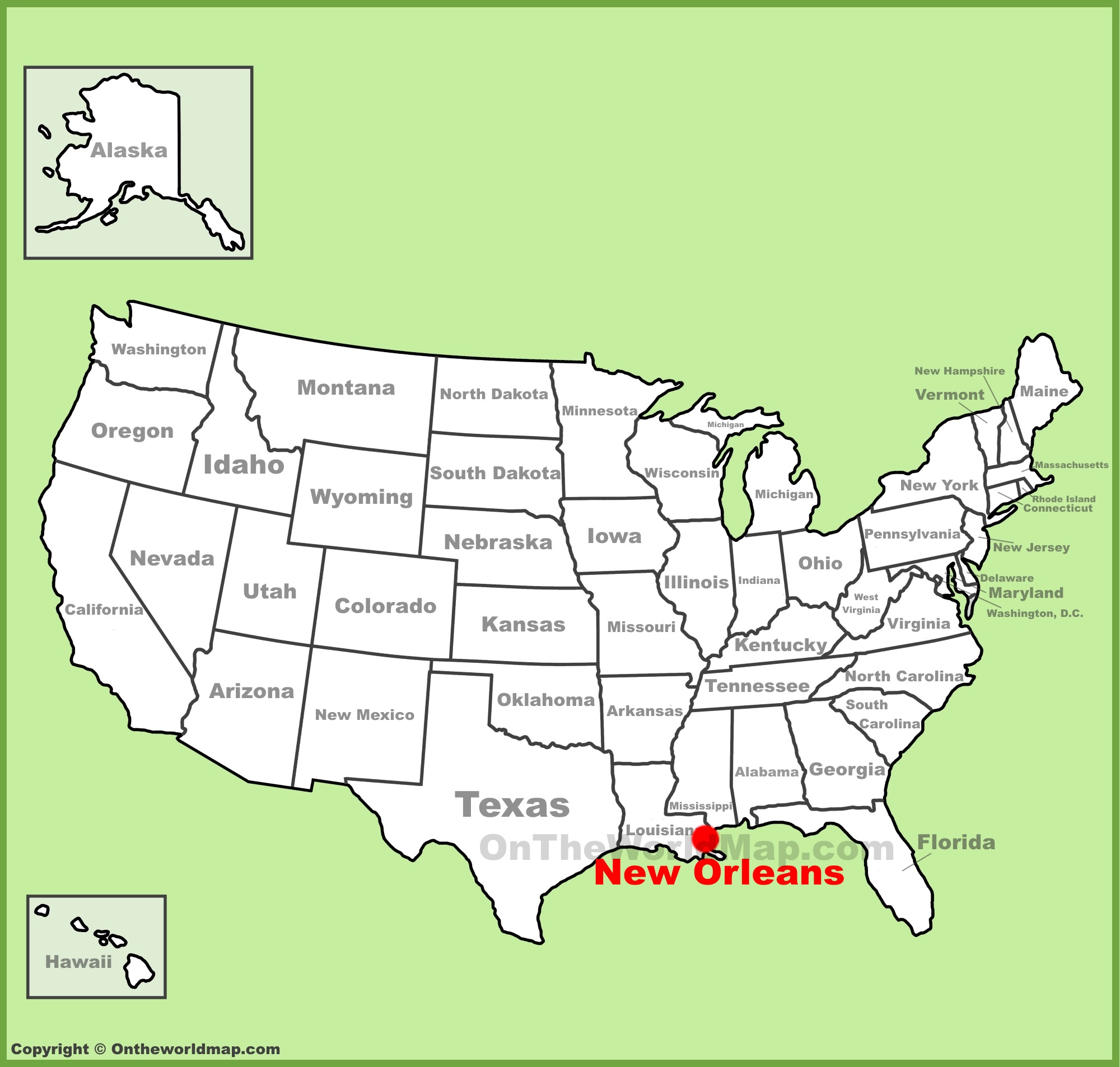
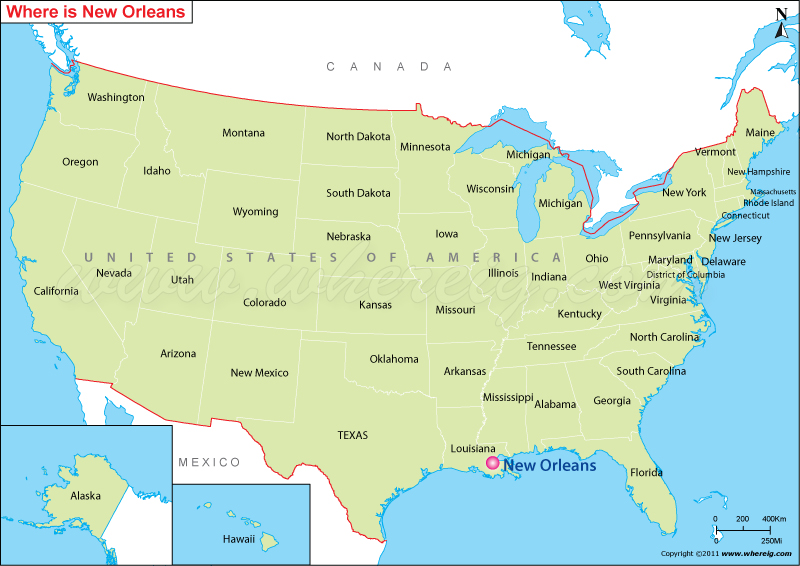
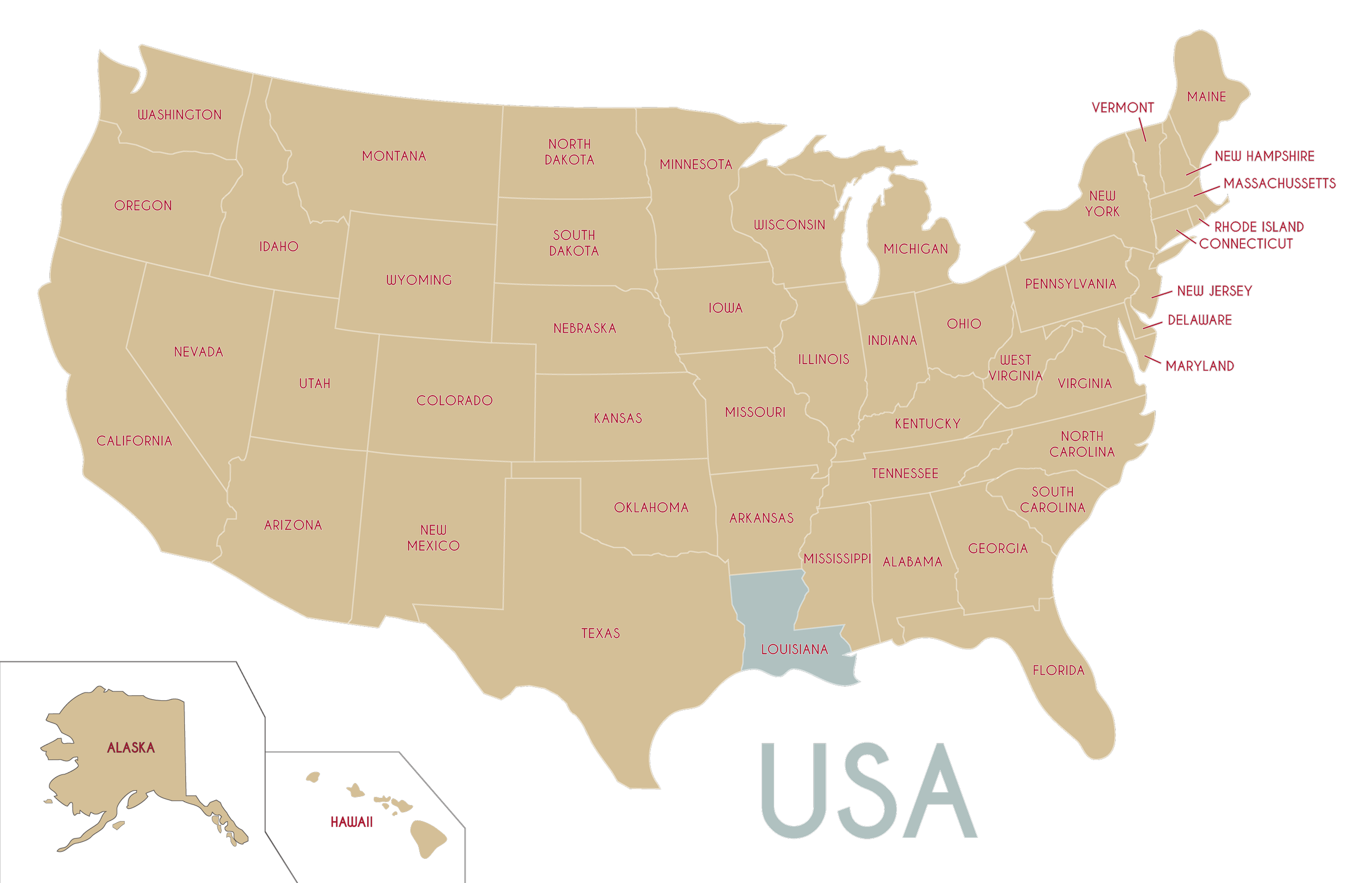
At its most fundamental, New Orleans is located in the southeastern corner of the state of Louisiana, a state itself situated in the southern region of the United States. It occupies a strategic position on the eastern bank of the Mississippi River, approximately 105 miles upstream from the river’s mouth at the Gulf of Mexico. This proximity to the Gulf of Mexico has profoundly shaped the city’s history, economy, and even its very landscape.
The Mississippi River’s Embrace
The Mississippi River is not merely a geographical feature for New Orleans; it is its lifeblood. The city’s iconic crescent shape, from which it derives its nickname, is a direct result of the river’s winding course. This bend in the river provided a natural defensible position, crucial during its early colonial settlement. Today, the river remains a vital artery for commerce, a scenic backdrop for daily life, and a constant reminder of the city’s deep connection to the natural world. The port of New Orleans is one of the busiest in the nation, facilitating the movement of goods that connect the agricultural heartland of the United States to global markets.
The Louisiana Delta and Coastal Wetlands
Beyond the immediate embrace of the Mississippi River, New Orleans is situated within the vast and ecologically rich Louisiana Delta. This region, characterized by extensive wetlands, bayous, and marshes, creates a unique environment that influences the city’s weather patterns, its biodiversity, and its susceptibility to environmental challenges. The flat, low-lying terrain, much of which is below sea level, has necessitated innovative engineering and a constant vigilance against the forces of nature. This unique geographical context contributes to the city’s distinct charm and its ongoing efforts in resilience and adaptation.
A Crossroads of Culture and Commerce
The location of New Orleans is not solely defined by its physical coordinates but also by its historical role as a melting pot and a vital economic hub. Its position at the confluence of major waterways and its access to both domestic and international trade routes have made it a perpetual crossroads.
Gateway to the Interior
For centuries, the Mississippi River served as the primary highway for the exploration and settlement of the United States‘ interior. New Orleans, as the natural gateway to this vast territory, became a crucial port for goods and people moving up and down the river. From furs and agricultural products to manufactured goods, the city facilitated the growth and expansion of the nation. This historical role cemented New Orleans‘ importance in the early American economy and laid the groundwork for its continued significance in trade and logistics.
A Unique Cultural Synthesis
The strategic location of New Orleans also fostered an unparalleled cultural synthesis. Founded by the French, later governed by the Spanish, and eventually becoming part of the United States, the city absorbed influences from each of these powers, as well as from the enslaved Africans and later immigrants who shaped its society. This confluence of cultures is evident in its architecture, its music, its cuisine, and its distinct dialect. Unlike any other city in the United States, New Orleans offers a living testament to a vibrant multicultural heritage, a direct consequence of its historical position as a colonial port and a gateway.
Understanding the Context: Beyond the Map
To truly grasp “Where Is New Orleans In The United States?”, one must look beyond the geographical markers and understand its contextual significance. It is a city that exists not just in space but in time and in spirit.
A Cultural Anchor of the South
While geographically part of the United States, New Orleans often feels like a world apart, yet it is undeniably a cornerstone of the American South. It offers a counterpoint to the more conventional Southern narrative, presenting a spirit of exuberance, resilience, and artistic expression that is uniquely its own. Its music, particularly jazz, is a globally recognized export and a profound contribution to American culture. The city’s festivals, such as Mardi Gras, are legendary, drawing visitors from across the globe to experience its singular brand of revelry. This cultural distinctiveness, deeply rooted in its location and history, positions New Orleans as a vital cultural anchor within the broader American identity.
A City of Resilience and Renewal
The location of New Orleans has also placed it at the forefront of facing environmental challenges, most notably in the wake of Hurricane Katrina in 2005. The city’s vulnerability to hurricanes and rising sea levels is a direct consequence of its deltaic geography. However, the response to these challenges has highlighted the indomitable spirit and resilience of its people. The rebuilding and revitalization efforts since Katrina are a testament to the deep love and connection residents have to their city. Understanding New Orleans means understanding its ongoing journey of adaptation, innovation, and unwavering pride in its heritage, all intrinsically linked to its unique place in the United States. Its presence is a continuous dialogue between the natural world and human endeavor, a story of survival and celebration that echoes through its historic streets.
LifeOutOfTheBox is a participant in the Amazon Services LLC Associates Program, an affiliate advertising program designed to provide a means for sites to earn advertising fees by advertising and linking to Amazon.com. Amazon, the Amazon logo, AmazonSupply, and the AmazonSupply logo are trademarks of Amazon.com, Inc. or its affiliates. As an Amazon Associate we earn affiliate commissions from qualifying purchases.