
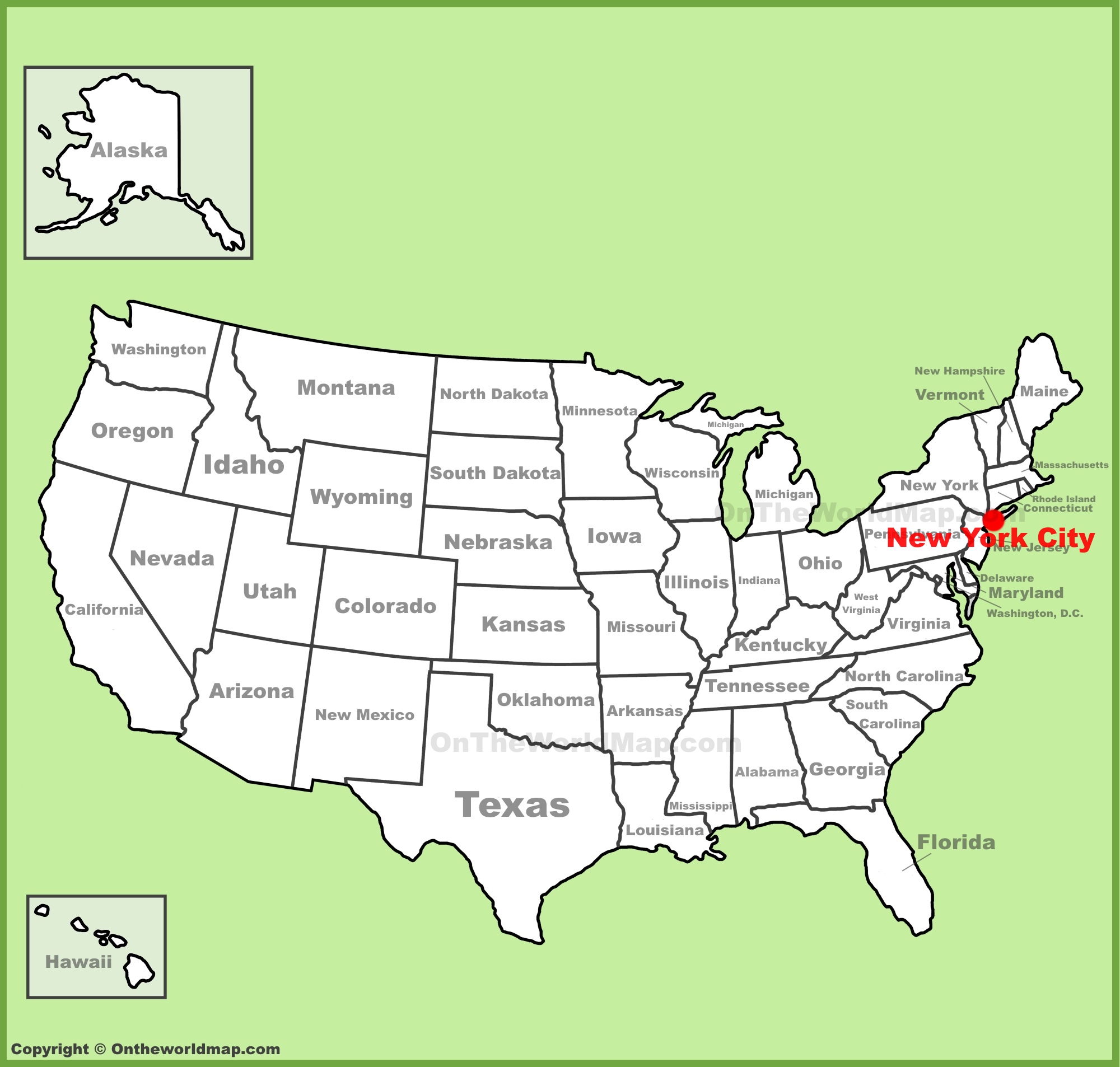
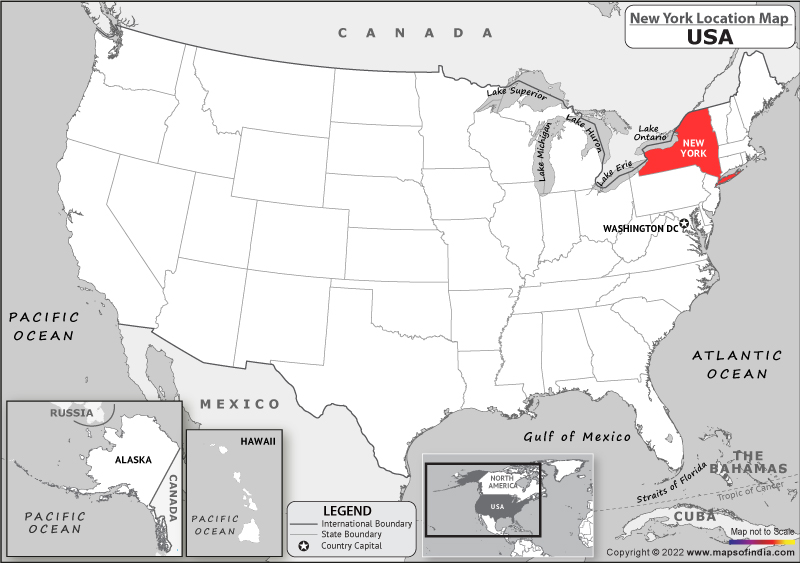
The question “Where Is New York Map?” is not merely a query about geographical coordinates; it’s an invitation to explore a city that is a universe unto itself. For travelers and seekers of iconic experiences, understanding the spatial logic of New York City is the first step towards unlocking its myriad wonders. This exploration delves into the essential elements of a New York map, not just as a physical tool, but as a conceptual guide to navigating its vibrant boroughs, iconic landmarks, and diverse neighborhoods.
The Five Boroughs: A Foundation for Navigation
To truly grasp “Where Is New York Map?”, one must first understand its fundamental organizational structure: the five boroughs. Each borough possesses a distinct character, offering a unique tapestry of experiences that contribute to the city’s unparalleled allure. Mapping these distinct territories is crucial for any visitor planning their itinerary.
Manhattan: The Iconic Core
Manhattan, the island borough, is often what comes to mind when people envision New York. It’s a dense, energetic hub of culture, commerce, and iconic landmarks. Understanding its grid system – the numbered avenues running north-south and streets running east-west – is paramount. This ordered structure makes navigation relatively straightforward once you orient yourself. From the towering skyscrapers of Midtown to the historic charm of Greenwich Village and the financial power of Wall Street, Manhattan is a microcosm of the global city. Key attractions like Times Square, Central Park, the Empire State Building, and the Metropolitan Museum of Art are concentrated here, making it a primary destination for most visitors.
Brooklyn: The Eclectic Soul
Across the East River, Brooklyn offers a different, yet equally compelling, New York experience. Known for its vibrant arts scene, diverse culinary landscape, and historic neighborhoods, Brooklyn has emerged as a cultural powerhouse. Navigating Brooklyn requires an appreciation for its distinct neighborhoods, each with its own identity – from the trendy streets of Williamsburg to the brownstone-lined avenues of Park Slope and the waterfront views of DUMBO. The iconic Brooklyn Bridge serves as a major artery connecting it to Manhattan, and its parks, such as Prospect Park, offer expansive green spaces.
Queens: The Global Crossroads
Queens, the largest borough by area, is a testament to New York’s status as a global crossroads. It’s renowned for its incredible ethnic diversity, reflected in its varied culinary offerings and vibrant community life. Mapping Queens involves understanding its distinct neighborhoods, each representing a different corner of the world. From the Greek influences in Astoria to the South Asian communities in Jackson Heights and the Flushing Meadows-Corona Park, home to the Unisphere and major sporting venues like Citi Field, Queens offers an immersive cultural journey.
The Bronx: The Birthplace of Hip-Hop
To the north, The Bronx holds a significant place in both New York’s history and global culture. It is famously recognized as the birthplace of hip-hop, a genre that has profoundly influenced music and culture worldwide. Mapping The Bronx involves exploring its diverse neighborhoods, including the cultural hub of Concourse and the expansive Yankee Stadium. The borough also boasts significant green spaces, such as Pelham Bay Park, offering a more natural escape within the urban landscape.
Staten Island: The Serene Escape
Rounding out the five boroughs is Staten Island, often considered the most suburban of the five. It offers a more relaxed pace of life and features beautiful parks and historic sites. Accessible by the free Staten Island Ferry, which provides stunning views of the Manhattan skyline and the Statue of Liberty, Staten Island provides a refreshing contrast to the hustle and bustle of the other boroughs. Its historic sites, like Fort Wadsworth, and its extensive park system, including the Greenbelt, offer opportunities for exploration and tranquility.
Navigational Tools: Beyond the Paper Map
While a physical map can be a comforting companion, modern technology offers a more dynamic and interactive approach to answering “Where Is New York Map?”. Digital mapping services have revolutionized how we explore cities, providing real-time information and personalized guidance.
Digital Mapping Applications
Applications like Google Maps, Apple Maps, and dedicated New York City transit apps are indispensable tools. They offer turn-by-turn navigation for walking, driving, and public transportation, helping you pinpoint exact locations of attractions, restaurants, and hotels. These platforms also provide satellite imagery, street views, and user reviews, offering a comprehensive pre-visit understanding of any location. For those planning to visit iconic sites like Rockefeller Center or find the best vantage point for photos of the One World Trade Center, these apps are invaluable.
Public Transportation: The Lifeline of the City
Understanding New York’s extensive public transportation system is intrinsically linked to using a map effectively. The Metropolitan Transportation Authority (MTA) operates the subway and bus networks, which are the most efficient ways to traverse the city. Subway maps, whether digital or physical, are essential for understanding routes, transfer points, and station locations. Recognizing that different subway lines serve different boroughs and neighborhoods allows for strategic planning. For instance, reaching the American Museum of Natural History requires a different subway line than visiting the Bronx Zoo. Familiarity with the subway map is as crucial as knowing the street grid for a truly immersive experience.
Mapping Key Districts and Landmarks
Beyond the borough structure, New York City is a mosaic of distinct districts and world-renowned landmarks, each with its own geographical significance and appeal.
Downtown Manhattan: History and Finance
Downtown Manhattan is the historic heart of the city, where New York began. This area encompasses the Financial District, home to the New York Stock Exchange and the poignant 9/11 Memorial & Museum. Further north, you’ll find Tribeca and SoHo, known for their cobblestone streets, art galleries, and upscale boutiques. Exploring this region on a map reveals the dense urban fabric and the historical layers that define it.
Midtown Manhattan: The Commercial and Cultural Epicenter
Midtown Manhattan is the bustling commercial and cultural heart of New York. This is where iconic skyscrapers like the Chrysler Building and the Empire State Building pierce the skyline. It’s home to world-class theaters in the Theater District, the vibrant spectacle of Times Square, and the serene oasis of Bryant Park. Navigating Midtown requires understanding its grid and the major avenues that serve as arteries for its constant flow of activity.
Uptown Manhattan: Culture and Green Spaces
Uptown Manhattan is characterized by its world-class cultural institutions and expansive green spaces. Central Park dominates a significant portion of the borough, offering respite and recreational opportunities. Along its eastern edge lies Museum Mile, home to institutions like the Metropolitan Museum of Art and the Guggenheim Museum. Further uptown, you’ll find Harlem, a neighborhood rich in African American history and culture, with iconic venues like the Apollo Theater.
Beyond the Tourist Trail: Exploring Neighborhoods
A comprehensive understanding of “Where Is New York Map?” extends beyond the famous landmarks to encompass the unique character of its diverse neighborhoods. Each neighborhood offers a distinct slice of New York life, contributing to the city’s rich cultural mosaic.
Artistic Enclaves and Culinary Hotspots
Exploring neighborhoods like East Village in Manhattan, known for its bohemian history and eclectic dining, or the vibrant street art scene in Bushwick, Brooklyn, reveals the city’s dynamic cultural pulse. Chinatown and Little Italy offer immersive culinary and cultural experiences, showcasing the city’s immigrant heritage. Mapping these areas allows travelers to discover hidden gems, from independent bookstores to authentic eateries, that might not be on every tourist’s radar.

Local Perspectives and Hidden Gems
The true essence of New York often lies beyond the well-trodden paths. Utilizing local blogs, community forums, and word-of-mouth recommendations can guide you to less-advertised but equally rewarding locations. Understanding the local transit routes within a specific neighborhood, rather than just the major subway lines, can lead to unexpected discoveries. For instance, exploring the waterfront parks of Long Island City in Queens offers breathtaking views of the Manhattan skyline, a perspective often missed by those solely focused on the island itself. The “map” of New York is therefore not static but constantly evolving, shaped by the experiences of its residents and visitors alike.
LifeOutOfTheBox is a participant in the Amazon Services LLC Associates Program, an affiliate advertising program designed to provide a means for sites to earn advertising fees by advertising and linking to Amazon.com. Amazon, the Amazon logo, AmazonSupply, and the AmazonSupply logo are trademarks of Amazon.com, Inc. or its affiliates. As an Amazon Associate we earn affiliate commissions from qualifying purchases.