
For many international travelers and domestic visitors alike, New York serves as the primary gateway to the United States. Yet, amidst the sprawling vastness of North American geography, pinning down exactly where the state and its namesake city reside is essential for any well-planned itinerary. Positioned prominently on the East Coast, the region is a tapestry of rugged coastlines, rolling mountains, and one of the most iconic urban centers in human history.
Geographic Coordinates and Regional Positioning
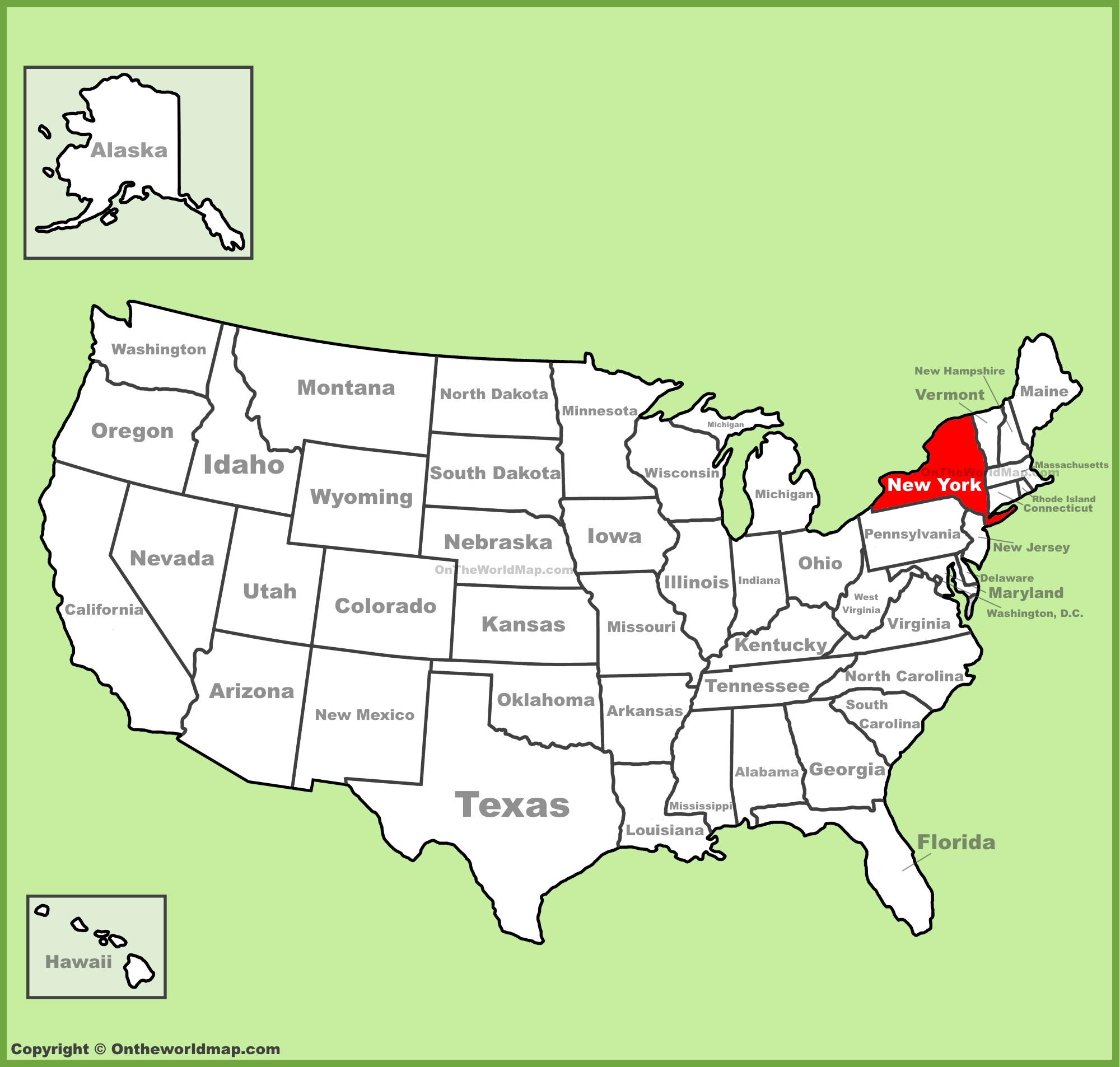
When looking at a map of the United States, New York occupies a strategic position in the northeastern quadrant of the country. It is part of a cluster known as the Mid-Atlantic and Northeast regions. Sharing borders with Pennsylvania to the west and south, New Jersey to the south, and Connecticut, Massachusetts, and Vermont to the east, the state acts as a geographic nexus for the Eastern Seaboard. To the north, it shares a significant international border with Canada, specifically the provinces of Ontario and Quebec.
Understanding the Atlantic Coastline
The state’s geography is heavily influenced by the Atlantic Ocean. The southeastern tip of the state is defined by the harbor of New York City and Long Island, which stretches out into the sea like a giant finger. This coastal orientation made the region a critical hub for trade, immigration, and cultural exchange throughout the 18th, 19th, and 20th centuries. From the bustling shipping lanes of the New York Harbor to the quiet, sandy reaches of the Hamptons, the maritime influence on the state’s culture and economy remains profound.
The Continental Divide of New York
While the state is famous for its coastal metropolis, the interior of the state offers a starkly different landscape. Moving inland, the terrain shifts from the urban density of Manhattan to the rolling hills of the Hudson Valley and the mountainous regions of the Catskills and the Adirondacks. These mountainous chains are part of the broader Appalachian Mountains, providing a natural barrier and a scenic divide that separates the coastal plains from the Great Lakes region further to the west.
Navigating the Urban and Rural Landscape
For travelers, “New York” often creates a point of confusion: the distinction between the city and the state. Understanding this map is the first step toward effective trip planning. The state covers roughly 54,555 square miles, yet a massive percentage of the population resides within the five boroughs of the city.

The Five Boroughs
New York City is composed of five distinct boroughs: Brooklyn, Queens, Manhattan, the Bronx, and Staten Island. Each borough has its own geographic character, from the towering skyscrapers of Midtown Manhattan to the historic, brownstone-lined streets of Brooklyn Heights. Mapping these out reveals how the city acts as an island-centric metropolis, surrounded by water and linked by a complex network of iconic bridges like the Brooklyn Bridge and the George Washington Bridge.
Beyond the Metropolitan Hub
Venturing north on a map takes you into the heart of Upstate New York. This region is defined by its agricultural output, deep forests, and stunning glacial lakes. Landmarks such as Niagara Falls, located on the western border with Canada, serve as one of the most visited natural wonders in the world. Meanwhile, Finger Lakes offers a serene retreat that contrasts sharply with the frantic pace of Times Square. Mapping out a route through these areas requires an appreciation for the sheer scale of the state; traveling from the southern tip of the city to the northern reaches of the Adirondack Park takes several hours of driving through diverse climate zones.
Strategic Travel Logistics
Knowing where New York sits on the map allows travelers to leverage its unique position for broader exploration of the Northeast. The state is essentially the centerpiece of a travel corridor that extends from Washington DC in the south to Boston in the north.
Transportation Gateways
The region’s map is dominated by three major international airports: John F Kennedy International Airport, LaGuardia Airport, and Newark Liberty International Airport. While the latter is technically across the Hudson River in New Jersey, it serves as a critical entry point for the metropolitan area. The connectivity provided by Amtrak along the Northeast Corridor makes it incredibly simple to navigate between Philadelphia, New York, and New Haven.
Seasonal Geography
The state’s location means it experiences four distinct seasons, each altering the “map” for visitors. In the summer, the coastal beaches of Fire Island and Montauk become the primary draw. As autumn approaches, the interior geography undergoes a transformation, with the Adirondacks drawing thousands to witness the spectacular fall foliage. Winter sees the focus shift to the Catskill Mountains for skiing and snowboarding, while spring brings the city’s parks, such as Central Park, back to life.
Why Location Matters for the Modern Explorer
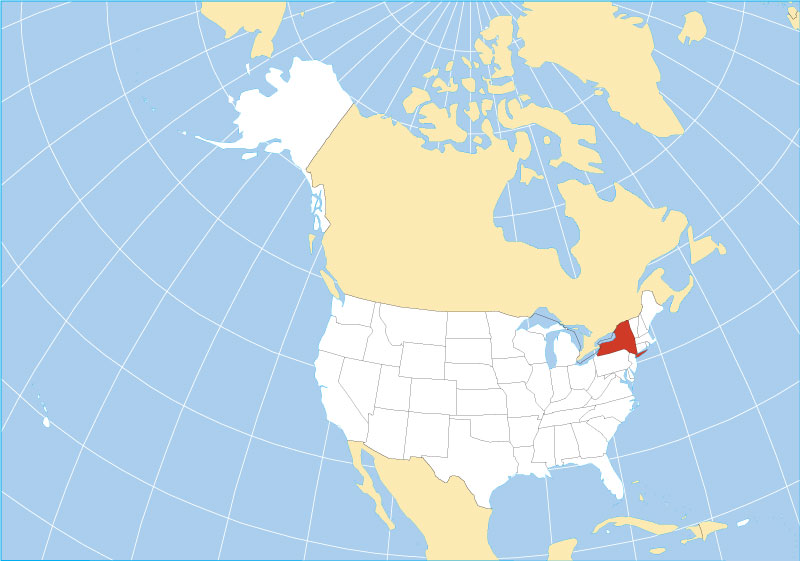
Ultimately, New York is more than just a pin on a map; it is a geographic anchor for the entire eastern half of the United States. Its location dictates its weather, its economy, and the way millions of people experience the world every year.
Whether you are looking for the intellectual stimulation of Columbia University, the artistic heritage of the Metropolitan Museum of Art, or the simple beauty of a drive through the Mohawk Valley, understanding the state’s geography is the key to unlocking a deeper connection to the region. From the bustling harborside piers to the quiet, misty peaks of the northern mountains, the map of New York contains endless discoveries for the observant traveler. By recognizing where the state fits into the larger North American context, you can plan your next journey not just as a visit to a city, but as an exploration of one of the most dynamic and geographically diverse regions in the world.
LifeOutOfTheBox is a participant in the Amazon Services LLC Associates Program, an affiliate advertising program designed to provide a means for sites to earn advertising fees by advertising and linking to Amazon.com. Amazon, the Amazon logo, AmazonSupply, and the AmazonSupply logo are trademarks of Amazon.com, Inc. or its affiliates. As an Amazon Associate we earn affiliate commissions from qualifying purchases.