
To understand the geographical and cultural landscape of the United States, one must recognize that Florida is a state of distinct regions. While the world often associates the Sunshine State with the neon lights of Miami or the theme parks of Orlando, there exists a sprawling, culturally rich, and naturally diverse region known as North Florida. But “where” it is involves more than just coordinates on a map; it is defined by a shared history, a specific culinary palate, and a landscape dominated by rolling hills, ancient oaks, and crystal-clear springs.
Defining the Boundaries: A Geographical and Cultural Map
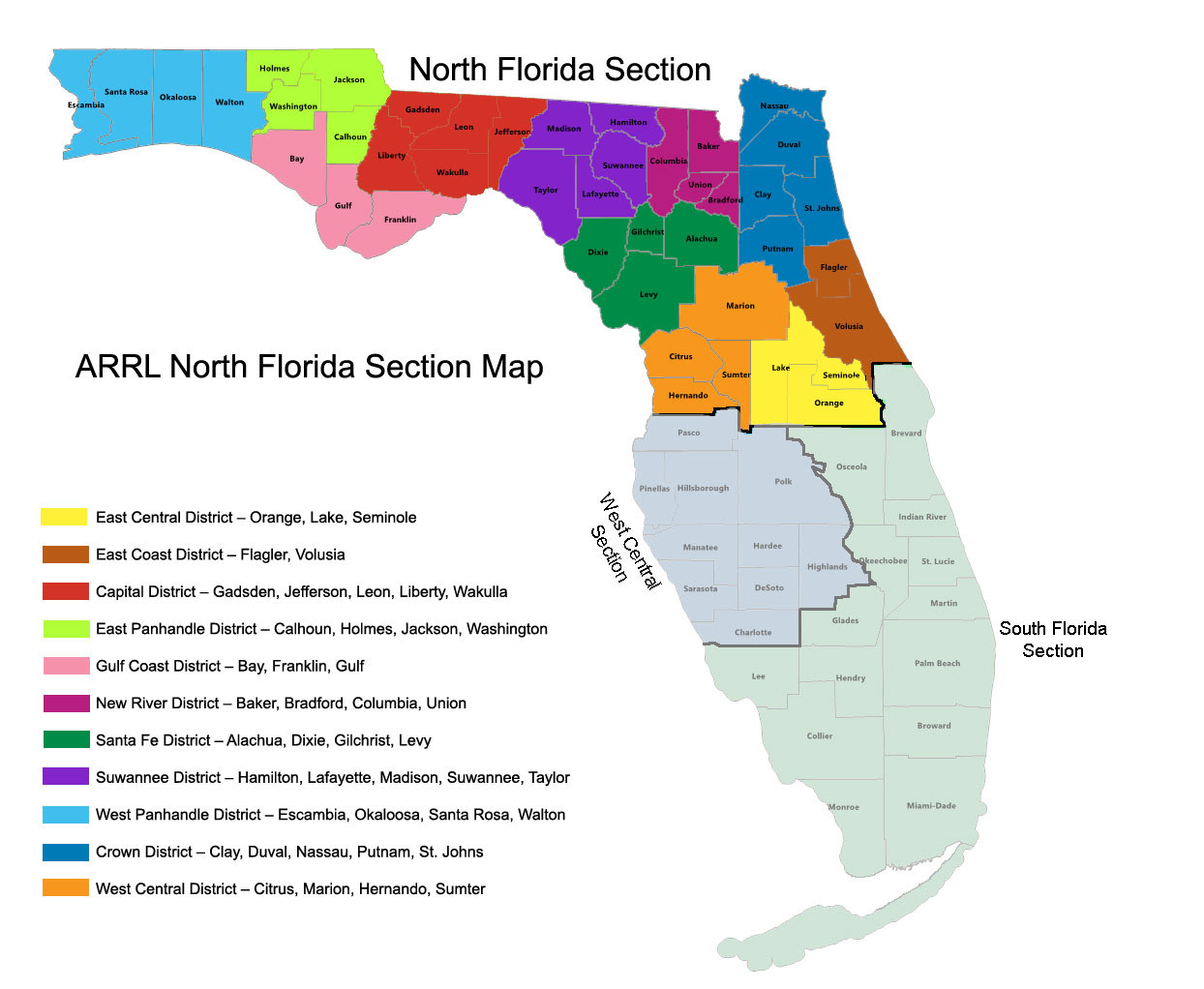
North Florida generally encompasses the area from the Georgia and Alabama borders down to what locals often call the “invisible line” of Ocala. Geographically, it is divided into three primary sub-regions: the Panhandle, the First Coast, and the North Central interior. Each of these areas offers a unique perspective on what it means to live in the northern reaches of the state.

The Panhandle and the Emerald Coast
The Panhandle is the narrow strip of land in the northwest, bordered by the Gulf of Mexico to the south. This region is home to the Emerald Coast, famous for its sugar-white quartz sand and turquoise waters. Cities like Pensacola, Destin, and Panama City Beach define the coastal tourism here. Further inland, the terrain turns into dense pine forests and river valleys, leading toward the state capital, Tallahassee.
The First Coast and the Atlantic Seaboard
On the eastern side lies the First Coast, so named because it was the site of the first European settlements in the United States. This region centers around Jacksonville, the largest city by land area in the contiguous United States, and extends south to the historic streets of St. Augustine. The Atlantic Ocean provides a different coastal experience here—one of wide, drivable beaches, historic lighthouses, and a burgeoning surf culture.
North Central Florida and the Suwannee Valley
Moving away from the coasts, North Central Florida provides a glimpse into “Old Florida.” This is the land of Gainesville, home to the University of Florida, and the winding Suwannee River. It is a region characterized by agriculture, equestrian culture, and a limestone bedrock that has created the highest concentration of freshwater springs in the world.
The Cultural Identity: Where the South Begins
One of the most common sayings among residents is that in Florida, the further north you go, the more “Southern” it becomes. Unlike the cosmopolitan flair of South Florida, North Florida is deeply rooted in the traditions of the Deep South. This influence is visible in the architecture, the local dialects, and the slower pace of life.
The Culinary Landscape of the North
Tourism in North Florida is often a culinary journey. While South Florida is known for Key Lime Pie and Cuban Sandwiches, the north specializes in comfort food and coastal harvests.
In the Panhandle, particularly in Apalachicola, the focus is on world-class oysters. These salty delicacies are a staple of the local economy and culture. Moving toward Jacksonville, visitors must try Mayport Shrimp, caught fresh off the coast of Mayport Village. Inland, the cuisine shifts toward classic Southern barbecue, biscuits and gravy, and the ubiquitous boiled peanuts sold at roadside stands. The “Minorcan” heritage of St. Augustine also introduces the Datil Pepper, a spicy, sweet pepper found almost nowhere else, which flavors local chowders and sauces.
Festivals and Local Traditions
To truly understand where North Florida is, one should attend its local gatherings. The Florida Folk Festival in White Springs celebrates the music and crafts of the Suwannee River valley. In Tallahassee, the autumn season is dominated by Florida State University football culture, a massive draw for regional tourism. Meanwhile, the Isle of Eight Flags Shrimp Festival in Fernandina Beach highlights the maritime history of Amelia Island.
Natural Wonders and Outdoor Tourism
The geography of North Florida offers a playground for eco-tourism that is vastly different from the Everglades. The region is defined by its karst topography, which has resulted in a subterranean network of caves and breathtaking surface springs.

The Majesty of the Springs
The freshwater springs of North Florida are perhaps the region’s greatest natural treasure. Wakulla Springs State Park near Tallahassee features one of the deepest and largest freshwater springs in the world. Visitors can take glass-bottom boat tours to see ancient mastodon bones at the bottom of the crystal-clear basin.
Further east, Ichetucknee Springs State Park is the premier destination for river tubing. Floating down the Ichetucknee River under a canopy of cypress trees draped in Spanish moss is a quintessential North Florida experience. For divers, Ginnie Springs and Devil’s Den Prehistoric Spring offer underground explorations that attract enthusiasts from across the globe.
Coastal Escapes and State Parks
The coastline of North Florida provides a variety of experiences. The Gulf Islands National Seashore offers miles of undeveloped beaches with towering sand dunes. On the Atlantic side, Little Talbot Island State Park features “Boneyard Beach,” where bleached skeletons of cedar and oak trees create a hauntingly beautiful landscape.
For those interested in unique geology, Florida Caverns State Park in Marianna allows visitors to walk through limestone caves filled with stalactites and stalagmites—the only place in the state where this is possible. Meanwhile, Paynes Prairie Preserve State Park near Micanopy offers the rare chance to see wild bison and horses roaming the Florida savannah.
Iconic Cities and Must-Visit Landmarks
Where North Florida truly comes alive is in its historic urban centers. These cities serve as the hubs for tourism, blending modern amenities with deep-seated historical roots.
St. Augustine: The Ancient City
No discussion of North Florida is complete without St. Augustine. Founded in 1565 by Spanish explorers, it is the oldest continuously inhabited European-established settlement in the United States. Walking through the St. George Street district feels like stepping back in time. The Castillo de San Marcos, a 17th-century masonry fortress made of coquina shells, stands as a sentinel over the Matanzas Bay.
Jacksonville: The River City by the Sea
Jacksonville offers a more urban experience. With the St. Johns River winding through its downtown, the city provides a mix of riverfront dining, world-class museums like the Cummer Museum of Art and Gardens, and a thriving craft brewery scene known as the Jax Beer Trail. The nearby Atlantic Beach and Neptune Beach provide a laid-back coastal vibe just minutes from the city center.
Tallahassee: The Hilltop Capital
Tallahassee is unlike any other Florida city. Located in the Red Hills region, it features canopy roads—streets lined with massive live oaks that meet overhead to create a natural tunnel. As the seat of state government and home to Florida A&M University, the city is a blend of political energy and academic spirit. The Mission San Luis provides an insightful look into the 17th-century coexistence of Spanish settlers and the Apalachee people.
Practical Tips for the North Florida Traveler
Visiting North Florida requires a different mindset than visiting the tropical south. To make the most of a trip to this region, tourists should consider the following practicalities.
Understanding the Climate
Unlike Miami, North Florida experiences true seasonal changes. While summers are famously hot and humid, winters can be quite chilly, with temperatures occasionally dropping below freezing at night. The best time for outdoor activities like hiking and biking is from October to April. For those looking to enjoy the springs, the water stays a constant 72 degrees Fahrenheit (22 Celsius) year-round, making it refreshing in the summer and seemingly warm on a cool winter morning.
Transportation and Accessibility
The geography of North Florida is vast, and many of the best attractions—especially the state parks and “Forgotten Coast” beaches—are located in rural areas. While Jacksonville International Airport and Tallahassee International Airport serve as major gateways, renting a car is essential for exploring the region. Driving along Highway 98 in the Panhandle or A1A along the Atlantic Ocean offers some of the most scenic road trips in the country.
Embracing the Local Rhythm
To enjoy North Florida, one must embrace a slower pace. Whether it’s waiting for a table at a seafood shack in Cedar Key or spending an entire afternoon watching for manatees at Blue Spring State Park, the region rewards those who are not in a rush. It is a place where history is whispered in the rustle of the palms and the “Where” is found in the heart of the community.
LifeOutOfTheBox is a participant in the Amazon Services LLC Associates Program, an affiliate advertising program designed to provide a means for sites to earn advertising fees by advertising and linking to Amazon.com. Amazon, the Amazon logo, AmazonSupply, and the AmazonSupply logo are trademarks of Amazon.com, Inc. or its affiliates. As an Amazon Associate we earn affiliate commissions from qualifying purchases.