
Northern California, a region of breathtaking natural beauty, iconic cities, and world-renowned vineyards, beckons travelers from across the globe. From the dramatic cliffs of the Pacific Coast to the towering ancient forests, and the vibrant urban landscapes of San Francisco, it offers an unparalleled diversity of experiences. However, like many stunning natural areas globally, Northern California experiences a fire season, a period when wildfires are more prevalent. For the intrepid traveler, understanding this aspect of the region is key to planning a safe, enjoyable, and responsible trip. This comprehensive guide aims to demystify the topic, providing insights into fire awareness, safety protocols, and highlighting the myriad of resilient destinations that continue to offer unforgettable travel experiences.

Our goal is not to deter exploration but to empower you with knowledge, ensuring your journey through this magnificent part of the United States is as seamless and enriching as possible. We’ll delve into how wildfires impact travel, what precautions to take, and crucially, where to find updated information and spectacular alternatives that remain untouched by fire activity.
Understanding Northern California’s Wildfire Landscape
The narrative of wildfires in California is complex, often dominating headlines during late summer and fall. For travelers, it’s essential to move beyond the sensational and grasp the practical realities of fire season, which usually spans from June through November, though conditions can vary annually based on rainfall, temperature, and wind patterns.
The Seasonal Rhythms of Fire and Climate Factors
Wildfires are a natural, albeit sometimes devastating, part of many ecosystems, including those in Northern California. They play a role in forest health, clearing undergrowth and allowing new growth. However, a combination of factors – including historical fire suppression, an increasing urban-wildland interface, and especially the impacts of climate change leading to hotter, drier conditions and extended droughts – has exacerbated the frequency and intensity of fires in recent decades. The Santa Ana and Diablo winds, strong, dry winds that typically blow in the fall, can rapidly spread even small ignitions, making fire suppression incredibly challenging.
Understanding this context helps travelers appreciate the efforts of local communities and emergency services, while also highlighting the importance of personal responsibility in preventing new ignitions, particularly during dry periods. From avoiding campfires outside designated areas to ensuring vehicle maintenance to prevent sparks, every small action contributes to safety.
Geographic Hotspots and Their Impact on Travel
When considering “where is Northern California fire?”, it’s important to recognize that wildfires are not a monolithic event affecting the entire region simultaneously. They are localized occurrences, often impacting specific areas while vast stretches remain entirely unaffected. Historically, regions prone to dry vegetation, hilly terrain, and strong winds have seen more significant fire activity.
Areas known for their natural beauty and tourism, such as parts of Napa Valley and Sonoma County (wine country), or forested areas like those near Shasta County or Lassen Volcanic National Park, have experienced fires. The impact on these tourist destinations can range from temporary road closures and evacuation orders to longer-term damage to natural landscapes and infrastructure. However, these communities are incredibly resilient, often rebuilding and welcoming visitors once it’s safe to do so.
For example, while fires might affect parts of Napa Valley, other sections and the entirety of Sonoma Valley, or other wine regions like Lodi, could remain completely open and bustling. Similarly, a fire in a remote forest might have no bearing on a coastal town like Mendocino or the vibrant city life of San Francisco. The key is to check specific, localized information.
Assessing Air Quality and Health Considerations
Beyond the direct threat of fire, smoke and poor air quality can be a concern for travelers. Smoke plumes can travel significant distances, affecting air quality even in areas far from an active fire. Air quality is measured by the Air Quality Index (AQI), which indicates the level of pollution. High AQI levels can pose health risks, particularly for individuals with respiratory conditions, children, and the elderly.
Travelers should monitor AQI forecasts and real-time readings, which are widely available through various apps and websites. When air quality is poor, it’s advisable to limit outdoor activities, keep windows closed, and use air conditioning with recirculate settings. Many hotels and indoor attractions in cities like San Francisco or Oakland are equipped with modern HVAC systems that filter air, offering a sanctuary from smoke. For those planning extensive outdoor adventures, having a flexible itinerary that allows for indoor alternatives or shifting to coastal areas where sea breezes often clear the air is a wise strategy.
Essential Planning for a Safe and Enjoyable Northern California Journey
A successful trip to Northern California, especially during fire season, hinges on thoughtful preparation and flexibility. By taking proactive steps, travelers can minimize risks and ensure their experience remains positive.
Staying Informed: Key Resources and Real-time Updates
Reliable information is your most valuable tool. Instead of relying on general news headlines, which often paint a broad and sometimes alarmist picture, seek out specific, localized, and official sources.
- CalFire: The official state fire agency website provides comprehensive updates on active fires, containment levels, and incident reports. This is your primary source for fire status.
- Local County Sheriff and Emergency Services Websites: These sites offer the most granular information on road closures, evacuation warnings, and local safety advisories for specific towns and areas.
- National Weather Service: Provides critical weather forecasts, including red flag warnings (indicating high fire danger), wind advisories, and air quality outlooks.
- Mapping Tools: Google Maps and Waze often integrate real-time road closures and traffic information, which can be invaluable for navigation.
- Hotel and Attraction Websites: Check the websites or social media channels of specific hotels, wineries, national parks like Redwood National Park, or attractions you plan to visit. They will often post updates on their operational status.
It’s advisable to check these resources daily, or even several times a day, if you are traveling through or near potentially affected areas. Downloading local emergency apps for the counties you plan to visit can also provide push notifications for alerts.
Adapting Your Itinerary: Flexibility is Key
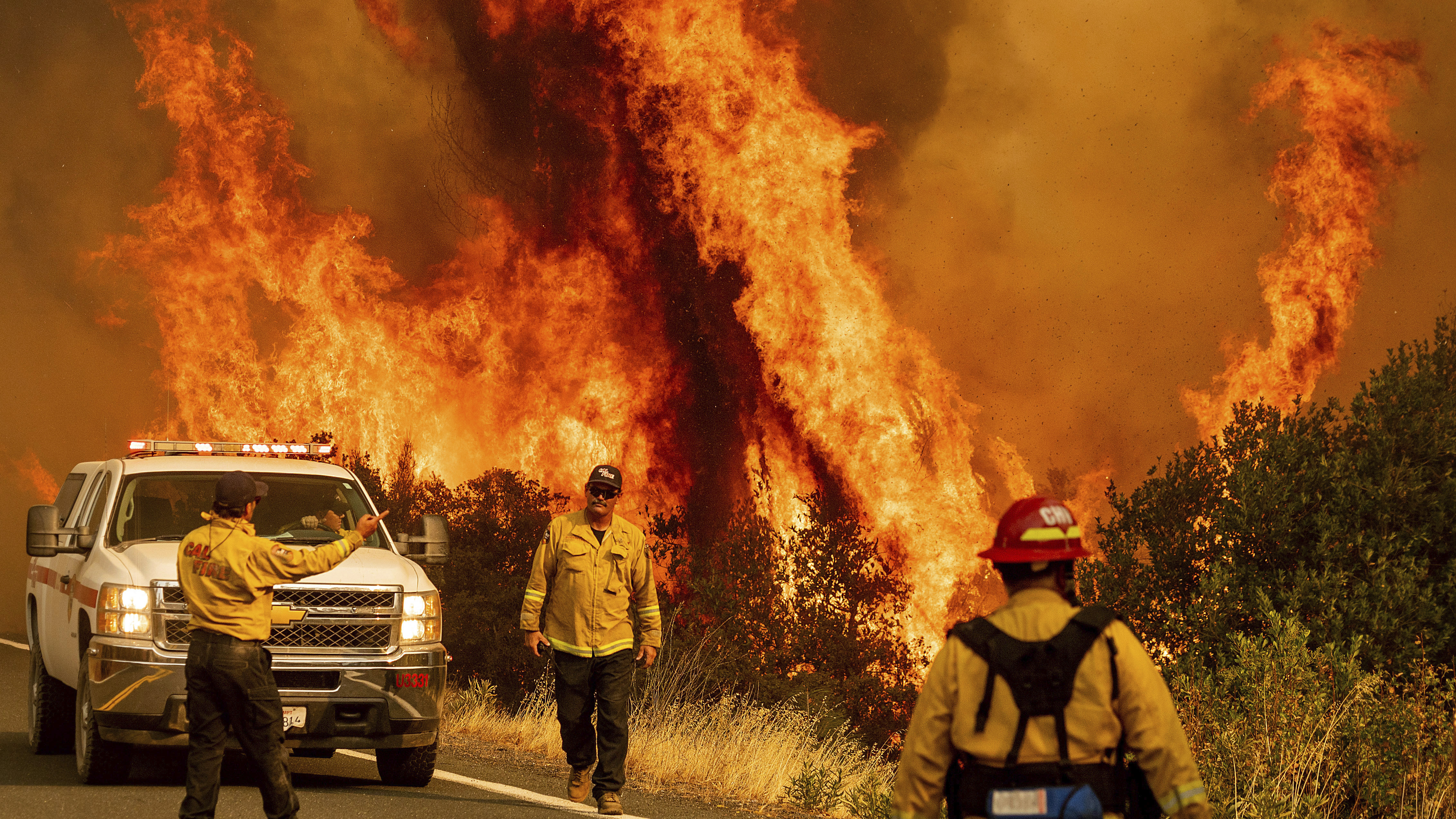
Building flexibility into your travel plans is paramount. This means having alternative destinations or activities in mind and being prepared to pivot if conditions change.
- Consider Travel Insurance: Investing in comprehensive travel insurance that covers trip cancellations or interruptions due to natural disasters can provide peace of mind and financial protection. Review policies carefully to understand what is covered.
- Book Flexible Accommodations and Transportation: Opt for hotels, car rentals, and flights with generous cancellation or change policies. Many properties, from luxury resorts like The Ritz-Carlton, San Francisco to boutique stays, understand the need for flexibility during unpredictable seasons. A hotel like Grand Hyatt Hotel San Francisco, for instance, might offer more forgiving terms.
- Have Backup Plans: If your original plan was a hiking trip in a forested area, have an urban exploration day or a coastal drive as a backup. Research museums, indoor culinary experiences, or coastal towns that offer clear air and different attractions.
On-the-Ground Safety: Preparedness Tips for Travelers
While the vast majority of travelers will never encounter a wildfire directly, being prepared is crucial for safety.
- Stay Aware of Your Surroundings: Be mindful of conditions, especially if you are in or near forested or wildland areas. Note potential escape routes.
- Heed All Warnings and Orders: If an evacuation order is issued for an area you are in or near, leave immediately and follow official instructions. Do not wait for conditions to worsen.
- Practice Fire Safety: Be extremely careful with any potential ignition sources. Avoid campfires outside designated areas, never throw cigarette butts, and ensure any vehicle maintenance or roadside stops don’t create sparks. Adhere to any local burn bans or restrictions.
- Emergency Kit: For road trips, consider having a basic emergency kit in your vehicle, including water, non-perishable snacks, a flashlight, a first-aid kit, and a phone charger.
- Communicate Your Plans: Share your itinerary with friends or family and check in regularly, especially if you plan to be in remote areas.
Exploring Northern California: Unaffected Gems and Resilient Destinations
Despite the challenges posed by wildfires, Northern California remains an incredibly diverse and accessible travel destination. Many iconic attractions and regions are typically unaffected by fires or quickly recover, offering vibrant experiences year-round.
Coastal Retreats: Fresh Air and Pacific Views
The expansive Northern California coastline, often cooled by ocean breezes and dense fog, frequently remains clear and unaffected by inland wildfires. These coastal havens offer stunning scenery and fresh air.
- San Francisco: The quintessential Northern California city is rarely impacted by wildfires, thanks to its unique geography and coastal winds. Explore iconic landmarks like the Golden Gate Bridge, take a ferry to Alcatraz Island, wander through Fisherman’s Wharf, or discover world-class museums and culinary delights.
- Mendocino Coast: North of San Francisco, this rugged stretch boasts charming towns like Mendocino and Fort Bragg, known for dramatic sea cliffs, art galleries, and serene redwood forests right by the ocean. It’s an ideal escape for relaxation and natural beauty.
- Point Reyes National Seashore: A stunning peninsula offering pristine beaches, dramatic ocean vistas, historic lighthouses, and abundant wildlife viewing opportunities. It’s an excellent destination for hiking and nature photography, often enjoying clear coastal air.
- Big Sur: While geographically a bit further south, this iconic stretch of Highway 1 is synonymous with California coastal beauty. Its dramatic cliffs and breathtaking ocean views remain a top draw, typically unaffected by the inland fire activity that might concern other parts of Northern California.
Urban Escapes: Culture, Cuisine, and City Life
Northern California’s major cities offer a wealth of experiences that are largely insulated from wildfire concerns.
- San Francisco: As mentioned, this global hub of innovation and culture offers endless attractions, from historic cable cars to vibrant neighborhoods like Chinatown and the Mission District.
- Oakland: Just across the bay from San Francisco, Oakland is a diverse city with a thriving arts scene, delicious food, and beautiful lakefront parks. It’s an excellent base for exploring the East Bay and offers stunning views of the San Francisco skyline.
- Sacramento: The state capital offers a fascinating blend of history and modern attractions. Explore Old Sacramento’s Gold Rush-era charm, visit the State Capitol building, or enjoy its burgeoning farm-to-fork culinary scene. Its inland location means it can sometimes experience smoke, but often less intensely or for shorter durations than closer wildfire areas, and it provides numerous indoor activities.
- San Jose: The heart of Silicon Valley, San Jose boasts museums, tech company campuses, and a vibrant downtown. It offers a unique glimpse into the innovative spirit of the region.
Wine Country and Beyond: Discovering Alternative Flavors
While Napa Valley and Sonoma County are internationally renowned, and sometimes affected, it’s important to remember the vastness of California’s wine regions.
- Resilient Wine Regions: Many wineries in Napa Valley and Sonoma County are incredibly resilient, often reopening quickly after any threat passes. Always check individual winery websites for current status.
- Alternative Wine Destinations: Consider exploring other fantastic wine regions in Northern California that might be less prone to fire activity or simply offer a different experience. The Lodi wine region, known for its Zinfandel, or the lesser-known but beautiful appellations around the Mendocino Coast or in the Sierra Foothills offer unique tasting opportunities and charming small towns. These areas provide excellent local culture and food experiences, often with fewer crowds.
Accommodation and Lifestyle Choices: Embracing Northern California’s Diversity
Choosing the right accommodation and travel style is a significant part of any trip, and Northern California offers options to suit every preference and budget, all while keeping safety and current conditions in mind.
Finding Your Ideal Stay: From Luxury Resorts to Cozy Retreats
Northern California’s accommodation landscape is as varied as its scenery.
- Luxury Resorts: For those seeking opulent experiences, cities like San Francisco and areas within Napa Valley boast world-class resorts. The aforementioned The Ritz-Carlton, San Francisco offers unparalleled service and city views, while waterfront properties like Hotel Vitale provide stunning bay vistas. Just north of the Golden Gate Bridge, Cavallo Point Lodge combines historic charm with modern luxury and eco-conscious design, offering breathtaking views of San Francisco and the bay.
- Boutique Hotels: Charming boutique hotels can be found in almost every town, offering unique character and personalized service. Look for them in places like Mendocino, Healdsburg in Sonoma County, or within San Francisco’s vibrant neighborhoods.
- Vacation Rentals and Apartments: For families or longer stays, options like apartments and villas provide home-away-from-home comfort, often with kitchens and more space. Websites specializing in vacation rentals offer diverse selections.
- Budget-Friendly Options: Hostels, motels, and budget hotels are available in major cities and along travel routes, making Northern California accessible for all budgets. Many offer excellent amenities and are strategically located near attractions or public transport.
When booking, remember our advice about flexibility. Look for properties with robust air filtration systems if air quality is a concern, and always check recent reviews regarding cleanliness and guest experiences, especially pertaining to local conditions.
Lifestyle Travel: Luxury, Budget, and Family Options
Regardless of your travel style, Northern California can accommodate.
- Luxury Travel: Indulge in Michelin-starred dining in Napa Valley, stay in five-star resorts, enjoy private winery tours, or charter a yacht on San Francisco Bay. Even during fire season, these experiences remain available, often with enhanced safety protocols.
- Budget Travel: Explore free attractions like walking the Golden Gate Bridge, hiking coastal trails, or picnicking in city parks. Utilize public transportation and seek out local eateries for authentic, affordable meals.
- Family Trips: Northern California offers countless family-friendly attractions, from the California Academy of Sciences in San Francisco to the wildlife at Point Reyes National Seashore. Plan activities that cater to all ages and consider a base in a city with ample indoor options if smoke might be an issue.
- Business Stays: For business travelers, major cities like [San Francisco](https://lifeoutofthebox.com/san-francisco], Oakland, and San Jose provide robust infrastructure, conference facilities, and excellent hotel choices, ensuring productivity and comfort.

Responsible Tourism and Supporting Local Resilience
Choosing to travel to Northern California during fire season, with proper planning, is a powerful way to support the local economy and communities.
- Support Local Businesses: Patronize local restaurants, shops, and attractions. Your tourism dollars directly contribute to the recovery and ongoing vitality of these communities.
- Be Eco-Conscious: Practice Leave No Trace principles, conserve water, and dispose of waste responsibly. This is particularly important in fire-prone areas.
- Engage with Communities: Learn about local efforts in fire prevention and environmental stewardship. Many areas are actively engaged in restoring landscapes and implementing sustainable practices.
In conclusion, the question “Where is Northern California fire?” isn’t a simple geographical inquiry but an invitation to understand a complex natural phenomenon and its implications for travel. While wildfires are a reality for the region, they don’t define the entirety of Northern California’s travel potential. With diligent planning, reliance on official information, and a flexible mindset, you can confidently explore its diverse landscapes, vibrant cities, and welcoming communities, contributing to the enduring spirit of this remarkable destination. Safe travels!