
For those intrigued by urban geography, popular culture, and the intricate tapestry of Chicago‘s neighborhoods, the name O’Block frequently surfaces. Often referenced in music and media, O’Block is not a formally recognized neighborhood on any official map. Instead, it is the colloquial name for a specific residential complex on the city’s South Side, deeply embedded in the local vernacular and cultural landscape. Understanding its location requires delving into the history and urban planning of this iconic American city.
Pinpointing the Location: Parkway Gardens Homes
O’Block is the informal designation for a section of the Parkway Gardens Homes apartment complex. This sprawling residential development is situated in the Greater Grand Crossing community area on the South Side of Chicago. It’s a key landmark for those seeking to understand the socio-geographical points of reference that shape contemporary urban narratives.

The South Side Context
The South Side of Chicago is a vast and diverse region, characterized by a mosaic of distinct neighborhoods, each with its own history, character, and challenges. Parkway Gardens Homes falls within a quadrant that has historically been significant for African American migration and community development. It’s located relatively close to major historical corridors and institutions that define the South Side. The area around Parkway Gardens Homes has seen considerable demographic shifts and urban renewal efforts over the decades, reflecting broader trends in Chicago’s urban landscape.
Navigational Markers
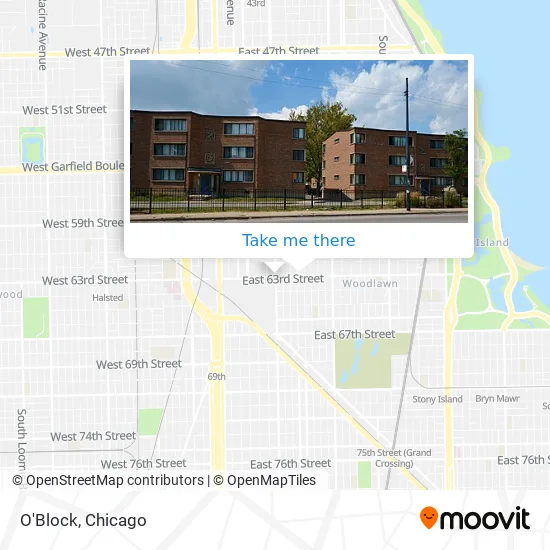
To precisely locate O’Block, one would look for the Parkway Gardens Homes complex. It is generally bounded by South King Drive to the east, South Calumet Avenue to the west, 63rd Street to the north, and 65th Street to the south. Specifically, the segment referred to as O’Block is often associated with the buildings around 64th Street and South King Drive within this complex. Its proximity to major thoroughfares makes it accessible, yet its internal layout fosters a distinct community identity. For those familiar with Chicago’s grid system, these coordinates provide a clear geographical fix.
A Historical Perspective of Parkway Gardens and its Environs
The history of Parkway Gardens Homes is intricately linked to the broader narrative of urban development, housing, and social movements in Chicago. Understanding its past offers crucial context to its present prominence.
Origins of Parkway Gardens
Parkway Gardens Homes was constructed in 1950, designed by architect Henry K. Holsman. Notably, it was initially conceived as a privately developed cooperative housing complex for working-class families, rather than public housing. Its design, which included a large central courtyard and garden areas, was intended to foster a sense of community and provide green spaces for residents. The complex originally contained over 690 units spread across 35 buildings. It was a forward-thinking design for its era, aiming to provide affordable and quality living environments.
Public Housing and Urban Development in Chicago
The mid-20th century was a period of significant demographic change and urban renewal in Chicago. The Great Migration brought millions of African Americans from the South to northern cities, creating immense pressure on existing housing stock and leading to the development of vast public housing projects. While Parkway Gardens Homes began as a private cooperative, many areas surrounding it, particularly in the mid- to late-20th century, saw the rise of large-scale public housing initiatives. These projects, such as the now-demolished Robert Taylor Homes or Cabrini-Green, became emblematic of both the aspirations and the failures of urban planning in addressing systemic poverty and racial segregation.
Over time, Parkway Gardens Homes transitioned, eventually becoming a federally subsidized affordable housing complex. Like many older developments in urban centers, it faced challenges related to disinvestment, maintenance, and the socio-economic pressures of its surrounding neighborhood. These historical layers are crucial for any visitor or observer to grasp the multifaceted identity of places like O’Block within Chicago’s broader narrative.
Cultural Significance and Public Perception
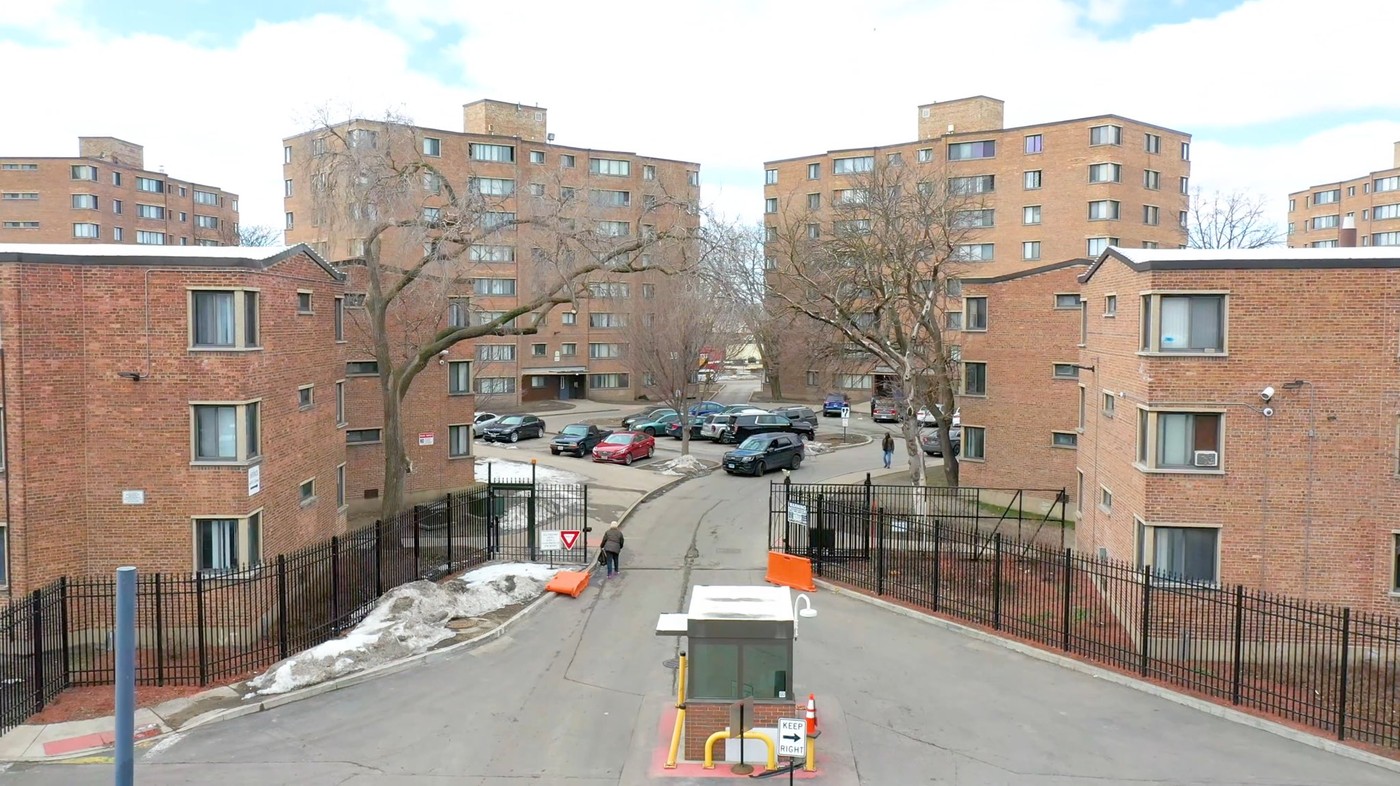
The widespread knowledge of O’Block today largely stems from its profound impact on popular culture, particularly in the realm of music. This cultural imprint has significantly shaped public perception and curiosity about the location.
O’Block’s Presence in Popular Culture
The name O’Block gained significant traction through its frequent mention in drill music, a subgenre of hip-hop that originated in Chicago in the early 2010s. Many prominent drill artists hail from or are associated with Parkway Gardens Homes, using the moniker O’Block to represent their specific home turf. This candid, often raw, lyrical portrayal of life in the complex has catapulted its name into global consciousness, making it a point of intrigue for fans of the genre and those studying urban music phenomena. The music serves as a unique lens, albeit one filtered through artistic expression, into the realities and narratives emanating from this particular Chicago destination.
Understanding the Urban Narrative
Beyond the music, O’Block represents a microcosm of the complex urban narratives found in many large American cities. It embodies themes of community, resilience, systemic challenges, and the search for identity within specific geographical confines. For those interested in urban studies, sociology, or the impact of popular culture on place, O’Block offers a tangible reference point. It highlights how informal place names can gain powerful cultural resonance, sometimes even overshadowing the formal designations, and how specific locations become symbolic anchors for broader socio-economic and cultural discussions.
Exploring the Broader South Side
While O’Block draws attention, it is important to contextualize it within the vibrant and diverse tapestry of Chicago’s South Side. This region offers a wealth of history, culture, and experiences far beyond any single residential complex.
Beyond Parkway Gardens: Nearby Neighborhoods and Landmarks
Parkway Gardens Homes is situated in a historically rich area. To its north lies Bronzeville, often referred to as the “Black Metropolis,” a historically significant neighborhood that was a hub of African American culture, business, and intellectual life during the early to mid-20th century. Visitors to Bronzeville can explore historic landmarks, public art, and cultural institutions that tell the story of this pivotal era.
Further west, one finds Washington Park, one of Chicago’s expansive public parks designed by Frederick Law Olmsted. Adjacent to the park is the renowned University of Chicago in Hyde Park, an intellectual and architectural marvel that houses museums, significant historical sites, and offers a different perspective on South Side life. These neighboring areas offer a rich blend of educational, cultural, and historical attractions, painting a more complete picture of the region.
Considerations for Visitors
For those researching or passing through the South Side of Chicago, it is crucial to approach any area, including the vicinity of Parkway Gardens Homes, with respect and an awareness of local dynamics. Like any urban area, it has its own rhythm and challenges. While the name O’Block has gained notoriety, the area is, first and foremost, a residential community where people live their daily lives. Engagement with any destination, especially those with complex social narratives, should always prioritize respect for residents and local customs.
The Evolution of Urban Spaces
The existence and cultural impact of places like O’Block underscore the dynamic nature of urban spaces. Cities are not static entities but rather living, breathing organisms constantly evolving, shaped by history, economics, social forces, and the people who inhabit them.
Challenges and Resilience in South Side Communities
The neighborhoods surrounding Parkway Gardens Homes have historically grappled with issues common to many urban centers, including socio-economic disparities, access to resources, and public safety concerns. Yet, these communities also exemplify remarkable resilience, vibrant cultural traditions, and strong community bonds. The narrative of O’Block within Chicago is therefore not just one of a geographical location, but a testament to the ongoing struggles and triumphs within the urban fabric. It serves as a reminder that understanding a “destination” often means looking beyond surface-level perceptions to appreciate the intricate layers of human experience and historical forces that define it. For anyone seeking a comprehensive understanding of Chicago as a whole, acknowledging and exploring these complex destinations is an essential part of the journey.
LifeOutOfTheBox is a participant in the Amazon Services LLC Associates Program, an affiliate advertising program designed to provide a means for sites to earn advertising fees by advertising and linking to Amazon.com. Amazon, the Amazon logo, AmazonSupply, and the AmazonSupply logo are trademarks of Amazon.com, Inc. or its affiliates. As an Amazon Associate we earn affiliate commissions from qualifying purchases.