
Oklahoma, often called the “Sooner State,” occupies a distinctive position within the geographic and cultural tapestry of the United States. Situated in the South Central region, it is a land shaped by its unique history, diverse landscapes, and a spirit that embodies the American frontier. Understanding Oklahoma’s location is key to appreciating its significance, from its role in westward expansion to its vibrant present-day attractions and cultural heritage.
Geographical Placement and Boundaries
Oklahoma is strategically located, bordered by several states that contribute to its regional identity. To its north lies Kansas, providing a direct connection to the Great Plains. Missouri and Arkansas form its eastern frontier, regions rich in Southern culture and verdant landscapes. To the south, Texas provides a vast, influential neighbor, with the Red River serving as a natural boundary for much of their shared border. Western Oklahoma shares a border with New Mexico, offering a gateway to the American Southwest.
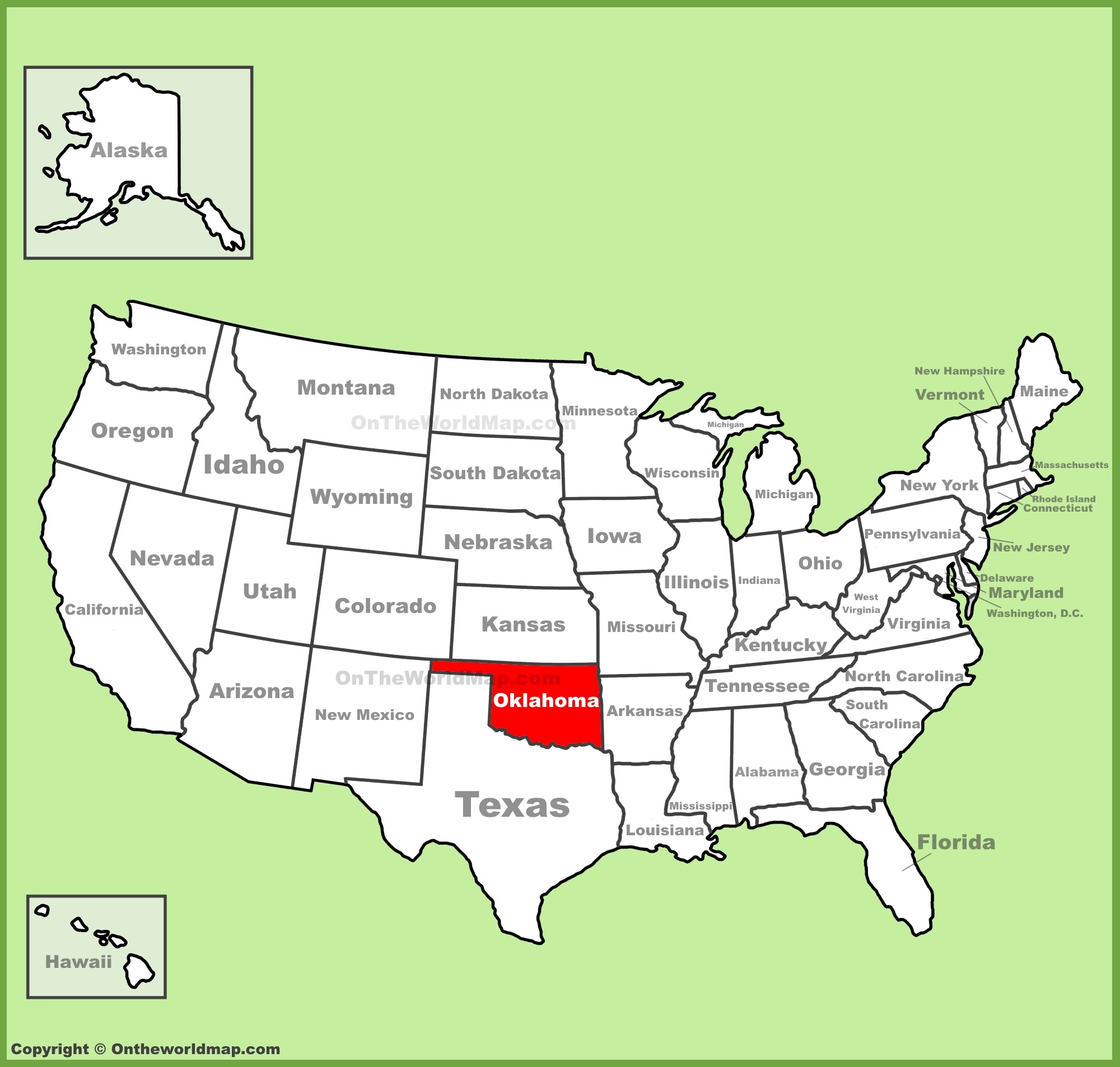
Navigating the State Lines
The precise coordinates place Oklahoma between 33.5 and 37 degrees North latitude and 94.5 and 103 degrees West longitude. This position places it squarely within the continental United States, influencing its climate and the types of flora and fauna that thrive within its borders. The state’s shape is largely rectangular, with a notable panhandle extending westward, a remnant of historical land claims and surveys. This panhandle, officially known as the Oklahoma Panhandle, is an area often overlooked but integral to the state’s identity and its connection to the American West.
Defining the Regions
Oklahoma is broadly divided into two distinct physiographic regions: the Great Plains to the west and the Ozark Mountains and Ouachita Mountains to the east. This geographical division creates a remarkable diversity within the state, from the rolling prairies and arid plains of the west to the forested hills and sparkling lakes of the east. This contrast significantly impacts everything from agriculture and natural resources to the cultural nuances of its communities.
Historical Significance and Settlement
Oklahoma’s location has been pivotal throughout its history, serving as a crossroads for Native American tribes, Spanish explorers, French traders, and American settlers. Its position in the heartland of North America made it a focal point for national expansion and a significant territory for the displacement and resettlement of numerous Indigenous peoples.
The Indian Territory Era
Before becoming a state, much of Oklahoma was designated as the Indian Territory. This period, from the 1830s onwards, saw the forced relocation of Native American nations, including the Cherokee, Muscogee (Creek), Seminole, Chickasaw, and Choctaw, from their ancestral lands in the southeastern United States. These groups, collectively known as the Five Civilized Tribes, were moved to the lands that would eventually become Oklahoma. Their presence profoundly shaped the cultural and political landscape of the region.
The Land Run Phenomenon
The end of the 19th century marked another pivotal chapter: the Oklahoma Land Runs. Driven by federal policy and the desire to open the territory to non-Native settlement, these events saw thousands of prospective settlers racing to claim parcels of land. The most famous of these was the Land Run of 1889, which opened the central portion of the territory. The term “Sooner,” which became Oklahoma’s nickname, refers to those who illegally entered and claimed land before the official start time. This era of rapid settlement solidified Oklahoma’s place on the map and fostered a unique pioneering spirit.
Statehood and Beyond
On November 16, 1907, Oklahoma was officially admitted to the Union as the 46th state. Its early development was heavily influenced by agriculture, particularly cotton and wheat farming, and later by the discovery of vast oil reserves, which transformed its economy and landscape. The state’s central location facilitated its growth as a transportation hub, connecting the industrial Northeast with the agricultural West and Southwest.
Exploring Oklahoma: Key Cities and Regions
The location of Oklahoma’s major urban centers reflects its historical development and geographical influences. Oklahoma City, the state capital, is situated in the central part of the state, a testament to its role as a hub for governance and commerce. Its growth was significantly boosted by the discovery of oil in the region.
Oklahoma City: The Capital Hub
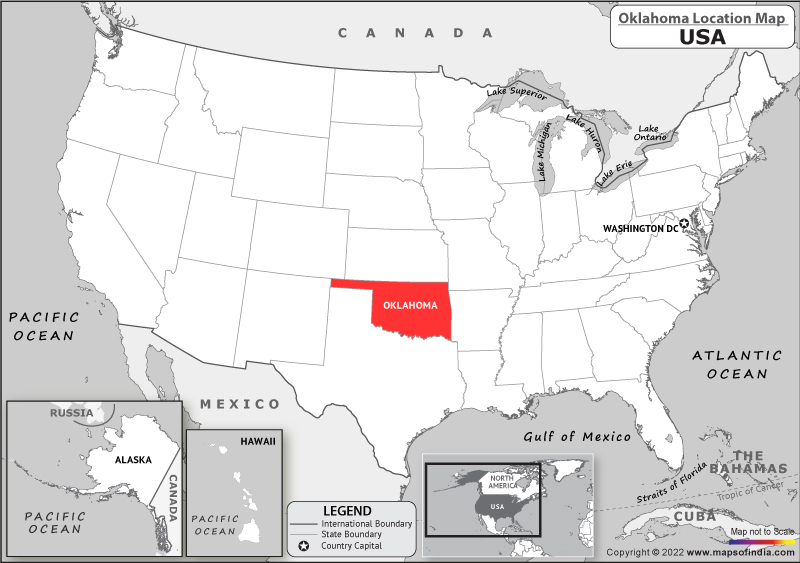
Located on the Oklahoma River, Oklahoma City is the state’s largest metropolitan area. Its strategic position in the central plains makes it a key center for transportation, energy, and aerospace industries. The city boasts a revitalized downtown area with attractions like the Bricktown Entertainment District, the Oklahoma City National Memorial & Museum, and the National Cowboy & Western Heritage Museum. Its proximity to the historical sites of the Indian Territory and the Land Runs adds layers to its cultural significance.
Tulsa: The Oil Capital’s Charm
To the northeast, Tulsa stands as Oklahoma’s second-largest city, historically known as the “Oil Capital of the World.” Situated in the more verdant eastern part of the state, near the Ozark foothills, Tulsa offers a distinct cultural flavor. The city is renowned for its Art Deco architecture, the Philbrook Museum of Art, and the Gathering Place, a world-class urban park. Its eastern location means access to numerous lakes and recreational areas, a stark contrast to the drier western plains.
Other Notable Areas
Beyond the major cities, Oklahoma offers a rich array of destinations influenced by its location.
The Panhandle’s Frontier Spirit
The Oklahoma Panhandle is a unique region, often described as having a distinct frontier atmosphere. Its northern latitude and drier climate lend themselves to landscapes reminiscent of the true American West. Cities like Guymon serve as gateways to this expansive, wind-swept territory, which includes sites like the Black Mesa State Park, the highest point in Oklahoma.
Eastern Oklahoma’s Natural Beauty
The eastern third of the state, characterized by the Ozark and Ouachita Mountains, is a haven for outdoor enthusiasts. Areas around Broken Bow Lake and the Ouachita National Forest offer opportunities for hiking, boating, and exploring lush forests. Towns like Tahlequah are centers of Cherokee Nation culture and heritage, deeply connected to the history of the Indian Territory.
The Plains and Prairies
Central and western Oklahoma are dominated by vast prairies and farmlands. This region is the heartland of Oklahoma’s agricultural production and offers a glimpse into the enduring spirit of the American farmer and rancher. Towns here often have strong connections to cowboy culture and the history of cattle ranching.
Oklahoma’s Role in American Identity
Oklahoma’s geographic placement has indelibly shaped its role in the broader narrative of the United States. It embodies the nation’s westward expansion, the complex history of Native American relations, and the dynamic evolution of its economy and culture.
A Bridge Between Regions
As a transitional state between the Midwest, the South, and the Southwest, Oklahoma possesses a unique blend of cultural influences. This intermingling is evident in its music, cuisine, and the diverse heritage of its people. It serves as a geographical and cultural bridge, reflecting the multifaceted nature of American identity.
A Landscape of Resilience
The state’s often challenging climate, prone to severe weather, has fostered a spirit of resilience and community. The experience of enduring tornadoes and droughts has forged a strong sense of neighborliness and mutual support among Oklahomans. This shared experience is an intrinsic part of the state’s character, deeply connected to its location in the heart of Tornado Alley.

Economic and Cultural Crossroads
Oklahoma’s position as a producer of energy resources, particularly oil and natural gas, has made it a significant player in the national economy. Its strategic location for transportation, both historically and currently, further cements its importance. Culturally, it continues to honor its Native American roots while embracing modern influences, creating a dynamic and evolving identity. Understanding where Oklahoma is located within the United States provides the essential context for appreciating its historical journey, its diverse landscapes, and its enduring contribution to the nation’s story.
LifeOutOfTheBox is a participant in the Amazon Services LLC Associates Program, an affiliate advertising program designed to provide a means for sites to earn advertising fees by advertising and linking to Amazon.com. Amazon, the Amazon logo, AmazonSupply, and the AmazonSupply logo are trademarks of Amazon.com, Inc. or its affiliates. As an Amazon Associate we earn affiliate commissions from qualifying purchases.