
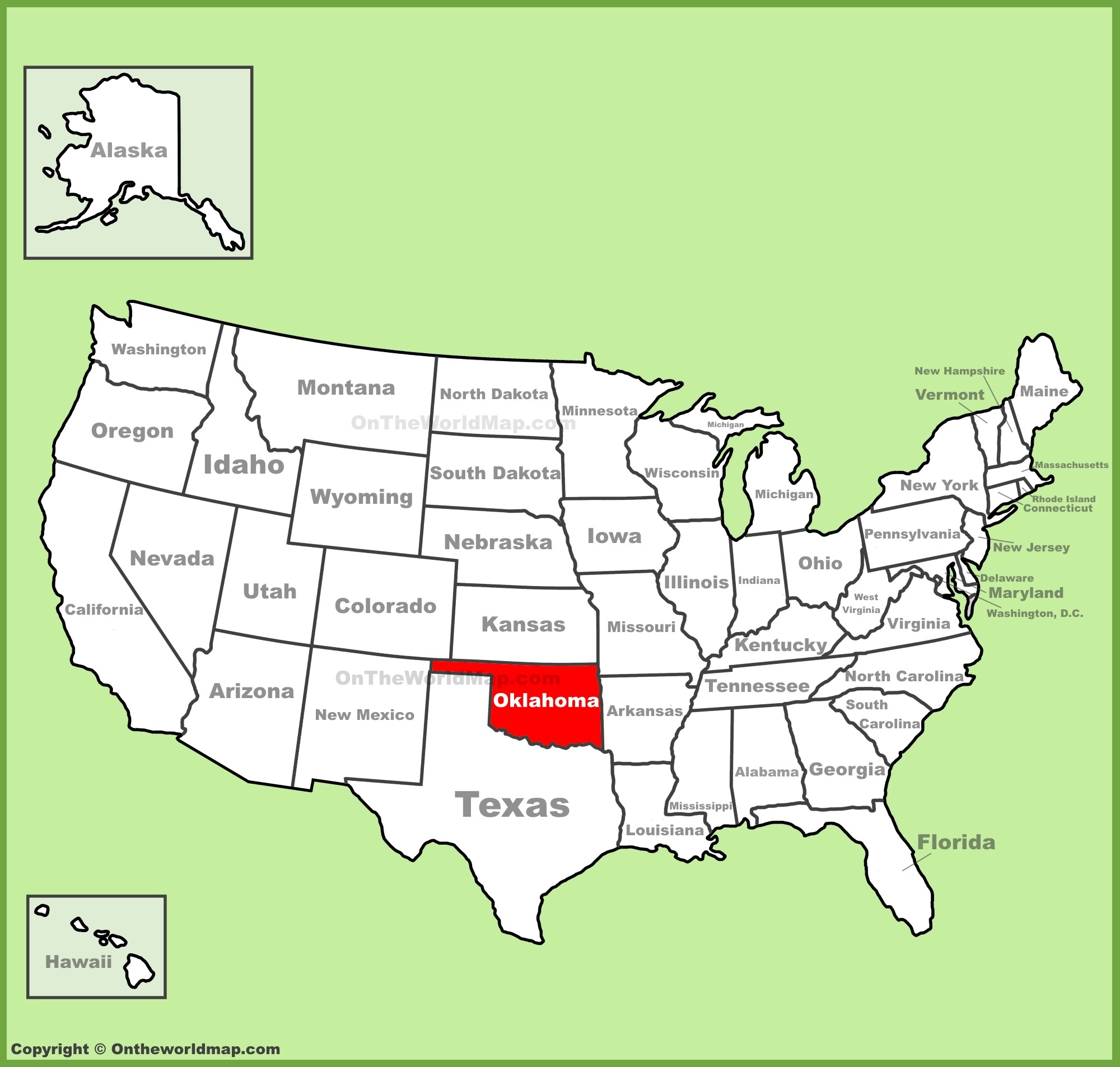
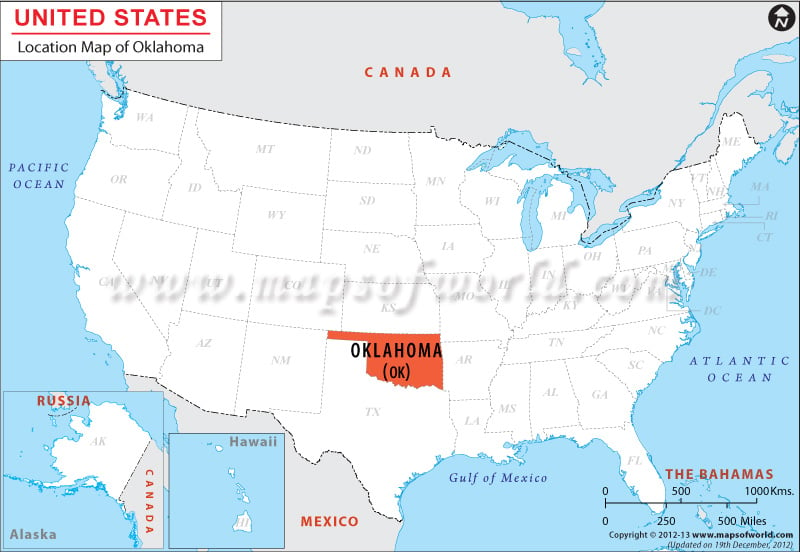
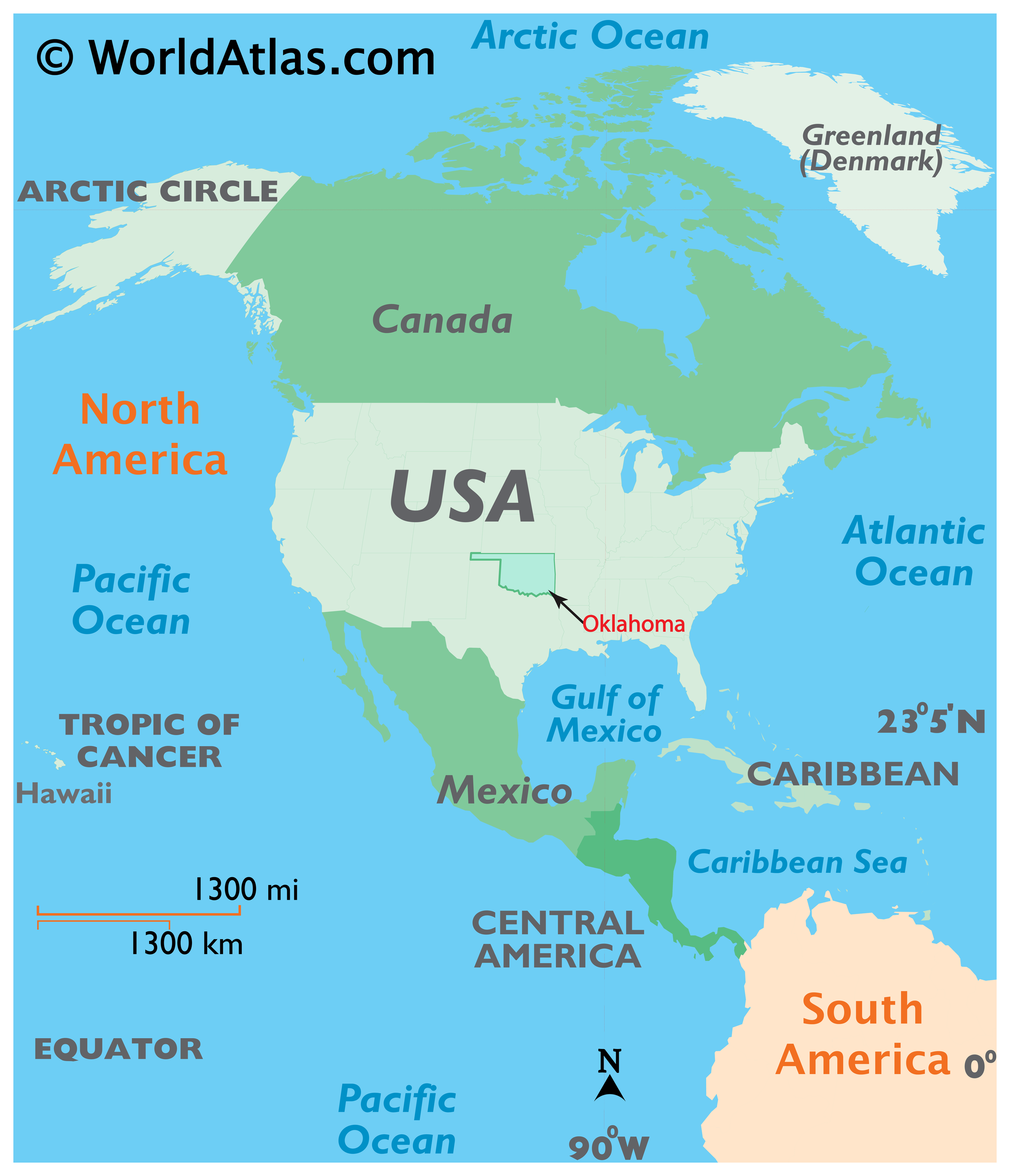
Positioned in the heart of the United States, Oklahoma serves as a geographic and cultural bridge between the American South and the Great Plains. Often referred to as part of the South Central region, the state occupies a unique space that defines the transition from the humid, forested landscapes of the east to the arid, rolling prairies of the west. Understanding where this state sits on the national map provides essential insight into its diverse topography, climate, and the historical migrations that have shaped its identity.
Geographic Positioning and Bordering States
To pinpoint Oklahoma accurately, one must look at its neighbors, which play a significant role in its regional character. The state is bordered by six other states, each contributing to the cultural fabric of the area.
Northern and Eastern Neighbors
To the north, Oklahoma shares a border with Kansas. This transition from the Southern Plains into the Central Plains is seamless, characterized by expansive wheat fields and open skies. Moving to the northeast, the state touches Missouri, providing a gateway to the Ozark Mountains. Directly to the east lies Arkansas, where the influence of the American South becomes more pronounced in terms of vegetation, humidity, and cultural history.
Southern and Western Neighbors
The southern border is defined by the Red River, which separates Oklahoma from the vast expanse of Texas. This river acts as a natural landmark that has historically divided political and social spheres. To the west, the state meets the Texas Panhandle and New Mexico, where the landscape shifts dramatically into the high-desert terrain typical of the American Southwest.
Physiographic Diversity and Regional Landscapes
Oklahoma is a state of remarkable ecological variety. Despite the common misconception that it is entirely flat, the state features an incredible array of landforms ranging from mountainous regions to swampy lowlands.
The Eastern Highlands
The eastern third of the state is characterized by the Ouachita Mountains and the Ozark Plateau. This region is heavily forested with pine and hardwood trees, featuring deep river valleys and pristine lakes. It feels more akin to the Appalachian Mountains than the arid plains that define the western reaches of the state. Travelers visiting Broken Bow or Beavers Bend State Park will find lush greenery and rugged terrain that surprises those who expect only flat prairie.
The Central and Western Plains
As one moves westward, the elevation gradually increases, and the vegetation changes. The central part of the state, home to the state capital, Oklahoma City, consists of rolling hills and prairie grasslands. Farther west, the Great Plains take over, leading to the dramatic Wichita Mountains and the Wichita Mountains Wildlife Refuge. The far western tip, known as the Oklahoma Panhandle, reaches toward the Rocky Mountains and provides a stark, high-elevation landscape that is sparsely populated but geologically fascinating.
Cultural and Historical Context of the Region
The location of Oklahoma has made it a focal point for American history, particularly regarding the forced migration of Native American tribes. The state’s history is deeply intertwined with the “Trail of Tears” and the subsequent land runs of the late 19th century.
A Crossroads of Cultures
Because of its unique placement, Oklahoma serves as a cultural intersection. Elements of Cowboy culture, rooted in the Cattle Drives of the 1800s, remain a staple of daily life. Simultaneously, the profound influence of dozens of Tribal Nations provides a spiritual and cultural depth that is distinct from its neighboring states. Cities like Tulsa celebrate this diversity through arts and history, while the small towns scattered across the Route 66 corridor showcase the nostalgia of mid-century American travel.
Transportation and Economic Importance
The state’s central location has made it a logistical hub for the entire country. The convergence of major interstate highways and pipelines has turned the state into a significant player in the national energy and transportation sectors. Interstate 35 runs directly through the center of the state, connecting North America from the Canada border down to the Gulf of Mexico. This infrastructure ensures that the state remains a vital artery for trade and movement, cementing its status as the crossroads of the United States.
Exploring the State’s Regional Highlights
For those traveling through Oklahoma, the geography dictates the experience. Whether one is interested in the nightlife and urban redevelopment of Bricktown or the serene outdoor beauty of Robbers Cave State Park, the location matters.
Urban Centers
Oklahoma City acts as the modern anchor, blending the history of the Land Run of 1889 with contemporary economic growth. Meanwhile, Tulsa is world-renowned for its Art Deco architecture and the Philbrook Museum of Art. Both cities benefit from being located in regions that offer easy access to both the temperate east and the expansive west.
Nature and Adventure
Nature enthusiasts often head to the Tallgrass Prairie Preserve, which protects one of the last large tracts of virgin tallgrass prairie in the world. This experience offers a glimpse into what the landscape looked like before the westward expansion of the United States. Conversely, visiting Turner Falls Park provides an unexpected sight of waterfalls in the Arbuckle Mountains, proving that the state’s geography is as varied as it is beautiful.
Ultimately, Oklahoma is much more than just a place on a map. Its location serves as the definitive boundary where the American East meets the American West, resulting in a state that offers a little bit of everything—from the high-octane energy of its cities to the silent majesty of its expansive plains and rugged forests. Anyone traveling through the center of the country will find that Oklahoma is an essential destination that captures the true essence of the American landscape.
LifeOutOfTheBox is a participant in the Amazon Services LLC Associates Program, an affiliate advertising program designed to provide a means for sites to earn advertising fees by advertising and linking to Amazon.com. Amazon, the Amazon logo, AmazonSupply, and the AmazonSupply logo are trademarks of Amazon.com, Inc. or its affiliates. As an Amazon Associate we earn affiliate commissions from qualifying purchases.