
Oregon, a state renowned for its diverse landscapes ranging from the dramatic Pacific coastline to the high desert and verdant forests, holds a prominent position in the northwestern corner of the contiguous United States. Understanding its geographical placement is key to appreciating its unique culture, attractions, and the myriad travel experiences it offers. This exploration delves into Oregon’s location within the U.S. and highlights the key aspects that make it a sought-after destination for travelers and adventurers alike.
Geographical Placement and Borders
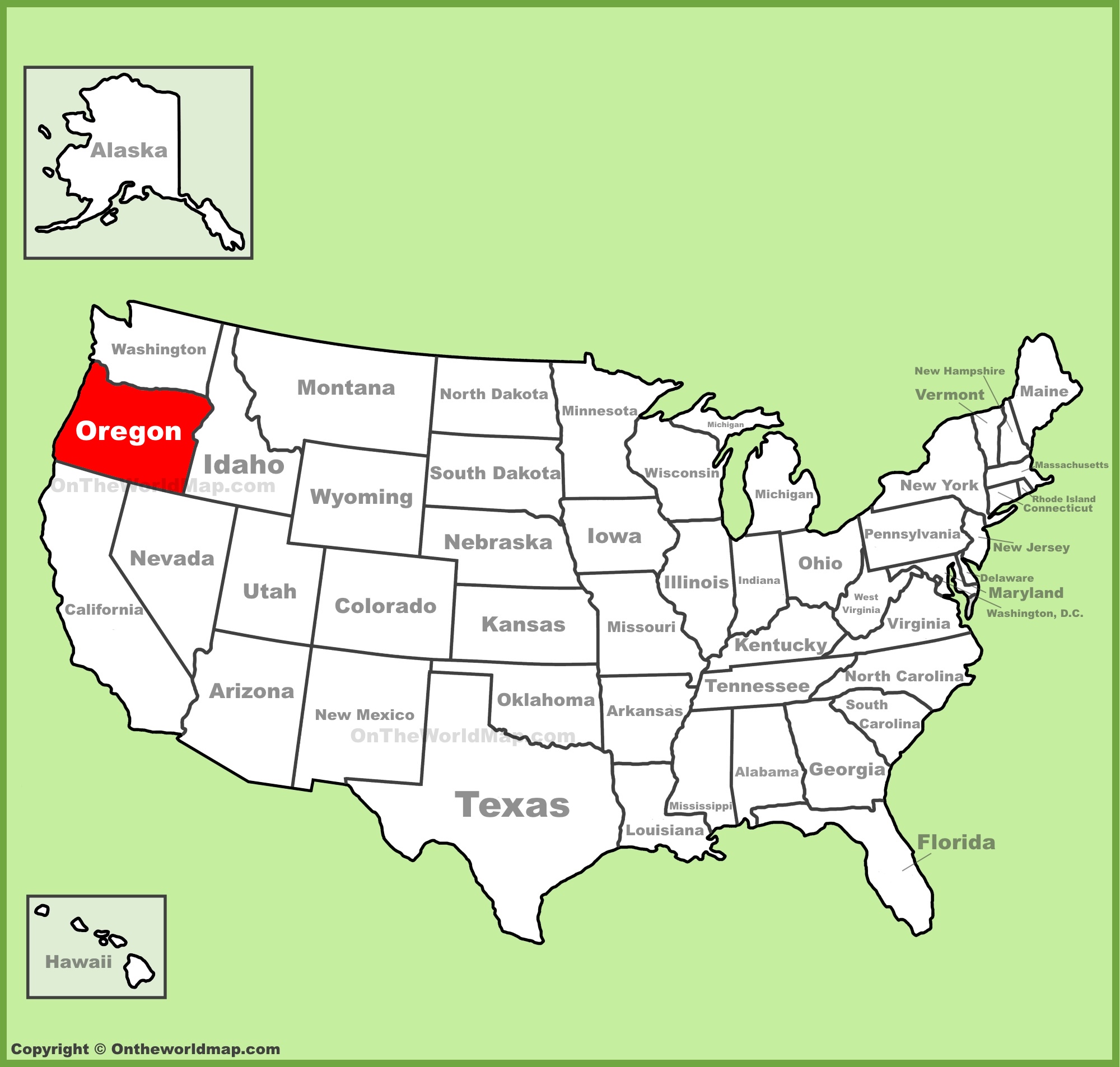
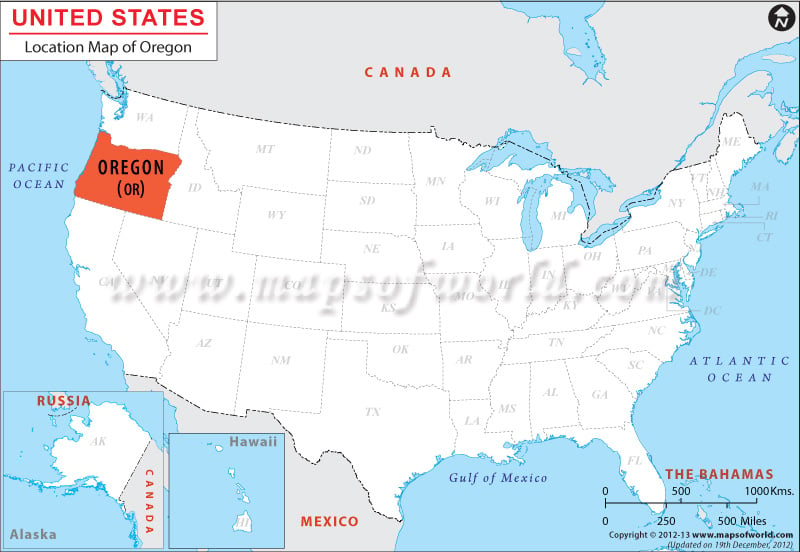
Oregon is situated on the West Coast of the United States, bordering the Pacific Ocean to its west. Its location places it within the Pacific Northwest region, a geographical and cultural area that also encompasses the state of Washington to the north, Idaho to the east, Nevada to the southeast, and California to the south. The majestic Columbia River forms a significant portion of its northern border with Washington. This strategic position grants Oregon access to both maritime trade routes and vast inland territories, shaping its history and economic development.

Neighboring States and Their Influence
The states bordering Oregon each contribute to its distinct character and offer complementary travel experiences.
- Washington: To the north, Washington shares the iconic Columbia River and a similar lush, green aesthetic in its western regions. Travelers often combine visits to Portland in Oregon with exploration of Seattle in Washington, experiencing the vibrant urban centers and the natural beauty of the Cascade Mountains.
- Idaho: To the east, Idaho presents a stark contrast with its rugged mountains, expansive wilderness, and a burgeoning craft beer and outdoor adventure scene. The shared eastern border invites exploration of different climates and terrains, from Oregon’s high desert regions to Idaho’s pristine wilderness areas.
- Nevada: The southeastern border with Nevada introduces a more arid landscape, characterized by vast deserts and unique geological formations. This region of Oregon, including areas like the Owyhee Canyonlands, shares a natural affinity with the adjacent Nevada desert environments, appealing to those seeking solitude and stark natural beauty.
- California: To the south, California offers a diverse range of attractions, from the sunny beaches of its northern coast to the redwood forests and renowned wine regions. The southern Oregon border is influenced by California’s agricultural heartland and its proximity to national parks, creating a fluid transition for travelers.
The Pacific Coastline
Oregon’s western edge is defined by an approximately 363-mile-long coastline along the Pacific Ocean. This dramatic stretch of coast is characterized by rugged cliffs, sandy beaches, sea stacks, and charming seaside towns. It is a significant draw for tourists, offering opportunities for hiking, whale watching, agate hunting, and enjoying fresh seafood. The accessibility and public ownership of much of the coastline make it a unique and cherished natural resource for both residents and visitors.
Key Cities and Regions for Exploration
Within its geographical confines, Oregon is home to a variety of distinct cities and regions, each offering unique travel experiences. Understanding where these are located relative to the state’s borders and its interior helps in planning a comprehensive visit.
The Willamette Valley: Oregon’s Heartland
The Willamette Valley is a fertile crescent stretching from Portland in the north to Eugene in the south. This region is the economic and cultural hub of Oregon, renowned for its agricultural productivity, particularly its world-class wineries, craft breweries, and berry farms.
- Portland: As the state’s largest city, Portland is a vibrant metropolis celebrated for its progressive culture, innovative culinary scene, and abundant green spaces. It serves as a primary gateway for many travelers entering the state and offers a wealth of urban attractions, from the International Rose Test Garden to the bustling Powell’s City of Books.
- Salem: The state capital, Salem, is situated in the heart of the Willamette Valley and offers a glimpse into Oregon’s governmental and historical aspects, alongside its agricultural roots.
- Eugene: Home to the University of Oregon, Eugene is known for its outdoor-oriented lifestyle, thriving arts scene, and its commitment to sustainability. It’s a gateway to hiking trails and natural beauty in the nearby Cascade foothills.
The Oregon Coast: A Dramatic Seascape
The Oregon Coast is a ribbon of diverse coastal landscapes, stretching from the border with Washington in the north to the border with California in the south. Each section of the coast offers a slightly different character and appeal.
- North Coast: This area, including towns like Astoria and Cannon Beach, is characterized by dramatic sea stacks like Haystack Rock, historic lighthouses, and the mouth of the mighty Columbia River.
- Central Coast: Featuring charming fishing villages and popular beaches, the central coast is home to cities like Newport with its renowned aquarium and Depoe Bay, known as the whale-watching capital of Oregon.
- South Coast: Further south, the coastline becomes more rugged and remote, offering opportunities for exploring sea caves, tide pools, and dramatic viewpoints. Towns such as Bandon and Gold Beach are popular stops.
The Cascade Mountains: A Volcanic Spine
The Cascade Mountain Range forms a dramatic natural barrier running north-south through the state, separating the wetter, greener western part of Oregon from the drier, more arid eastern regions. This range is a playground for outdoor enthusiasts.
- Mount Hood: Oregon’s highest peak, Mount Hood, is an iconic stratovolcano and a year-round destination for skiing, snowboarding, hiking, and enjoying breathtaking alpine scenery. The historic Timberline Lodge is a landmark attraction.
- Crater Lake National Park: Located in the southern Cascades, Crater Lake National Park is home to the deepest lake in the U.S., formed within the caldera of the collapsed Mount Mazama. Its stunning sapphire blue waters attract visitors from around the globe.
- Willamette National Forest: This vast forest encompasses a significant portion of the central and northern Cascades, offering numerous hiking trails, camping opportunities, and access to alpine lakes and wilderness areas.
Eastern Oregon: High Desert and Rugged Landscapes
East of the Cascades, Oregon transforms into a landscape of high desert plains, volcanic plateaus, and rugged mountain ranges. This region offers a sense of vastness and solitude.
- Bend: A rapidly growing city, Bend is a premier destination for outdoor recreation, known for its proximity to Mount Bachelor for skiing, world-class mountain biking trails, and the High Desert Museum.
- John Day Fossil Beds National Monument: This area preserves a rich geological history, showcasing millions of years of fossil records within its colorful badlands and exposed rock formations.
- Wallowa Mountains: Often referred to as the “Swiss Alps of Oregon,” the Wallowa Mountains in northeastern Oregon offer stunning alpine scenery, pristine lakes, and extensive backcountry hiking and backpacking opportunities.
Travel Opportunities and Why Oregon’s Location Matters
Oregon’s location in the U.S. is instrumental in defining the types of travel experiences available. Its position on the Pacific coast provides a gateway to maritime exploration and a buffer to the west, while its proximity to California and Washington facilitates easy overland travel and cultural exchange. The varied topography, dictated by its position relative to the Pacific Ocean and the Cascade Mountains, creates distinct ecological zones and a rich tapestry of natural beauty.
Experiencing the Pacific Northwest
As part of the Pacific Northwest, Oregon offers the quintessential elements of the region: lush forests, a dramatic coastline, a thriving coffee culture, and a deep appreciation for the outdoors. Visitors can easily plan trips that encompass the natural wonders and urban delights of both Oregon and its neighboring states, making it an ideal starting point for a broader West Coast adventure.
Gateway to Nature and Adventure
Whether you’re drawn to the crashing waves of the Pacific Ocean, the towering peaks of the Cascades, the stark beauty of the high desert, or the fertile valleys dotted with vineyards, Oregon’s location provides unparalleled access to a diverse range of natural attractions. The state’s commitment to preserving its natural resources ensures that these landscapes remain pristine and accessible for generations of travelers to come. From exploring the trails in Silver Falls State Park to stargazing in the remote eastern deserts, Oregon offers an adventure for every type of explorer, all within its well-defined geographic boundaries.
LifeOutOfTheBox is a participant in the Amazon Services LLC Associates Program, an affiliate advertising program designed to provide a means for sites to earn advertising fees by advertising and linking to Amazon.com. Amazon, the Amazon logo, AmazonSupply, and the AmazonSupply logo are trademarks of Amazon.com, Inc. or its affiliates. As an Amazon Associate we earn affiliate commissions from qualifying purchases.