
The summer of 2020 brought devastating wildfires to the state of Oregon, painting a stark and concerning picture across its diverse landscapes. Residents and visitors alike grappled with the sudden and widespread impact of these infernos, prompting urgent questions about their locations, causes, and the ongoing efforts to combat them. Understanding where these fires raged is crucial not only for assessing the immediate damage and recovery needs but also for informing future preparedness and travel decisions within the Beaver State.
The wildfires that swept through Oregon were not isolated incidents confined to a single area. Instead, they ignited and spread across various regions, impacting critical ecosystems, communities, and the state’s vital tourism industry. From the lush forests of the Willamette Valley to the drier, more rugged terrain of Southern Oregon, the flames left their mark. This article delves into the geographical spread of these fires, the contributing factors, and how they affected the very places that draw travelers and residents to Oregon year after year.

The Epicenter of the Inferno: Mapping the Wildfires
The year 2020 stands out as particularly challenging for Oregon due to the intensity and geographical reach of its wildfire season. Several major fire complexes emerged, each with its own devastating trajectory and impact. Pinpointing the exact locations reveals a pattern of vulnerability across the state’s natural beauty and populated areas.
The Labor Day Fires: A Cataclysmic Spark
A series of catastrophic wildfires, often referred to as the Labor Day Fires, ignited on September 7, 2020, across multiple counties in Oregon. These fires were exacerbated by a rare confluence of dry conditions, high winds, and a significant amount of dead, dry vegetation, which acted as perfect fuel. The result was an unprecedented level of destruction in a short period.
-
The Beachie Creek Fire: This blaze was particularly devastating, burning through Santiam Canyon and impacting communities like Detroit and Mill City. It surged westward with alarming speed, fueled by powerful easterly winds, destroying hundreds of homes and businesses. The fire’s path cut through prime recreational areas and agricultural lands, fundamentally altering the landscape. The Willamette National Forest, a popular destination for hikers and campers, bore significant damage.
-
The Riverside Fire: Located in Clackamas County, the Riverside Fire also caused widespread destruction, threatening communities closer to the Portland metropolitan area. It burned through areas known for their scenic beauty and outdoor recreation, including parts of the Mount Hood National Forest. Evacuations were extensive, and the fire’s proximity to a major urban center highlighted the growing risk of wildfires in previously considered less vulnerable regions.
-
The Holiday Farm Fire: This fire, burning in Lane County, devastated areas along the McKenzie River. The McKenzie River Valley is a beloved destination for its pristine natural beauty, outdoor activities, and charming small towns. The Holiday Farm Fire destroyed homes, lodges, and critical infrastructure, leaving a lasting scar on this popular tourist corridor. The fire’s intensity made firefighting efforts incredibly challenging, with flames consuming vast tracts of forestland.
-
The Archie Creek Fire: Further south, in Douglas County, the Archie Creek Fire raged through the Umpqua National Forest. This area is renowned for its towering trees, pristine rivers, and abundant wildlife. The fire’s extensive burn area significantly impacted the natural habitat and posed a threat to the region’s economic reliance on timber and recreation.
Other Significant Fires Across the State
While the Labor Day Fires captured headlines due to their ferocity and proximity to populated areas, other significant fires occurred across Oregon during the 2020 season and in subsequent years, underscoring the persistent threat of wildfires.
-
The South Obenchain Fire: This fire impacted areas near Medford in Jackson County, threatening communities and important natural resources in Southern Oregon. The region is known for its vineyards and outdoor recreation, and the fire posed a direct threat to these assets.
-
The Oregon Gulch Fire: Located in Idaho but impacting areas bordering Oregon, this fire demonstrated the transboundary nature of wildfire threats. Fires do not respect state lines, and conditions in neighboring states can directly influence Oregon’s wildfire situation.
These locations represent some of the most heavily impacted areas, but numerous smaller fires also occurred throughout the state, contributing to an overall challenging fire season. The sheer scale of the 2020 fires led to a significant portion of the state experiencing unhealthy air quality for extended periods, affecting daily life for millions.
Factors Fueling the Flames: Understanding the Causes
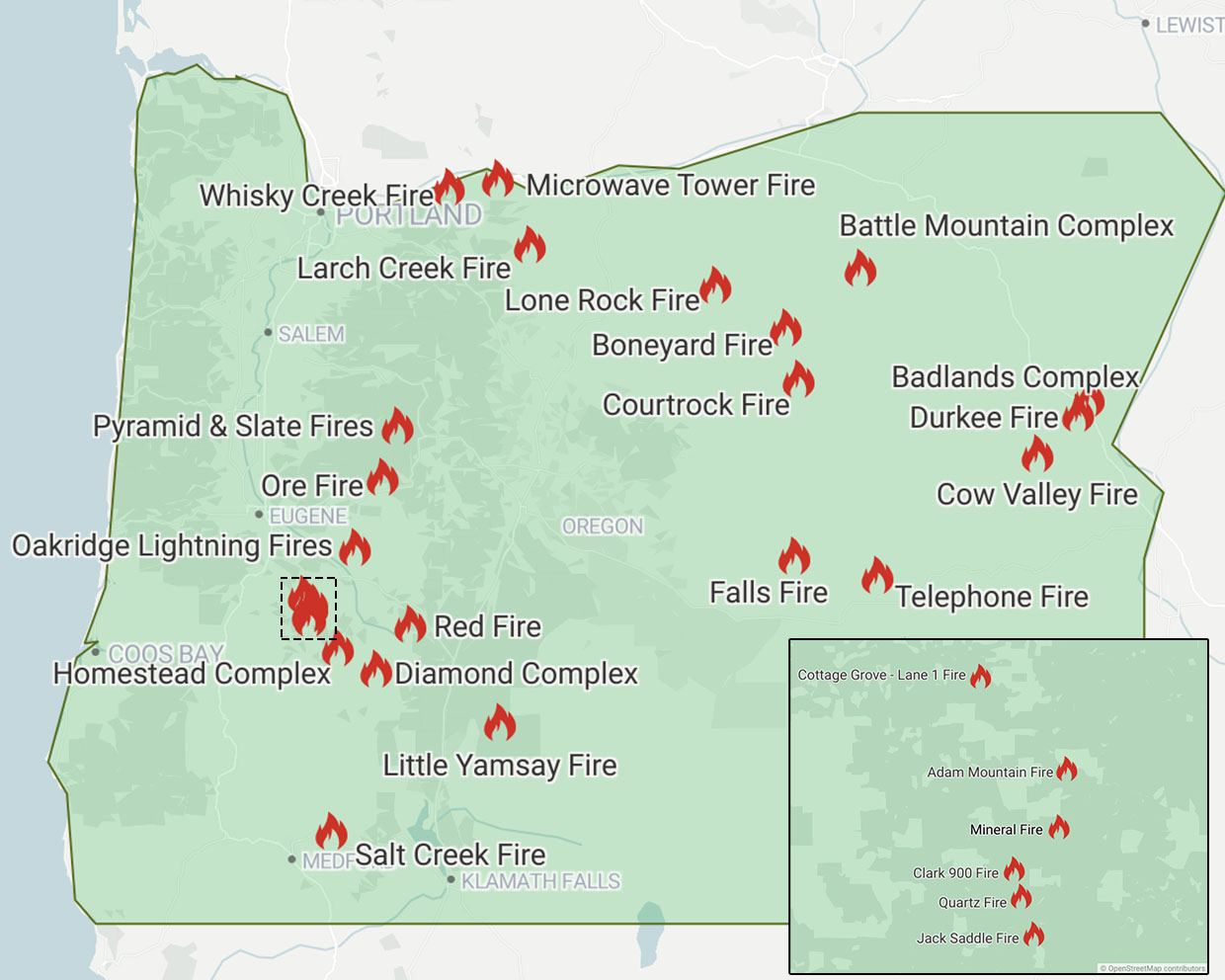
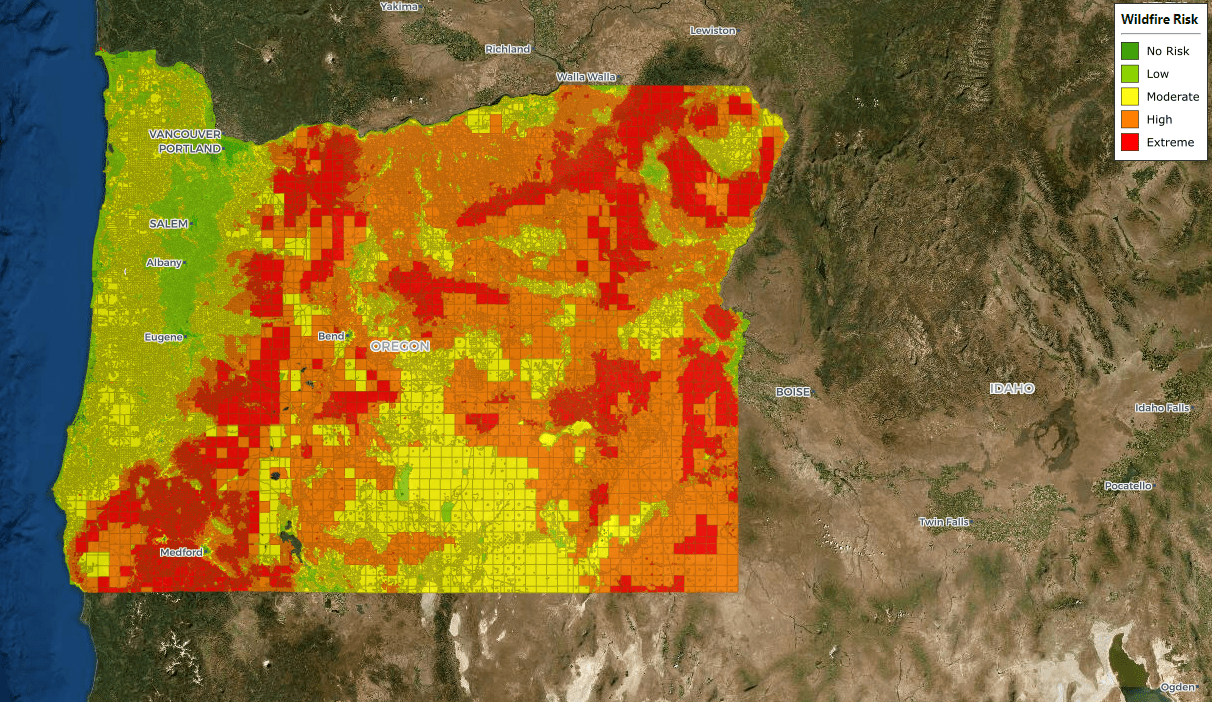
The intense wildfires that swept across Oregon were not solely a product of natural phenomena. A complex interplay of environmental factors, climate trends, and human activity contributed to the unprecedented scale of destruction. Understanding these causes is vital for developing effective mitigation and prevention strategies.
Climate Change and Environmental Conditions
The long-term trend of a warming climate has created conditions ripe for more frequent and intense wildfires. Oregon, like much of the western United States, has experienced:
- Increased Temperatures: Higher average temperatures lead to drier vegetation, making it more susceptible to ignition and allowing fires to spread rapidly.
- Prolonged Droughts: Extended periods of low rainfall deplete moisture from soils and vegetation, creating tinderbox conditions. The dry years leading up to 2020, coupled with a lack of winter snowpack in some years, left Oregon’s forests critically dry.
- Earlier Snowmelt: Warmer springs cause snowpack to melt earlier, extending the dry season and increasing the period during which wildfires can ignite.
- Increased Fuel Load: Decades of fire suppression policies have led to an accumulation of dead trees, underbrush, and other organic material in forests. This excessive fuel acts like a ladder, allowing fires to climb into the tree canopy and burn with greater intensity.
Human Activity and Ignition Sources
While natural causes like lightning strikes can ignite fires, human activity is a leading cause of wildfires in Oregon and across the nation. These ignitions can occur through:
- Campfires: Unattended or improperly extinguished campfires are a common source of ignition, particularly in recreational areas.
- Equipment Use: Sparks from machinery, vehicles, or power tools can easily ignite dry vegetation.
- Arson: In some tragic cases, fires are intentionally set, posing a significant challenge for law enforcement and fire prevention efforts.
- Power Lines: Downed power lines or faulty equipment can also spark fires, especially during high winds. The Labor Day Fires were suspected to have multiple ignition points, with some investigations pointing towards potential electrical causes or human negligence.
The combination of a parched landscape and multiple ignition sources, often occurring simultaneously due to weather patterns, created a perfect storm for the widespread fires witnessed in Oregon.
Impact and Recovery: Rebuilding and Resiliency
The wildfires that devastated Oregon in 2020 and continue to be a threat have had profound and lasting impacts on the state’s environment, economy, and its people. The recovery process is long, complex, and requires a multifaceted approach involving government agencies, local communities, and non-profit organizations.
Environmental and Ecological Ramifications
The most immediate impact of the fires was the destruction of vast tracts of forest and natural habitat. This loss has several ecological consequences:
- Loss of Biodiversity: Wildlife habitats are destroyed, leading to displacement and potential loss of animal populations. Species that rely on specific forest types for survival are particularly vulnerable.
- Soil Erosion and Water Quality: Burned areas are more susceptible to erosion, leading to sediment runoff into rivers and streams. This can impact water quality for both human consumption and aquatic ecosystems. The McKenzie River and its tributaries, for instance, faced significant challenges in the aftermath of the Holiday Farm Fire.
- Forest Regeneration: While forests are resilient and can regenerate over time, the intensity of some fires can alter the species composition and the speed of recovery. Invasive species can also take hold in disturbed areas.
- Air Quality: Smoke from wildfires can travel hundreds of miles, significantly degrading air quality and posing health risks to millions. This impact was acutely felt across Oregon, from Ashland to Portland, for extended periods.
Economic and Social Repercussions
The wildfires have had a significant economic and social impact on Oregon’s communities:
- Tourism and Recreation: Oregon’s natural beauty is a cornerstone of its tourism industry. Areas impacted by wildfires, such as the Oregon Coast Range or popular hiking trails in the Cascades, see a decline in visitors due to closures, damage, and a less appealing landscape. Hotels, resorts, and local businesses reliant on tourism suffer economic losses. The closure of roads and trails in areas like Santiam Canyon directly affected outdoor enthusiasts and their spending.
- Housing and Infrastructure: Hundreds of homes and essential infrastructure, including roads, bridges, and power lines, were destroyed. The cost of rebuilding is immense, and many communities faced long-term displacement of residents.
- Forestry and Agriculture: While the forestry industry faces losses from burned timber, the long-term impact on forest regeneration and sustainable harvesting practices is a significant consideration. Agricultural lands were also affected, with crops and equipment destroyed.
- Mental Health and Community Well-being: The trauma of losing homes, businesses, and familiar landscapes can have profound mental health consequences for residents. Community cohesion is tested as people deal with loss and the challenges of recovery.
The recovery process involves not only immediate firefighting and relief efforts but also long-term strategies for reforestation, habitat restoration, rebuilding infrastructure, and supporting affected communities. Oregon’s resilience is being tested, but the spirit of its people and the collaborative efforts underway offer hope for the future. The lessons learned from these devastating events will undoubtedly shape how the state prepares for and responds to wildfires in the years to come, ensuring that its natural beauty and communities can endure these challenges.
LifeOutOfTheBox is a participant in the Amazon Services LLC Associates Program, an affiliate advertising program designed to provide a means for sites to earn advertising fees by advertising and linking to Amazon.com. Amazon, the Amazon logo, AmazonSupply, and the AmazonSupply logo are trademarks of Amazon.com, Inc. or its affiliates. As an Amazon Associate we earn affiliate commissions from qualifying purchases.