
Oroville, California, a city steeped in history and surrounded by breathtaking natural beauty, serves as a pivotal gateway to the Sierra Nevada foothills. For those seeking to explore the diverse landscapes and rich heritage of Northern California, understanding Oroville’s precise location and its unique offerings is the first step toward an unforgettable travel experience. Situated at the crossroads of scenic drives and outdoor adventures, Oroville presents itself as an ideal destination for history buffs, nature enthusiasts, and anyone looking to escape into the tranquility of California’s less-traveled paths.
Locating Oroville: The Gateway to the Sierra Nevada Foothills
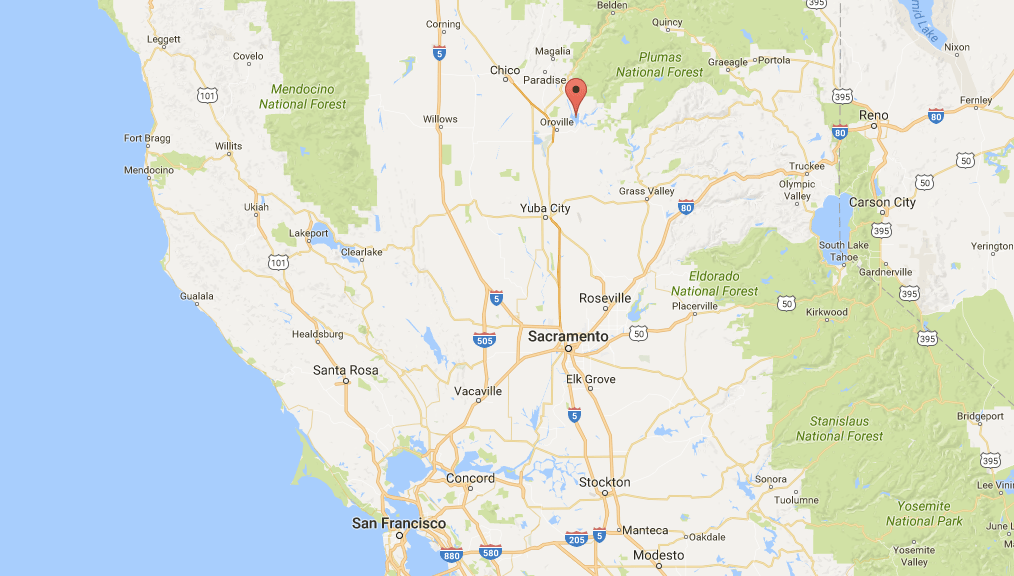
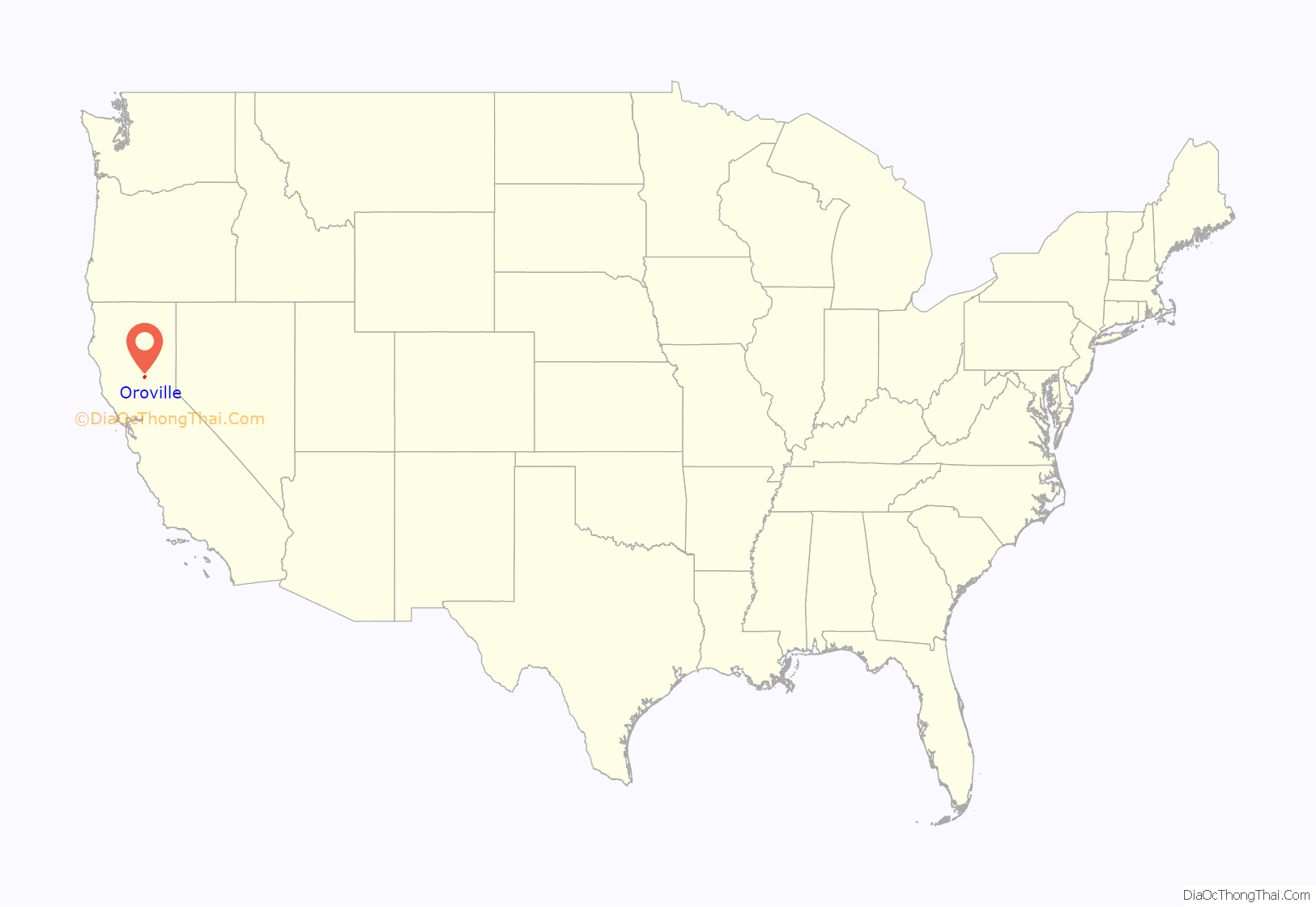
Oroville is strategically positioned in the northern part of California, specifically within Butte County. Its geographical coordinates place it at approximately 39.5136° N latitude and 121.5569° W longitude. This location positions it at the northern end of the vast Sacramento Valley and, more importantly, directly at the foot of the picturesque Sierra Nevada mountain range. This unique placement means visitors to Oroville have immediate access to both the fertile plains and the rugged, forested slopes of the mountains, offering a diverse array of activities and scenic vistas.

Geographical Coordinates and Surrounding Regions
The city itself is nestled along the banks of the Feather River, a vital waterway that has shaped the region’s history and ecology. To its west lie the expansive agricultural lands of the Sacramento Valley, while to the east, the terrain quickly rises into the foothills, marking the beginning of the Sierra Nevada. This transitional zone is characterized by oak woodlands, chaparral, and towering pines, providing a habitat for diverse wildlife and endless opportunities for outdoor exploration. The proximity to the river and the foothills gives Oroville a distinct microclimate, often milder than the deeper valley in winter and offering refreshing breezes from the mountains in summer. The vast Lake Oroville, formed by the iconic Oroville Dam, dominates the eastern landscape, serving as a major recreational hub and a defining feature of the area.
Proximity to Major Cities
Despite its tranquil, nature-focused atmosphere, Oroville is surprisingly accessible from several major urban centers. It is approximately 65 miles north of Sacramento, the state capital, making it a convenient day trip or weekend getaway for residents of the Sacramento River Delta region. For those traveling from the San Francisco Bay Area, Oroville is about 150 miles northeast of San Francisco, a drive that typically takes around 2.5 to 3 hours, depending on traffic. To the east, across the Sierra Nevada, Reno, Nevada, is roughly 100 miles away, offering another avenue for travelers combining their trip with a visit to the high desert and gaming capital. This strategic location ensures that Oroville remains within reach for a broad spectrum of travelers, from local California residents to those venturing from neighboring states.
Accessibility and Transportation
Reaching Oroville is straightforward, primarily by road. The city is well-served by major state highways, making it an easy drive from various points across California. Highway 70 runs directly through Oroville, connecting it to other key towns and cities in Butte County and beyond. Just a short distance to the west, Highway 99 provides a primary north-south artery through the Sacramento Valley, offering additional access points. For those preferring air travel, the closest major airport is Sacramento International Airport (SMF), about an hour’s drive south. Regional airports in nearby Chico also offer limited commercial services, providing another option for travelers. The scenic drives leading to Oroville are part of the experience, with routes winding through orchards, farmlands, and into the emerging foothills, setting the stage for the adventure ahead.
Discovering Oroville’s Unique Appeal as a Destination
Once located, Oroville reveals itself as a destination rich in both recreational opportunities and historical depth. Its landscape is dominated by engineering marvels and natural wonders, while its downtown core preserves tales of the Gold Rush era and diverse cultural influences.
The Jewel of the Lake: Oroville Dam and Lake Oroville
Undoubtedly, the crown jewel of Oroville’s attractions is the mighty Oroville Dam and the expansive Lake Oroville it creates. Oroville Dam stands as the tallest earth-filled dam in the United States, an impressive feat of engineering that generates hydroelectric power and provides water supply and flood control for much of California. Beyond its utilitarian purpose, the dam and its surrounding Oroville State Recreation Area offer a vast playground for outdoor enthusiasts. Lake Oroville boasts more than 167 miles of shoreline when full, inviting visitors to engage in a plethora of water-based activities. Boating is particularly popular, with several marinas such as Bidwell Canyon Marina and Lime Saddle Marina providing boat rentals and launch facilities. Fishing, kayaking, and paddleboarding are also favorite pastimes on the lake’s clear waters. Around the lake, a network of trails caters to hikers, mountain bikers, and equestrians, offering stunning views of the water, the dam, and the surrounding Sierra Nevada foothills. Camping options abound, from developed campgrounds like Loafer Creek Campground to more primitive sites, allowing visitors to fully immerse themselves in the natural environment.
Rich History and Cultural Footprint
Oroville’s history dates back to the Gold Rush era, when it served as a bustling mining town and a critical supply hub for prospectors heading into the Mother Lode region. This vibrant past is preserved in various historical sites and museums throughout the city. The Chinese Temple is a striking example of Oroville’s diverse heritage, a beautifully preserved complex of temples, gardens, and a community hall dating back to 1863, honoring the significant contributions of Chinese immigrants during the Gold Rush and beyond. Another unique attraction is the Bolt’s Antique Tool Museum, home to one of the largest collections of antique hand tools in the nation, offering a fascinating glimpse into craftsmanship and industrial history. The Pioneer Museum further delves into the region’s past, showcasing artifacts and exhibits related to early settlers, mining, and the development of Oroville and Butte County. Walking tours of downtown Oroville reveal architectural gems and stories from a bygone era, providing a tangible connection to its storied past.
Natural Beauty and Outdoor Pursuits
Beyond Lake Oroville, the region’s natural beauty extends to other pristine areas. The Feather River itself is a draw for fishing, particularly during salmon and steelhead runs, and offers serene spots for picnicking and birdwatching. The Forebay Aquatic Center, located on the smaller Oroville Wildlife Area, provides a safer, calmer environment for paddle sports and swimming, especially for families. Parks throughout the city, such as Riverbend Park, offer playgrounds, sports fields, and access to the river’s edge. The rolling hills surrounding Oroville also hide numerous trails and scenic viewpoints, perfect for photography and quiet contemplation. For those seeking unique geological formations, the majestic Sutter Buttes, often called the “world’s smallest mountain range,” are visible from many vantage points around Oroville, offering a distinct visual landmark.
Planning Your Trip to Oroville: Beyond the Map
To fully appreciate what Oroville has to offer, a well-planned itinerary is essential. Considering the seasonality, available accommodations, and local dining can significantly enhance the travel experience.
Best Time to Visit
Oroville experiences distinct seasons, each offering different advantages for visitors. Spring (March to May) is arguably the most beautiful time, when the hills are verdant, wildflowers carpet areas like North Table Mountain Ecological Reserve, and temperatures are pleasantly mild for hiking and outdoor activities. Summer (June to August) brings warm to hot temperatures, making it ideal for water sports on Lake Oroville and swimming. Fall (September to November) offers cooler weather, vibrant autumn foliage, especially along the Feather River Canyon and surrounding hills, and excellent conditions for fishing and hiking. Winter (December to February) is generally mild with occasional rain, and while water activities are less popular, it’s a good time for quiet exploration of historical sites and enjoying the cooler air for a brisk walk around the lake. Checking the weather forecast close to your travel dates is always advisable to pack appropriately.
Accommodation Options
As a popular tourist destination, Oroville provides a range of accommodation options to suit various preferences and budgets. Travelers can choose from several well-known hotel chains offering comfortable stays with standard amenities. For those seeking a more personal touch, local motels and independent inns provide a charming alternative. Nature lovers and outdoor adventurers will find ample opportunities for camping, particularly within the Oroville State Recreation Area and surrounding public lands, offering sites ranging from developed campgrounds with hookups to more rustic, primitive spots for a true wilderness experience. Vacation rentals, including cabins and houses, are also available, offering more space and home-like comforts for longer stays or family trips. It’s recommended to book accommodations in advance, especially during peak seasons or local events, to secure the best options.
Local Gastronomy
Oroville’s dining scene reflects its local character and diverse community. Visitors can find a variety of culinary experiences, from casual diners serving classic American comfort food to Mexican restaurants offering authentic flavors. Pizzerias, fast-food establishments, and a selection of Asian eateries also dot the city. Being in the heart of agricultural California, many local restaurants pride themselves on utilizing fresh, seasonal ingredients from nearby farms. For those looking for a more relaxed experience, local cafes and bakeries provide perfect spots for a morning coffee or an afternoon treat. Exploring the local dining scene is an integral part of experiencing the community’s culture and flavors.
Exploring the Greater Oroville Area: Day Trips and Excursions
Oroville’s central location in Northern California makes it an excellent base for exploring a wider array of attractions through day trips.
Nearby Natural Wonders
Just a short drive from Oroville, the North Table Mountain Ecological Reserve transforms into a spectacular wildflower haven in spring, featuring dramatic waterfalls and unique basalt rock formations. It’s a prime spot for hiking and photography. Further afield, the Plumas National Forest offers vast expanses of wilderness for camping, fishing, and hiking, including the impressive Feather Falls Scenic Area, home to one of California’s tallest waterfalls. These areas provide a deeper immersion into the natural grandeur of the Sierra Nevada foothills and mountains, perfect for those seeking more rugged adventures.
Neighboring Towns and Attractions
A short drive north brings you to Chico, a vibrant university town known for its lively downtown, craft breweries, and the expansive Bidwell Park. Chico offers a different vibe with its eclectic shops, diverse dining options, and cultural events. To the southeast, nestled in the Sierra Nevada foothills, lie the historic Gold Rush towns of Grass Valley and Nevada City. These charming towns transport visitors back in time with their beautifully preserved Victorian architecture, quaint boutiques, and rich mining history. They are perfect for a scenic drive and a leisurely stroll, offering a glimpse into California’s foundational period. These excursions highlight Oroville’s position as a launchpad for exploring the diverse landscapes and cultural tapestry of Northern California.
LifeOutOfTheBox is a participant in the Amazon Services LLC Associates Program, an affiliate advertising program designed to provide a means for sites to earn advertising fees by advertising and linking to Amazon.com. Amazon, the Amazon logo, AmazonSupply, and the AmazonSupply logo are trademarks of Amazon.com, Inc. or its affiliates. As an Amazon Associate we earn affiliate commissions from qualifying purchases.