
Palo Duro Canyon, often lauded as the “Grand Canyon of Texas,” is a geological marvel that captivates visitors with its vastness, vibrant colors, and rich history. Situated in the heart of the Texas Panhandle, this immense canyon system is a testament to the relentless forces of erosion and a treasure trove of natural beauty and outdoor adventure. Understanding its location is the first step in planning an unforgettable journey to this spectacular destination.
Geographic Location and Accessibility
Palo Duro Canyon State Park is located in Randall County and Armstrong County in the Texas Panhandle, approximately 30 miles south of Amarillo, Texas. Its proximity to a major city like Amarillo makes it relatively accessible for travelers.
Reaching the Canyon
- By Air: The closest major airport is Rick Husband Amarillo International Airport (AMA) in Amarillo. From the airport, visitors can rent a car to drive to the canyon, which is about a 40-minute journey.
- By Road: The primary access to the canyon is via State Highway 217 (also known as Park Road 69), which is off US Highway 87. For those traveling from Amarillo, take US-87 South and then follow the signs for the park. The drive itself offers a gradual descent into the canyon landscape, providing a dramatic prelude to the full experience.
- Public Transportation: Public transportation options are limited in this region. Renting a car is highly recommended for the most flexible and convenient access to Palo Duro Canyon and the surrounding attractions.
Navigating Within the Canyon
Once inside Palo Duro Canyon State Park, a network of paved roads allows visitors to explore many of the canyon’s scenic overlooks and trailheads. The main scenic drive winds its way down into the canyon floor, offering breathtaking views at every turn. For those venturing onto the hiking and biking trails, a park map is essential for navigation.
The Geological and Historical Significance
The sheer scale and striking geological formations of Palo Duro Canyon are its defining characteristics. Its formation began millions of years ago, a slow and steady process of erosion by the Plow River (originally named the Prairie Dog Town Fork of the Red River) and its tributaries.
A Canvas of Time
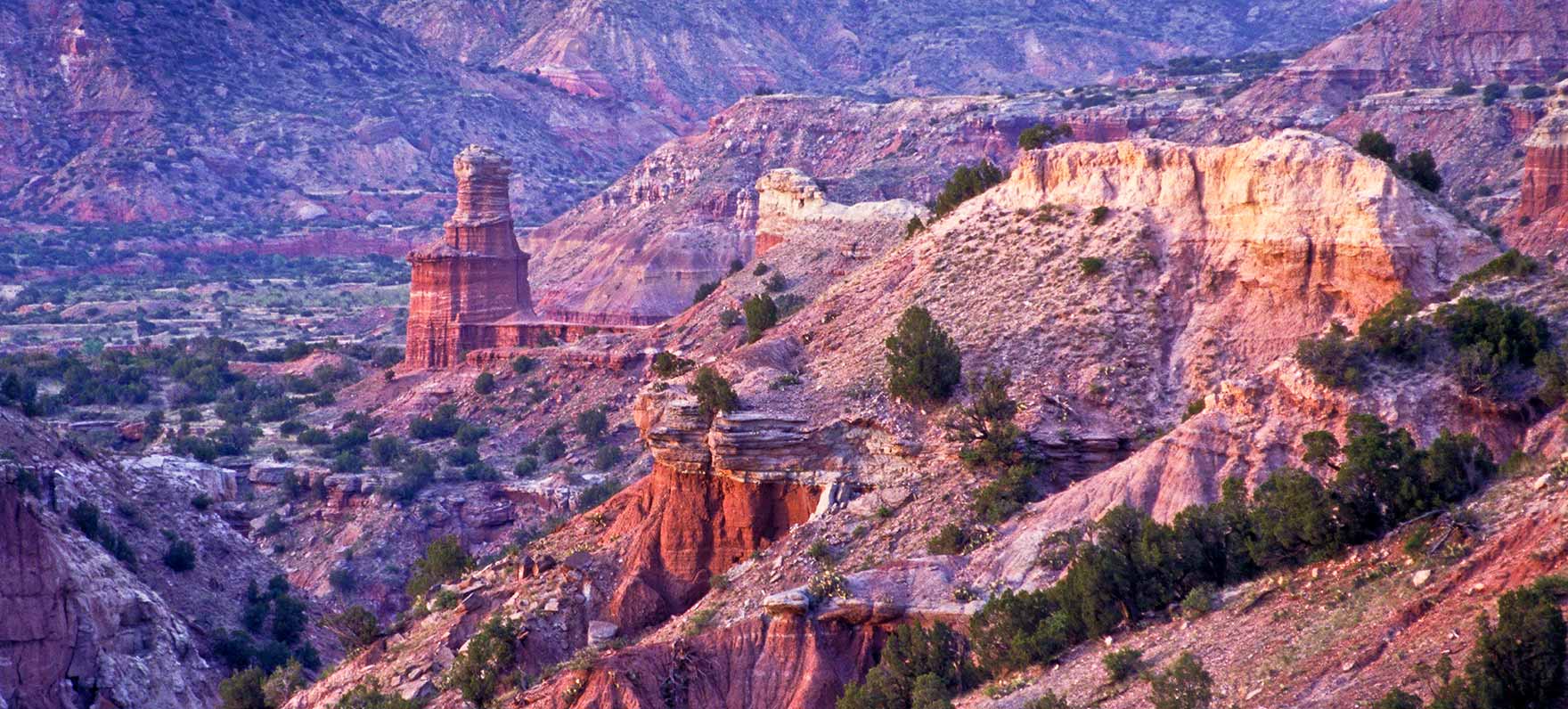
- Stratified Layers: The canyon walls display a remarkable array of colorful sedimentary rock layers, each representing a different geological epoch. These bands of ochre, red, yellow, and purple tell a story of ancient seas, deserts, and floodplains, providing a vivid timeline of Earth’s history. The most prominent layers include the Dakota Sandstone, the Kiowa Shale, and the Quartermaster Formation.
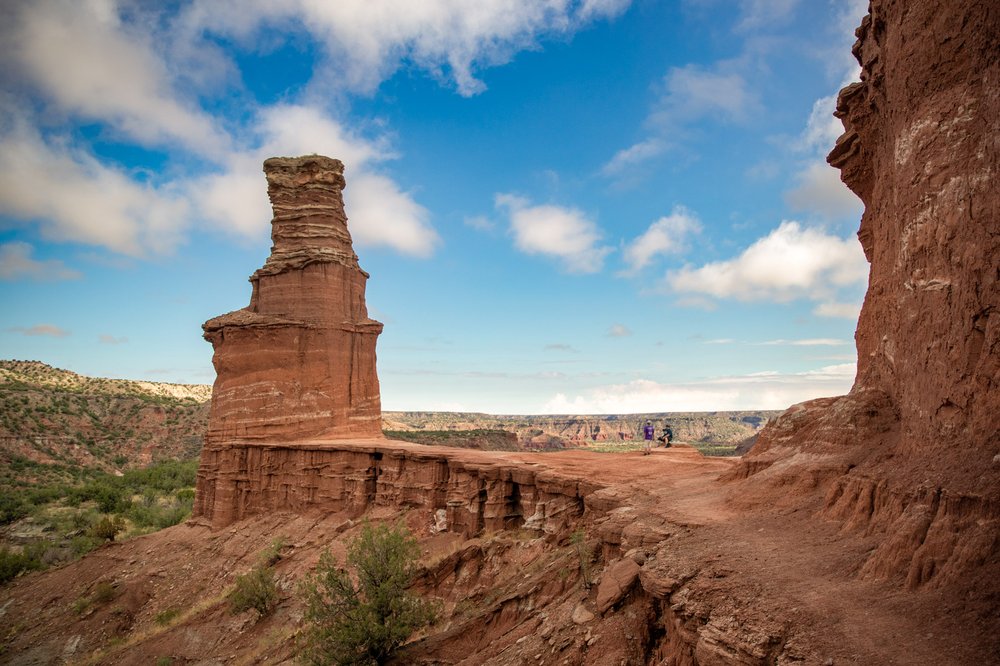
- Erosion’s Artistry: Over millions of years, wind and water have sculpted the rock into dramatic hoodoos, sheer cliffs, and intricate formations. These natural sculptures are a constant source of wonder and provide endless photographic opportunities.
A Cradle of Human History
Palo Duro Canyon has been inhabited for thousands of years. Archaeological evidence suggests that the earliest inhabitants were Paleo-Indians, who used the canyon for shelter and resources. Later, various Native American tribes, including the Comanche, Kiowa, and Cheyenne, utilized the canyon’s resources and considered it a sacred place.
- Key Historical Sites: Several archaeological sites within the park offer glimpses into the lives of these early peoples. The park also preserves evidence of later frontier life, including remnants of early ranches.
- The “Trading Post” Era: In the early 20th century, the Palo Duro Canyon Trading Post operated within the canyon, serving as a hub for visitors and a place to purchase souvenirs and supplies. Its ruins still exist today, a poignant reminder of a bygone era.
Exploring the Canyon’s Wonders
Palo Duro Canyon State Park is an outdoor enthusiast’s paradise, offering a diverse range of activities set against a stunning natural backdrop. Whether you’re seeking adventure, tranquility, or a deep connection with nature, the canyon delivers.
Hiking and Biking Trails

The park boasts over 30 miles of hiking and biking trails that cater to various skill levels, from easy strolls to challenging backcountry expeditions.
- Must-Do Trails:
- Lighthouse Trail: This iconic 5.7-mile roundtrip hike leads to the park’s most famous rock formation, the Lighthouse. The trail is moderately strenuous and offers spectacular views.
- Castle Peak Trail: A shorter, more accessible trail offering impressive panoramic vistas of the canyon.
- Givens, Spicer, and Capitol Loop: A more strenuous multi-day backpacking option for experienced hikers.
- Cycling Opportunities: Many of the park’s roads and designated trails are suitable for cycling, providing a different perspective on the canyon’s grandeur. Mountain biking is a popular activity on certain routes.
Scenic Drives and Overlooks
For those who prefer to experience the canyon’s beauty from the comfort of their vehicle, the scenic drive is an absolute must.
- Key Viewpoints: Numerous pull-offs and overlooks dot the main park road, each offering unique vantage points of the canyon’s vastness and intricate formations. Keep an eye out for the J.W. Welch Amphitheater overlook, Spanish Queen overlook, and Panorama Point.
- Sunrise and Sunset: The changing light during sunrise and sunset dramatically enhances the colors of the canyon walls, creating an unforgettable spectacle. Visiting the overlooks during these times is highly recommended.
Other Activities
Beyond hiking and scenic drives, Palo Duro Canyon offers a variety of other engaging activities.
- Equestrian Adventures: Horseback riding is a popular way to explore the canyon, with guided tours available. Trails are specifically designated for equestrian use, allowing for a safe and immersive experience.
- Stargazing: Far from the light pollution of major cities, the Texas Panhandle offers exceptional opportunities for stargazing. On clear nights, the sky above Palo Duro Canyon is a breathtaking display of stars.
- Picnicking and Camping: Numerous picnic areas are scattered throughout the park, providing lovely spots to enjoy a meal amidst the scenic beauty. The park also offers a range of camping options, from primitive campsites to RV hookups, allowing visitors to extend their stay and fully immerse themselves in the canyon’s tranquility.
- The Texas Outdoor Musical: During the summer months, the Texas Outdoor Musical is performed in the J.W. Welch Amphitheater at the bottom of the canyon. This popular show celebrates the history and spirit of the Texas Panhandle with song, dance, and dazzling special effects.
Planning Your Visit to Palo Duro Canyon
A well-planned visit to Palo Duro Canyon ensures you make the most of this extraordinary natural landmark. Considering the climate, amenities, and park regulations will enhance your experience.
Best Time to Visit
The spring (March-May) and fall (September-November) offer the most pleasant weather for exploring Palo Duro Canyon. Temperatures are moderate, making hiking and outdoor activities enjoyable.
- Summer (June-August): Summers in the Texas Panhandle can be extremely hot, with daytime temperatures often exceeding 100°F (38°C). While still visitable, strenuous outdoor activities should be planned for early mornings or late evenings.
- Winter (December-February): Winters are generally mild but can experience occasional cold snaps with freezing temperatures and even snow. The stark beauty of the snow-dusted canyon is a unique sight, but visitors should be prepared for colder weather.
Accommodations and Amenities
While camping is available within the park, many visitors choose to stay in nearby Amarillo or Canyon, Texas, which offer a wider range of hotels and dining options.
- Inside the Park: Palo Duro Canyon State Park offers campgrounds with varying levels of amenities, from primitive sites to those with electrical and water hookups. There are also a limited number of cabins available for rent, providing a more comfortable stay. Reservations are highly recommended, especially during peak season.
- Nearby Towns:
- Canyon, Texas: Located just north of the park, Canyon offers a charming small-town atmosphere with several lodging options and local eateries.
- Amarillo, Texas: A larger city with a broad selection of hotels, from budget-friendly motels to upscale accommodations. Amarillo also boasts a diverse culinary scene and additional attractions.
Park Information and Regulations
- Entrance Fees: A fee is required to enter Palo Duro Canyon State Park. Annual passes are also available for frequent visitors.
- Reservations: It is strongly advised to make reservations for camping, cabins, and even day-use entry during busy periods to guarantee access.
- Safety: Always carry plenty of water, wear appropriate footwear, and inform someone of your hiking plans. Be aware of wildlife, and never feed the animals. Check weather forecasts before your visit, as conditions can change rapidly.
- Leave No Trace: Visitors are encouraged to practice Leave No Trace principles, packing out everything they pack in and respecting the natural environment.
Palo Duro Canyon, Texas, is more than just a geological formation; it is an experience. Its vastness, vibrant colors, and historical depth offer a profound connection to the natural world and the rich tapestry of the American West. Whether you’re drawn by the call of adventure or the pursuit of natural beauty, this Texas treasure promises a journey you won’t soon forget.
LifeOutOfTheBox is a participant in the Amazon Services LLC Associates Program, an affiliate advertising program designed to provide a means for sites to earn advertising fees by advertising and linking to Amazon.com. Amazon, the Amazon logo, AmazonSupply, and the AmazonSupply logo are trademarks of Amazon.com, Inc. or its affiliates. As an Amazon Associate we earn affiliate commissions from qualifying purchases.