
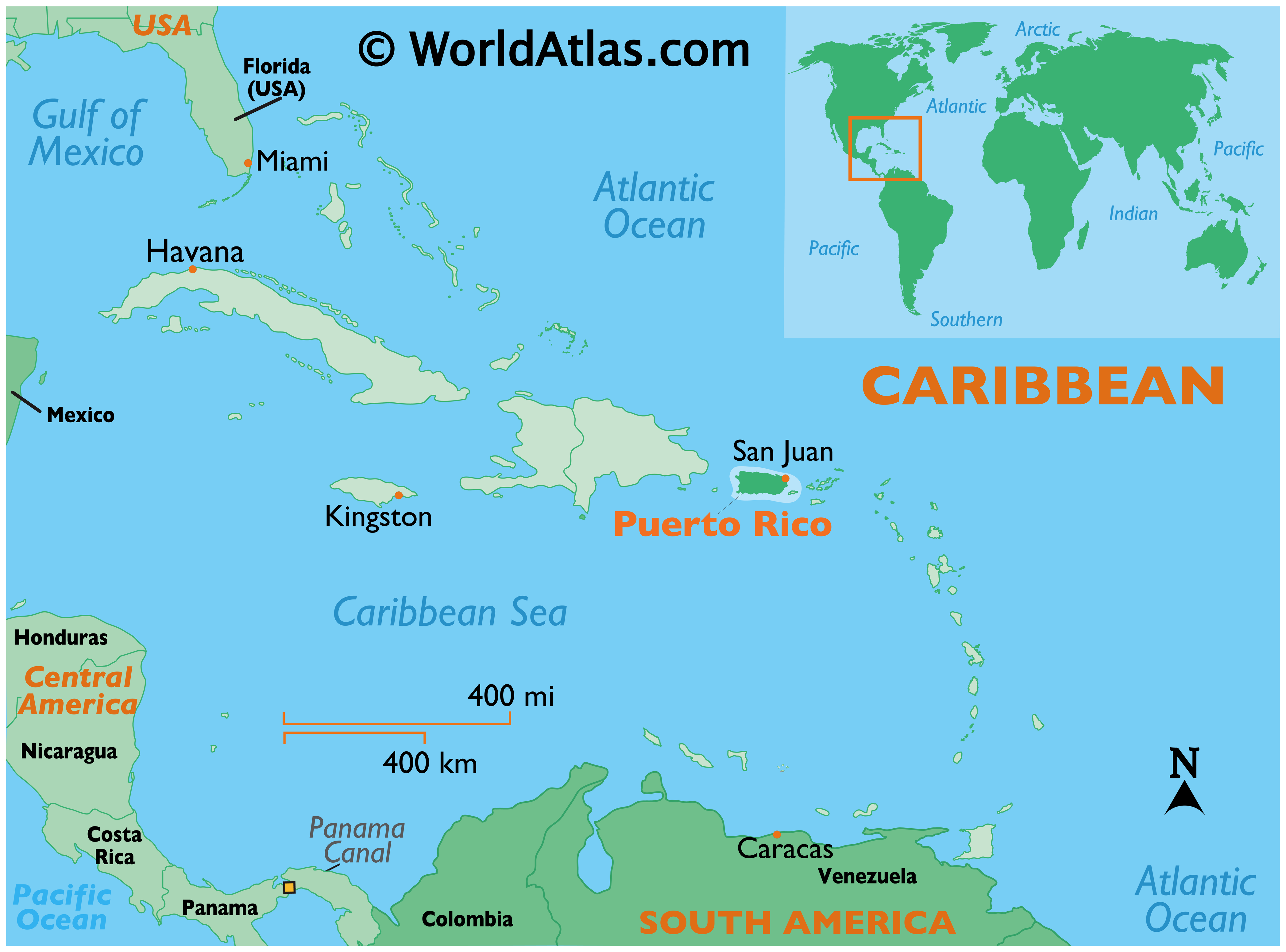
The question “Where is Puerto Rico on the map?” is often the first step in discovering a destination that truly embodies the spirit of travel, adventure, and cultural immersion. Nestled strategically in the northeastern Caribbean Sea, Puerto Rico is much more than a dot on the global atlas; it is a vibrant, self-governing unincorporated territory of the United States, offering a unique blend of American convenience and rich Caribbean charm. Its prime location makes it an exceptionally accessible and appealing choice for travelers seeking everything from pristine beaches and lush rainforests to historic cities and exhilarating nightlife.
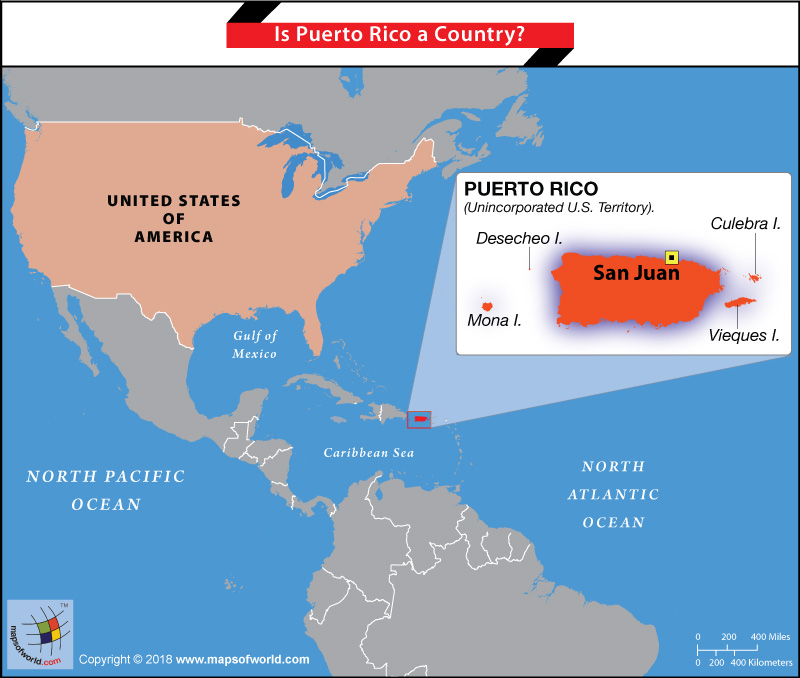
For anyone planning their next getaway, understanding Puerto Rico’s geographical context is essential to appreciating its diverse offerings. Situated east of the Dominican Republic and west of the Virgin Islands, this island paradise serves as a gateway to the broader Caribbean, yet it retains a distinct identity shaped by centuries of history and a vibrant fusion of Taíno, Spanish, and African influences. This article will guide you through Puerto Rico’s exact place on the map, delve into why its location is a major draw for tourism, and explore how to make the most of your visit, from finding the perfect accommodation to experiencing its unique lifestyle.
Unveiling Puerto Rico’s Strategic Location and Geography
Puerto Rico’s geographical coordinates place it around 18.2208° N latitude and 66.5901° W longitude, positioning it firmly within the tropical zone. This location is pivotal to its allure, blessing the island with a year-round warm climate and a stunning array of natural landscapes that are directly influenced by its insular setting. As the smallest of the Greater Antilles islands, it might seem modest in size, but it packs an astonishing amount of diversity into its roughly 3,500 square miles.
A Jewel in the Caribbean Archipelago
Puerto Rico is not just one island but an archipelago, comprising the main island and several smaller islands, including Vieques, Culebra, and Mona. These satellite islands offer their own unique attractions, from the famed Flamenco Beach on Culebra to the pristine wildlife reserves of Mona. The main island itself is characterized by a dramatic central mountain range, the Cordillera Central, which runs east to west, creating fertile valleys, rushing rivers, and breathtaking vistas. To the north, the landscape gently slopes down to sandy beaches, while the south boasts a drier climate and unique dry forests. This varied topography is a direct result of its location at the boundary of the Caribbean Plate and the North American Plate, a geological hotbed that has shaped its mountains and coastlines over millennia. The island’s proximity to the deep Puerto Rico Trench also adds to its geographical intrigue, marking one of the deepest points in the Atlantic Ocean.
Climate and Best Times to Visit
Thanks to its Caribbean location, Puerto Rico enjoys a tropical monsoon climate, characterized by consistently warm temperatures throughout the year, typically hovering between 75°F (24°C) and 85°F (29°C). The island experiences two main seasons: a dry season from December to May and a rainy season from June to November. The latter coincides with hurricane season, which requires travelers to be vigilant and plan accordingly, often with comprehensive travel insurance and flexible booking options. However, even during the rainy season, showers are often brief, followed by sunshine, allowing for plenty of outdoor activities. For those seeking the most idyllic conditions, the dry season, particularly from mid-December to April, is generally considered the best time to visit. During these months, the weather is cooler and drier, perfect for exploring Old San Juan, hiking in the El Yunque National Forest, or simply relaxing on the famous beaches of Luquillo or Isla Verde. This predictable tropical climate is a major factor in Puerto Rico’s consistent appeal as a travel destination.
Why Puerto Rico’s Location Makes It a Premier Destination
Puerto Rico’s position on the map is not just a geographical fact; it’s a significant advantage that profoundly impacts its appeal as a premier travel destination. Its status as a U.S. territory combined with its Caribbean locale creates a unique blend of familiarity and exoticism that attracts millions of visitors annually.
Accessibility and Travel Convenience for U.S. Citizens
One of the most compelling aspects of Puerto Rico’s location for U.S. citizens is the unparalleled ease of travel. Unlike international destinations that often require passports, currency exchange, and navigating complex customs, traveling to Puerto Rico feels much like visiting another state. No passport is required for U.S. citizens or permanent residents, and the official currency is the U.S. dollar, eliminating the hassle of exchange rates. English and Spanish are both official languages, making communication straightforward for most visitors. The island is highly accessible, with numerous direct flights from major U.S. cities landing at the primary gateway, Luis Muñoz Marín International Airport (SJU) in San Juan. This ease of access significantly reduces travel friction, allowing more time to enjoy the destination and making it an ideal choice for spontaneous getaways, family vacations, and business trips alike. The convenience extends to familiar amenities and services, from banking to telecommunications, further simplifying the travel experience.
A Tapestry of Culture, History, and Natural Wonders
Puerto Rico’s location has made it a crossroads of cultures and histories, resulting in a vibrant and unique identity. Its colonial past, beginning with Christopher Columbus’s arrival in 1493, left an indelible mark, most notably in the architecture and layout of Old San Juan, a designated UNESCO World Heritage site. Iconic landmarks like El Morro and San Cristóbal Fort stand as testaments to centuries of Spanish military engineering, offering visitors a profound journey back in time.
Beyond its historical significance, Puerto Rico’s location contributes to an extraordinary array of natural wonders. The island is home to the only tropical rainforest in the U.S. National Forest System, El Yunque National Forest, where lush trails lead to cascading waterfalls and panoramic views. The south coast of the island, particularly around La Parguera and Vieques, is famous for its mesmerizing bioluminescent bays, where microscopic organisms illuminate the water at night, creating a magical spectacle. These natural phenomena, combined with miles of stunning coastline offering diverse beaches—from the surfing haven of Rincón to the serene shores of Cabo Rojo—mean that Puerto Rico’s location provides a perfect backdrop for every type of traveler, whether they seek adventure, relaxation, or cultural enrichment.
Exploring Puerto Rico: Beyond the Map’s Pinpoint
Once you’ve pinpointed Puerto Rico on the map, the real adventure begins in exploring its diverse regions and experiencing its rich tapestry of attractions. The island is segmented into distinct areas, each offering a unique flavor and set of experiences, catering to every travel style and budget.
Diverse Attractions for Every Traveler
- San Juan and its Metropolitan Area: The capital city is often the starting point for most visitors and is a hub of activity. Old San Juan captivates with its colorful colonial architecture, cobblestone streets, and historic forts. Beyond the old city, districts like Condado and Isla Verde boast modern resorts, vibrant nightlife, and beautiful urban beaches. Here, you can indulge in fine dining, shop at designer boutiques, or try your luck at casinos.
- East Coast Adventure: Heading east from San Juan leads to the verdant slopes of El Yunque National Forest, a must-visit for nature lovers. Further east, the town of Fajardo is the jumping-off point for excursions to the outlying islands of Vieques and Culebra, home to some of the world’s most exquisite beaches and the breathtaking Mosquito Bay, one of the brightest bioluminescent bays.
- West Coast Surfing and Sunsets: The western side of the island, particularly around Rincón, is renowned for its world-class surfing waves, drawing enthusiasts from across the globe. It’s also famous for its spectacular sunsets and a laid-back, bohemian vibe. Towns like Aguadilla and Mayagüez offer a mix of beaches, local culture, and delicious seafood.
- South Coast History and Nature: The southern region, with Ponce as its cultural capital, provides a different perspective of Puerto Rico. Ponce is celebrated for its unique architectural style, particularly its neoclassical buildings and plazas. Further west, Guánica is home to a dry forest ecosystem, a stark contrast to El Yunque, offering unique hiking and birdwatching opportunities. The town of La Parguera also features a bioluminescent bay and a series of picturesque mangroves and small cays perfect for snorkeling.
- Central Mountains and Coffee Plantations: The interior of Puerto Rico, characterized by the Cordillera Central, offers a cooler climate and stunning mountainous landscapes. Towns like Adjuntas and Cayey are known for their coffee plantations, where visitors can learn about the island’s rich coffee heritage and sample freshly brewed local beans. Adventure seekers can also find ziplining and cave exploring opportunities in this rugged region.
Where to Stay: Accommodations for Every Style
Puerto Rico’s tourism infrastructure has evolved to offer a wide array of accommodations, ensuring every traveler finds their ideal stay. Whether you’re seeking opulent luxury, a charming boutique experience, or budget-friendly options, the island delivers.
- Luxury Resorts and Hotels: For those craving opulence and pampering, Puerto Rico boasts several world-class resorts. The Dorado Beach, a Ritz-Carlton Reserve, offers unparalleled exclusivity and service on pristine beachfront property. Similarly, the St. Regis Bahia Beach Resort, nestled between the El Yunque National Forest and the ocean, provides a luxurious escape with an emphasis on nature and wellness. In San Juan, the Caribe Hilton, often credited as the birthplace of the Piña Colada, and properties along Condado’s coastline like The Condado Vanderbilt Hotel offer upscale amenities, exquisite dining, and direct beach access.
- Boutique Hotels and Guesthouses: For a more intimate and culturally immersive experience, numerous boutique hotels and guesthouses are scattered across the island. In Old San Juan, places like Hotel El Convento, a beautifully restored 17th-century Carmelite convent, offer historical charm combined with modern comforts. In Condado, the O:live Boutique Hotel stands out with its Mediterranean-inspired design and personalized service. These accommodations often provide a deeper connection to local culture and are perfect for travelers who appreciate unique aesthetics and personalized attention.
- Vacation Rentals and Apartments: For families, longer stays, or those preferring self-catering options, vacation rentals are a popular choice. Platforms like Airbnb and VRBO list a vast selection of apartments, villas, and houses, from beachfront condos in Rincón to charming homes in the mountains. This option offers flexibility, privacy, and the chance to live like a local.
- Budget-Friendly Stays: Backpackers and budget travelers will also find plenty of options, including hostels in San Juan and guesthouses in smaller towns. These accommodations provide essential amenities at an affordable price, allowing travelers to stretch their budget further while still enjoying the wonders of the island. Many offer shared facilities, creating opportunities to connect with fellow travelers.
Planning Your Puerto Rican Adventure
Having located Puerto Rico on the map and explored its myriad attractions and accommodation options, the final step is to meticulously plan your adventure to ensure a seamless and enriching experience. Thoughtful preparation can significantly enhance your enjoyment of this diverse Caribbean gem.
Culinary Delights and Local Flavors
No trip to Puerto Rico is complete without indulging in its rich and flavorful cuisine. Puerto Rican food, known as “cocina criolla,” is a delightful fusion of Spanish, African, and Taíno influences, creating a unique culinary landscape. Start your gastronomic journey with Mofongo, a signature dish made from fried plantains mashed with garlic, olive oil, and pork cracklings, often served with chicken, beef, or seafood. For a truly authentic experience, visit a “lechonera” in the central mountains, like those in Guavate (Cayey), famous for slow-roasted whole pig (lechón). Seafood lovers will revel in fresh catches prepared with vibrant spices, while street food vendors offer tempting alcapurrias (fried fritters), empanadillas (turnovers), and bacalaítos (codfish fritters). And, of course, a refreshing, authentic Piña Colada is a must-try, especially in San Juan where it was invented. Beyond the traditional, Puerto Rico’s culinary scene is also thriving with innovative restaurants that blend traditional flavors with modern techniques, particularly in urban centers like San Juan and Ponce.

Navigating and Making the Most of Your Trip
To fully immerse yourself in Puerto Rico’s diverse offerings, understanding local transportation and adopting a flexible mindset are key. While San Juan has ride-sharing services and taxis, exploring the island’s many hidden gems often necessitates renting a car. This provides the freedom to venture off the beaten path, discover secluded beaches, hike mountain trails, and visit charming towns at your own pace. Be prepared for varying road conditions, from well-maintained highways to winding mountain roads.
Consider planning your itinerary with a mix of structured activities and spontaneous exploration. Allocate time for historical tours in Old San Juan, adventure sports like ziplining or surfing in Rincón, relaxing on pristine beaches in Culebra, and experiencing the magic of a bioluminescent bay at night. Don’t shy away from engaging with locals; their warmth and hospitality are a cornerstone of the Puerto Rican experience. Learning a few basic Spanish phrases can also enhance your interactions. Remember to stay hydrated, protect yourself from the sun, and always be aware of your surroundings. Most importantly, embrace the island’s vibrant culture, its lively music, and its welcoming spirit, allowing it to transform your trip into an unforgettable journey.
In conclusion, Puerto Rico’s location on the map is merely the beginning of its story. It’s a land of unparalleled beauty, rich history, and dynamic culture, all wrapped up in the convenience of a U.S. territory. From its strategic position in the Caribbean to its diverse geography and vibrant lifestyle, every aspect of Puerto Rico invites exploration and discovery. Whether you’re seeking relaxation on white-sand beaches, adventure in a tropical rainforest, or a deep dive into colonial history, Puerto Rico stands ready to offer an extraordinary travel experience that will leave you yearning to return. So, pinpoint it on your map, and prepare to be captivated by this jewel of the Caribbean.
LifeOutOfTheBox is a participant in the Amazon Services LLC Associates Program, an affiliate advertising program designed to provide a means for sites to earn advertising fees by advertising and linking to Amazon.com. Amazon, the Amazon logo, AmazonSupply, and the AmazonSupply logo are trademarks of Amazon.com, Inc. or its affiliates. As an Amazon Associate we earn affiliate commissions from qualifying purchases.