
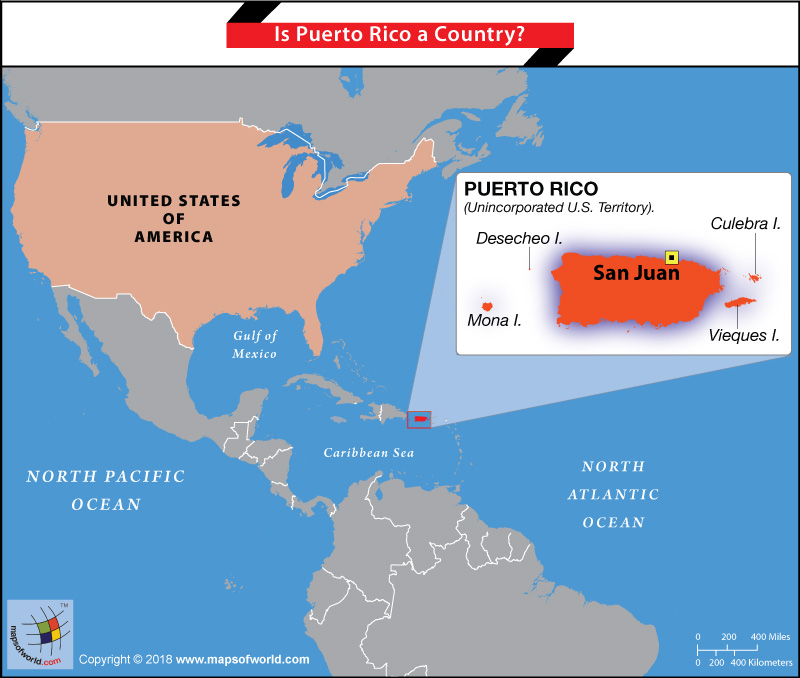
For many, the question “Where is Puerto Rico on the US Map?” often elicits a moment of pause. It’s a query that delves beyond mere geography, touching upon political status, cultural identity, and the very definition of what constitutes “the United States.” While it doesn’t physically sit within the contiguous 48 states, Puerto Rico is unequivocally a territory of the United States, meaning its citizens are US citizens, its currency is the US dollar, and its unique relationship with the mainland shapes its vibrant character as a premier travel destination. This article aims to clarify its geographical placement and delve into why this enchanting Caribbean island deserves a prominent spot on every traveler’s itinerary, aligning perfectly with interests in diverse destinations, unique accommodations, rich local tourism, and unforgettable lifestyle experiences.
Understanding Puerto Rico’s Unique Status
To truly locate Puerto Rico on the mental map of the United States, one must first grasp its political and geographical context. It isn’t a state, nor is it a foreign country in the traditional sense. This nuanced position is often the source of confusion, yet it’s precisely what contributes to Puerto Rico’s distinctive charm and accessibility for American travelers.
A Commonwealth of the United States
Puerto Rico is an unincorporated territory of the United States, officially known as the Commonwealth of Puerto Rico. This means it is subject to the jurisdiction and sovereignty of the US Congress, but it is not formally integrated into the United States itself. Puerto Ricans have been statutory US citizens since 1917, granted by the Jones-Shafroth Act. This status confers significant benefits for travelers from the mainland: no passport is required for US citizens, customs procedures are streamlined, and the ease of using the US dollar eliminates currency exchange hassles. This unique relationship fosters a travel experience that feels both exotically foreign and comfortably familiar, a blend that is hard to find elsewhere.
The legal framework behind this commonwealth status means that while Puerto Rico has its own local government, constitution, and elected officials, certain aspects of governance, such as defense, foreign affairs, and postal services, fall under federal US jurisdiction. This duality imbues the island with a fascinating blend of American influence and deeply rooted Puerto Rican culture, creating an environment ripe for exploration and discovery. The island’s people proudly maintain their Spanish language and vibrant cultural traditions, coexisting with an English-speaking populace and American consumer goods, offering a multifaceted lifestyle for residents and an enriching experience for visitors.
Geographical Placement and Proximity
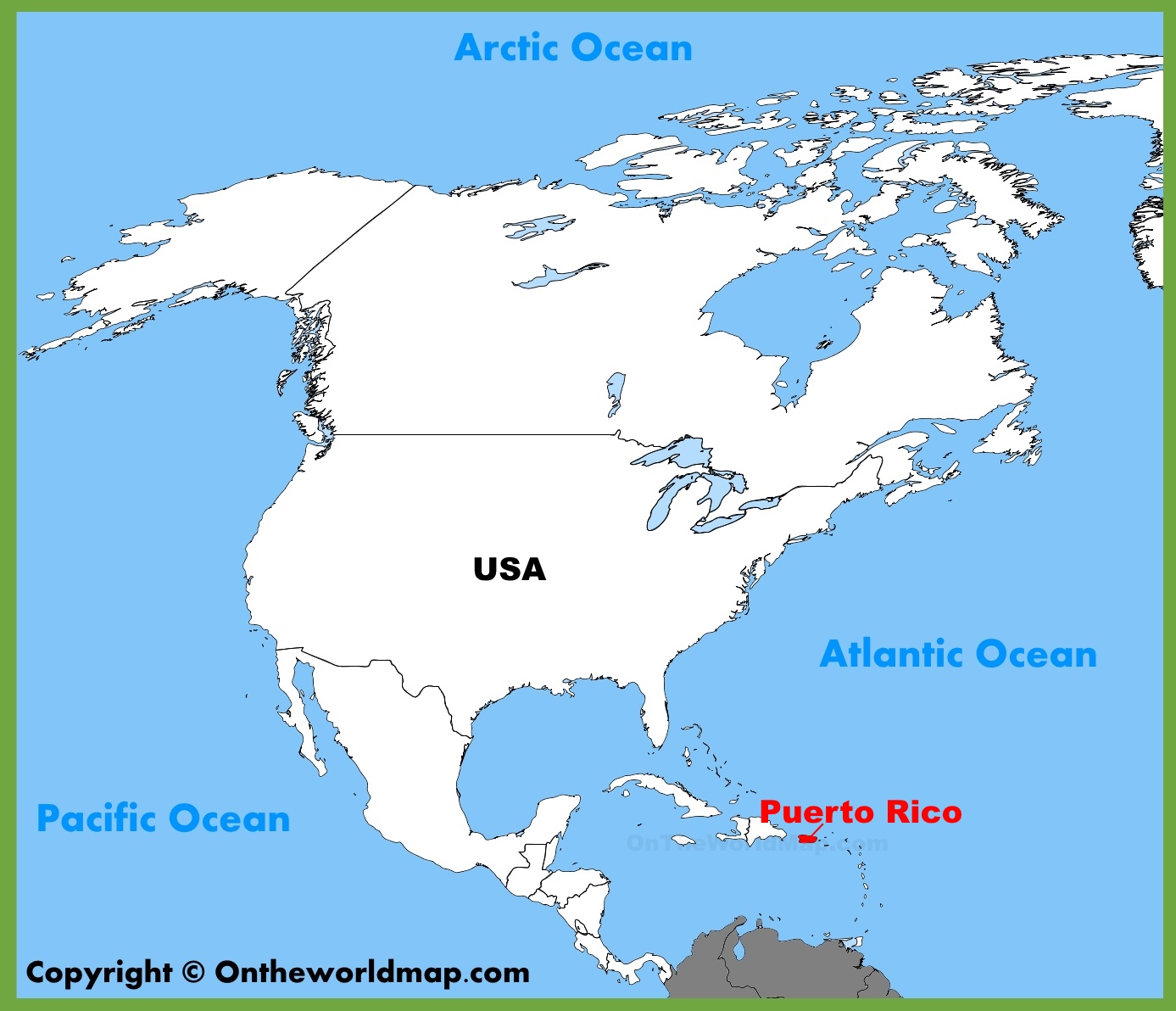
Geographically, Puerto Rico is located in the northeastern Caribbean Sea, positioned between the Dominican Republic to the west and the Virgin Islands to the east. It is the smallest of the Greater Antilles island group, which also includes Cuba, Hispaniola (home to the Dominican Republic and Haiti), and Jamaica. Roughly 1,000 miles (1,600 kilometers) southeast of Miami, Florida, Puerto Rico is an easily accessible tropical paradise for those departing from the East Coast of the United States, with direct flights from major cities like New York, Orlando, and Atlanta making the journey effortless.
The main island of Puerto Rico is approximately 100 miles long and 35 miles wide, making it compact enough to explore extensively over a typical vacation yet vast enough to offer incredible diversity in its landscapes and attractions. Surrounding the main island are several smaller islands, most notably Vieques and Culebra, each offering their own unique charm, pristine beaches, and distinct experiences away from the bustling mainland. Its strategic location serves as a gateway between the Atlantic Ocean and the Caribbean, contributing to its rich biodiversity and historical significance as a crossroads of cultures and trade routes.
Unveiling Puerto Rico’s Allure: A Tropical Paradise for Travelers
Beyond its geopolitical standing, Puerto Rico shines as a captivating travel destination, a place where history, nature, and vibrant culture converge to create an unparalleled experience. It’s a land of contrasts, from the cobblestone streets of Old San Juan to the lush rainforests and sun-drenched beaches, catering to every type of traveler.
Iconic Landmarks and Historical Riches
The capital city, San Juan, is a treasure trove of historical landmarks. At its heart lies Old San Juan, a designated UNESCO World Heritage Site that transports visitors back to the Spanish colonial era. Its narrow, colorful streets, adorned with blue cobblestones (adoquines), are lined with centuries-old buildings, charming boutiques, and exquisite restaurants. The city is famously guarded by two magnificent fortresses: El Morro (Castillo San Felipe del Morro) and Castillo San Cristóbal. These imposing fortifications, built by the Spanish to protect the strategic port, offer breathtaking views of the ocean and stand as testaments to the island’s pivotal role in global history. Walking their ramparts, one can almost hear the echoes of cannon fire and imagine the lives of the soldiers who once defended this crucial outpost.
Beyond San Juan, other cities like Ponce, known as the “Pearl of the South,” offer their own historical gems, including the iconic red-and-black striped Parque de Bombas and a wealth of neoclassical architecture. Exploring these landmarks is not just a sightseeing tour; it’s an immersive journey into the island’s complex past, offering profound insights into the cultures that have shaped its identity. The preservation of these sites is a testament to the island’s pride in its heritage, making them essential attractions for anyone interested in history and architecture.
Natural Wonders and Outdoor Adventures
Puerto Rico’s natural landscape is as diverse as it is stunning, providing an endless playground for adventure seekers and nature lovers. The crown jewel of its natural attractions is El Yunque National Forest, the only tropical rainforest in the US National Forest System. Here, cascading waterfalls like La Mina Falls and Juan Diego Falls invite refreshing dips, while lush hiking trails wind through verdant canopy, revealing exotic flora and fauna, including the beloved coquí frog whose nightly song is synonymous with the island. The panoramic views from observation towers within the forest are simply unforgettable, showcasing the sheer scale and beauty of this unique ecosystem.

The island also boasts three of the world’s five Bioluminescent Bays, where microscopic organisms light up the water with an ethereal glow when disturbed. Kayaking through these glowing waters in Laguna Grande in Fajardo, Mosquito Bay in Vieques, or La Parguera in Lajas is a magical, once-in-a-lifetime experience. For beach enthusiasts, Puerto Rico offers a spectacular coastline with beaches ranging from the vibrant shores of Condado to the secluded paradise of Flamenco Beach on Culebra, consistently ranked among the world’s best. Surfing, snorkeling, diving, and sailing are popular activities, with crystal-clear waters teeming with marine life.
Beyond the coast, the island’s interior reveals geological wonders like Cueva Ventana, a cave offering a “window” view of the Río Grande de Arecibo valley, and the majestic Camuy River Cave Park, one of the largest cave systems in the world. These natural attractions provide ample opportunities for adventure tourism, from zip-lining through canopies to rappelling down waterfalls, making Puerto Rico an ideal destination for those seeking an active outdoor lifestyle.
A Symphony of Culture, Cuisine, and Festivities
Puerto Rico’s culture is a vibrant fusion of Taíno, Spanish, and African influences, palpable in its music, art, and daily life. Salsa music pulses through the streets, inviting spontaneous dancing, and local artisans showcase their crafts in bustling markets. The warmth and hospitality of the boricuas (Puerto Ricans) are legendary, making visitors feel truly welcome.
The island’s culinary scene is a gastronomic delight. Puerto Rican cuisine, or cocina criolla, is a flavorful blend of indigenous ingredients and Spanish and African cooking techniques. Staples include mofongo (fried plantains mashed with garlic and pork cracklings), lechon (roasted suckling pig), pasteles (similar to tamales), and fresh seafood. The coffee grown in the central mountains is renowned worldwide, offering a rich and aromatic experience. Food tours in San Juan and other cities provide an excellent way to savor these authentic flavors, while a burgeoning fine dining scene caters to more sophisticated palates. Every meal is an opportunity to dive deeper into the local culture and appreciate the island’s unique lifestyle.
Throughout the year, Puerto Rico celebrates with numerous festivals and holidays, from the vibrant San Sebastián Street Festival in January to the Fiestas Patronales honoring patron saints in various towns. These events are an explosion of color, music, dance, and delicious food, offering a unique glimpse into the island’s joyous spirit and communal traditions. Participating in these festivities is an essential part of experiencing the true heart of Puerto Rico.
Planning Your Puerto Rico Getaway: Accommodation and Lifestyle Choices
With its diverse offerings, planning a trip to Puerto Rico means selecting from a wide array of accommodation and activity options tailored to various budgets and travel styles. Whether you’re seeking luxury, adventure, or a family-friendly escape, Puerto Rico delivers.
Diverse Accommodation Options for Every Traveler
Puerto Rico boasts a comprehensive range of accommodation options, ensuring every traveler finds their perfect match. For those seeking opulence, luxury resorts like Dorado Beach, a Ritz-Carlton Reserve, or the St. Regis Bahia Beach Resort offer world-class amenities, private beaches, championship golf courses, and exquisite dining experiences, perfect for a high-end lifestyle vacation. The Condado Vanderbilt Hotel in San Juan offers historical elegance combined with modern luxury, overlooking the Atlantic.
Mid-range hotels provide comfortable and well-appointed stays, often with convenient access to major attractions. Brands like Hyatt Regency Grand Reserve Puerto Rico or independent boutique hotels in Old San Juan offer a blend of comfort and local charm. For budget-conscious travelers, guesthouses, hostels, and vacation rentals (apartments and villas) are plentiful, particularly in areas like Rincón, Aguadilla, or Isabela, popular for surfing and a laid-back lifestyle. These options often provide a more intimate and authentic local experience, allowing travelers to immerse themselves deeper into the community. Booking in advance, especially during peak season (December to April), is always recommended to secure the best rates and preferred locations. Online travel agencies and comparison sites make it easy to review and book accommodations, from suites to long-term stays.
Navigating Your Puerto Rico Experience
Getting around Puerto Rico is relatively straightforward. Renting a car is highly recommended for exploring the island beyond San Juan, allowing flexibility to visit rainforests, remote beaches, and charming towns at your own pace. Major car rental companies operate at Luis Muñoz Marín International Airport (SJU). Within San Juan, ride-sharing services, taxis, and public buses are readily available.
For those interested in unique experiences, guided tours offer a hassle-free way to explore specific attractions, such as kayaking the bio bay, hiking El Yunque, or taking a historical walking tour of Old San Juan. For travel between the main island and Vieques or Culebra, ferries depart from Ceiba, or small commuter flights offer a quicker, albeit more expensive, option. Travel tips often emphasize being prepared for a mix of Spanish and English, though English is widely spoken in tourist areas. Embrace the local pace, enjoy the culinary delights, and allow yourself to be swept away by the island’s enchanting rhythm.
Why Puerto Rico Deserves a Spot on Your Travel Radar
Puerto Rico, though not physically depicted on a typical US mainland map, is an integral part of the American fabric, offering a world of discovery for travelers. Its unique status as a US territory provides a convenient, passport-free (for US citizens) entryway into a rich Caribbean culture, stunning natural beauty, and a historical narrative that spans centuries. From the majestic fortresses of Old San Juan to the mystical glow of its bioluminescent bays and the serene trails of El Yunque, the island promises an adventure for every interest.
For those seeking an unforgettable travel experience that blends ease of access with exotic charm, Puerto Rico stands out. It’s a destination where you can relax on pristine beaches one day, explore ancient history the next, and dance to salsa music under the stars by night. Its diverse hotels and accommodations cater to every budget and style, while its vibrant tourism scene, delicious food, and friendly locals ensure a memorable trip. So, the next time you ponder “Where is Puerto Rico on the US map?”, remember it’s not just a geographical point but a vibrant, accessible, and essential travel destination waiting to be explored, offering a lifestyle experience that truly is out of the box.
LifeOutOfTheBox is a participant in the Amazon Services LLC Associates Program, an affiliate advertising program designed to provide a means for sites to earn advertising fees by advertising and linking to Amazon.com. Amazon, the Amazon logo, AmazonSupply, and the AmazonSupply logo are trademarks of Amazon.com, Inc. or its affiliates. As an Amazon Associate we earn affiliate commissions from qualifying purchases.