
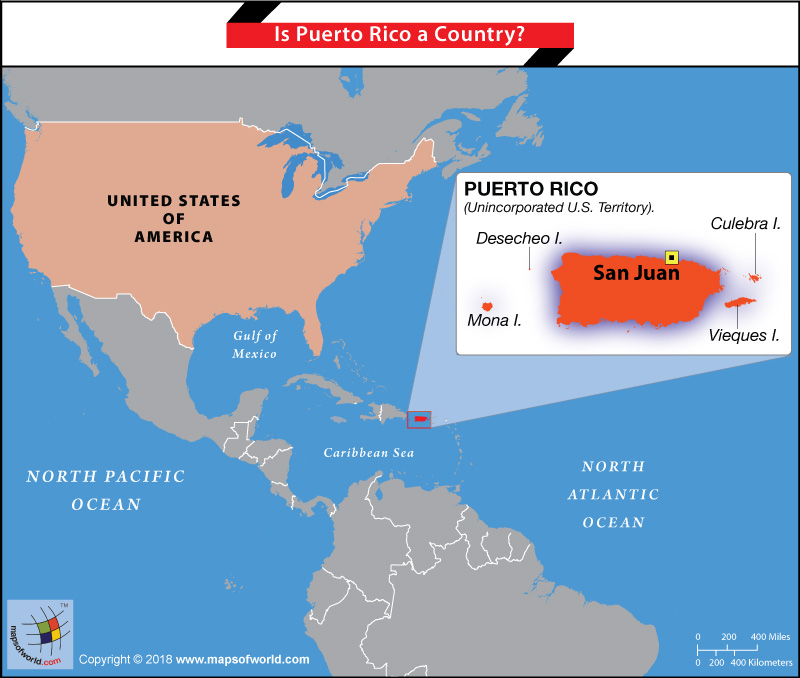
The question “Where is Puerto Rico USA?” often arises from a genuine curiosity about this vibrant Caribbean island’s unique political status and geographical location. Many travelers are intrigued by its allure as a destination offering a compelling blend of US infrastructure and distinctly Latin American charm, yet they are unsure about the practicalities of travel, particularly for US citizens. Puerto Rico is not a US state, nor is it a foreign country; it is an unincorporated territory of the United States. This distinct relationship shapes everything from its economy and governance to its cultural identity and, crucially, the ease with which visitors can explore its stunning landscapes, rich history, and lively traditions.
For those planning a memorable getaway, understanding Puerto Rico’s place on the global map and within the American family is the first step towards unlocking an extraordinary travel experience. From sun-drenched beaches and lush rainforests to historic colonial cities and world-class resorts, this island gem promises a diverse array of experiences that cater to every type of traveler, whether seeking luxury, adventure, cultural immersion, or simply relaxation. This article aims to clarify Puerto Rico’s identity, highlight its geographical and political landscape, and serve as an essential guide for planning an unforgettable journey to this incredible US territory.

The Geographical and Political Landscape
The relationship between Puerto Rico and the United States is complex and often misunderstood, leading to the frequent query about its precise location and affiliation. Dispelling these misconceptions is key to appreciating the island’s unique appeal and the convenience it offers to millions of travelers.
A Caribbean Gem with US Ties
Geographically, Puerto Rico is strategically positioned in the northeastern Caribbean Sea. It forms the easternmost island of the Greater Antilles archipelago, nestled between the Dominican Republic to the west and the Virgin Islands to the east. This prime location blesses the island with a year-round tropical maritime climate, characterized by warm temperatures, refreshing trade winds, and abundant sunshine, making it an ideal escape regardless of the season.
The main island of Puerto Rico is relatively small, approximately 100 miles long and 35 miles wide, yet it boasts an incredible diversity of landscapes. Its interior is dominated by lush mountain ranges, including the Sierra de Luquillo, home to the famous El Yunque National Forest, the only tropical rainforest in the US National Forest System. The island’s perimeter is ringed by hundreds of miles of pristine coastline, featuring a stunning variety of beaches – from tranquil, secluded coves to vibrant stretches perfect for water sports. Beyond the main island, Puerto Rico also encompasses several smaller islands, most notably Vieques and Culebra, each offering its own distinct charm and attractions, including some of the world’s most spectacular beaches and bioluminescent bays. This rich geographical tapestry ensures that every visit can uncover new wonders, appealing to adventurers, nature lovers, and beachgoers alike.
Understanding Puerto Rico’s Political Status
The political status of Puerto Rico as an unincorporated territory of the United States is central to addressing the “Where is Puerto Rico USA?” question. Since 1898, following the Spanish-American War, Puerto Rico has been under US sovereignty. In 1917, the Jones-Shafroth Act granted Puerto Ricans US citizenship. This means that while Puerto Ricans are US citizens, they do not have voting representation in Congress and cannot vote in presidential elections unless they reside in one of the 50 US states.
For travelers from the United States, this status offers unparalleled convenience. No passport is required for entry, and the official currency is the US dollar. US federal laws apply, and the legal system generally mirrors that of the mainland. This seamless integration, combined with the convenience of domestic travel, allows American visitors to experience a distinctly Caribbean culture without the complexities often associated with international travel. The blend of US influence with a strong Hispanic culture, particularly its Spanish language and traditions, creates a unique cultural tapestry that is both familiar and exotic. This intriguing duality is a fundamental aspect of the island’s charm and identity, making Puerto Rico an accessible gateway to a rich cultural experience just a short flight from the mainland.
Puerto Rico as a Premier Travel Destination
Beyond its unique political standing, Puerto Rico shines brightly as a top-tier travel destination. The island caters to a vast spectrum of interests, from the history enthusiast and the adrenaline junkie to the culinary adventurer and the luxury seeker. Its compact size belies an incredible diversity of attractions and experiences waiting to be discovered.
Unveiling Puerto Rico’s Diverse Attractions
Puerto Rico’s allure lies in its ability to offer a comprehensive travel experience within a relatively small area. For beach lovers, the island is a paradise. Flamenco Beach on Culebra consistently ranks among the world’s best, renowned for its crescent of soft white sand and crystal-clear turquoise waters. Other notable coastal gems include Luquillo Beach, with its calm waters perfect for families, and the lively urban shores of Condado Beach in San Juan, lined with upscale resorts and vibrant nightlife. Surfers, on the other hand, flock to the west coast town of Rincón, famous for its consistent breaks and laid-back surf culture.
Nature enthusiasts will find themselves captivated by El Yunque National Forest, a verdant wonderland of diverse flora and fauna, numerous hiking trails leading to breathtaking waterfalls like La Mina Falls, and panoramic vistas. A truly magical experience awaits at Puerto Rico’s bioluminescent bays, where microorganisms in the water glow with every disturbance. Mosquito Bay in Vieques is globally recognized as the brightest, but Laguna Grande in Fajardo and La Parguera in Lajas also offer unforgettable nighttime kayaking adventures.
For those drawn to history and architecture, Old San Juan is an absolute must-visit. This UNESCO World Heritage site is a maze of cobblestone streets, colorful colonial buildings, and grand fortifications. Majestic landmarks such as El Morro Fort (Castillo San Felipe del Morro) and San Cristobal Fort (Castillo San Cristóbal) stand as testaments to centuries of strategic importance, offering stunning ocean views and fascinating insights into the island’s past. La Fortaleza, the official residence of the Governor of Puerto Rico, is another historical gem. Beyond San Juan, the southern city of Ponce, known as “The Pearl of the South,” captivates with its neoclassical architecture, the iconic red and black Parque de Bombas firehouse, and the impressive collections at the Museo de Arte de Ponce.

Adventure seekers will find plenty to get their hearts racing, from zip-lining through the central mountains at Toro Verde Adventure Park, home to one of the longest zip-lines in the world, to exploring the underground wonders of the Camuy River Cave Park, a massive cave system carved by the third-largest underground river on Earth. Diving and snorkeling opportunities abound around the smaller islands and reefs, revealing vibrant marine ecosystems.
Experiencing Puerto Rican Culture and Cuisine
The heart of any Puerto Rican journey lies in immersing oneself in its rich and spirited culture. The island is a melting pot of Taíno, Spanish, and African influences, expressed vividly through its music, dance, art, and festivals. Music is the soul of Puerto Rico, with the infectious rhythms of salsa, merengue, and traditional bomba and plena filling the streets and dance halls. Visitors can often stumble upon impromptu street parties or organized festivals that celebrate everything from patron saints to specific harvests.
Puerto Rican cuisine is a flavorful journey in itself, renowned for its hearty, comforting dishes. Signature plates include mofongo (fried plantains mashed with garlic and pork cracklings), succulent lechón (spit-roasted pork), pernil (slow-roasted pork shoulder), and arroz con gandules (rice with pigeon peas). Seafood is abundant and fresh, often prepared with vibrant Caribbean spices. No visit is complete without sampling the iconic Piña Colada, which was invented in San Juan. The island is also famous for its world-class rum distilleries, offering tours and tastings that delve into the history and craftsmanship of this beloved spirit. From fine dining in San Juan to roadside kiosks (kioskos) serving authentic fritters and local delicacies, the food scene is as diverse as the landscape. The warmth and hospitality of the Puerto Rican people further enhance the cultural experience, making every interaction a memorable part of the journey.
Planning Your Trip: Accommodation and Travel Tips
Embarking on a journey to Puerto Rico is an exciting prospect, and proper planning can elevate your experience from good to extraordinary. From selecting the perfect place to stay to understanding the ins and outs of island navigation, thoughtful preparation is key to a seamless and enjoyable vacation.
Choosing Your Ideal Puerto Rican Stay
Accommodation options in Puerto Rico are as varied as its attractions, catering to every budget and travel style, from opulent luxury to charming budget-friendly stays.
For those seeking luxury travel, Puerto Rico offers an impressive selection of high-end resorts and hotels. In San Juan’s Condado district, the historic Condado Vanderbilt Hotel provides elegant oceanfront suites and impeccable service. Further west, the exclusive Dorado Beach, a Ritz-Carlton Reserve, epitomizes barefoot luxury with private plunge pools, world-class golf courses, and exquisite dining. These resorts often feature extensive amenities, including spas, gourmet restaurants, kids’ clubs, and direct beach access, making them perfect for family trips or romantic getaways.
Boutique hotels are plentiful, especially in Old San Juan and other historic towns like Ponce or San Germán. These properties often reside in beautifully restored colonial buildings, offering personalized service, unique decor, and a deeper immersion into local culture. They are ideal for travelers who appreciate character and a more intimate atmosphere.
For budget travel or longer stays, guesthouses, smaller independent hotels, and vacation rentals (such as apartments and villas) provide excellent value. These options are particularly popular in surf towns like Rincón or on the quieter islands of Vieques and Culebra, allowing visitors to experience local life more authentically. Many offer amenities like kitchenettes, making them suitable for families or those planning to explore local markets for fresh ingredients. When booking, it’s advisable to compare prices across different platforms and consider the time of year, as peak season (December to May) often sees higher rates. Reviews can also offer valuable insights into the quality and location of a property.
Navigating the Island: Practical Advice
Getting to Puerto Rico is straightforward for US citizens as no passport is required. The primary gateway is Luis Muñoz Marín International Airport (SJU), located just outside San Juan. It offers numerous direct flights from major US cities, making access incredibly convenient.
Transportation on the island varies by location. In San Juan, taxis and ride-sharing services like Uber (I will use generic “ride-sharing apps”) are readily available, and a limited public bus system serves the metropolitan area. However, to truly explore the island’s diverse regions, from the mountains to the remote beaches, renting a car is highly recommended. Roads are generally well-maintained, though some rural routes can be winding and narrow. Navigation apps work well, and signage is usually in Spanish and English. For travel to Vieques and Culebra, regular ferry services depart from Fajardo or Ceiba, or you can opt for short commuter flights for a quicker, albeit more expensive, journey.
The best time to visit Puerto Rico is during the dry season, from December to May, when the weather is pleasantly warm and sunny with lower humidity. While the island is resilient and infrastructure has improved significantly, hurricane season (June to November) can bring risks of heavy rain and storms, so travel insurance is highly advisable during these months.
Language is predominantly Spanish, the official language, but English is widely understood and spoken, especially in tourist areas and major cities. Learning a few basic Spanish phrases can enhance your interactions with locals. The currency is the US dollar, and credit cards are widely accepted, though it’s always good to carry some cash for smaller vendors or rural areas. Connectivity is generally good, with reliable cell service and Wi-Fi available in most accommodations and public areas.
Lastly, travelers should practice general travel safety tips, such as being aware of their surroundings, securing valuables, and staying informed about local conditions. Puerto Rico is a vibrant and welcoming destination, and with a little preparation, your visit promises to be filled with unforgettable memories of its unique beauty and spirited culture.
LifeOutOfTheBox is a participant in the Amazon Services LLC Associates Program, an affiliate advertising program designed to provide a means for sites to earn advertising fees by advertising and linking to Amazon.com. Amazon, the Amazon logo, AmazonSupply, and the AmazonSupply logo are trademarks of Amazon.com, Inc. or its affiliates. As an Amazon Associate we earn affiliate commissions from qualifying purchases.