
Nestled in the heart of the Sunshine State, the Rainbow River represents one of the most pristine and visually stunning natural aquatic systems in the United States. Known for its sapphire-blue waters and remarkable clarity, this river is a crown jewel of Florida nature. For travelers seeking a respite from the crowded theme parks and coastal beaches, finding this hidden gem offers a glimpse into the prehistoric beauty of the Floridan aquifer. Locating the river is the first step toward an unforgettable adventure in one of the most ecologically diverse regions of North America.
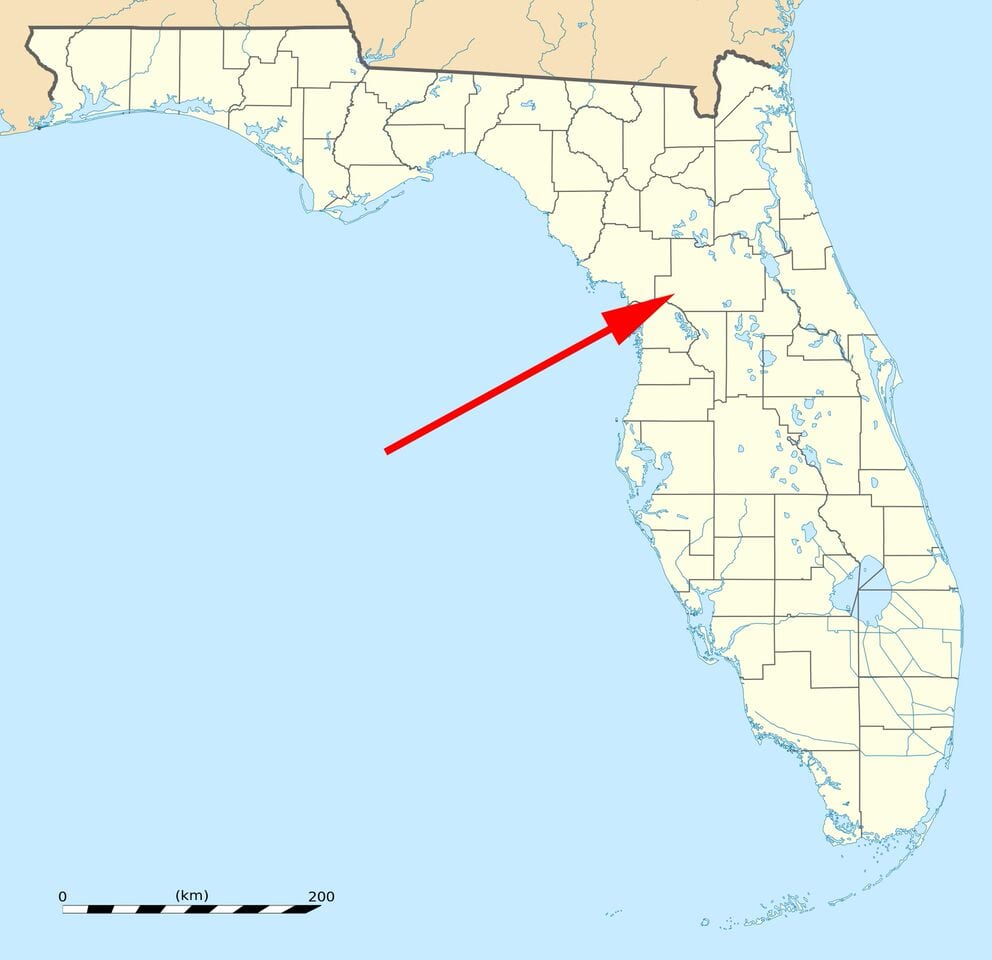
Locating the Crystal Waters of the Rainbow River
The Rainbow River is located in Central Florida, specifically within the southwestern corner of Marion County. It is situated approximately 20 miles southwest of Ocala and about 100 miles north of Tampa. If you are traveling from Orlando, the drive typically takes about an hour and a half, making it a feasible day trip for those staying in the major tourism hubs. The river is relatively short, spanning about 5.7 miles from its headsprings to where it merges with the Withlacoochee River.
The Gateway City: Dunnellon
The primary gateway to this aquatic paradise is the city of Dunnellon. Often referred to as the “Treasure of the Nature Coast,” Dunnellon provides the essential infrastructure for visitors, including outfitters, restaurants, and entry points to the water. The town retains a charming, old-Florida feel that complements the natural surroundings. Because the river is the focal point of the local economy and lifestyle, the community is deeply committed to its preservation. Visitors arriving in Dunnellon will find themselves just minutes away from the main access points of the river system.
Regional Proximity and Accessibility
For those flying into the state, the most convenient major airports are Orlando International Airport and Tampa International Airport. From either city, the route involves a scenic drive through the rolling hills of Central Florida horse country. To the north, Gainesville is also within a short driving distance. The river’s location makes it a central hub for nature lovers who may also want to explore nearby destinations like Crystal River or Silver Springs State Park.
The Geography and Natural History of Rainbow Springs State Park
To understand where the Rainbow River is, one must understand its source. The river begins at Rainbow Springs State Park, a site that has been a magnet for humans for thousands of years. Archaeological evidence suggests that indigenous peoples frequented these springs as far back as 10,000 years ago. In the mid-20th century, the area operated as a private tourist attraction, featuring glass-bottom boats and even a monorail, before being transitioned into a state-protected park in the 1990s.
A First-Magnitude Spring System
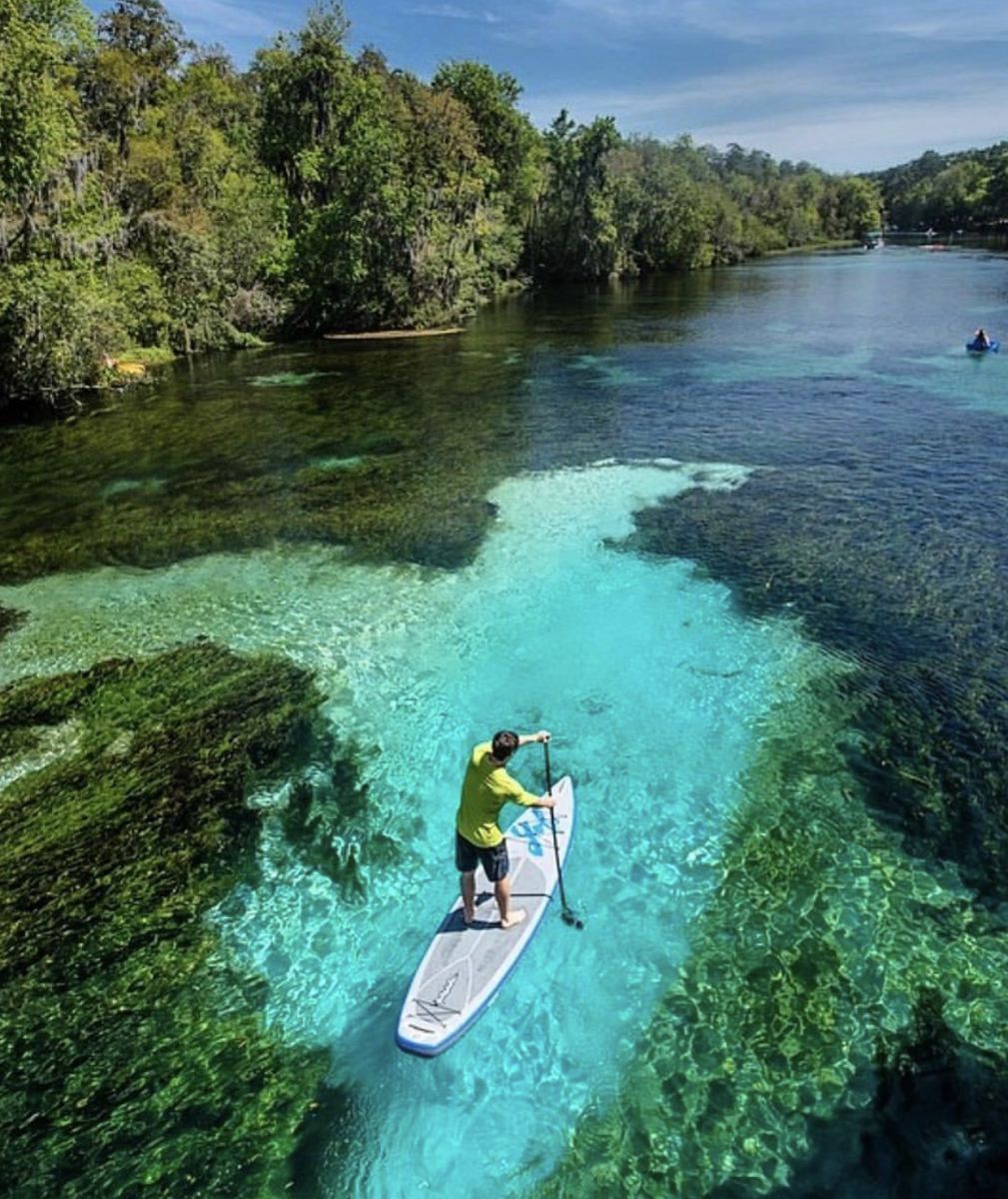
Rainbow Springs State Park is classified as a first-magnitude spring, meaning it discharges more than 64 million gallons of water daily. In fact, the Rainbow River is formed by numerous vents rather than a single spring head, creating a massive volume of water that remains a constant 72 degrees Fahrenheit (22 degrees Celsius) year-round. This temperature makes it a refreshing escape during the humid Florida summers and a relatively warm haven for wildlife during the cooler winter months. The water is so clear that visibility can extend up to 200 feet, allowing visitors to see the intricate formations of the riverbed and the bubbling sand boils from the surface.
Flora and Fauna of the Riverbank
The geography of the Rainbow River is defined by its lush, subtropical vegetation. As the water flows toward the Withlacoochee River, it is flanked by cypress domes, hardwood hammocks, and marshes. This environment supports a vibrant ecosystem. It is common to spot Florida softshell turtles sunning themselves on fallen logs, or anhingas drying their wings after a dive. The river is also home to various fish species, including largemouth bass and gar. Birdwatchers frequently visit to catch glimpses of red-shouldered hawks, herons, and the occasional wood duck. The preservation of the river as an “Outstanding Florida Water” ensures that this habitat remains largely undisturbed by heavy industrial development.
Essential Experiences on the Water
While the location is geographically fixed, the experience of the Rainbow River changes depending on how you choose to interact with its waters. The river offers several distinct zones for recreation, each providing a different perspective on its natural beauty.
Tubing Down the Rainbow River
Perhaps the most iconic way to experience the river is by “tubing.” The slow, gentle current provides a natural conveyor belt through the wilderness. Most tubing excursions launch from KP Hole Park or the dedicated tubing entrance of Rainbow Springs State Park. A typical float lasts between two to four hours, depending on the launch point and the wind conditions. Floating quietly allows visitors to observe the underwater world through the transparent water without disturbing the peace. It is a quintessential Florida summer tradition, though it is highly regulated to prevent littering and environmental degradation.
Kayaking and Paddleboarding
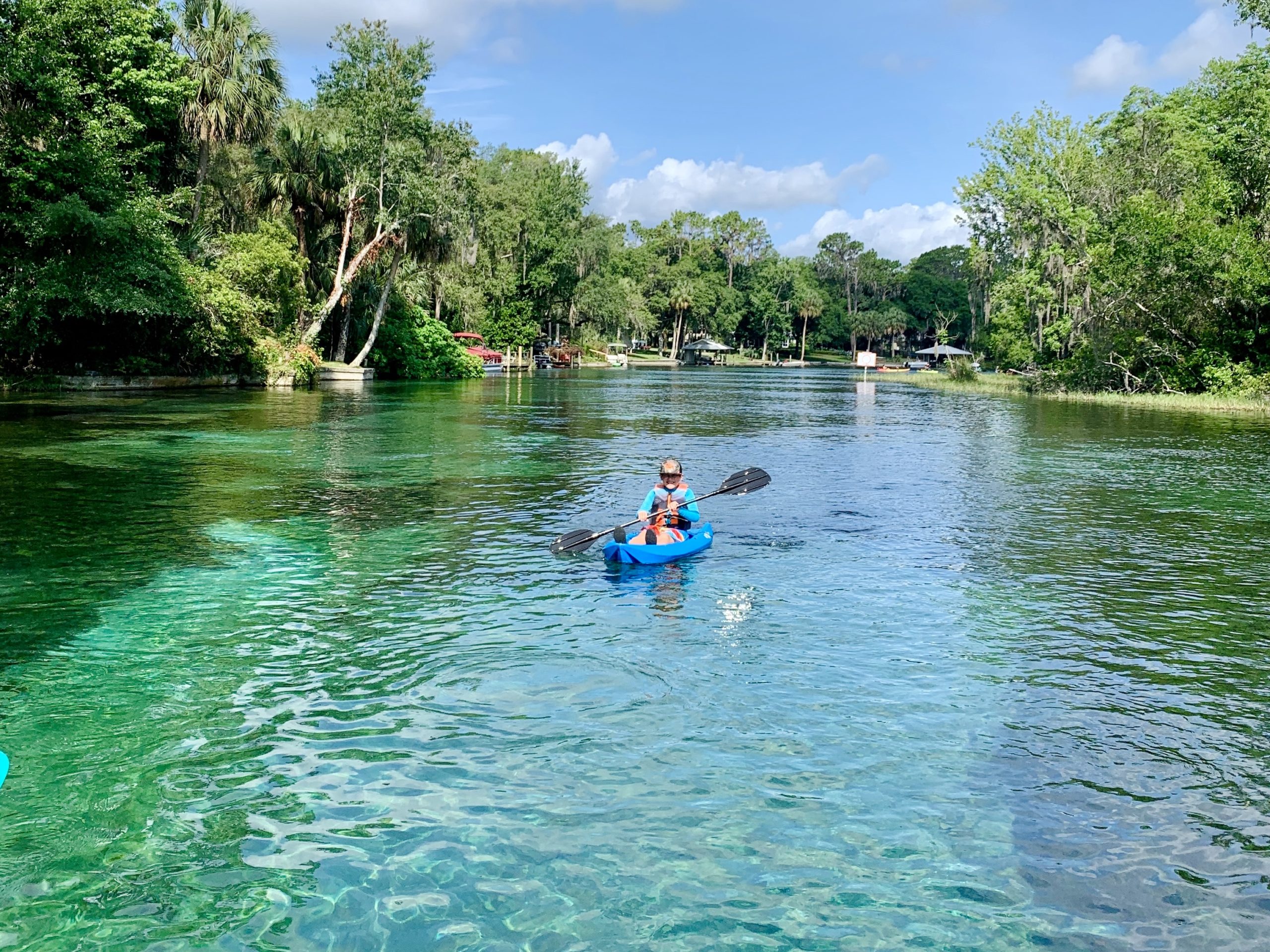
For those who want more control or wish to explore the river’s upstream reaches, kayaking and stand-up paddleboarding are the preferred methods. Launching from the headsprings allows paddlers to drift downstream and then paddle back, or they can utilize shuttle services provided by local outfitters in Dunnellon. Paddling offers the advantage of reaching the shallower, quieter pockets of the river where motorized boats are restricted. The upper sections of the river are a designated “Idle Speed/No Wake” zone, ensuring that the water remains glassy and safe for non-motorized vessels.
Snorkeling and Swimming
The clarity of the Rainbow River makes it one of the best snorkeling destinations in the United States. At the headsprings within Rainbow Springs State Park, there is a designated swimming area where the water is deep and the bottom is a mix of white sand and limestone. Snorkelers can witness the “boils”—areas where water forcefully pushes up through the sand—and observe the diverse aquatic grasses that wave in the current. Because the water is so transparent, even those without professional diving gear can enjoy a high-definition view of the underwater topography and the schools of fish that dart between the shadows.
Planning Your Trip: Practical Information for Visitors
Finding the Rainbow River is only half the battle; navigating the rules and logistics is essential for a smooth visit. Because of its popularity and ecological sensitivity, the river is subject to strict guidelines that differ from other Florida waterways.
Access Points and Launch Sites
There are three primary ways to access the water:
- Rainbow Springs State Park (Main Entrance): Located on US Highway 41, this entrance provides access to the headsprings, swimming area, gardens, and waterfalls. Note that you cannot launch tubes from this specific entrance; it is primarily for swimming, hiking, and viewing.
- KP Hole Park: This Marion County park is a favorite for tubers and divers. It is located downstream from the headsprings and offers a ramp for motorized boats and kayaks.
- Blue Run of Dunnellon Park: Often used as the “exit” point for tubers, this park is located at the end of the tubing run in Dunnellon. It features walking trails and a small kayak launch.
Seasonal Considerations and Rules
Timing is crucial when visiting the Rainbow River. During the summer months and holiday weekends, the parks often reach capacity early in the morning, sometimes as early as 10:00 AM. Once capacity is reached, no more visitors are allowed entry. Therefore, arriving at sunrise is highly recommended.
Furthermore, the river has a strict “no disposables” policy. This means that plastic water bottles, soda cans, plastic bags, and wrappers are prohibited on the water. Visitors must use reusable containers for their drinks and snacks. These regulations have been instrumental in keeping the Rainbow River one of the cleanest rivers in Florida, free from the litter often found in other high-traffic tourist areas.
Beyond the River: Exploring the Surrounding Area
While the Rainbow River is the star attraction, the surrounding region of North Central Florida offers a wealth of additional natural and cultural experiences. The area is a tapestry of freshwater springs, sprawling horse farms, and historic small towns.
Nearby Natural Wonders
A short drive from the Rainbow River will take you to Crystal River and Kings Bay, famous for being the only place in the United States where you can legally swim with Florida manatees. During the winter, hundreds of these gentle giants migrate into the warm spring waters of Three Sisters Springs. Additionally, the Ocala National Forest to the east offers thousands of acres of hiking, camping, and additional springs like Alexander Springs and Juniper Springs.
Historic Downtown Dunnellon
After a day on the water, exploring the Dunnellon Historic District provides a nice contrast to the wilderness. The area features late 19th-century architecture, antique shops, and local eateries that serve fresh seafood and Southern comfort food. The history of the town is tied to the phosphate mining boom of the 1880s, and much of that heritage is preserved in the local museum and the layout of the streets.
Understanding where the Rainbow River is located involves more than just looking at a map of Florida; it requires an appreciation for the delicate balance between recreation and conservation. Whether you are floating down the river in a tube, paddling through the lily pads, or diving into the depths of the headsprings, the Rainbow River offers a sensory experience that defines the natural beauty of the American South. It remains a testament to the importance of protecting the state’s freshwater resources for future generations of travelers.
LifeOutOfTheBox is a participant in the Amazon Services LLC Associates Program, an affiliate advertising program designed to provide a means for sites to earn advertising fees by advertising and linking to Amazon.com. Amazon, the Amazon logo, AmazonSupply, and the AmazonSupply logo are trademarks of Amazon.com, Inc. or its affiliates. As an Amazon Associate we earn affiliate commissions from qualifying purchases.