
The name “Red Rock” conjures images of majestic canyons, dramatic geological formations, and vast, open landscapes painted in hues of crimson and ochre. When paired with the iconic state of Colorado, it immediately sparks curiosity for adventure seekers, nature enthusiasts, and anyone yearning for a breathtaking escape. But where exactly is this captivating “Red Rock” within the Centennial State? While there isn’t a single, officially designated town or city named “Red Rock, Colorado” that stands as a prominent tourist destination on its own, the term often refers to the awe-inspiring natural beauty characterized by vibrant red sandstone formations found in several key areas across the state.
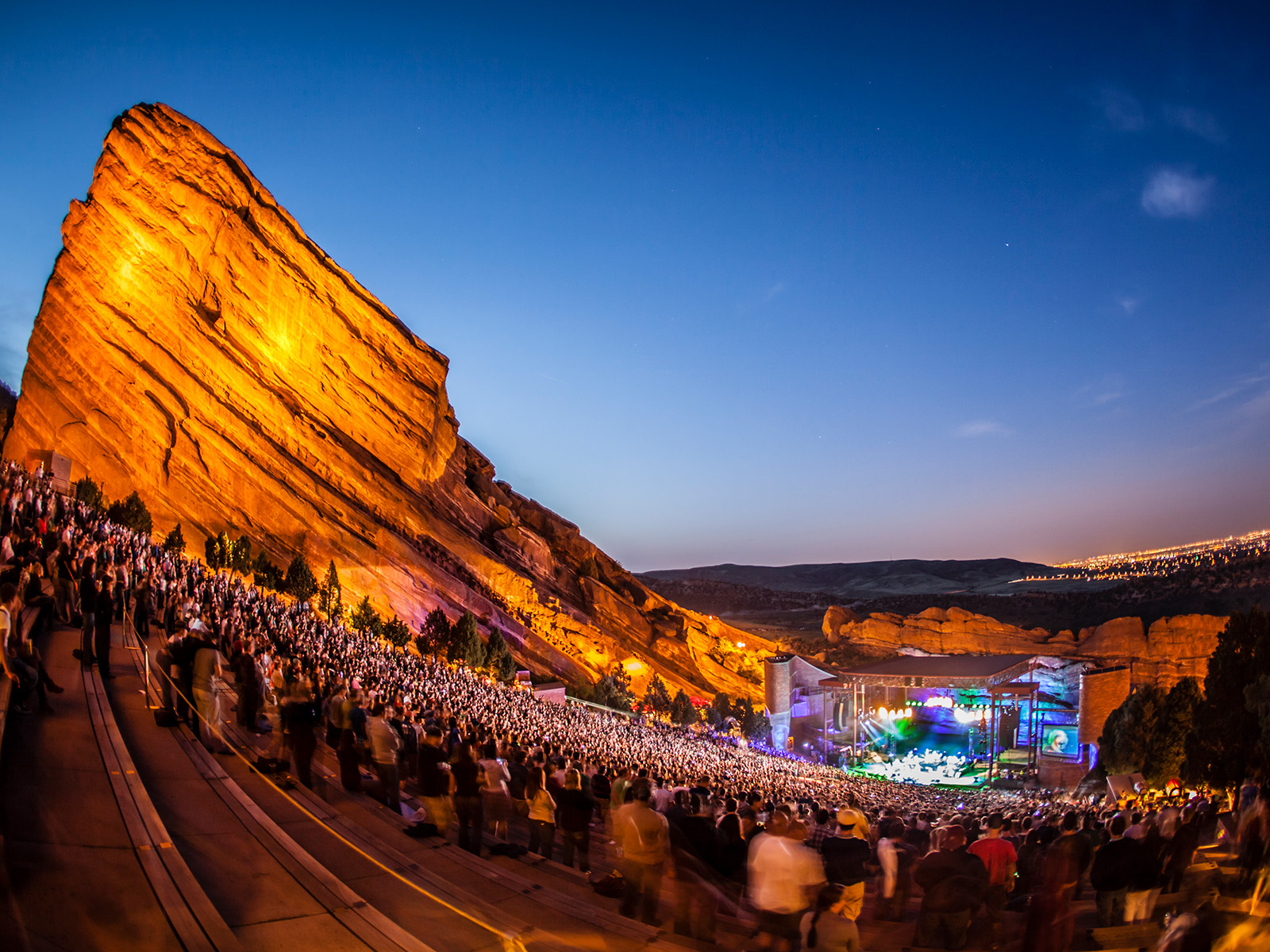
This article will delve into the geographical locations and experiences that embody the spirit of “Red Rock Colorado,” exploring the natural wonders that draw visitors from far and wide. We’ll navigate through the geological marvels that define these landscapes, uncover the activities and adventures awaiting you, and provide insights into planning your visit to these stunning destinations. Whether you’re dreaming of hiking through towering sandstone cliffs, exploring ancient geological history, or simply basking in the unique Southwestern charm that Colorado’s red rock country offers, this guide will illuminate your path.
Unveiling the Red Rock Landscapes of Colorado
Colorado is a state blessed with an extraordinary diversity of natural landscapes, and its red rock formations are among its most striking features. These aren’t confined to one specific point on the map but rather are scattered across regions that showcase the power of erosion and the beauty of sedimentary rock. Understanding these different facets is key to answering the question of “Where is Red Rock Colorado?”
The Foothills and the Front Range: Echoes of Red Rock
The closest and perhaps most accessible encounters with red rock formations in Colorado can be found near the bustling urban centers of the Front Range. As you drive west from cities like Denver or Colorado Springs, the landscape gradually shifts, and hints of red begin to emerge in the foothills.
Garden of the Gods Park: A Red Rock Icon
Arguably the most famous and easily accessible red rock attraction in Colorado is the Garden of the Gods Park in Colorado Springs. This National Natural Landmark is a geological wonderland, a public park showcasing towering crimson sandstone fins, balancing rocks, and dramatic monoliths sculpted by ancient geological processes.
- Location: Situated in Colorado Springs, Colorado, the Garden of the Gods Park is a mere 15-minute drive from downtown. Its proximity makes it a popular day trip destination for residents and tourists alike.
- Geology: The striking red color of the rocks is due to iron oxide, the same mineral that gives rust its distinctive hue. These formations are part of the Fountain Formation, dating back to the Pennsylvanian period, over 300 million years ago. Over millions of years, uplift and erosion by wind and water have carved these magnificent shapes.
- Experiences: The park offers a wealth of activities for all ages and fitness levels.
- Hiking and Walking: Numerous well-maintained trails wind through the park, offering intimate access to the towering formations. The Perkins Central Garden Trail is a paved, accessible loop that provides stunning views of iconic formations like the Kissing Camels and the North Gateway Rock.
- Rock Climbing and Bouldering: For the adventurous, designated areas within the park permit rock climbing and bouldering, offering a thrilling way to interact with the geological features.
- Photography: The constantly changing light throughout the day, especially during sunrise and sunset, transforms the red rocks into a photographer’s paradise.
- Visitor Center: The state-of-the-art Garden of the Gods Visitor and Nature Center provides educational exhibits on the park’s geology, ecology, and history, along with panoramic views of the red rock landscape.
Roxborough State Park: A Rugged Wilderness
Just south of Denver, Roxborough State Park presents another remarkable example of Colorado‘s red rock country. This park is less developed than Garden of the Gods and offers a more rugged, wilder experience.
- Geology: Similar to Garden of the Gods, the prominent red sandstone formations here are also part of the Fountain Formation. The dramatic hogbacks, or elongated ridges, are a testament to the geological forces that shaped the Rocky Mountains.
- Experiences: Roxborough State Park is a haven for hikers and nature lovers.
- Trails: The park boasts a network of trails that lead through ponderosa pine forests and past stunning red rock formations. The Fountain Valley Trail offers a relatively easy walk with spectacular views of the park’s signature red cliffs.
- Wildlife Viewing: Keep an eye out for diverse wildlife, including mule deer, coyotes, and various bird species.
- Equestrian Trails: Dedicated trails are available for horseback riding, allowing a different perspective of the landscape.
Western Colorado: The Majestic Red Rock Canyons
Venturing further west into Colorado, the red rock landscapes take on a grander, more monumental scale, characterized by vast canyons and intricate rock formations that speak of deep geological time.
Colorado National Monument: A Canyon Masterpiece
The Colorado National Monument, located near Grand Junction, is a breathtaking testament to the erosive power of water and wind carving through ancient rock layers. This is where you’ll find some of the most dramatic and expansive red rock scenery in the state.
- Location: Situated in western Colorado, the Colorado National Monument is an easily accessible drive from Grand Junction. The park’s centerpiece is the scenic Rim Rock Drive, a 23-mile road that traverses the park’s rim, offering unparalleled views.
- Geology: The monument’s striking red canyons, sheer cliffs, and towering monoliths are carved from Precambrian basement rocks and younger sedimentary layers, primarily the Mancos Shale and Wingate Sandstone. The Colorado River and its tributaries have played a significant role in shaping this landscape over millions of years.
- Experiences: The Colorado National Monument offers a profound connection with nature and history.
- Scenic Drives: Rim Rock Drive is an unforgettable experience, with numerous overlooks providing panoramic vistas of canyons and the distant Book Cliffs.
- Hiking: Trails range from short, easy walks to more challenging backcountry routes. The Monument Canyon Trail leads to the iconic Monolith, while the Serenity Cove Trail offers a peaceful immersion in the canyon’s solitude.
- Geological Wonders: Discover formations like the Horseshoe Bend, Independence Monument, and the Grand Sentinel.
- Stargazing: The monument’s remote location and dark skies make it an exceptional spot for stargazing.
Black Canyon of the Gunnison National Park: A Different Shade of Red
While not characterized by the bright red of sandstone cliffs, the Black Canyon of the Gunnison National Park offers a different, yet equally awe-inspiring, red rock experience. The canyon walls are composed of Precambrian metamorphic and igneous rocks, some of the oldest exposed rock in Colorado. However, the soil and scree on the canyon floor and slopes often carry a reddish tint, and the dramatic shadows cast by the towering walls create a visual spectacle that can feel akin to a red rock landscape.
- Location: Located in west-central Colorado, the park has two main entrances: the South Rim near Montrose and the North Rim near Gunnison.
- Geology: The canyon is renowned for its steep, nearly sheer walls that plunge up to 2,700 feet to the Gunnison River below. The dark, ancient rock gives the canyon its name.
- Experiences:
- Rim Drives: Scenic drives along both the South Rim and North Rim offer numerous overlooks to marvel at the canyon’s dramatic depths.
- Hiking: Trails here are often steep and challenging, leading to viewpoints or into the canyon itself for experienced hikers.
- Rappelling and Rock Climbing: Permitted in certain areas for skilled individuals.
The Power of “Red Rock” as a Descriptor
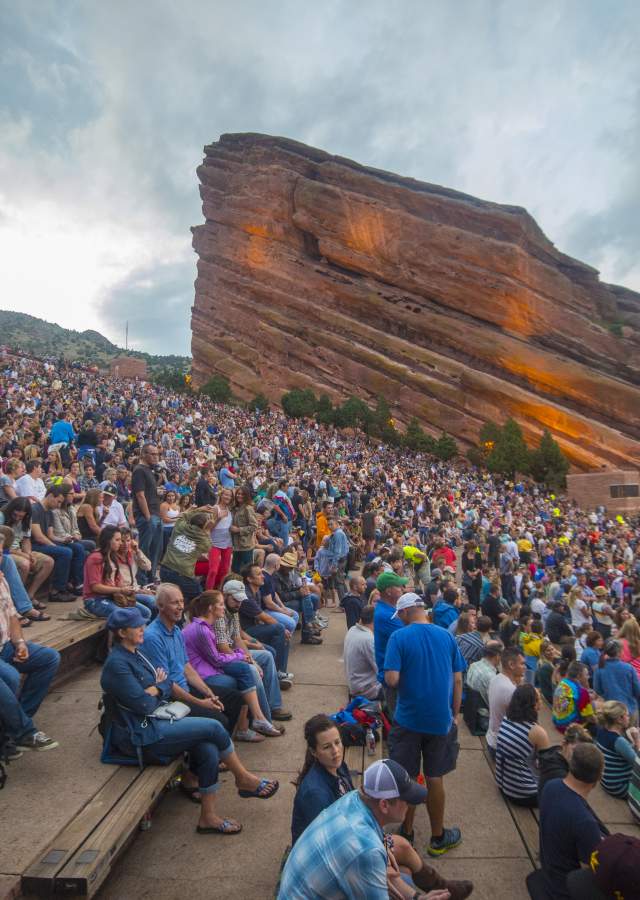
It’s important to reiterate that “Red Rock Colorado” isn’t a singular geographical entity but rather a descriptor for the breathtaking natural beauty found in various locations. When people speak of “Red Rock Colorado,” they are often referring to the collective experience of encountering these vibrant, sculpted landscapes that are a signature feature of the state’s geology and natural heritage.
Planning Your Red Rock Adventure in Colorado
To make the most of your journey into Colorado’s red rock country, thoughtful planning is essential. From choosing your ideal destination to booking suitable accommodation, understanding the local environment, and preparing for your activities, a little foresight goes a long way.
Choosing Your Red Rock Destination
The “best” red rock destination in Colorado depends on your interests and the type of experience you’re seeking.
- For easy access and iconic formations: Garden of the Gods Park in Colorado Springs is the prime choice. It offers a wide range of activities and is easily integrated into a broader Colorado itinerary.
- For a wilder, more natural experience near Denver: Roxborough State Park provides a more secluded encounter with red rock geology.
- For grand canyon vistas and a true Western feel: The Colorado National Monument near Grand Junction is unparalleled. This is the place for immersive scenic drives and hikes amidst towering cliffs.
- For dramatic, ancient geology and a unique challenge: The Black Canyon of the Gunnison National Park offers a starkly beautiful, albeit less conventionally “red,” geological spectacle.
Accommodation Options in Red Rock Country
Your choice of accommodation will depend on the location you select and your travel style. The areas surrounding these red rock destinations offer a range of options.
- Hotels and Resorts: Cities like Colorado Springs, Grand Junction, and Montrose provide a full spectrum of hotels, from budget-friendly motels to upscale resorts. These offer convenient access to the parks, amenities, and dining options. For instance, near Garden of the Gods, you might find options like the The Broadmoor for a luxury resort experience, or various chain hotels closer to the park entrance. In Grand Junction, options like the Hotel Maverick or other comfortable hotels cater to visitors of the Colorado National Monument.
- Vacation Rentals and Apartments: For longer stays or for those seeking a more independent experience, vacation rentals and apartments are widely available in the towns and cities near the parks. These can be ideal for families or groups.
- Camping: Many state and national parks, including Colorado National Monument and the surrounding areas, offer campgrounds. This is a fantastic way to immerse yourself in the natural environment and wake up to stunning red rock vistas. Booking in advance, especially during peak season, is highly recommended.
- Bed & Breakfasts and Boutique Stays: For a more intimate and personalized experience, look for local bed and breakfasts or boutique accommodations that offer a unique charm reflecting the regional character.
Embracing the Outdoors: Activities and Tips
The primary allure of Colorado’s red rock country is its natural beauty and the opportunities for outdoor adventure.
- Hiking and Trails: Always wear appropriate footwear, carry plenty of water, and check trail conditions before you go. Many trails are exposed, so sun protection is crucial.
- Photography: The dramatic light and shadows in red rock landscapes are a photographer’s dream. Early morning and late afternoon light offer the most striking colors and depth.
- Wildlife Awareness: Be mindful of local wildlife. Maintain a safe distance, do not feed animals, and be aware of your surroundings, especially if hiking in less populated areas.
- Weather Preparedness: Mountain weather can change rapidly. Be prepared for a range of conditions, from intense sun to sudden thunderstorms, especially during the summer months.
- Leave No Trace: Practice Leave No Trace principles to help preserve these beautiful environments for future generations. This includes packing out everything you pack in, staying on marked trails, and respecting wildlife.
- Visitor Centers: Utilize park visitor centers for maps, information, ranger programs, and expert advice on the best trails and viewpoints.
Beyond the Red Rocks: Local Culture and Experiences
While the geological formations are undoubtedly the main draw, the regions surrounding Colorado’s red rock country offer rich cultural experiences, charming towns, and culinary delights that enhance any trip.
Exploring Local Towns and Communities
The gateway towns to these natural wonders often boast their own unique character and history.
- Colorado Springs: A vibrant city with a strong tourism infrastructure, offering a wide array of dining, shopping, and entertainment options. It’s also home to other attractions like Pikes Peak.
- Grand Junction: The largest city in western Colorado, Grand Junction serves as a hub for exploring the Colorado National Monument and the surrounding wine country. It features a charming downtown area with galleries, shops, and restaurants.
- Montrose: A gateway to the Black Canyon of the Gunnison National Park, Montrose is a friendly town with a rich Western heritage.
Culinary Delights and Local Flavors
Sampling local cuisine is an integral part of any travel experience. In Colorado‘s red rock regions, you’ll find a mix of hearty Western fare, farm-to-table ingredients, and innovative culinary scenes.
- Farm-to-Table: Many restaurants in the region emphasize locally sourced ingredients, reflecting Colorado‘s agricultural heritage.
- Western Cuisine: Expect to find classic dishes like bison burgers, trout, and other mountain-inspired meals.
- Craft Breweries and Wineries: Colorado has a booming craft beverage scene. Explore local breweries in Colorado Springs and Grand Junction, and discover the burgeoning wine region around Grand Junction.

Understanding the History and Heritage
The red rock landscapes are not only geologically significant but also hold historical and cultural importance. These lands have been home to Indigenous peoples for millennia, and later, they played a role in the exploration and settlement of the American West. Many areas have interpretative signs and visitor center exhibits that delve into this rich past.
In conclusion, while there isn’t a single “Red Rock, Colorado,” the term beautifully encapsulates the breathtaking allure of the state’s magnificent red sandstone formations and canyons. From the accessible grandeur of Garden of the Gods Park to the majestic depths of the Colorado National Monument, these iconic landscapes offer unforgettable journeys into the heart of Colorado‘s natural splendor. By understanding their locations, planning your accommodations and activities, and embracing the surrounding local culture, you can embark on an extraordinary adventure through this spectacular corner of the American West.
LifeOutOfTheBox is a participant in the Amazon Services LLC Associates Program, an affiliate advertising program designed to provide a means for sites to earn advertising fees by advertising and linking to Amazon.com. Amazon, the Amazon logo, AmazonSupply, and the AmazonSupply logo are trademarks of Amazon.com, Inc. or its affiliates. As an Amazon Associate we earn affiliate commissions from qualifying purchases.