
Riverside, California, a city nestled within the vibrant landscape of Southern California, holds a significant geographical and historical position. Understanding its location is key to appreciating its unique character, diverse attractions, and its role as a gateway to various experiences across the Golden State. This article delves into the precise placement of Riverside, exploring its immediate surroundings, its connection to major Californian thoroughfares, and its broader significance within the context of regional and national geography.
Geographical Placement and Immediate Surroundings
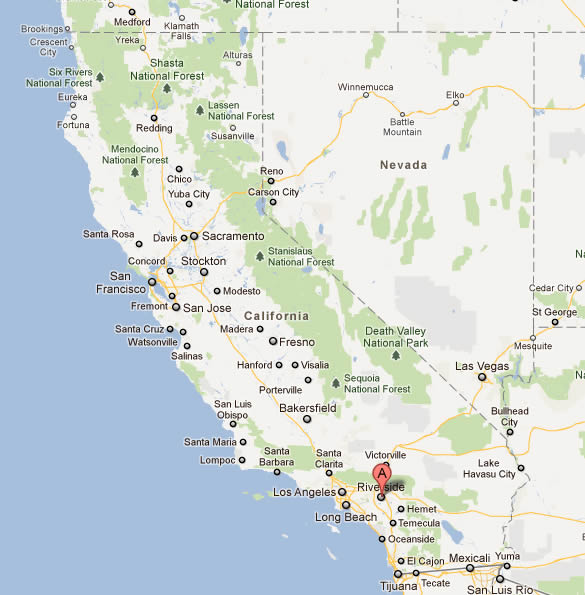
Riverside is strategically situated in western Riverside County, California. It is approximately 60 miles east of Los Angeles, placing it within the extensive Los Angeles metropolitan area while maintaining its distinct identity. The city lies at the heart of the Inland Empire, a rapidly growing region characterized by a diverse economy and a mix of urban, suburban, and natural landscapes.

Proximity to Major Cities and Regions
- Los Angeles: The immense urban sprawl of Los Angeles is the most prominent nearby metropolitan center. This proximity offers residents and visitors easy access to world-class entertainment, cultural institutions, and international airports like Los Angeles International Airport.
- Orange County: To the southwest of Riverside lies Orange County, known for its beautiful beaches and theme parks.
- San Bernardino County: Directly to the north, San Bernardino County shares a border with Riverside, with cities like San Bernardino and Ontario also forming part of the Inland Empire.
- San Diego County: Further south, San Diego County beckons with its coastal charm and rich history.
Natural Features and Topography
Riverside’s location is shaped by significant natural features. The city is situated along the Santa Ana River, a vital watercourse that flows through Southern California. The surrounding terrain includes rolling hills and the foothills of the San Bernardino Mountains to the northeast, offering scenic vistas and recreational opportunities. The elevation of Riverside varies, but it generally sits at an average of around 980 feet above sea level, contributing to its relatively dry and sunny climate. The fertile soil in the region, particularly in the historical context of citrus cultivation, has played a crucial role in the area’s development.
Transportation Networks and Connectivity
The strategic placement of Riverside is further amplified by its robust transportation infrastructure, facilitating seamless travel to and from the city and connecting it to broader regional and national networks. This accessibility is a cornerstone of its appeal for residents, businesses, and tourists alike.
Major Freeways and Highways
Riverside is a nexus of several key freeways, making it a highly accessible destination.
- State Route 60 (SR 60): Also known as the Pomona Freeway, this major east-west artery connects Riverside directly to the San Gabriel Valley and the greater Los Angeles area. It also extends eastward, providing access to other Inland Empire communities.
- State Route 91 (SR 91): Known as the Riverside Freeway, this vital east-west route traverses the heart of Orange County and the Inland Empire, linking Riverside to coastal cities and beyond.
- Interstate 215 (I-215): This north-south freeway is a critical corridor for Riverside, connecting it to cities like San Bernardino to the north and extending south towards Murrieta and Temecula. It serves as a primary artery for regional commerce and commuting.
- Interstate 10 (I-10): While not directly within Riverside, Interstate 10 is easily accessible and provides a major east-west route across Southern California and into the desert communities and Arizona.
Air Travel and Public Transportation
For those traveling from further afield, Riverside is well-served by major airports:
- Ontario International Airport (ONT): Located just a short drive northwest of Riverside, Ontario International Airport offers a convenient option for domestic and some international flights, with increasing passenger and cargo services.
- LA/Ontario International Airport: Another name for Ontario International Airport.
- John Wayne Airport (SNA): Situated in Orange County, this airport is a viable option for travelers preferring a southern route.
- Los Angeles World Airports (LAX): The primary international gateway for Southern California, Los Angeles International Airport, is accessible from Riverside, though typically requires a longer drive.
Public transportation within Riverside is provided by the Riverside Transit Agency (RTA), which operates a comprehensive bus system connecting various neighborhoods and key destinations within the city and to neighboring communities. The Metrolink commuter rail service also serves Riverside, offering a sustainable and efficient way to travel to other parts of Southern California, including Los Angeles and San Bernardino.
Historical and Cultural Significance of Location

Riverside’s location is deeply intertwined with its rich history and cultural development. The city is not just a geographical point but a place with a story, shaped by its environment and its people.
The Birthplace of the California Citrus Industry
One of Riverside’s most significant historical claims to fame is its role as the birthplace of the commercial citrus industry in California. In 1873, Eliza Tibbets, a resident of Riverside, planted two Navel orange trees that she had received from Brazil. These trees thrived in the region’s climate and soil, yielding exceptionally sweet and seedless fruit. The success of these trees sparked a massive expansion of citrus groves throughout Southern California, transforming the landscape and economy of the area for decades. Visitors can still learn about this legacy at places like the California Citrus State Historic Park, which preserves orchards and exhibits detailing this pivotal era.
The Mission Inn Hotel & Spa
A landmark that embodies Riverside’s historical grandeur and its connection to its origins is the Mission Inn Hotel & Spa. This iconic hotel, a National Historic Landmark, is a stunning example of Spanish Colonial Revival architecture and has hosted numerous presidents and dignitaries. Its sprawling complex, filled with art, artifacts, and beautiful courtyards, offers a tangible link to the opulent era of California’s early development. The hotel’s location in the heart of downtown Riverside makes it a focal point for visitors exploring the city’s heritage.
Educational and Research Hub
Riverside’s location also positions it as a significant center for education and research. It is home to the flagship campus of the University of California, Riverside (UCR), a renowned public research university. UCR’s presence contributes to the city’s intellectual vibrancy and economic landscape, attracting students, faculty, and researchers from around the world. The university’s research endeavors, particularly in areas like environmental science, agricultural science, and public policy, often draw upon and inform the understanding of the surrounding region’s ecological and social dynamics.
Riverside as a Gateway to Experiences
Beyond its immediate geographical boundaries, Riverside’s location serves as a strategic starting point for exploring a wide array of destinations and experiences across Southern California. Its connectivity allows for easy day trips and longer excursions, making it an ideal base for travelers.
Coastal Adventures and Beach Towns
With its relatively close proximity to the Pacific coast, Riverside offers convenient access to Southern California’s famed beaches. Destinations like Huntington Beach, Newport Beach, and Laguna Beach are typically a one to two-hour drive away, depending on traffic. These coastal havens provide opportunities for sunbathing, surfing, exploring charming beach towns, and enjoying fresh seafood.
Mountain Retreats and Natural Parks
For those seeking cooler climes and natural beauty, the mountains surrounding Riverside offer excellent escape routes. The San Bernardino Mountains are within driving distance, providing access to recreational areas like Big Bear Lake and Lake Arrowhead, popular for hiking, boating, and winter sports. Further afield, national forests and state parks offer vast expanses of wilderness for exploration.
Theme Parks and Entertainment
Southern California is synonymous with world-class entertainment, and Riverside’s location puts it within reach of many iconic attractions. Disneyland Resort in Anaheim, Knott’s Berry Farm also in Buena Park, and numerous other amusement parks are accessible for memorable family outings.
Wine Country and Desert Landscapes
Venturing further afield, Riverside serves as a gateway to distinct regional experiences. To the south, the fertile valleys of Temecula are renowned for their burgeoning wine scene, offering wine tasting tours and picturesque vineyard landscapes. To the east, the arid beauty of the Mojave Desert and destinations like Palm Springs and Joshua Tree National Park offer unique desert ecosystems, modernist architecture, and outdoor adventure.
In essence, Riverside, California, is more than just a dot on the map; it is a strategically positioned city with a rich historical tapestry, a dynamic present, and a promising future. Its location within the vast Southern California landscape, coupled with its excellent connectivity and access to diverse attractions, solidifies its importance as a significant urban center and a desirable destination for exploration and experience.
LifeOutOfTheBox is a participant in the Amazon Services LLC Associates Program, an affiliate advertising program designed to provide a means for sites to earn advertising fees by advertising and linking to Amazon.com. Amazon, the Amazon logo, AmazonSupply, and the AmazonSupply logo are trademarks of Amazon.com, Inc. or its affiliates. As an Amazon Associate we earn affiliate commissions from qualifying purchases.