
Santa Rosa County is a geographically diverse and historically rich region situated in the western portion of the Florida Panhandle. As part of the Pensacola Metropolitan Area, it serves as a vital bridge between the bustling urban centers of Northwest Florida and the tranquil, undeveloped landscapes of the Gulf Coast. To understand the location of Santa Rosa County, one must look at the northernmost reaches of the Sunshine State, where the land meets the Alabama border to the north and the emerald waters of the Gulf of Mexico to the south.
The Geographical Framework of Santa Rosa County
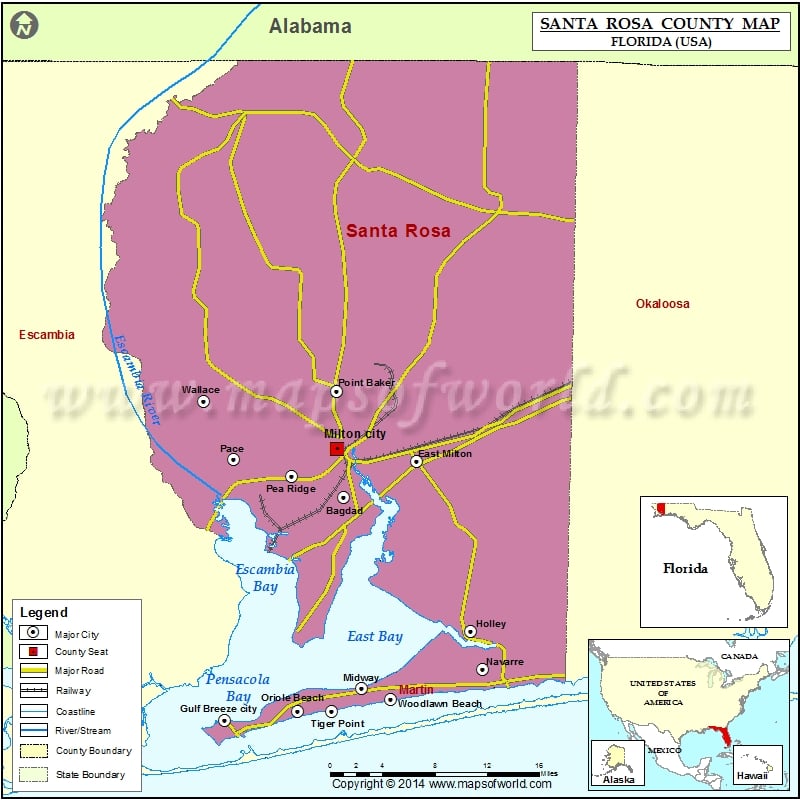
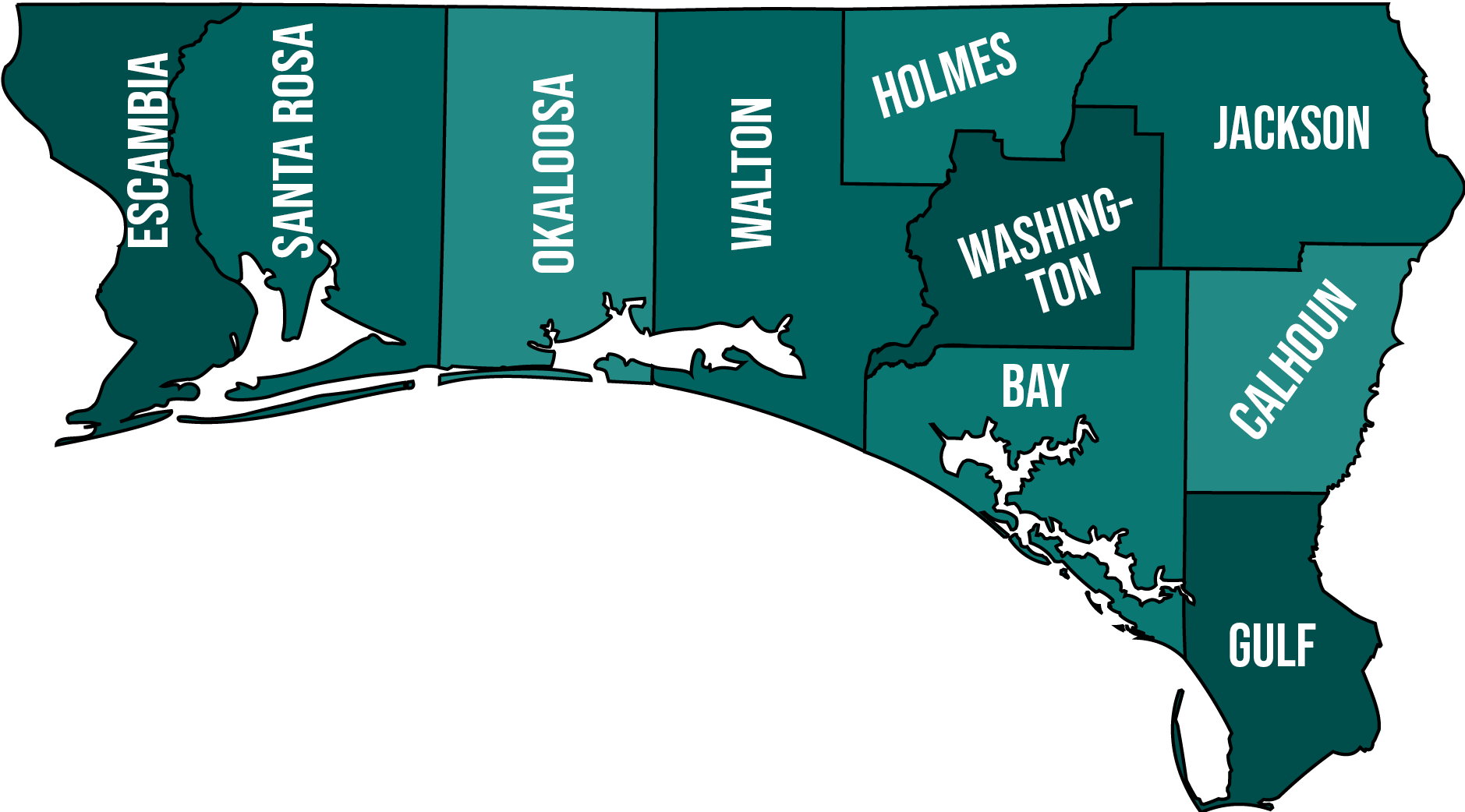
The location of Santa Rosa County is defined by its unique boundaries and its orientation within North America. It is flanked to the west by Escambia County and to the east by Okaloosa County. This positioning makes it a central corridor for those traveling between Pensacola and Destin. The county covers approximately 1,174 square miles, featuring a transition from rolling pine hills in the north to white-sand barrier islands in the south.
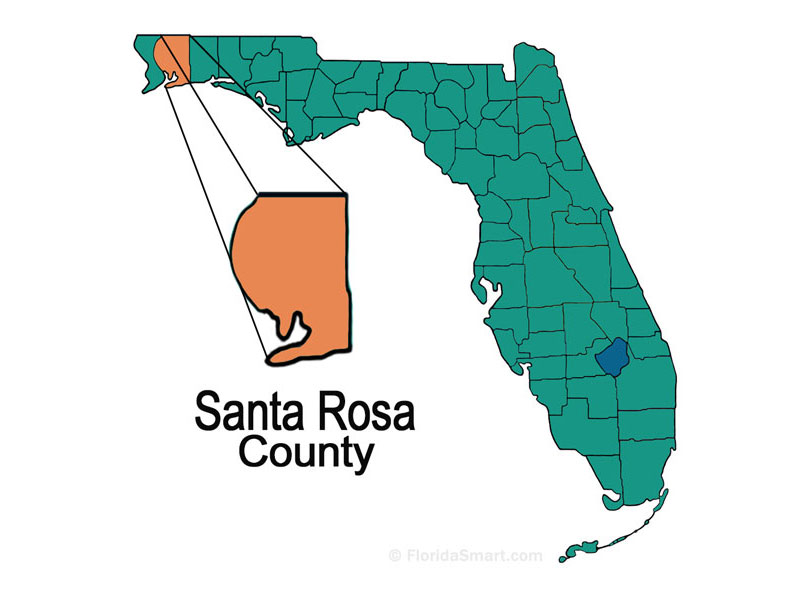
Borders and Waterways
The northern border of the county is a straight line shared with the state of Alabama, specifically bordering Escambia County, Alabama and Conecuh County. However, the southern and western boundaries are defined more fluidly by water. The Escambia River forms the western border, separating it from Pensacola. To the south, the county opens into the Santa Rosa Sound, Pensacola Bay, and East Bay. These waterways are essential landmarks in their own right, providing both a physical boundary and a foundation for the local ecosystem.
Key Municipalities and Hubs
The county seat is Milton, one of the oldest cities in Florida. Located in the heart of the county, Milton serves as the historic and administrative hub. To the south lies Gulf Breeze, a suburban community situated on a peninsula, and Navarre, which has grown rapidly into a major coastal destination. In the northern reaches, the town of Jay represents the county’s agricultural roots, while Pace serves as a primary residential center for those working in nearby Pensacola.
Natural Landmarks: From the Forest to the Sea
Santa Rosa County is home to some of the most significant natural landmarks in the United States. The geography of the region allows for a rare combination of riverine systems, dense woodlands, and coastal dunes, each hosting a variety of flora and fauna unique to West Florida.
Blackwater River State Forest
Occupying a massive portion of the northern and central county, the Blackwater River State Forest is a premier natural landmark. It is one of the largest state forests in Florida and is managed by the Florida Forest Service. The forest is named after the Blackwater River, a “sand-bottom” river that is considered one of the purest in the world. The river’s dark, tea-colored water—stained by tannins from vegetation—contrasts sharply with the brilliant white quartz sandbars. This area is often referred to as the “Canoe Capital of Florida,” a title that highlights its status as a landmark for outdoor enthusiasts and conservationists alike.
Navarre Beach and the Gulf Islands National Seashore
On the southern edge of the county lies Navarre Beach, a landmark known for its uncrowded shores and “emerald” waters. A significant portion of this coastal area is protected within the Gulf Islands National Seashore. This federally protected landmark ensures that the dunes and maritime forests remain in their natural state, providing a sanctuary for nesting sea turtles and migratory birds. The sand here is a geological marvel, composed of nearly 100% pure quartz that washed down from the Appalachian Mountains over millions of years, resulting in a texture and color that is iconic to the Emerald Coast.
Yellow River Marsh Preserve State Park
Another vital ecological landmark is the Yellow River Marsh Preserve State Park. Located near Milton, this park protects one of the last remaining tracts of wet prairie in Florida. It is home to the largest community of pitcher plants in the state, making it a critical landmark for botanists and nature photographers. The Yellow River itself meanders through the county, creating a diverse wetland habitat that supports a vast array of wildlife, including the rare Gulf Sturgeon.
Historical and Architectural Landmarks
The location of Santa Rosa County has historically made it a center for industry, particularly lumber and brickmaking. These industries left behind architectural and archaeological landmarks that tell the story of the region’s development from the early 19th century through the Civil War and into the modern era.
Arcadia Mill Archaeological Site
The Arcadia Mill Archaeological Site is perhaps the most significant historical landmark in the county. Located in Milton, this site was the location of the largest antebellum industrial complex in Florida. From 1817 to 1855, the complex included a water-powered sawmill, a cotton textile mill, and a bucket factory. Today, managed by the University of West Florida, the site features boardwalks that lead visitors through the ruins of the stone dams and mill foundations. It serves as a hauntingly beautiful landmark that bridges the gap between the industrial past and the natural beauty of the Florida Panhandle.
The Imogene Theatre
In the heart of downtown Milton, the Imogene Theatre stands as a testament to early 20th-century architecture. Built in 1912, this three-story brick building has served as a center for performing arts and community gatherings for over a century. Its distinctive design and survival through various hurricanes and economic shifts make it a focal point of the Milton Historic District. The theatre is a prominent landmark for those interested in the cultural history of Santa Rosa County.
Bagdad Village Historic District
Adjacent to Milton is the community of Bagdad, which once housed the Bagdad Lumber Company. The Bagdad Village Historic District is characterized by its well-preserved Victorian and Southern Vernacular cottages. This landmark area provides a glimpse into the life of the workers and owners of the lumber mills that once fueled the economy of Northwest Florida. The architectural consistency of the district makes it a unique visual landmark within the county.
Modern Landmarks and Infrastructure
While the natural and historic sites define much of the county’s character, modern engineering and educational landmarks also play a role in its identity. These landmarks facilitate the movement of people and provide specialized experiences for visitors and residents.
Navarre Beach Fishing Pier
The Navarre Beach Fishing Pier is a modern landmark that holds the distinction of being the longest fishing pier in the state of Florida and the Gulf of Mexico. Extending over 1,500 feet into the sea, the pier offers unparalleled views of the coastline and the marine life below. It serves as a central gathering point for the community of Navarre and a major attraction for those visiting the southern part of the county.
The Gulf Breeze Zoo
Located off Highway 98, the Gulf Breeze Zoo is a 50-acre wildlife park that has become a regional landmark. It houses over 800 animals from around the world and features a famous safari train. The zoo serves as an educational landmark, offering insights into global conservation efforts while situated in the suburban landscape of Gulf Breeze.
Pensacola Bay Bridge
Connecting Gulf Breeze to the city of Pensacola, the Pensacola Bay Bridge is an essential piece of infrastructure and a landmark of modern engineering. Known locally as the “Three Mile Bridge,” its recent reconstruction has made it a symbol of the region’s resilience. The bridge offers stunning panoramic views of Pensacola Bay and serves as the primary gateway for thousands of commuters and travelers every day.
Navarre Beach Marine Science Center
As an educational landmark, the Navarre Beach Marine Science Center promotes the conservation of the local marine environment. Located within Navarre Beach Marine Park, this facility provides hands-on learning experiences about the ecosystems of the Santa Rosa Sound. It is a key landmark for those looking to understand the delicate balance of the coastal habitats in Santa Rosa County.
Santa Rosa County is far more than just a spot on the map of the United States. Its location in the Florida Panhandle places it at a crossroads of natural wonder, historical significance, and modern growth. Whether defined by the towering pines of the Blackwater River State Forest or the white sands of Navarre Beach, the landmarks within this county offer a comprehensive look at the diverse character of Florida.
LifeOutOfTheBox is a participant in the Amazon Services LLC Associates Program, an affiliate advertising program designed to provide a means for sites to earn advertising fees by advertising and linking to Amazon.com. Amazon, the Amazon logo, AmazonSupply, and the AmazonSupply logo are trademarks of Amazon.com, Inc. or its affiliates. As an Amazon Associate we earn affiliate commissions from qualifying purchases.