
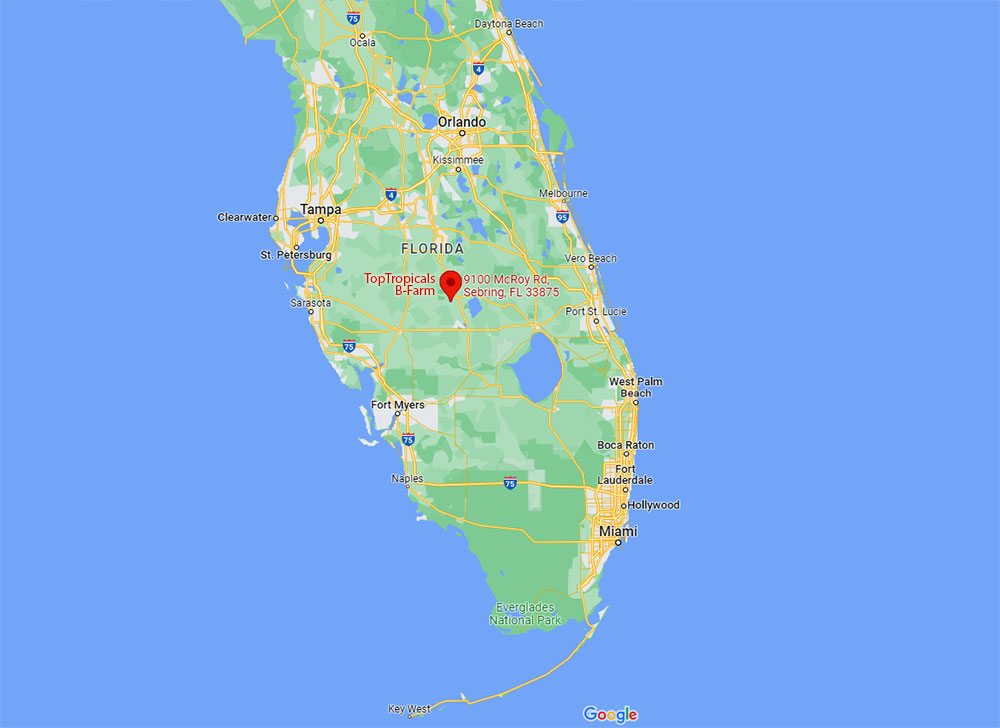
To understand where Sebring is located, one must first look at the very heart of the Florida peninsula. Known affectionately as the “City on the Circle,” Sebring serves as the county seat of Highlands County. If you were to place a finger directly in the center of a map of Florida, slightly south of the midway point between the Atlantic Ocean and the Gulf of Mexico, you would find this historic city nestled among rolling hills and ancient citrus groves.
Pinpointing Sebring in the Heart of Florida
Geographically, Sebring sits on the Lake Wales Ridge, a unique geological formation that represents one of the oldest parts of North America. This ridge provides a slightly higher elevation than the coastal plains, offering a rolling landscape that is quite distinct from the flat marshlands typically associated with the Sunshine State.
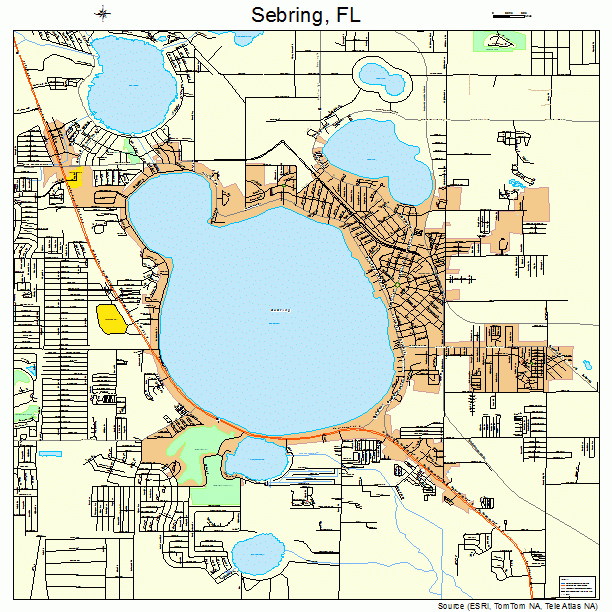
The Geographic Coordinates and Layout
Specifically, the city is positioned at approximately 27.49 degrees north latitude and 81.44 degrees west longitude. On a standard road map, you will find Sebring at the intersection of U.S. Route 27 and State Road 17. This location makes it a vital transit point for travelers moving between the northern reaches of Central Florida and the expansive Everglades to the south. The city itself is anchored by the stunning Lake Jackson, a nearly circular freshwater lake that defines the western edge of the downtown area.
The Hub of the Florida Heartland
Sebring is the principal city of the Sebring-Avon Park Metropolitan Statistical Area. It is bordered to the north by Avon Park and to the south by Lake Placid. For those traveling by map, it acts as a gateway to the Florida Heartland, an area characterized by its agricultural heritage, vast ranch lands, and a significant lack of the urban sprawl found in Miami or Orlando.
Navigating the Natural Landscapes of Highlands County
When looking at Sebring on a map, the sheer volume of blue space surrounding the city is striking. This region is part of the Kissimmee River basin, and the topography is defined by dozens of freshwater lakes that offer a playground for boaters, anglers, and nature enthusiasts.
Highlands Hammock State Park: A Verdant Treasure
Just a few miles west of the city center lies Highlands Hammock State Park, one of Florida’s oldest and most ecologically diverse state parks. On a physical map, this area appears as a dense green canopy. Established in 1931, the park preserves a virgin hardwood hammock and offers travelers a glimpse into the primordial landscape of the state. Visitors can explore the Cypress Swamp Catwalk or hike the Ancient Hammock Trail, making it a primary destination for those using Sebring as a base for eco-tourism.
The Lakes of Sebring: Jackson and Istokpoga
Lake Jackson is the most prominent water feature within the city limits, spanning over 3,000 acres. Its clear waters and sandy bottom make it a favorite for swimming and paddleboarding. However, if you look slightly southeast on the map, you will see the massive Lake Istokpoga. As one of the largest lakes in Florida, Lake Istokpoga is world-renowned for trophy bass fishing. The proximity of these water bodies ensures that the travel experience in Sebring is always centered around the natural serenity of the inland waterways.
Proximity to Florida’s Major Metropolitan Hubs
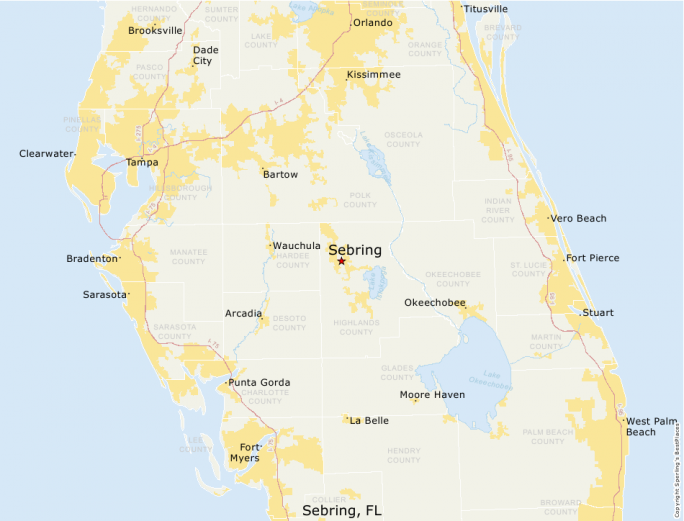
One of the most appealing aspects of Sebring for the modern traveler is its strategic location. It offers a quiet, small-town atmosphere while remaining within a two-hour drive of several of Florida’s largest cities and major attractions.
Reaching Sebring from Orlando and Tampa
If you are starting your journey in Orlando, you will head south for approximately 85 miles, typically via Interstate 4 and U.S. Route 27. This drive takes you through the heart of the citrus corridor, passing Lake Wales and the famous Bok Tower Gardens. From Tampa, the drive is roughly 90 miles to the east, making Sebring an ideal weekend getaway for residents of the Gulf Coast.
A Strategic Stop on a South Florida Road Trip
For those traveling north from Miami or Fort Lauderdale, Sebring is located about 150 miles away. The route usually involves taking the Florida Turnpike to Yeehaw Junction or navigating through the scenic ranch lands of Okeechobee. Its position makes it a natural stopping point for travelers venturing from the southern tip of the state toward the Panhandle or North Florida. Additionally, the city is a convenient distance from Fort Myers and Sarasota, further cementing its status as the central crossroads of the peninsula.
The Unique Urban Design: The City on the Circle
Unlike the traditional grid systems found in many American cities, the historic center of Sebring is designed around a circular park. This unique layout is instantly recognizable on any detailed city map and provides a charming focal point for visitors.
Exploring Downtown Sebring
The Sebring Downtown Historic District is centered on Circle Drive. From this central hub, streets radiate outward like the spokes of a wheel. This area is home to a variety of local boutiques, art galleries, and cafes. Travelers can enjoy a walk around the circle, visiting the Highlands Art League or catching a performance at the Highlands Little Theatre. The architecture here reflects the Florida Boom era of the 1920s, offering a nostalgic atmosphere that is rare in the more modernized coastal regions.
Sebring International Raceway: A Global Landmark
While the city center is peaceful, the southeastern edge of Sebring hosts one of the most famous landmarks in the world of motorsports: the Sebring International Raceway. Occupying a portion of the former Hendricks Army Airfield, this track is the oldest permanent road racing facility in the United States. It is best known for hosting the Twelve Hours of Sebring, an endurance race that attracts thousands of international visitors every March. On a map, the raceway is a sprawling complex that dominates the landscape near the Sebring Regional Airport.
Practical Travel Advice for Your Visit
Finding Sebring on a map is only the first step; understanding the regional climate and local logistics is essential for a successful trip. The area experiences a humid subtropical climate, which means travelers should prepare for warm weather year-round.
Best Times to Visit the Interior
The most popular time to visit Sebring is between November and April. During these months, the humidity is lower, and the temperatures are mild, making it perfect for outdoor activities like golfing on the Citrus Golf Trail or birdwatching along the Ridge Scenic Highway. If you are visiting in the summer, expect afternoon thunderstorms and high heat, which are characteristic of the Florida interior.
Moving Beyond the Map: Local Experiences
When you arrive in Sebring, you will find that the city is incredibly accessible by car. While the city is small enough to navigate easily, having a vehicle is necessary to explore the surrounding treasures like Lake Okeechobee to the south or the various state forests. For those who prefer a slower pace, the Amtrak station in Sebring provides rail connections to Jacksonville, Tampa, and Miami, offering a unique way to reach this hidden gem of Highlands County.
Whether you are drawn by the roar of engines at the Sebring International Raceway or the quiet rustle of palms at Highlands Hammock State Park, Sebring stands as a testament to the diverse beauty of the Florida landscape. Its central position on the map is not just a geographic fact, but a symbol of its role as the welcoming heart of the state.
LifeOutOfTheBox is a participant in the Amazon Services LLC Associates Program, an affiliate advertising program designed to provide a means for sites to earn advertising fees by advertising and linking to Amazon.com. Amazon, the Amazon logo, AmazonSupply, and the AmazonSupply logo are trademarks of Amazon.com, Inc. or its affiliates. As an Amazon Associate we earn affiliate commissions from qualifying purchases.