
Sedona, Arizona is a name that conjures images of majestic red rock formations, vibrant artistic communities, and a profound sense of spiritual tranquility. For many, its reputation precedes its exact geographical placement, drawing travelers from across the globe to experience its unique blend of natural beauty and mystical energy. But for those planning a trip, or simply curious about this iconic destination, the fundamental question remains: where exactly is Sedona, Arizona on a map? Understanding its location is not merely a matter of pinpointing coordinates; it’s about appreciating its accessibility, its proximity to other major attractions, and how its setting fundamentally shapes the unparalleled travel, tourism, and lifestyle experiences it offers.
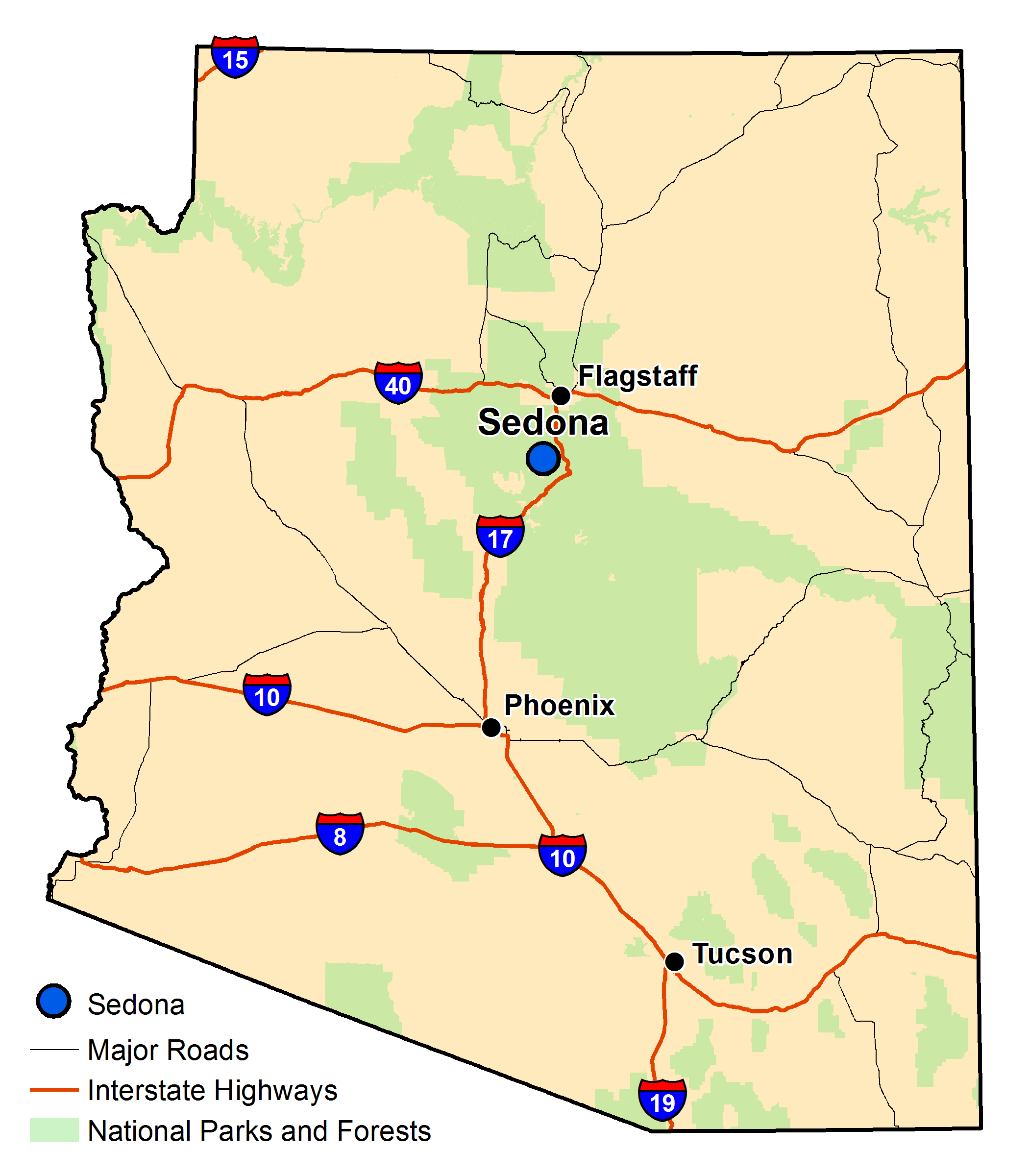
Nestled in the high desert of Arizona, Sedona is more than just a dot on the map; it’s a gateway to adventure, relaxation, and discovery. Its strategic placement in the heart of the state makes it an ideal base for exploring a wider region rich in natural wonders and historical significance. From luxury resorts offering panoramic views to charming boutique hotels and budget-friendly accommodations, Sedona’s location underpins every aspect of a visitor’s journey, making it a pivotal piece of information for anyone looking to unlock the magic of this extraordinary Southwestern gem.
Pinpointing Sedona on the Map
To truly grasp the essence of Sedona, one must first locate it precisely within the vast and diverse landscape of Arizona. Its position is a key factor in its appeal, offering a unique blend of desert grandeur and accessible convenience.
Geographical Coordinates and Location
Sedona is situated in the north-central part of Arizona, approximately 30 miles south of the city of Flagstaff and about 120 miles north of Phoenix, the state capital and largest city. This puts it at the southern end of the stunning Oak Creek Canyon and nestled within the scenic Verde Valley. The city’s elevation sits around 4,500 feet above sea level, providing a distinct climate from the lower desert regions of Phoenix, with cooler temperatures and four distinct seasons, albeit mild ones.
The primary arteries connecting Sedona to the rest of Arizona are Interstate 17 (I-17), which runs north-south through the state, and State Route 179 (SR 179) and U.S. Route 89A (US 89A), both leading directly into the heart of the town. SR 179 is famously known as the Red Rock Scenic Byway, offering breathtaking views from the moment visitors exit I-17 and begin their descent into Sedona. This well-defined road network makes Sedona remarkably accessible, allowing travelers to easily integrate it into broader Southwestern itineraries.
The Allure of the Red Rocks
Sedona’s exact location is inextricably linked to its most defining feature: the iconic red rock formations that dominate its skyline. Known as Red Rock Country, this geological masterpiece is a result of millions of years of erosion, exposing layers of rust-colored sandstone. These towering monoliths, natural spires, and expansive mesas are not just beautiful backdrops; they are the very essence of Sedona’s identity and a primary draw for tourism.
The specific type of rock found here, particularly the Schnebly Hill Formation, is rich in iron oxide, which gives it its distinctive red and orange hues, especially vibrant at sunrise and sunset. This geological wonder creates a unique ecosystem, where desert flora and fauna thrive amidst the dramatic scenery. The presence of these red rocks defines the activities available, from world-class hiking and mountain biking trails that weave through their bases to the spiritual seekers who come to experience the renowned energy vortexes believed to emanate from these ancient formations. The landscape is not just a view; it’s an immersive experience that shapes every visit.
Getting to Sedona: Transportation and Accessibility
The journey to Sedona is often as captivating as the destination itself, thanks to its accessible location relative to major transportation hubs and the scenic routes that lead into its heart. Understanding how to get there is crucial for planning any trip, whether it’s a quick weekend getaway or part of a longer Arizona adventure.
Major Airports and Driving Routes
For most visitors traveling from outside Arizona, the primary gateway to Sedona is Phoenix Sky Harbor International Airport (PHX). This major airport serves as a hub for numerous airlines, offering a wide range of domestic and international flights. From PHX, Sedona is a scenic two-hour drive north on I-17, followed by the picturesque SR 179. This drive is itself an introduction to the dramatic landscapes of central Arizona, transforming from arid desert to pine forests before descending into the Red Rock Country.
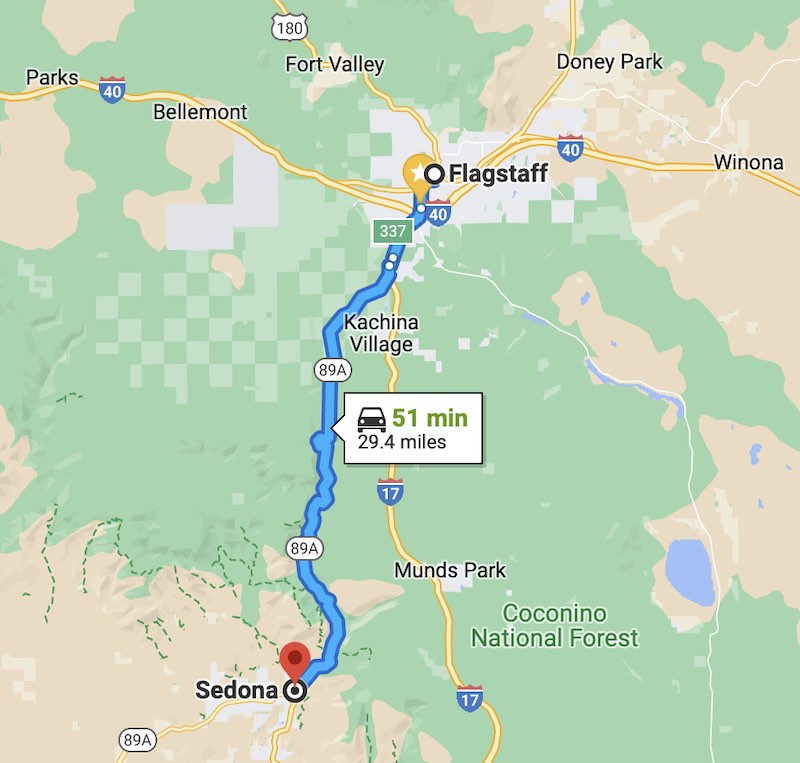
A closer, albeit smaller, alternative is Flagstaff Pulliam Airport (FLG). While FLG offers fewer direct flights, it can be a convenient option for those flying from certain regional cities. The drive from Flagstaff to Sedona is a stunning 45-minute to hour-long journey via US 89A through Oak Creek Canyon. This route is renowned for its breathtaking beauty, winding descent, and lush creek-side scenery, making it a destination in itself, particularly popular during the vibrant autumn months.
Regardless of the chosen airport, renting a car is highly recommended for visiting Sedona. While shuttle services are available from Phoenix, having personal transportation offers the flexibility to explore the numerous trailheads, scenic overlooks, and surrounding towns at one’s own pace, optimizing the travel experience.
Navigating Within Sedona
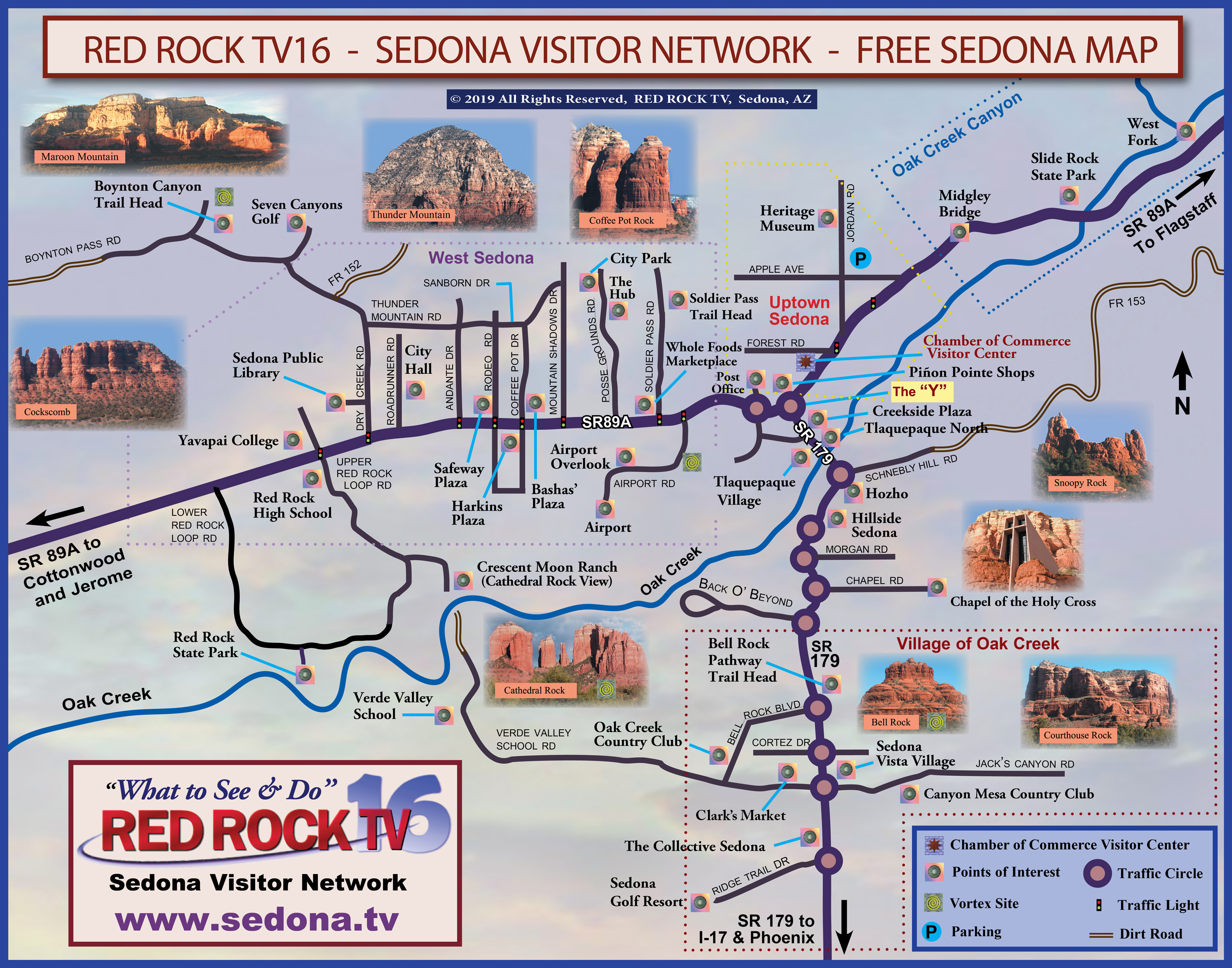
Once in Sedona, understanding its layout helps in exploring its many attractions. The town is primarily spread along SR 89A and SR 179, with key areas including Uptown Sedona, West Sedona, and the Village of Oak Creek (a community just south of Sedona proper, but often considered part of the greater Sedona area for tourism purposes).
Uptown Sedona is the bustling heart of the town, offering numerous shops, art galleries, restaurants, and tour operators. It’s quite walkable for exploring its immediate offerings. West Sedona is more residential but also hosts many businesses, supermarkets, and access points to popular hiking trails. The Village of Oak Creek offers a slightly quieter atmosphere with its own array of resorts, golf courses, and direct access to prominent landmarks like Bell Rock and Cathedral Rock.
While a car is invaluable for reaching trailheads and exploring the wider region, visitors can also utilize local trolley tours, jeep tours, and shuttle services for specific attractions or guided experiences. Some hotels offer their own shuttle services, particularly those located outside the immediate downtown area. However, for maximum freedom and to truly embrace the varied attractions from spiritual vortexes to fine dining and art galleries, a personal vehicle remains the most practical choice.
Why Sedona’s Location Enhances the Travel Experience
The geographical placement of Sedona is a significant factor in its appeal, transforming it from a mere destination into a strategic hub for diverse travel and lifestyle experiences. Its location doesn’t just offer beautiful scenery; it provides unparalleled access to a wealth of activities, landmarks, and other natural wonders, enriching every visit.
Proximity to World-Class Attractions
One of Sedona’s most compelling advantages is its excellent location as a base for exploring some of the Southwest’s most iconic landmarks. The proximity to these natural and historical sites transforms a trip to Sedona into a comprehensive Arizona adventure.
- Grand Canyon National Park: A visit to Sedona often includes a day trip to the magnificent Grand Canyon National Park, specifically the South Rim, which is approximately a two-hour drive north. This makes it feasible for travelers to experience both the red rocks of Sedona and the immense scale of the Grand Canyon within a single itinerary.
- Montezuma Castle National Monument and Tuzigoot National Monument: These ancient cliff dwellings, offering a glimpse into the lives of early Native American inhabitants, are just a short drive south of Sedona, making for an easy and educational half-day excursion.
- Jerome: This historic copper mining town, clinging to the side of a mountain, is known as America’s largest ghost town. Its unique history, quirky shops, and stunning views make it a popular 30-minute drive from Sedona.
- Page and Beyond: While further afield (about a 3-hour drive), Sedona still serves as a launching point for longer day trips or overnight stays to attractions like Antelope Canyon, Horseshoe Bend, and Lake Powell near Page, Arizona, demonstrating its central role in Northern Arizona exploration.
Diverse Accommodation and Lifestyle Choices
Sedona’s location within such a desirable and accessible region has fostered a thriving accommodation sector that caters to every type of traveler and lifestyle. Whether seeking ultimate luxury, a budget-friendly escape, or a unique local experience, the options are abundant and varied, reinforcing Sedona’s reputation as a versatile travel destination.
- Luxury Travel: Resorts like the Enchantment Resort, nestled in Boynton Canyon, or L’Auberge de Sedona, set along Oak Creek, exemplify Sedona’s capacity for high-end hospitality. These properties leverage the stunning natural surroundings, offering private cabins, exquisite dining, and world-class spa facilities that blend seamlessly with the landscape.
- Boutique Hotels and Mid-Range Options: Numerous charming hotels and inns offer a more intimate experience, often with a focus on local art and culture. Areas like Uptown Sedona and the Village of Oak Creek are rich with these choices, providing comfort and convenience without the premium price tag of luxury resorts.
- Vacation Rentals and Apartments: For those seeking a home-away-from-home experience, especially for longer stays, families, or groups, vacation rentals are a popular choice. Platforms for booking these accommodations offer options ranging from cozy apartments to expansive villas, allowing visitors to immerse themselves fully in the Sedona lifestyle, complete with kitchens and ample living space.
- Budget Travel and Campgrounds: Even budget-conscious travelers can find suitable accommodation. Several motels offer economical rates, and nearby national forest campgrounds provide an immersive outdoor experience for those looking to connect deeply with Sedona’s natural environment.
This wide array of accommodation options ensures that Sedona can be enjoyed by a diverse audience, from solo spiritual adventurers and couples on romantic getaways to families seeking outdoor fun and business travelers combining work with scenic beauty. The ability to cater to such a broad spectrum of visitors highlights how Sedona’s desirable location fosters a rich tourism industry, making it a compelling destination for various travel styles and budgets.
Immersive Tourism and Local Culture
Beyond its geographical coordinates, Sedona’s location profoundly influences the immersive tourism and local cultural experiences it offers. The unique natural setting dictates not only what activities are possible but also shapes the very essence of the community and the lifestyle it promotes.
Vortex Sites and Spiritual Tourism
Perhaps one of the most distinctive aspects of Sedona’s tourism is its reputation as a spiritual mecca, largely attributed to the presence of energy vortexes. These sites, scattered among the red rock formations, are believed to emit powerful energy fields that promote healing, meditation, and spiritual insight. Their location within the landscape is central to this experience.
Key vortex sites include Airport Mesa, known for its powerful masculine energy and stunning sunset views; Boynton Canyon, a serene and sacred site believed to balance masculine and feminine energies; Bell Rock, a visually dominant formation radiating a strong, uplifting energy; and Cathedral Rock, revered for its feminine energy and peaceful atmosphere. The accessibility of these sites means that visitors can easily incorporate spiritual practices such as yoga, meditation, and energy work into their travel plans, often with guided tours or personal exploration. This unique blend of natural beauty and spiritual pursuit has fostered a vibrant holistic wellness community, attracting practitioners and seekers alike.
Outdoor Adventures and Natural Landmarks
Sedona’s location is a paradise for outdoor enthusiasts, offering a plethora of activities set against its dramatic backdrop. The extensive network of trails and natural landmarks are a testament to how the geography defines the recreational opportunities.
- Hiking and Biking: The red rock trails are world-renowned, catering to all skill levels. Popular hikes include Devil’s Bridge with its iconic natural arch, the scenic West Fork Trail in Oak Creek Canyon, and challenging climbs up to Cathedral Rock or Bell Rock. Mountain biking is equally popular, with trails like Chuckwagon and Mescal offering thrilling rides through the unique terrain.
- Jeep Tours and Hot Air Ballooning: For a different perspective, adventurous travelers can take guided jeep tours that navigate rugged backcountry roads, providing access to remote viewpoints and insights into the geology and history of the region. Hot air balloon rides offer unparalleled aerial views of the entire Red Rock Country, especially magical at sunrise.
- Slide Rock State Park: Located just north of Sedona in Oak Creek Canyon, this park is famous for its natural water slide formed by a slick creek bed, offering a refreshing respite during warmer months and showcasing another facet of Sedona’s diverse natural attractions.
- Chapel of the Holy Cross: An architectural marvel seamlessly integrated into the red rock cliffs, this landmark offers not only spiritual solace but also panoramic views of the surrounding landscape, highlighting the harmonious blend of human creation and natural grandeur that defines Sedona.
Culinary Experiences and Art Scene
Sedona’s local culture is as vibrant as its landscapes, heavily influenced by its unique setting and the diverse community it attracts. The culinary scene and art community are particularly noteworthy.
The local cuisine often features Southwestern flavors, incorporating regional ingredients and Native American influences. Many restaurants capitalize on Sedona’s stunning views, offering outdoor patios where diners can enjoy a meal with a backdrop of red rocks. From upscale farm-to-table dining experiences to casual cafes and vibrant bistros, the food scene caters to a variety of tastes and preferences.
The town is also a renowned art hub, a magnet for artists inspired by the breathtaking scenery and spiritual energy. Galleries abound in Uptown Sedona and particularly at Tlaquepaque Arts and Shopping Village, an iconic landmark designed in the style of a traditional Mexican village. Here, visitors can explore a wide range of artistic expressions, from Southwestern and Native American art to contemporary sculptures and fine jewelry. The numerous art festivals and cultural events throughout the year further enrich the local lifestyle, providing immersive experiences that connect visitors with the creative spirit of Sedona. This blend of natural adventure, spiritual growth, and cultural richness ensures that a trip to Sedona is not just a vacation but a truly transformative experience.
In conclusion, understanding “Where Is Sedona, Arizona On A Map?” reveals much more than simple geographical coordinates. It unveils a destination strategically positioned to offer unparalleled access to natural wonders, a vibrant tapestry of outdoor adventures, profound spiritual journeys, and a rich cultural scene. Its location in north-central Arizona, nestled amidst its iconic red rock formations and easily accessible from major airports and scenic routes, makes it an ideal hub for exploring the greater Southwest. From its diverse accommodation options catering to every lifestyle and budget, to its proximity to world-class landmarks like the Grand Canyon, Sedona’s geographical placement is fundamental to its allure. It’s a place where the landscape itself dictates the experiences, fostering a unique blend of rugged beauty and serene introspection. For any traveler, whether seeking adventure, relaxation, or spiritual awakening, Sedona’s location is not just a point on the map, but the very foundation of an unforgettable journey.
LifeOutOfTheBox is a participant in the Amazon Services LLC Associates Program, an affiliate advertising program designed to provide a means for sites to earn advertising fees by advertising and linking to Amazon.com. Amazon, the Amazon logo, AmazonSupply, and the AmazonSupply logo are trademarks of Amazon.com, Inc. or its affiliates. As an Amazon Associate we earn affiliate commissions from qualifying purchases.