
Siesta Key is an exquisite barrier island nestled along the sparkling Gulf of Mexico on the western coast of Florida. Located within the boundaries of Sarasota County, this eight-mile-long stretch of paradise is renowned for its powdery white sands and turquoise waters. For travelers seeking a blend of relaxation and coastal adventure, understanding the geography of this destination is the first step in planning an unforgettable getaway. Siesta Key serves as a natural buffer between the mainland of Sarasota and the open sea, offering a unique micro-environment that feels worlds away from the hustle and bustle of mainland life while remaining remarkably accessible.
Geographic Location and Accessibility
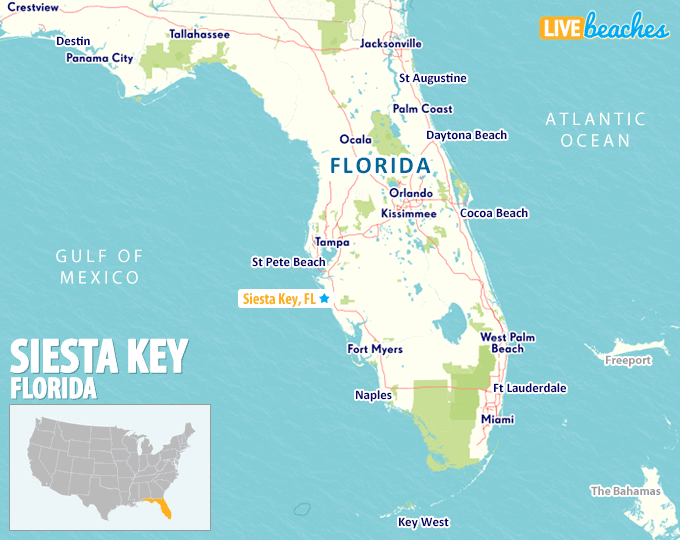
To pinpoint exactly where Siesta Key lies, one must look to the Florida Suncoast. It is situated south of Tampa and north of Fort Myers, making it a central gem of the Sunshine State. The island is separated from the mainland by Sarasota Bay and Roberts Bay, with the Intracoastal Waterway weaving its way through the eastern side of the island.
The Layout of the Barrier Island
Siesta Key is characterized by its slender, crescent-like shape. It is connected to the city of Sarasota by two main drawbridges, which provide the only land-based entry points to the island. The northern bridge, located at Siesta Drive, brings visitors into the northern residential areas and is close to the popular Siesta Key Village. The southern bridge, at Stickney Point Road, provides direct access to the central part of the island, near Crescent Beach. This dual-access system ensures that while the island feels secluded, it is never more than a few minutes away from the amenities of the mainland.
Nearby Major Cities and Transport Links
For international travelers or those coming from other parts of the United States, Siesta Key is remarkably well-positioned. The closest major airport is Sarasota Bradenton International Airport, located just about 10 miles to the north. For those flying into larger hubs, Tampa International Airport is approximately an hour’s drive away, and Southwest Florida International Airport in Fort Myers is about 75 miles to the south. Visitors traveling by car often utilize Interstate 75, the primary north-south artery of Florida, which has several exits leading directly toward the Sarasota coast.
The Unique Landscape of Siesta Key Beaches
While many islands claim to have beautiful beaches, the geography of Siesta Key provides a literal world-class experience. The island is divided into three distinct beach areas, each offering a different atmosphere and natural appeal.
Siesta Beach and the Quartz Sand Phenomenon
At the northern end of the island lies Siesta Beach, which has frequently been named the best beach in North America. What makes this specific location unique is its sand. Unlike most beaches that are composed of pulverized coral and shells, the sand at Siesta Beach is 99% pure quartz. Geologists trace this sand back to the Appalachian Mountains, where it was carried down rivers into the Gulf of Mexico millions of years ago. Because quartz is a crystal, it does not conduct heat; even on the hottest Florida summer days, the sand remains cool to the touch, feeling more like powdered sugar than traditional grit.
Crescent Beach and the Serene Middle Shore
Just south of the main public beach is Crescent Beach. This area is generally quieter and offers a more secluded feel. The shoreline here follows the natural curve of the island, providing a picturesque view of the sunset over the Gulf of Mexico. At the very southern tip of Crescent Beach, travelers will find Point of Rocks, an area of limestone outcroppings that is one of the few places on the Gulf Coast where snorkeling is particularly rewarding due to the variety of marine life that congregates around the submerged stones.

Turtle Beach and the Rugged South End
At the southernmost tip of the island is Turtle Beach. The geography here changes dramatically. The sand is darker and contains more shells, making it a favorite spot for beachcombers. Turtle Beach has a steeper incline toward the water, which creates a different wave dynamic compared to the shallow flats of the northern beaches. This area is also home to Blind Pass Lagoon, where visitors can launch kayaks or paddleboards to explore the mangroves. To the south of Turtle Beach lies Palmer Point Park, a wild, undeveloped area where Siesta Key meets Casey Key at Midnight Pass.
Navigating the Island: Villages and Points of Interest
Finding your way around Siesta Key is relatively straightforward, as the island is narrow and anchored by a few key commercial hubs. The lifestyle here is centered on the water, but the inland sections of the key provide plenty of cultural and social attractions.
Exploring Siesta Key Village
Located on the northern side of the island, Siesta Key Village is the heartbeat of the destination. This charming, walkable district is filled with colorful boutiques, open-air cafes, and vibrant nightlife. Most of the activity is concentrated along Ocean Boulevard. The “Village,” as locals call it, perfectly encapsulates the laid-back, tropical vibe that Siesta Key is famous for. It is the ideal place to grab a gelato after a day at the beach or to enjoy live music under the palm trees.
The Natural Beauty of Point of Rocks
For those interested in the geological history of Florida, Point of Rocks is a must-visit destination. Located at the southern end of Crescent Beach, these rock formations are several thousand years old. They serve as a natural reef system, attracting schools of tropical fish, crabs, and even the occasional manatee. The area is shallow enough for novice snorkelers but offers enough complexity to satisfy experienced divers looking for local marine flora. It stands as a stark contrast to the vast, sandy expanses found elsewhere on the island.
Why Siesta Key is a Premier Travel Destination
Understanding where Siesta Key is means understanding its role within the broader Sarasota culture. It is not just a beach; it is a gateway to the arts, nature, and recreation of the entire region.
Year-Round Climate and Best Times to Visit
Siesta Key enjoys a humid subtropical climate, which means it is a viable destination throughout the year. The winter months, from December to February, are exceptionally popular for travelers from northern climates looking to escape the cold, as temperatures often hover in the comfortable 70s. However, the shoulder seasons of spring and autumn offer the most pleasant balance of warm water and manageable crowds. Even in the height of summer, the sea breezes coming off the Gulf of Mexico provide a cooling effect that makes the island more comfortable than inland Florida.

Island Wildlife and Coastal Ecosystems
The geography of Siesta Key makes it an essential habitat for local wildlife. The island is a significant nesting ground for sea turtles, particularly loggerheads and green turtles, who come ashore between May and October to lay their eggs. The northern and southern tips of the island are also prime spots for birdwatching, where visitors can spot snowy egrets, ospreys, and pelicans. The proximity to Sarasota Bay also allows for easy access to dolphin-watching tours and eco-adventures that highlight the importance of the mangrove forests.
While Siesta Key is a destination in its own right, its location provides easy day-trip access to other famous spots. Just a short drive north across the John Ringling Causeway brings you to Lido Key and the upscale shopping of St Armands Circle. Cultural enthusiasts can quickly reach The Ringling museum complex or the Marie Selby Botanical Gardens in downtown Sarasota. For those interested in marine science, the Mote Marine Laboratory is just a few miles away on City Island. This interconnectedness ensures that a trip to Siesta Key can be as relaxing or as intellectually stimulating as the traveler desires. Whether you are standing on the cool quartz sands of the north or exploring the shell-lined shores of the south, Siesta Key represents the pinnacle of the Florida coastal experience.
LifeOutOfTheBox is a participant in the Amazon Services LLC Associates Program, an affiliate advertising program designed to provide a means for sites to earn advertising fees by advertising and linking to Amazon.com. Amazon, the Amazon logo, AmazonSupply, and the AmazonSupply logo are trademarks of Amazon.com, Inc. or its affiliates. As an Amazon Associate we earn affiliate commissions from qualifying purchases.