
Nestled in the heart of Florida‘s captivating natural landscape, just east of Ocala in Marion County, lies the legendary Silver Springs. More than just a geographical point on a map, Silver Springs represents a profound connection to Florida’s history, ecology, and the very essence of American tourism. For decades, it stood as one of the state’s premier attractions, drawing millions with the allure of its crystal-clear waters and the promise of unforgettable adventures. Today, it has transitioned into a magnificent state park, but its legacy as a global destination and a natural wonder continues to captivate the imagination of travelers seeking authentic experiences.
For those planning their next travel adventure, understanding the story of Silver Springs is crucial. It’s a journey from ancient sacred ground to a bustling entertainment hub, and finally, to a protected natural sanctuary. Its evolution offers valuable insights into the dynamics of tourism, the importance of conservation, and the enduring appeal of Florida’s unique ecosystems. Whether you’re a history buff, a nature enthusiast, or simply looking for your next family trip destination, Silver Springs offers a compelling narrative and a vibrant array of activities that speak to every lifestyle. This article will guide you through its rich past, its vibrant present, and what makes it an unmissable landmark on any Florida itinerary.
A Journey Through Time: The Storied Past of Silver Springs
The history of Silver Springs is as deep and clear as its waters, spanning thousands of years and encompassing layers of cultural and environmental significance. This remarkable site has witnessed the passage of indigenous peoples, the dawn of modern tourism, and a crucial shift towards environmental preservation.
From Native American Sanctuary to Early Tourist Mecca
Long before European explorers set foot on Florida soil, the springs of Silver Springs were a vital resource and sacred site for various Native American tribes, including the Timucuan and Seminole peoples. The abundant wildlife, fresh water, and the natural beauty of the Silver River basin provided sustenance and spiritual solace. Arrowheads and other artifacts found in the springs attest to their long-standing human connection, marking it as a historical landmark of immense importance.
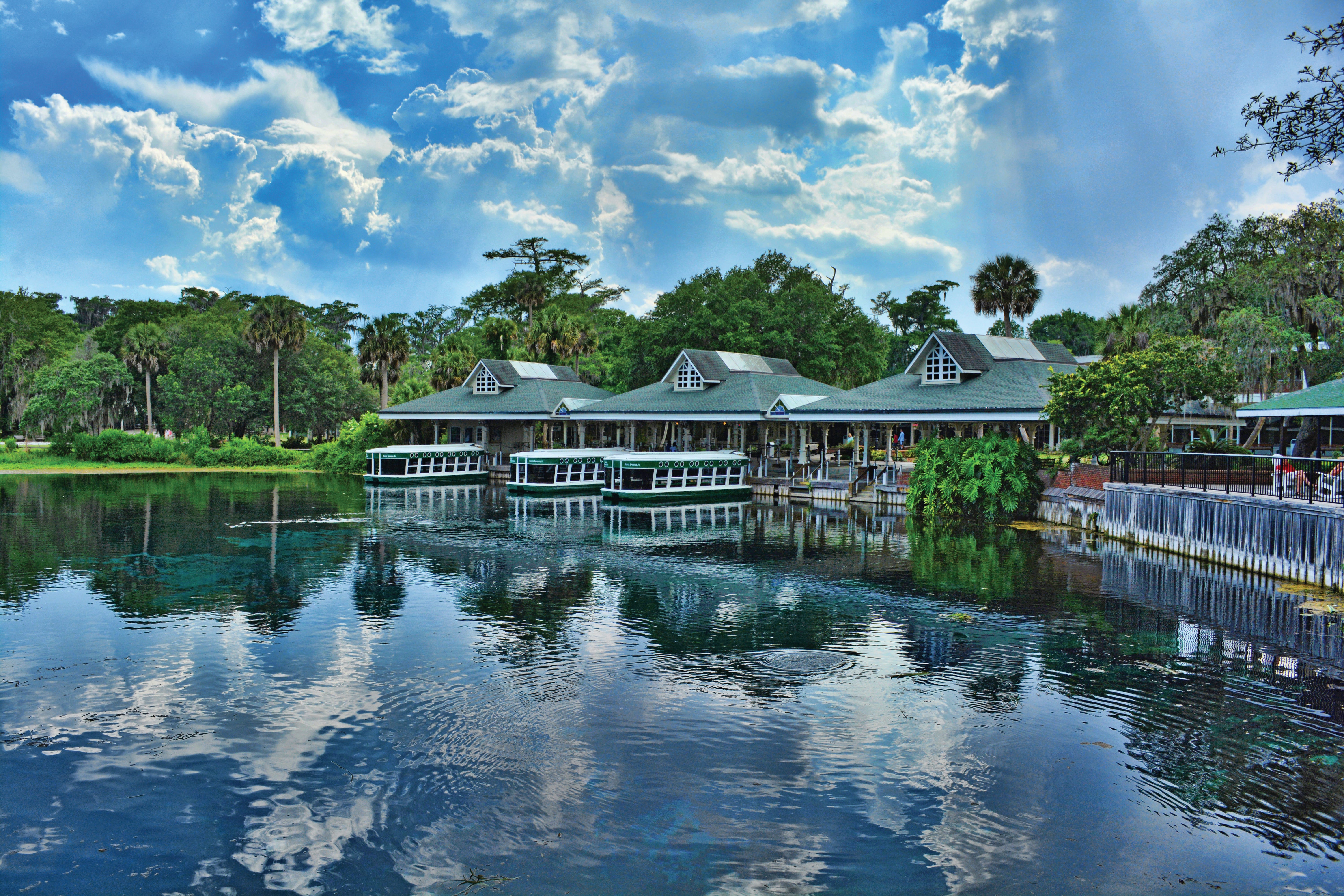
The modern era of tourism at Silver Springs began in the late 19th century, spurred by the invention of the glass-bottom boat. These innovative vessels offered visitors an unprecedented view into the underwater world of the springs, revealing its stunning clarity, diverse aquatic life, and ancient geological formations. This novel attraction quickly put Silver Springs on the map as one of Florida’s first and most famous tourist destinations. Early visitors arrived by steamboat and stagecoach, eager to witness the “Underwater Wonderland” and experience the magic of what was often touted as “the world’s largest artesian spring.” The concept of viewing a natural phenomenon from a unique perspective established a benchmark for experiential travel that continues to influence attraction design today.
The Golden Age of Tourism and the Rise of Competition
The mid-20th century marked the golden age for Silver Springs. It flourished as a major independent theme park, offering not just the iconic glass-bottom boats but also jungle cruises, animal exhibits, and various shows. Its natural beauty and unique setting made it a popular backdrop for Hollywood productions. Films like “Tarzan,” “Creature from the Black Lagoon,” and even a James Bond movie, “Thunderball,” featured scenes shot in its pristine waters. During World War II, it was even featured in training films for military personnel. For a time, it was owned by ABC Television, further cementing its place in popular culture.
However, the late 20th century brought significant challenges. The emergence of massive, purpose-built theme parks like Walt Disney World, Busch Gardens, and SeaWorld in the 1970s dramatically altered the tourism landscape of Florida. These new, immersive experiences, offering thrill rides and high-tech entertainment, overshadowed the more serene, nature-based appeal of Silver Springs. Visitor numbers began to decline, and after several ownership changes, including a period under Six Flags, the park struggled to maintain its former glory.
Environmental Challenges and the Call for Conservation
Beyond competition, environmental degradation became a pressing concern. The pristine clarity of the springs, its most defining characteristic, began to suffer from pollution. Increased nitrate levels from agricultural runoff, septic tanks, and urban development in the surrounding areas led to algal blooms and reduced water quality. This threatened not only the springs’ aesthetic appeal but also the delicate ecosystem it supported, including vital habitats for fish, turtles, and the beloved manatees that sought refuge in its warm waters during winter.
Recognizing the urgent need for protection, environmental activists, local communities, and state agencies championed the cause of Silver Springs. This advocacy culminated in a monumental decision: in 2013, the state of Florida acquired the privately operated attraction, integrating it fully into the adjacent Silver River State Park and renaming it Silver Springs State Park. This transition marked a new chapter, shifting its focus from a commercial attraction to a protected natural and historical landmark, dedicated to conservation, education, and passive recreation. The St. Johns River Water Management District and the Florida Department of Environmental Protection have since spearheaded extensive efforts to restore the water quality and ecological health of the springs, ensuring its survival for future generations.
Silver Springs State Park: A Revitalized Natural Wonder
Today, Silver Springs State Park stands as a testament to successful conservation and a beacon for eco-tourism. It offers visitors a chance to connect with Florida’s natural heritage in a meaningful way, far removed from the artificiality of modern theme parks. The park blends historical charm with immersive natural experiences, making it a unique destination for travelers of all ages and interests.
The Heart of the Park: Iconic Glass-Bottom Boats
The quintessential Silver Springs experience remains its iconic glass-bottom boat tours. While the scale of the former amusement park has been reined in, these tours continue to provide an unparalleled window into the underwater world. Visitors can gaze into the depths of the main spring, observing ancient geological formations, schooling fish, and sometimes even turtles or a passing manatee in their natural habitat. The guides, often seasoned locals, share captivating stories about the springs’ history, ecology, and the many films shot on location.
These boat tours are more than just a ride; they are a living history lesson and an intimate encounter with a fragile ecosystem. For travel enthusiasts interested in unique attractions, the glass-bottom boats are a must-do, offering a blend of historical nostalgia and breathtaking natural beauty that defines a true Florida experience. It’s a journey back in time, allowing you to witness the same wonders that captivated visitors over a century ago.
Beyond the Glass: Exploring the Silver River’s Ecosystem
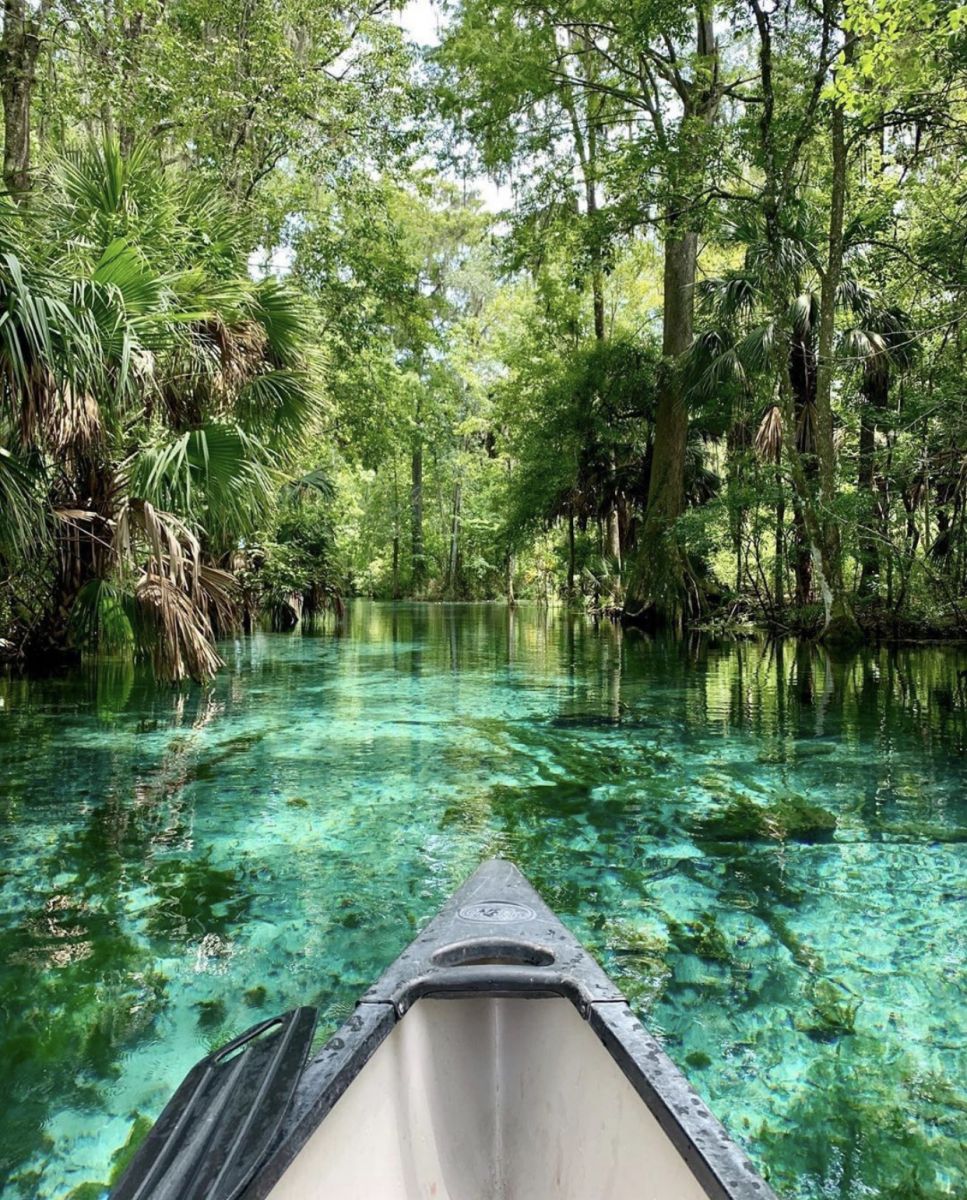
Silver Springs State Park offers much more than just boat tours. The park encompasses the entire length of the Silver River, a tranquil waterway fed by the springs that eventually flows into the Ocklawaha River. This pristine river system is a paradise for paddlers, with opportunities for kayaking, canoeing, and stand-up paddleboarding. Renting a vessel allows for a self-guided exploration of the meandering river, revealing hidden coves and providing closer encounters with the abundant wildlife.
Paddling along the Silver River, visitors might spot various species of birds, including herons, egrets, and ospreys. Keep an eye out for sunbathing alligators on the banks, playful river otters, and even white-tailed deer or an elusive Florida panther along the forested edges. The tranquility of the river offers a serene escape, connecting visitors directly with the raw beauty of Florida’s wild heart. Hiking and biking trails also weave through the park’s lush hammocks and pine forests, offering different perspectives on the diverse flora and fauna. These activities cater to a lifestyle focused on outdoor adventure and appreciating natural landmarks.
Educational Insights at the Silver River Museum
Integral to the park’s mission of conservation and education is the Silver River Museum and Environmental Education Center. Located within the state park, the museum offers fascinating exhibits detailing the natural and cultural history of Silver Springs and the surrounding region. It houses artifacts from the Native American presence, showcases the evolution of the tourism industry, and highlights the ecological significance of the springs.
Beyond the main museum, visitors can explore a replica of a 19th-century Florida Cracker settlement, complete with historic buildings and period tools. This “Historic Pioneer Village” offers a glimpse into the tough, resourceful lives of Florida’s early settlers. The museum also hosts various educational programs and events throughout the year, such as “Christmas in the Park” and Earth Day celebrations, making it an engaging stop for families and school groups alike. These initiatives underscore the park’s role as a vital center for community engagement and environmental stewardship, enriching the tourism experience with deep cultural and ecological understanding.
Planning Your Visit to Silver Springs: Tips and Experiences
A trip to Silver Springs State Park can be seamlessly integrated into any Florida travel itinerary. Whether you’re seeking a day trip or a longer stay, the area surrounding Ocala provides ample opportunities for accommodation, dining, and further exploration, catering to various travel lifestyles, from budget-conscious adventurers to those seeking luxury travel experiences.
Accommodation Options Near Silver Springs
While Silver Springs State Park offers rustic camping facilities within its grounds—a perfect choice for those who want to immerse themselves fully in nature—most visitors opt for hotels or accommodation options in nearby Ocala. As a vibrant city known for its equestrian industry and charming downtown, Ocala provides a wide range of choices to suit every preference and budget.
You can find numerous chain hotels offering comfortable suites and standard amenities, ideal for family trips or business stays. For those seeking a more luxurious travel experience, boutique hotels and charming bed-and-breakfasts dot the Ocala area, often providing unique architecture, personalized service, and upscale amenities. Vacation rentals, including apartments, villas, and even long-term stay options, are also available, particularly beneficial for larger groups or extended visits. When selecting accommodation, consider proximity to Silver Springs and other local attractions like Fort King National Historic Landmark or the Ocala National Forest. Many hotels also offer packages that include local activities, making trip planning even easier.
Must-Do Activities for Every Traveler
A visit to Silver Springs State Park offers a rich tapestry of experiences:
- Glass-Bottom Boat Tour: This is non-negotiable. Choose between the standard 30-minute tour or the longer 90-minute “Legacy Tour” for a more in-depth exploration and historical commentary. It’s an iconic Florida attraction.
- Paddling on the Silver River: Rent a kayak, canoe, or stand-up paddleboard directly from the park’s concessionaire and embark on a peaceful journey down the crystal-clear Silver River. This is an unparalleled way to spot wildlife and enjoy the tranquility of nature.
- Explore the Trails: The park boasts several miles of hiking and nature trails, ranging from easy strolls to more challenging treks. These trails offer opportunities for birdwatching and observing the diverse ecosystems of central Florida.
- Visit the Silver River Museum: Delve deeper into the history and ecology of the region. The museum and the Historic Pioneer Village provide excellent educational insights for all ages.
- Wildlife Viewing: Keep your eyes peeled! Silver Springs is a haven for wildlife. Look for manatees (especially in cooler months), alligators, turtles, various bird species, and even monkeys (descendants of a film set escape!).
These activities provide a balanced blend of relaxation, adventure, and learning, catering to families, solo travelers, and couples alike, making it a versatile destination for tourism.
Embracing Sustainable Tourism in Florida
Visiting Silver Springs State Park is an act of supporting sustainable tourism. By choosing to visit a state park focused on preservation and education, travelers contribute to the ongoing efforts to protect Florida’s natural wonders. The park’s emphasis on passive recreation means minimal environmental impact, allowing visitors to appreciate nature without disrupting it.
Travelers are encouraged to practice responsible tourism by adhering to park rules, staying on designated trails, not feeding wildlife, and packing out everything they pack in. Supporting local businesses in Ocala also contributes to the local culture and economy, creating a holistic and positive travel experience. Silver Springs serves as a prime example of how tourism can evolve from exploitation to conservation, offering a model for other natural landmarks worldwide. It’s a journey that allows you to be part of a larger mission to safeguard our planet’s precious resources, aligning perfectly with a lifestyle conscious of environmental impact.

Silver Springs: A Testament to Florida’s Natural Heritage
In conclusion, “Where is Silver Springs Florida?” is a question that leads to more than just a geographic location. It points to a profound historical narrative, an ecological treasure, and a shining example of conservation success. From its ancient roots as a Native American sanctuary to its heyday as a global tourist attraction and its current incarnation as a protected state park, Silver Springs has continuously evolved, reflecting the changing dynamics of our relationship with nature and leisure.
For anyone planning a trip to Florida, a visit to Silver Springs State Park is an enriching and essential experience. It offers a unique blend of history, natural beauty, and outdoor adventure that stands apart from the state’s more commercialized attractions. Whether you’re gliding over crystal-clear waters in a glass-bottom boat, silently paddling through the Silver River’s pristine ecosystem, or delving into the past at the Silver River Museum and Environmental Education Center, Silver Springs promises an unforgettable journey.
This remarkable landmark is a living testament to the power of nature and the importance of stewardship. It reminds us that some of the most profound travel experiences come from connecting with authentic places, understanding their stories, and contributing to their preservation. Silver Springs isn’t just a place to visit; it’s a place to learn, reflect, and be inspired by the enduring magic of Florida’s natural heritage. Make it a centerpiece of your next travel adventure and discover the timeless beauty that continues to flow from its depths.
LifeOutOfTheBox is a participant in the Amazon Services LLC Associates Program, an affiliate advertising program designed to provide a means for sites to earn advertising fees by advertising and linking to Amazon.com. Amazon, the Amazon logo, AmazonSupply, and the AmazonSupply logo are trademarks of Amazon.com, Inc. or its affiliates. As an Amazon Associate we earn affiliate commissions from qualifying purchases.