
Silver Springs is located in the heart of Central Florida, specifically within Marion County. This legendary natural landmark is situated just east of the city of Ocala, serving as one of the state’s most iconic geological and historical treasures. As a site of immense ecological importance and cultural heritage, Silver Springs represents the quintessential Florida landscape, characterized by crystal-clear artesian waters, lush subtropical forests, and a history that stretches back thousands of years.
To find this landmark, one must look toward the center of the Florida peninsula, roughly equidistant between the Atlantic Ocean and the Gulf of Mexico. Its location makes it a focal point for nature lovers and history enthusiasts traveling through the United States southeast. The springs serve as the headwaters of the Silver River, a short but powerful waterway that eventually feeds into the Ocklawaha River.
The Geographic Heart: Locating the Springs in Central Florida
Understanding where Silver Springs is located requires a look at the regional geography of Florida. It sits in a region often referred to as “Horse Capital of the World” due to the surrounding equine industry in Ocala. The landmark is easily accessible from several of the state’s major metropolitan hubs, making it a primary destination for those exploring the interior of the state.
Proximity to Major Cities
Silver Springs is strategically positioned for accessibility. It is approximately 80 miles north of Orlando, making it a popular day trip for those visiting the theme park capital. To the north, Gainesville lies about 40 miles away, while the coastal city of Jacksonville is roughly 100 miles to the northeast. From the west, Tampa is about a two-hour drive, approximately 100 miles to the southwest. This central positioning has historically made Silver Springs a crossroads for travelers traversing the state from Tallahassee to Miami.
The Surrounding Wilderness
The springs are bordered by the Ocala National Forest to the east, which is the southernmost forest in the continental United States. This proximity to a massive protected wilderness area ensures that the springs remain part of a larger, interconnected ecosystem. The Silver Springs State Park, which encompasses the springs and much of the surrounding land, serves as a buffer that protects the water quality and the diverse wildlife that calls this region home.
The Geological Marvel of the Floridan Aquifer
To truly understand what Silver Springs is, one must look beneath the surface. It is not merely a body of water but a massive artesian spring system, one of the largest in the world. The “Where” of Silver Springs is deeply tied to the Floridan Aquifer, a vast underground reservoir of freshwater stored within the state’s porous limestone bedrock.
The Mammoth Spring
The centerpiece of the landmark is the Mammoth Spring, a first-magnitude spring that vents millions of gallons of water every day. This water has been filtered through layers of limestone for years, emerging at a constant temperature of approximately 72 degrees Fahrenheit. This geological feature creates a unique microclimate that supports both temperate and tropical plant life. The clarity of the water at Silver Springs is world-renowned, often allowing for visibility depths that make the riverbed appear as if it is viewed through glass.
Formation of the Basin
The basin of Silver Springs was formed through the dissolution of limestone, a process known as karst topography. Over millennia, slightly acidic rainwater seeped into the ground, carving out massive caverns and vents. At Silver Springs, the pressure of the aquifer forces this water upward through these vents, creating the shimmering “boils” seen on the surface. This geological activity has not only created a beautiful landmark but has also exposed fossilized remains of prehistoric creatures, including mastodons and mammoths, which are frequently discovered in the riverbed.
A Historical Landmark: From Paleo-Indians to Hollywood
Silver Springs is often cited as Florida’s first tourist attraction, but its history as a landmark begins long before the arrival of modern travelers. Its location provided a vital source of freshwater and food for indigenous populations for over 10,000 years.

Indigenous and Colonial History
The Timucua people were among the first to inhabit the areas surrounding the springs, followed by the Seminole tribe. To these groups, the springs were a sacred and essential resource. During the 19th century, as Florida became a territory of the United States, the Silver River became a critical transportation route. Steamboats navigated the narrow, winding waters of the St. Johns River and the Ocklawaha River to reach the springs, bringing supplies to the interior and returning with citrus and timber.
The Invention of the Glass-Bottom Boat
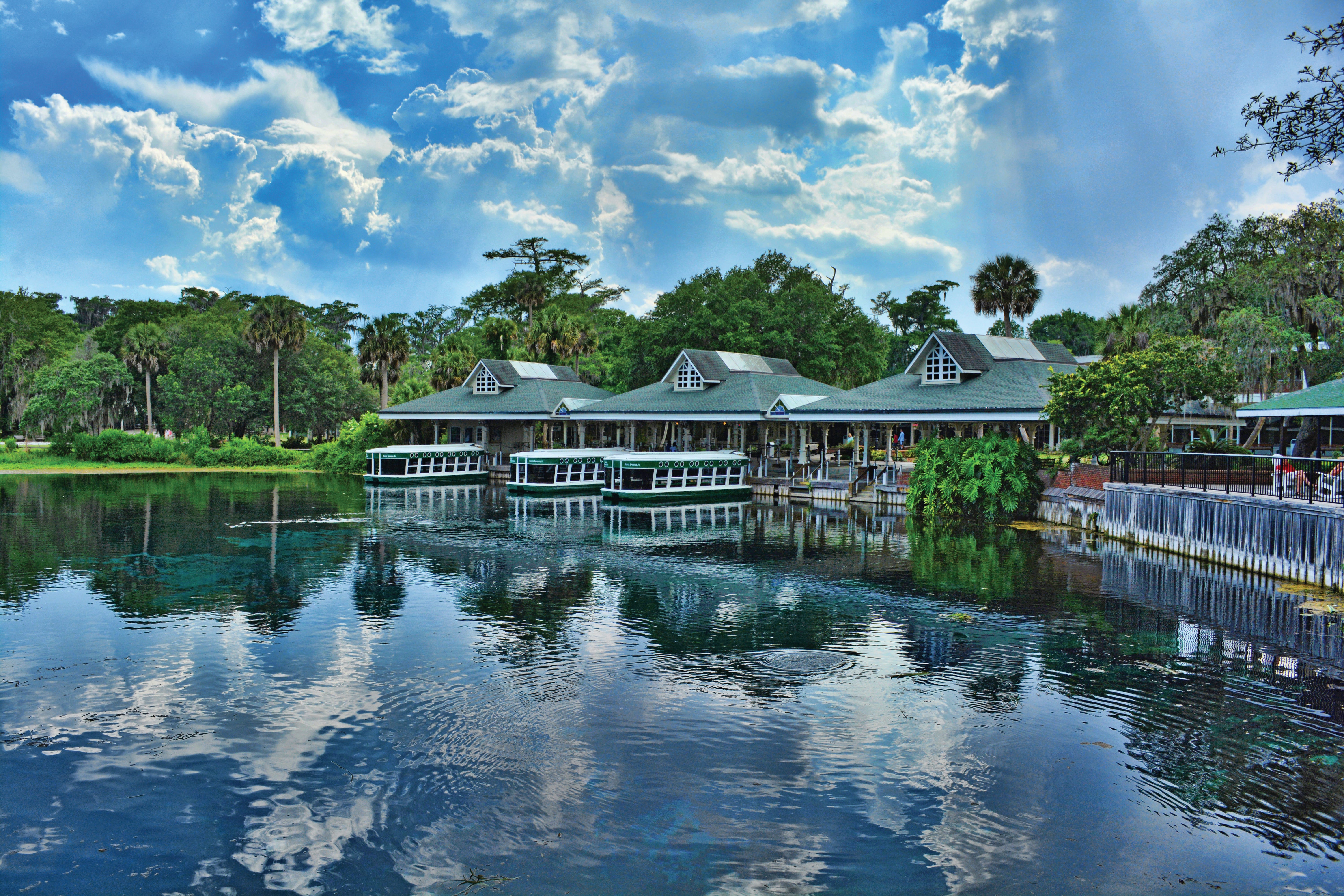
In the late 1870s, a man named Hullam Jones revolutionized the way people interacted with the springs by fixing a glass box to the bottom of a canoe. This invention allowed visitors to see the underwater wonders of the Mammoth Spring without getting wet. By the early 20th century, Silver Springs had become a premier destination for the American elite. The landmark’s fame grew as it was marketed as a “submerged fairyland,” drawing visitors from across the globe to witness the underwater statues and vibrant aquatic life.
The Hollywood Connection
Because of its exceptional water clarity and “jungle-like” surroundings, Silver Springs became a favorite filming location for the early motion picture industry. The landmark served as the backdrop for numerous Tarzan films starring Johnny Weissmuller. It was also the primary filming site for the classic horror film Creature from the Black Lagoon. Later, the popular television series Sea Hunt, starring Lloyd Bridges, was filmed extensively in the springs’ clear waters. This cinematic history has cemented Silver Springs as a cultural icon in the United States.
The Living Landscape: Flora, Fauna, and the Famous Macaques
The natural beauty of Silver Springs is defined by its vibrant biodiversity. As a landmark, it serves as a sanctuary for many species that are synonymous with the Florida wilderness.
The Rhesus Macaques
Perhaps the most unusual residents of Silver Springs are the Rhesus Macaques. These non-native monkeys were introduced to the area in the 1930s by a boat captain known as “Colonel Tooey,” who released them onto an island to enhance his “Jungle Cruise” attraction. Unbeknownst to him, the monkeys were excellent swimmers and quickly colonized the surrounding forests. Today, several troops of these monkeys live wild along the banks of the Silver River, offering a sight rarely seen elsewhere in North America.
Aquatic Life and Manatees
The crystal-clear waters of the springs are home to a staggering array of fish, including largemouth bass, alligator gar, and various species of sunfish. Turtles are a constant presence, often seen sunning themselves on fallen logs. However, the most celebrated aquatic visitor is the West Indian Manatee. During the winter months, when the temperatures in the Atlantic Ocean drop, these gentle “sea cows” migrate into the constant 72-degree waters of Silver Springs to stay warm.
Avian and Reptilian Residents
The canopy of cypress and oak trees surrounding the springs provides a habitat for diverse birdlife. Visitors often spot Anhingas drying their wings, Great Blue Herons stalking the shallows, and Ospreys diving for fish. Of course, no Florida landmark would be complete without the American Alligator. These prehistoric reptiles are frequently seen drifting in the river or resting on the banks, serving as a reminder of the raw, wild nature of the Silver Springs ecosystem.
Preservation and the Silver Springs State Park Experience
In 2013, the transition of the springs from a privately-owned attraction to a state-managed park marked a new era in its history. The Silver Springs State Park was formed to ensure the long-term preservation of this natural landmark.
Educational Centers and Museums
Within the park grounds, the Silver River Museum and Environmental Education Center provides deep insights into the area’s natural and cultural history. The museum features exhibits on the Ice Age fossils found in the river, the history of the Seminole wars, and the development of the tourism industry in Florida. It serves as a vital resource for schools and researchers interested in the unique karst geology of Marion County.
The Ross Allen Legacy
Historically, Silver Springs was also home to the Ross Allen Reptile Institute. Ross Allen was a world-famous herpetologist who pioneered the extraction of snake venom for medical use. While the institute is no longer active in its original form, its legacy of reptile education and conservation remains a significant part of the landmark’s identity.
Modern Stewardship
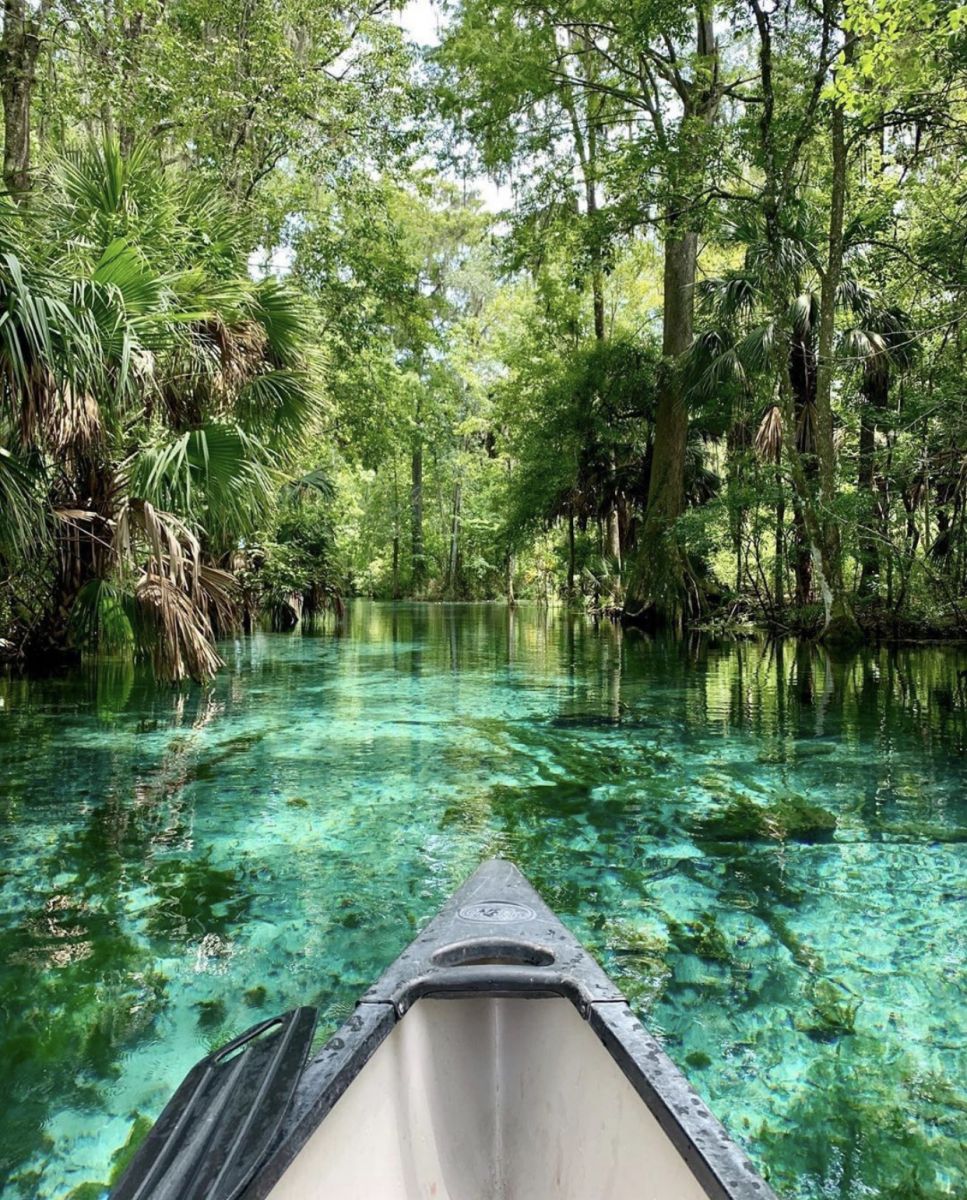
Today, the focus at Silver Springs has shifted toward environmental restoration. Efforts are underway to manage invasive species and reduce nitrate runoff from surrounding areas, ensuring that the water remains clear for future generations. The landmark continues to offer the famous glass-bottom boat tours, maintaining a tradition that has spanned over 140 years. For those who prefer a more active experience, kayaking and canoeing the Silver River allow for a silent, intimate exploration of the “Where” that is Silver Springs—a place where the prehistoric past meets the ecological present.
By visiting Silver Springs in Ocala, one isn’t just visiting a park; they are stepping into a living museum of Florida’s natural beauty. It remains a definitive landmark of the United States, representing the enduring power and mystery of the earth’s hidden waters.
LifeOutOfTheBox is a participant in the Amazon Services LLC Associates Program, an affiliate advertising program designed to provide a means for sites to earn advertising fees by advertising and linking to Amazon.com. Amazon, the Amazon logo, AmazonSupply, and the AmazonSupply logo are trademarks of Amazon.com, Inc. or its affiliates. As an Amazon Associate we earn affiliate commissions from qualifying purchases.