
For generations of comic book enthusiasts and television viewers, the town of Smallville represents more than just a fictional setting; it is the quintessential landmark of American virtue and Midwestern charm. As the childhood home of Clark Kent, the boy who would become Superman, the location has sparked decades of curiosity. Fans often ask: where exactly is this town located on a map of the United States? While the town originated in the pages of DC Comics, its physical identity has been shaped by real-world landmarks across Kansas, Illinois, and even British Columbia.
The Geographic Enigma: Locating the Fictional Heart of America
The mystery of Smallville begins with its creators, Jerry Siegel and Joe Shuster, who initially focused more on the urban sprawling of Metropolis. However, as the lore of the Man of Steel expanded, the necessity of a grounded, rural origin story became paramount. This led to the creation of a landmark town that embodied the spirit of the Great Plains.

The Origins within DC Comics
In the early iterations of the comics, the exact coordinates of the town were intentionally vague. It was established early on that the town was located in Kansas, a state chosen for its central location and its reputation as the “breadbasket” of the nation. Over the decades, various writers placed the town near other real-world landmarks. Some stories suggested it was within driving distance of Wichita, while others placed it closer to the Kansas River. This fluidity allowed the town to serve as a universal symbol for rural life, rather than a single, stagnant point on a map.
The Search for the Real-World Latitude and Longitude
As fandom grew, so did the desire to find a “real” version of the town. In the 1978 Superman film, the production utilized the vast landscapes of Alberta, Canada, to represent the American Midwest. However, for those looking for the “true” Smallville within the borders of Kansas, several cities have vied for the title. Geographically, the fictional town is often depicted as being in the southwestern or central part of the state, away from the more industrialized corridors of Kansas City or Topeka.
Hutchinson: The Official Stand-In for a Hero’s Home
In 2013, the quest to find a physical location for this legendary landmark reached a definitive milestone. The city of Hutchinson, Kansas, was officially named the “Smallville” of the state for a day, a title it has embraced through local culture and tourism. Located in Reno County, Hutchinson offers the perfect blend of historic architecture and scientific wonder, making it a fitting real-world counterpart to the fictional town.
The Kansas Cosmosphere and Space Center
One of the most significant landmarks in Hutchinson is the Kansas Cosmosphere and Space Center. This world-renowned museum houses the largest collection of Russian space artifacts outside of Moscow and the Apollo 13 command module. For fans of the Superman mythos, the presence of such a prestigious space-related landmark in a small Kansas town mirrors the extraterrestrial origins of Clark Kent himself. The museum serves as a bridge between the humble prairie land and the vastness of the cosmos, much like the narrative of the hero.
Strataca: The Salt Mine Under the Prairie
Another landmark that draws visitors to the area is Strataca, also known as the Kansas Underground Salt Museum. Built within one of the world’s largest deposits of rock salt, this museum allows visitors to descend 650 feet below the Earth’s surface. The subterranean environment of Strataca feels like something out of a comic book, offering a unique geological perspective on the Kansas landscape. Its preservation of history—including original film reels from Hollywood—adds to the town’s reputation as a guardian of cultural landmarks.
Cinematic Landmarks: Bringing the Comic to Life
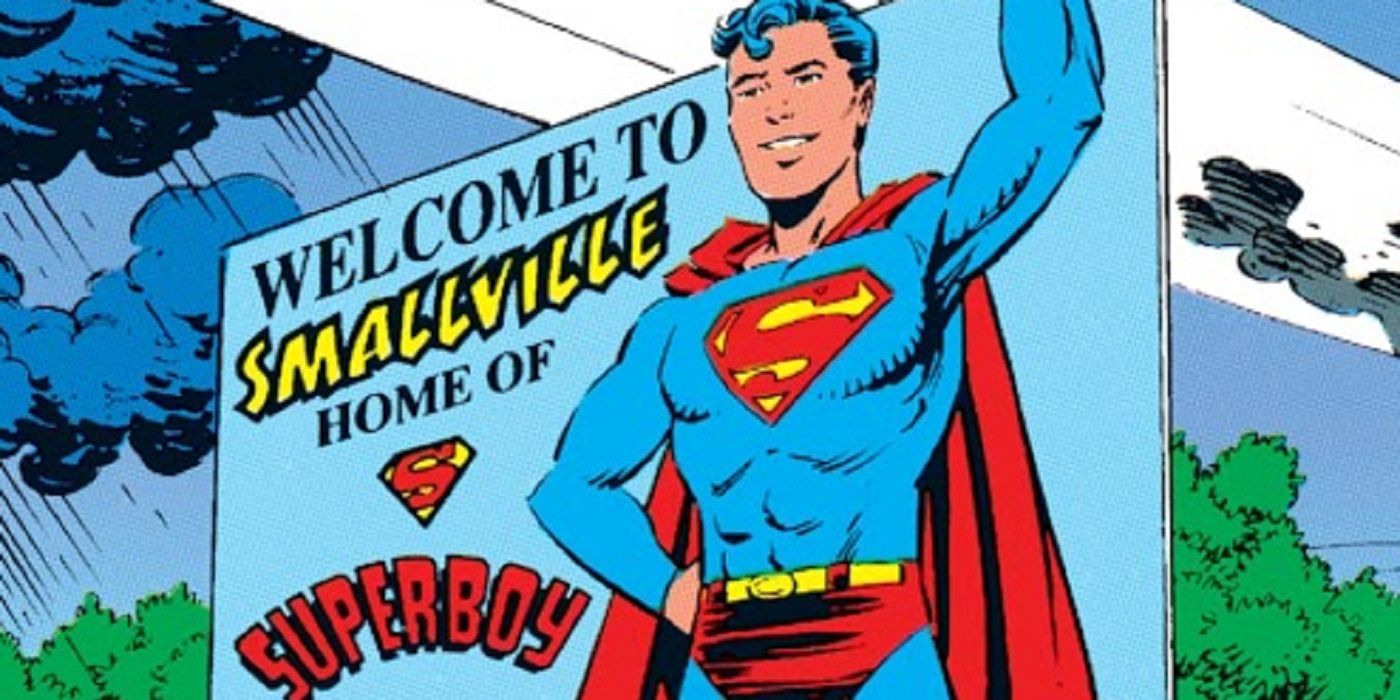
While Hutchinson holds the spiritual title, the visual landmarks that millions of viewers recognize from their screens are located elsewhere. The filming locations for the various television and film adaptations have created their own legacy of tourism.
The British Columbia Connection: Cloverdale and Vancouver
For fans of the long-running television series titled “Smallville,” the landmarks of the town are actually found in British Columbia, Canada. The production team transformed the community of Cloverdale into the iconic Main Street seen on the show. The Clova Theatre, a historic landmark in its own right, served as the exterior for the “Talon” coffee shop.
Filming also frequently took place in Vancouver, where the juxtaposition of lush greenery and urban structures provided the necessary backdrop for the show’s unique aesthetic. The Hatley Castle in Colwood served as the exterior for the Luthor Mansion, a landmark of Gothic Revival architecture that contrasted sharply with the rustic Kent farm.
The Man of Steel Influence: Plano, Illinois
In the 2013 film Man of Steel, Warner Bros chose the town of Plano, Illinois, to represent the Kansas landmark. Plano was selected for its picturesque downtown and its proximity to the wide-open fields required for the Kent farm scenes. The production left a lasting impact on the town, with several local businesses maintaining signs and murals that commemorate their role in the DC Comics cinematic history. This has turned Plano into a must-visit destination for those tracing the physical landmarks of the superhero’s journey.
Architectural Icons of the Smallville Aesthetic
What defines the look of Smallville? It is a specific blend of Victorian influences and agricultural functionalism. The landmarks associated with the town often feature a few key architectural tropes that have come to define the “Midwestern” look in the popular imagination.
The Kent Farmhouse and the Rural Landscape
The most recognizable landmark in any version of the story is the Kent Farm. Characterized by a white, two-story farmhouse with a wrap-around porch and a weathered red barn, this setting is a staple of American rural architecture. In real-world Kansas, these farmsteads are scattered across counties like Salina and Lyon. The simplicity of the design reflects the grounded values of the characters who reside there, making the farm a landmark of morality as much as a physical structure.
Main Street USA: The Visual Identity of a Landmark Town
The “Main Street” of Smallville typically features brick facades, ornate cornices, and a central square. This design is heavily inspired by the late 19th-century boomtowns of the Midwest. Towns like Abilene and Lawrence in Kansas offer real-world examples of this architecture. These landmarks represent a time when the railroad brought prosperity and European architectural trends to the heart of the North American continent.

Preserving the Heritage of a Fictional Landmark
Though Smallville may not exist as a single municipality, its influence on Kansas tourism is undeniable. The state has leaned into its association with the legend, much like how Liberal, Kansas, has embraced its connection to Dorothy’s House and the Land of Oz.
The concept of a fictional landmark allows fans to explore the real history of a region while celebrating the stories they love. When visitors travel to Hutchinson or drive through the wheat fields of Reno County, they are not just looking for a movie set; they are seeking the spirit of a place that rewards hard work, community, and integrity.
In the end, Smallville is located wherever the horizon is wide, the soil is rich, and the architecture tells a story of a simpler time. Whether you find it in the space-age halls of the Kansas Cosmosphere and Space Center or the quiet streets of Plano, the landmark remains a vital part of the American cultural landscape. It serves as a reminder that even the most extraordinary heroes come from humble, grounded places—and those places, whether real or imagined, are worth visiting.
LifeOutOfTheBox is a participant in the Amazon Services LLC Associates Program, an affiliate advertising program designed to provide a means for sites to earn advertising fees by advertising and linking to Amazon.com. Amazon, the Amazon logo, AmazonSupply, and the AmazonSupply logo are trademarks of Amazon.com, Inc. or its affiliates. As an Amazon Associate we earn affiliate commissions from qualifying purchases.