
Nestled within the vibrant tapestry of Manhattan, New York City, lies a district whose name itself evokes an air of sophistication, artistic flair, and unparalleled shopping: SoHo. Far more than just a dot on the map, SoHo – an acronym for “South of Houston Street” – is a dynamic neighborhood that seamlessly blends its rich industrial past with a cutting-edge present. For travelers, whether seeking high-end fashion, world-class dining, historic architecture, or an immersive cultural experience, understanding where SoHo is and what it offers is the first step towards unlocking one of the Big Apple’s most cherished gems.
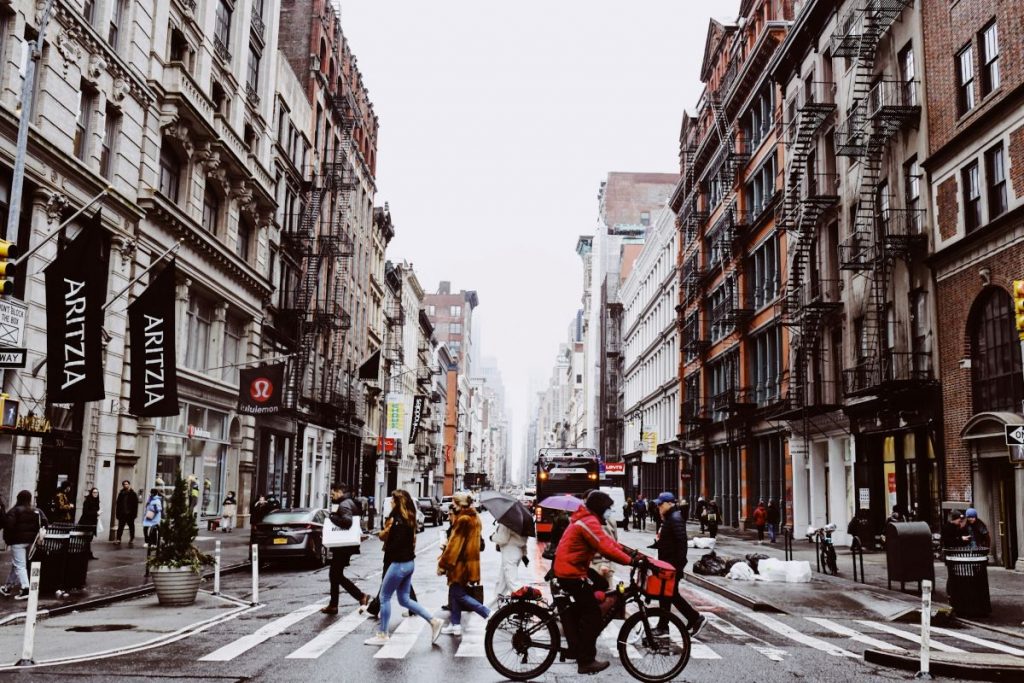
This iconic neighborhood occupies a prime spot in Lower Manhattan, making it incredibly accessible and an ideal base for exploring a multitude of New York City attractions. Its distinctive cast-iron architecture, cobblestone streets, and a perpetual buzz of activity draw visitors from across the globe, eager to soak in its unique atmosphere. From the moment you step onto its historic blocks, you’re not just in a place; you’re immersed in a lifestyle, a destination that continually reinvents itself while preserving the charm that made it famous. This guide delves into everything you need to know about SoHo, from its exact location and how to get there, to its must-see attractions, culinary highlights, and the best places to stay, ensuring your visit is as unforgettable as the neighborhood itself.

Locating SoHo: A Gem in Lower Manhattan
SoHo’s geographical position is one of its greatest assets, placing it at the heart of some of New York City’s most fascinating neighborhoods. Its easily defined borders make it simple to navigate, even for first-time visitors, and its central location in Lower Manhattan positions it perfectly for exploring the wider urban landscape. Understanding these boundaries and its relationship to neighboring areas helps to fully appreciate SoHo’s unique identity and its role as a cultural and commercial hub.
Defining the Borders: What’s SoHo, Exactly?
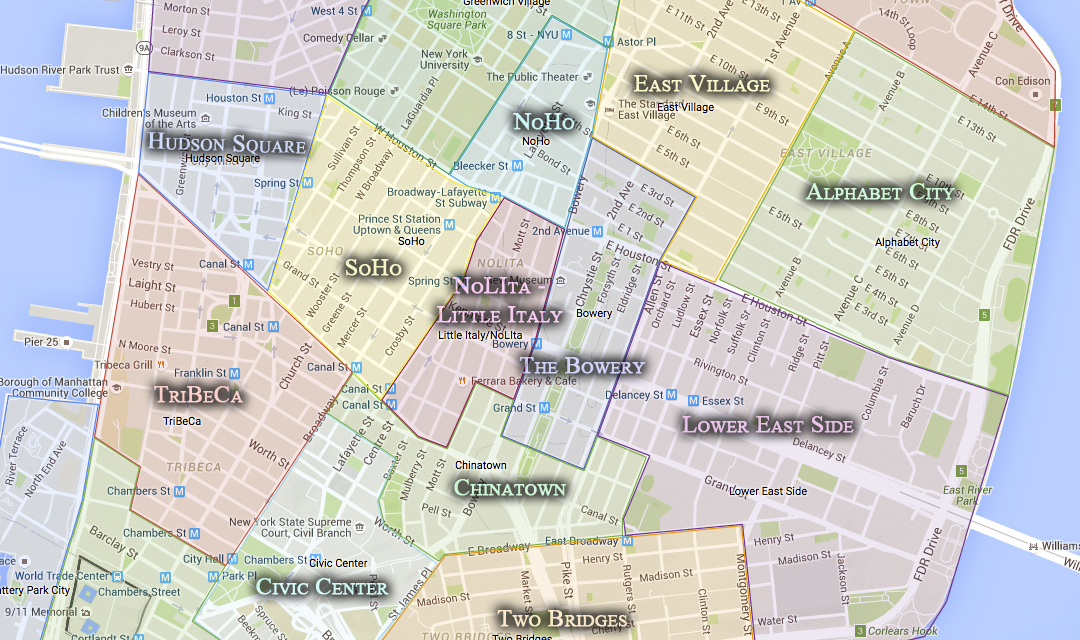
The name “SoHo” is not just a catchy moniker; it precisely defines the district’s geographical limits. It refers to the area South of Houston Street. More specifically, its generally accepted boundaries are:
- North: Houston Street
- East: Lafayette Street (or sometimes Crosby Street)
- South: Canal Street
- West: Sixth Avenue (or sometimes West Broadway)
These boundaries place SoHo adjacent to a fascinating array of other renowned neighborhoods. To its north, across Houston Street, lies NoHo (North of Houston) and the East Village, known for their bohemian spirit and vibrant nightlife. To the east, beyond Lafayette Street, you’ll find Nolita (North of Little Italy) and the northern reaches of Little Italy itself, offering a different culinary and cultural flavor. To the south, Canal Street serves as a bustling demarcation line with Chinatown, a vibrant and sensory-rich district. Finally, to the west, beyond Sixth Avenue, is Tribeca (Triangle Below Canal Street), an equally trendy and upscale residential area. This strategic placement makes SoHo a convenient gateway to exploring a diverse range of Manhattan experiences, each offering its own unique charm and attractions.
Getting There: Transportation Options
Given its central location, SoHo is remarkably easy to reach from virtually anywhere in New York City and beyond. The city’s extensive public transportation network, primarily the Subway, provides seamless access, making it the most popular and efficient way to arrive.
-
By Subway: Numerous MTA subway lines serve SoHo and its immediate vicinity, ensuring convenient access. Key stations and lines include:
- Prince Street (N, R, W lines): Directly in the heart of SoHo, offering immediate access to boutiques and cafes.
- Spring Street (C, E lines): Another excellent option, particularly for the western part of SoHo.
- Broadway-Lafayette Street (B, D, F, M lines): Situated on the eastern edge, close to NoHo and providing connections to multiple lines.
- Canal Street (J, N, Q, R, W, Z, 6 lines): Serves the southern border, also connecting to Chinatown and Little Italy.
- Houston Street (1 line): On the western side, convenient for the border with the West Village.
Navigating the Subway system is straightforward with a MetroCard or by tapping your contactless credit/debit card or smartphone with OMNY.
-
By Bus: Several MTA bus lines run through and around SoHo, including the M1, M5, M20, M21, and M55, offering a scenic way to travel, albeit often slower than the Subway due to traffic.
-
By Taxi or Ride-Share: Taxis and ride-share services like Uber or Lyft are readily available throughout New York City and can drop you directly at your desired SoHo destination. While convenient, this option can be more expensive and subject to traffic delays, especially during peak hours.
-
From Airports: For international and domestic travelers arriving at one of New York City’s major airports:
- John F. Kennedy International Airport (JFK): Take the AirTrain to Jamaica Station, then transfer to the Subway (E or J line) to Manhattan. From there, connect to a line serving SoHo.
- Newark Liberty International Airport (EWR): Take the AirTrain to Newark Airport Station, then a NJ Transit train to New York Penn Station. From Penn Station, take the A, C, E, 1, 2, or 3 Subway lines downtown.
- LaGuardia Airport (LGA): The Q70 LaGuardia Link Express bus connects to the E, F, M, R, and 7 Subway lines. Alternatively, local buses like the M60 SBS connect to Manhattan Subway lines.
Taxi and ride-share services are also available from all airports, offering direct but pricier transfers.
The Allure of SoHo: Art, Fashion, and Gastronomy
SoHo’s magnetic pull extends far beyond its convenient location. It’s a neighborhood that truly embodies the pulse of New York City, a place where creativity, commerce, and culture converge. Once a quiet industrial district, SoHo transformed into an artist’s enclave in the 1960s and 70s, which then paved the way for its current status as a global epicenter for fashion, fine dining, and architectural marvels. This evolution has resulted in a district that offers a rich, multi-layered experience for any visitor.
A Shopper’s Paradise: Boutiques and Galleries
SoHo is synonymous with shopping, offering an experience that ranges from high-end luxury to unique independent boutiques. Unlike the grand department stores of Fifth Avenue, SoHo’s retail landscape is characterized by stylish storefronts nestled within its historic buildings, creating a more intimate and curated shopping adventure.
-
Fashion Forward: The main thoroughfares like Broadway, Prince Street, and Spring Street are lined with flagship stores of international brands such as Chanel, Prada, Louis Vuitton, and Zara. But the true magic of SoHo often lies in discovering smaller, independent boutiques, designer pop-ups, and concept stores on streets like Greene Street, Mercer Street, and Wooster Street. Here, you can find unique apparel, accessories, and home goods that reflect cutting-edge trends and local craftsmanship. SoHo is a place where you can find that one-of-a-kind piece that defines your personal style, making it a must-visit for fashion enthusiasts during events like New York Fashion Week or any time of year.
-
Artistic Legacy: While many art galleries have migrated to Chelsea, SoHo still retains a strong artistic heartbeat, honoring its past as an artist’s loft haven. Smaller galleries and independent art spaces continue to thrive, particularly on West Broadway and its side streets. Institutions like The Drawing Center continue to draw art lovers, focusing on the cultural significance of drawing. Strolling through SoHo, you’ll often encounter street artists, public art installations, and murals that add to the neighborhood’s creative energy. The blend of art and commerce is palpable, reminding visitors of the district’s pivotal role in the contemporary art scene.
Culinary Delights: Dining in SoHo
SoHo’s dining scene is as diverse and dynamic as its fashion, offering an incredible array of culinary experiences from casual cafes to Michelin-starred restaurants. Whether you’re craving an artisanal coffee, a quick bite, or a gourmet meal, SoHo delivers with style and flavor.
-
Gourmet Experiences: For those seeking a refined dining experience, SoHo boasts several acclaimed restaurants. Establishments like Balthazar, a classic French brasserie, remain perennially popular, while newer, innovative eateries continuously emerge. You can find everything from sophisticated Italian at places like Carbone (though technically in Greenwich Village, it influences SoHo dining trends) to exquisite Japanese cuisine at Blue Ribbon Sushi or unique fusion concepts. Reservations are highly recommended for popular spots, especially on weekends.
-
Casual Eats and Cafes: Beyond fine dining, SoHo excels in its more casual offerings. Start your day with a pastry and coffee from a local bakery, or grab a gourmet sandwich from one of the many cafes. The neighborhood is particularly famous for its dessert spots, most notably Dominique Ansel Bakery, home of the legendary Cronut®. Ice cream parlors, juice bars, and charming outdoor seating areas make for perfect pit stops during a day of exploration. Many establishments offer outdoor seating, providing an excellent opportunity for people-watching, a favorite SoHo pastime.
Architectural Wonders: Cast-Iron Buildings
Perhaps one of SoHo’s most defining characteristics is its stunning collection of cast-iron buildings, the largest concentration of such architecture in the world. These structures, built primarily between 1860 and 1890, are not just visually impressive; they tell the story of SoHo’s industrial past and its remarkable transformation.
- A Glimpse into the Past: Originally designed to mimic more expensive stone facades, cast-iron allowed for large windows and open interior spaces, perfect for the textile factories and warehouses that once dominated the area. Today, these buildings house art galleries, boutiques, offices, and luxurious residential lofts. The intricate detailing, ornate columns, and grand windows are a photographer’s dream, providing a picturesque backdrop for the bustling streets below. Strolling down Greene Street or Wooster Street offers some of the best examples of this unique architectural style, with structures like the Haughwout Building standing out as particularly notable landmarks. The preservation of these buildings, driven by community efforts in the 1960s and 70s, ensured that SoHo retained its historic character even as it evolved into a modern shopping mecca.
Where to Stay: SoHo’s Accommodation Scene
For those looking to immerse themselves fully in the SoHo experience, choosing the right accommodation is key. The neighborhood offers a selection of hotels that perfectly capture its blend of luxury, style, and artistic sensibility, catering to a range of preferences from boutique charm to upscale sophistication. Staying in SoHo means waking up in the heart of the action, with world-class shopping, dining, and cultural attractions just steps away.
Luxury Hotels and Boutique Stays
SoHo is renowned for its collection of chic and often celebrity-favored hotels, offering impeccable service and stylish interiors. These establishments are not just places to sleep; they are an extension of the SoHo lifestyle, providing an authentic and luxurious urban experience.
-
The Mercer Hotel: A true SoHo icon, the Mercer Hotel is synonymous with understated luxury. Housed in a Romanesque revival building, it offers loft-style rooms and suites that blend industrial elegance with contemporary comfort. Its discreet entrance and celebrity clientele make it a sought-after destination for those valuing privacy and sophistication. The hotel’s Mercer Kitchen by Jean-Georges Vongerichten is also a highly acclaimed dining spot.
-
Crosby Street Hotel: A vibrant and colorful gem from the Firmdale Hotels group, the Crosby Street Hotel is known for its bold design, unique art collection, and charming English garden. Each room is individually designed, exuding a playful yet luxurious ambiance. Amenities often include a screening room, gym, and an honesty bar. Its location on the quieter Crosby Street offers a serene escape while still being steps from the action.
-
NoMo SoHo: With its iconic archway entrance and fairytale-esque interior design, NoMo SoHo offers a stylish and romantic escape. The hotel provides panoramic views of the city skyline, including the Freedom Tower and the Empire State Building, from many of its rooms. Its NoMo Kitchen is a popular spot for brunch and cocktails.
-
The Broome: For a more intimate, hidden-gem experience, The Broome offers a slice of Parisian charm in the heart of SoHo. This boutique hotel is centered around a beautiful open-air courtyard, providing a tranquil oasis amidst the urban hustle. With only 14 rooms, it focuses on personalized service and a serene atmosphere, perfect for those seeking a quiet retreat after a day of exploring.
Beyond Hotels: Apartments and Unique Stays
While SoHo’s hotels offer unparalleled luxury, some travelers might prefer the independence and space of an apartment or a unique long-term stay, especially for extended visits or family trips. The neighborhood’s residential appeal means there are often options for furnished apartments available through various platforms, catering to different budgets and needs. These can range from modern lofts with full kitchens to charming studios, allowing visitors to experience SoHo like a local. Furthermore, the rising trend of luxury villas and serviced apartments in New York City extends to SoHo, providing high-end amenities and more extensive living spaces than traditional hotel rooms, ideal for those who value privacy and domestic comforts alongside the vibrant city life. Whether it’s a short-term rental or a long-term stay, these options provide flexibility and a deeper immersion into the SoHo lifestyle, making them attractive alternatives for discerning travelers.
Experiencing SoHo: Tips for Travelers
To truly unlock the magic of SoHo, it helps to approach your visit with a sense of adventure and a few practical tips in mind. This neighborhood is best explored on foot, allowing you to appreciate its architectural details, stumble upon hidden gems, and soak in its unparalleled atmosphere.
Best Times to Visit and What to Do
SoHo pulsates with energy year-round, but certain times of the year offer distinct advantages for travelers.
- Spring (April-May) and Fall (September-October): These seasons are arguably the best times to visit New York City and SoHo. The weather is pleasantly mild, perfect for walking and exploring, and the city is abuzz with cultural events and fashion releases. The autumn foliage, though less prominent in SoHo’s concrete jungle, adds a crispness to the air, while spring brings vibrant blooms to nearby parks and window displays.
- Summer (June-August): Can be hot and humid, but SoHo’s cafes and restaurants offer refreshing breaks. Outdoor dining flourishes, and there’s a lively street scene.
- Winter (November-March): While cold, the holiday season transforms SoHo into a festive wonderland with stunning window displays and seasonal markets. January and February can be very chilly, but also offer fewer crowds and potential deals on accommodations.
What to Do:
- Shop Till You Drop: Dedicate a significant portion of your visit to exploring the boutiques, flagship stores, and unique shops on Broadway, Prince Street, Spring Street, and the more intimate side streets like Greene Street and Mercer Street.
- Art and Culture: Pop into contemporary art galleries, visit The Drawing Center, or simply admire the street art and public installations that dot the neighborhood.
- Architectural Walk: Take a self-guided tour focusing on the cast-iron architecture. Look up to appreciate the intricate details of the buildings.
- Culinary Tour: Indulge in SoHo’s diverse dining scene. Enjoy a leisurely brunch, grab a gourmet coffee, savor an exquisite dinner, and don’t forget to try a famous Cronut® from Dominique Ansel Bakery.
- People Watching: Find a cafe with outdoor seating and simply observe the fashion-forward locals and diverse array of visitors. It’s an essential SoHo experience.
- Explore Neighboring Districts: SoHo’s proximity to Greenwich Village, Little Italy, Chinatown, and Tribeca makes it easy to combine visits, expanding your New York City adventure.
SoHo Lifestyle: Day to Night
SoHo’s energy shifts throughout the day, offering different facets of its vibrant lifestyle.
- Daytime Buzz: Mornings start with a gentle buzz as cafes open and early shoppers begin to browse. By late morning, the streets are bustling with activity as boutiques welcome customers and galleries showcase new exhibitions. Lunchtime sees a flurry of activity in restaurants and parks. The daytime in SoHo is largely characterized by shopping, dining, and casual exploration.
- Evening Sophistication: As the sun sets, SoHo transforms. The shops remain open later than in many other neighborhoods, and the streets stay lively. Restaurants fill up, and the bars and lounges come alive, offering a more refined nightlife than some of New York City’s rowdier districts. Whether you’re enjoying a pre-dinner cocktail, a gourmet meal, or a late-night dessert, SoHo provides an elegant backdrop for an evening out. The ambiance is sophisticated, yet always with an underlying artistic and creative edge.
Tips for a Smooth Visit:
- Wear Comfortable Shoes: SoHo is best explored on foot, so comfortable footwear is a must.
- Be Prepared for Crowds: Especially on weekends and during peak shopping seasons, SoHo can get very crowded.
- Budget Wisely: SoHo is an upscale neighborhood, so prices for shopping, dining, and accommodation tend to be higher.
- Look Up: The true beauty of SoHo’s architecture often lies in the upper floors of its cast-iron buildings.
- Embrace the Vibe: SoHo is about experiencing the confluence of fashion, art, and urban living. Allow yourself to wander, discover, and soak it all in.
In conclusion, SoHo is not just a geographical location in New York City; it’s an experience, a lifestyle, and a testament to the city’s perpetual evolution. From its historic cast-iron facades to its status as a global fashion and culinary destination, SoHo offers a unique blend of past and present, making it an indispensable stop for any traveler seeking the quintessential Manhattan adventure. Whether you’re here for the shopping, the art, the food, or simply to soak in the atmosphere, SoHo promises an unforgettable journey into the heart of urban sophistication.
LifeOutOfTheBox is a participant in the Amazon Services LLC Associates Program, an affiliate advertising program designed to provide a means for sites to earn advertising fees by advertising and linking to Amazon.com. Amazon, the Amazon logo, AmazonSupply, and the AmazonSupply logo are trademarks of Amazon.com, Inc. or its affiliates. As an Amazon Associate we earn affiliate commissions from qualifying purchases.