
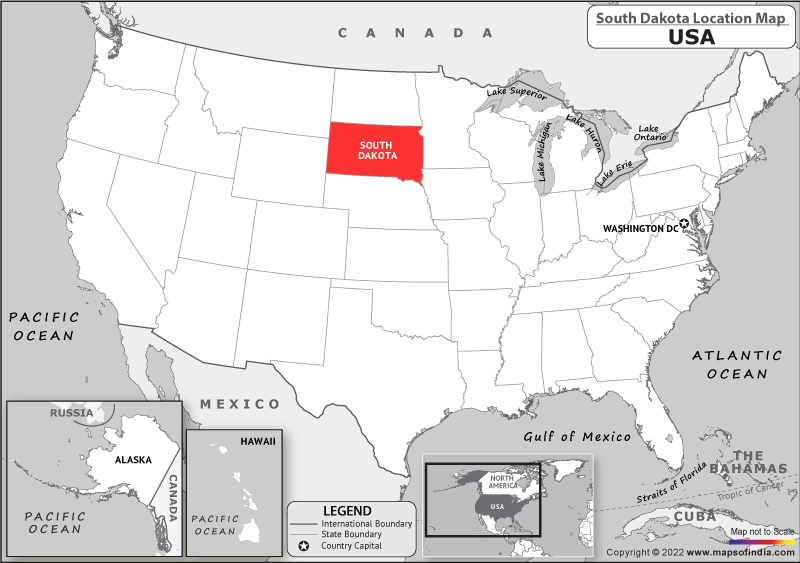
South Dakota, often characterized by its vast prairies, dramatic Badlands, and iconic monuments, occupies a distinct position in the geographic heartland of the United States. Understanding its location is key to appreciating its unique landscape, its rich history, and the diverse array of attractions it offers to travelers. Situated in the north-central region of the country, South Dakota is bordered by several other states, each contributing to its regional context and influencing its development.
Geographic Placement and Neighboring States
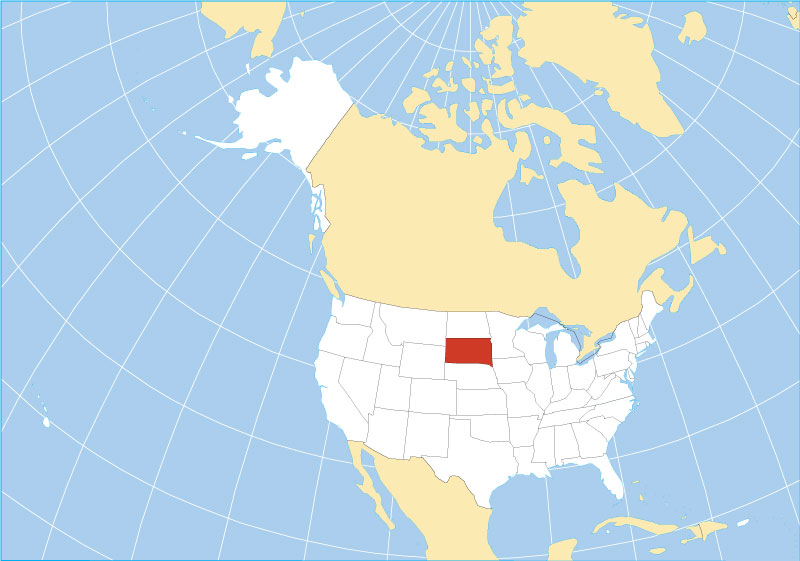
South Dakota is a landlocked state, nestled within the upper Midwest. Its exact placement on the map is crucial for understanding its climate, its economic ties, and its role in the broader American narrative. The state is roughly rectangular in shape, with its borders defined by natural features and historical agreements.
Northern Frontier: North Dakota
To the north, South Dakota shares a border with North Dakota. This boundary, largely defined by the 46th parallel north, places both states in a similar latitudinal band, influencing their shared agricultural heritage and similar climate patterns, characterized by cold, snowy winters and warm, humid summers. The proximity to North Dakota means that many travelers exploring the northern plains might easily combine visits to both states, experiencing the vast open spaces and distinctive prairie cultures.
Eastern Gateway: Minnesota and Iowa
The eastern edge of South Dakota is defined by its borders with Minnesota and Iowa. The Missouri River serves as a significant portion of the border with Iowa, a natural divider that has historically shaped settlement patterns and transportation routes. To the northeast, the border with Minnesota runs north-south, positioning South Dakota within reach of the Great Lakes region, though not directly bordering them. These eastern neighbors bring a slightly different flavor to the region, with influences from a more settled agricultural landscape and proximity to larger metropolitan areas.
Southern Exposure: Nebraska
South of South Dakota lies Nebraska. This border is also largely defined by the Missouri River for a significant stretch. The shared river system has historically facilitated trade and cultural exchange between the two states. Traveling south from South Dakota leads into the heart of the Great Plains, with similar agricultural landscapes and a shared Western heritage.
Western Expanse: Wyoming and Montana
To the west, South Dakota is bordered by Wyoming and Montana. The border with Wyoming runs north-south, marking a transition into a more mountainous and rugged terrain as one moves further west. The northwestern corner of South Dakota touches the southeastern edge of Montana. These western neighbors offer a dramatic contrast to the eastern plains, introducing the allure of the Rocky Mountains and a sense of frontier spirit that is also deeply embedded in South Dakota’s own identity. This western proximity also makes South Dakota a potential gateway to further exploration of the American West.
Strategic Position Within the United States
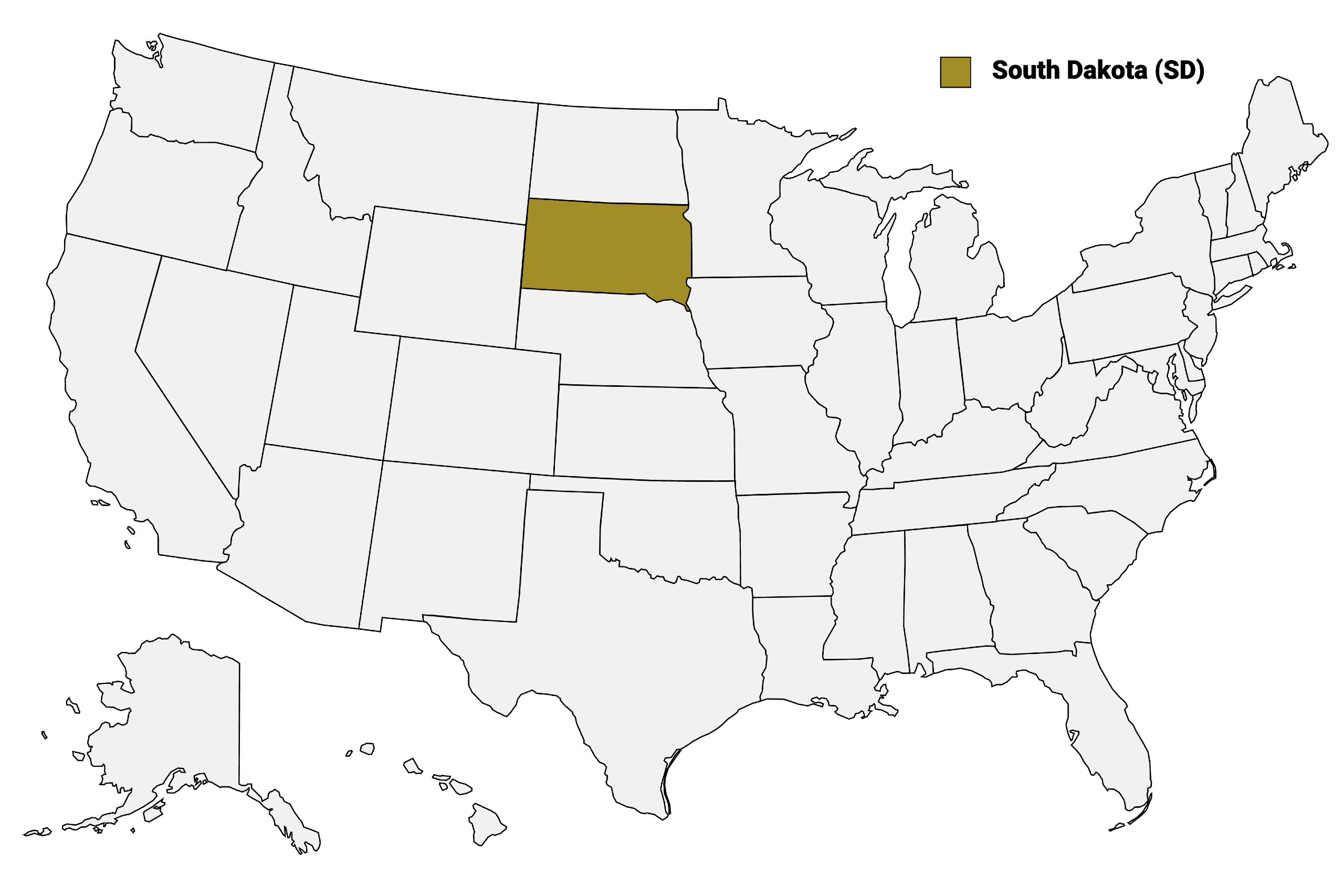
South Dakota’s central positioning within the contiguous United States is more than just a matter of latitude and longitude; it dictates its role as a crossroads for travel and commerce across the nation. Its location in the northern Great Plains means it is often a state that travelers pass through on their way to or from other destinations, making its own attractions easily accessible for those who take the time to explore them.
The Northern Great Plains
South Dakota is a quintessential part of the Northern Great Plains, a vast ecological and cultural region characterized by its wide-open spaces, rolling grasslands, and a history deeply intertwined with ranching, farming, and Native American heritage. This geographic identity shapes the state’s environment, its economy, and the very spirit of its people. The landscape is one of immense scale, where the horizon seems to stretch endlessly, punctuated by dramatic geological formations.
A Crossroads for Transportation
Due to its central location, South Dakota serves as a vital corridor for interstate highways. Interstate 90, the longest interstate highway in the United States, traverses the state from east to west, passing through major cities like Sioux Falls, Chamberlain, and Rapid City. This artery connects travelers from the East Coast to the Pacific Northwest, making South Dakota a natural stopover point for those embarking on transcontinental journeys. Similarly, Interstate 29 runs north-south along the eastern border, linking the state to Kansas City to the south and Canada to the north. This extensive highway network underscores the state’s importance as a thoroughfare, but also highlights the accessibility of its own unique destinations.
Iconic Landmarks and Their Geographic Context
The most famous attractions in South Dakota are intrinsically linked to its location and its geological history. These landmarks not only define the state’s identity but also draw visitors from across the globe, eager to experience the natural beauty and monumental sculptures that grace its landscape.
The Black Hills Region
In the western part of the state, the Black Hills rise majestically from the plains. This unique mountain range is home to some of South Dakota’s most celebrated sites. Geologically, the Black Hills are an ancient uplift, a geological anomaly that stands in stark contrast to the surrounding prairie. This region is a treasure trove of natural wonders and historical significance, offering a dramatic shift in scenery and experience from the eastern parts of the state.
-
Mount Rushmore National Memorial: Carved into the granite face of Mount Rushmore, the colossal sculptures of presidents George Washington, Thomas Jefferson, Theodore Roosevelt, and Abraham Lincoln are an iconic symbol of American achievement and a must-see for any visitor to the region. Its location within the Black Hills makes it a focal point of exploration for those visiting western South Dakota.
-
Crazy Horse Memorial: Located a short distance from Mount Rushmore, this mountain monument, still under construction, honors the Lakota leader Crazy Horse. Its ambitious scale and its ongoing development make it a powerful testament to Native American culture and resilience, situated in the heart of ancestral lands.
-
Wind Cave National Park and Jewel Cave National Monument: These subterranean wonders showcase the geological diversity of the Black Hills. Wind Cave is one of the longest and most complex caves in the world, renowned for its unique boxwork formations. Jewel Cave is another intricate cave system, celebrated for its sparkling calcite crystals. Their presence highlights the underground geological activity that has shaped this region for millennia.
The Badlands National Park
East of the Black Hills, the landscape transforms dramatically into the stark, otherworldly beauty of the Badlands National Park. This region is characterized by its dramatic[^1][^2][^3][^4] eroded buttes, pinnacles, and spires, formed over millions of years by water and wind. The geological formations here are so unique and the fossils so abundant that the park is a living museum of prehistoric life.
-
Scenic Drives and Overlooks: The park’s paved roads, including the Badlands Loop Road (South Dakota Highway 240), offer breathtaking vistas of the rugged terrain. Numerous overlooks provide opportunities to stop, admire the panoramic views, and photograph the surreal landscape.
-
Hiking Trails: For those who wish to immerse themselves more fully in the Badlands environment, a network of hiking trails allows exploration of the unique geology up close. These trails range from short, interpretive walks to longer, more challenging backcountry treks.
-
Fossil Beds: The Badlands are world-renowned for their fossil discoveries, including ancient horses, camels, and saber-toothed cats. While most of the significant fossils are protected within the park, interpretive displays educate visitors about the paleontological history of the region.
By understanding where South Dakota lies on the US Map, travelers can better plan their journeys, appreciate the diverse landscapes, and fully experience the unique cultural and natural heritage that this central American state has to offer. Whether you are driving coast-to-coast or intentionally seeking out its distinct attractions, South Dakota promises an unforgettable adventure rooted in the heart of the American West.
[^1]: A dramatic geological formation.[^2]: The scenery is quite dramatic.
[^3]: A dramatic landscape unfolds.
[^4]: Dramatic buttes rise from the plains. LifeOutOfTheBox is a participant in the Amazon Services LLC Associates Program, an affiliate advertising program designed to provide a means for sites to earn advertising fees by advertising and linking to Amazon.com. Amazon, the Amazon logo, AmazonSupply, and the AmazonSupply logo are trademarks of Amazon.com, Inc. or its affiliates. As an Amazon Associate we earn affiliate commissions from qualifying purchases.