
South Los Angeles is a vast and multifaceted region that often eludes precise definition, a sprawling expanse known for its rich cultural tapestry, vibrant communities, and significant historical narratives. It’s a territory that has long been at the heart of Los Angeles’s evolving identity, a place where the echoes of activism, artistic expression, and everyday life converge. To truly understand where South Los Angeles is, one must look beyond simple geographic boundaries and delve into its history, its people, and its enduring spirit.
Defining the Geography: A Shifting Landscape
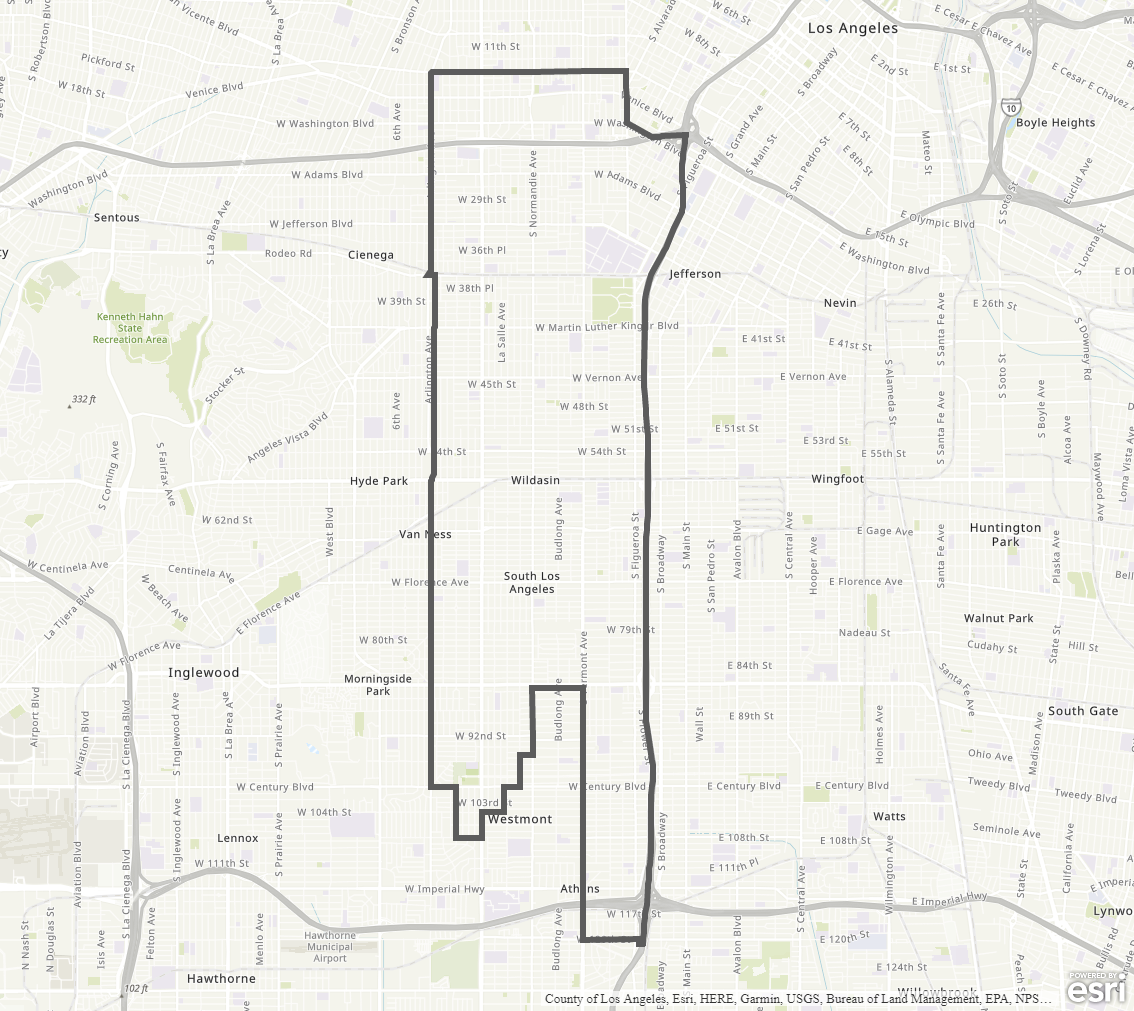
Geographically, South Los Angeles is a broad designation that typically encompasses a significant portion of the southern area of the city of Los Angeles, extending from the downtown core outwards. It’s not a single, officially designated municipality but rather a collection of neighborhoods and communities. The precise borders can be fluid, often debated, and can vary depending on historical context, socio-economic factors, and even local perception.

Historically, the area was a nexus of industrial activity and residential development, attracting diverse populations seeking opportunities. As the city grew and demographics shifted, the definition of “South LA” evolved. Today, it is generally understood to include areas south of the Santa Monica Freeway (Interstate 10) and often extending as far south as the border with Gardena and Compton. To the east, it might abut areas like East Los Angeles, and to the west, it could stretch towards areas near Culver City.
Key Neighborhoods and Their Character
Within this broad geographical sweep lie numerous distinct neighborhoods, each with its own unique character and history. Understanding these individual enclaves provides a more nuanced picture of South Los Angeles:
- Florence-Graham: Known for its industrial roots and diverse population, this area has a strong community presence and a history of local entrepreneurship.
- South Park: Adjacent to Downtown Los Angeles, South Park has seen significant redevelopment and offers a mix of residential and commercial spaces.
- University Park: Home to the University of Southern California (USC), this area is characterized by its student population, academic institutions, and surrounding neighborhoods that cater to students and faculty.
- Leimert Park: Often considered the cultural heart of South Los Angeles, Leimert Park is renowned for its African American arts and culture scene, with numerous galleries, performance spaces, and community events.
- Baldwin Hills/Crenshaw: This area is known for its significant African American heritage, its historic role in civil rights activism, and the iconic Baldwin Hills Crenshaw Plaza, a major retail and community hub.
- Watts: Famous for the Watts Towers and the historic Watts Riots of 1965, Watts is a community with a profound and often challenging history, but also a resilient spirit and a vibrant cultural identity.
- Exposition Park: This large urban park is a major landmark, featuring several world-class museums and the historic Los Angeles Memorial Coliseum.
These are just a few examples, and many other neighborhoods contribute to the rich mosaic of South Los Angeles, including Exposition Park, Harvard Park, Vermont Vista, and West Adams. Each holds its own stories and contributes to the overall identity of the region.
A History of Transformation and Resilience
The narrative of South Los Angeles is inextricably linked to the broader history of Los Angeles. Its development has been shaped by waves of migration, industrial expansion, social movements, and economic shifts.
Early Development and Industrialization
In the early 20th century, much of South Los Angeles was agricultural land. However, as Los Angeles grew, particularly after World War II, the area became a hub for manufacturing and industry. This attracted a diverse workforce, including African Americans migrating from the Southern United States during the Great Migration, as well as Latino and Asian immigrant communities. The construction of major freeways, such as the Santa Monica Freeway and the Harbor Freeway, further facilitated industrial growth and suburban expansion, connecting South Los Angeles to other parts of the burgeoning metropolis.
Civil Rights and Social Movements
South Los Angeles has also been a focal point for significant social and political movements. The struggle for civil rights, housing equality, and economic justice has been a defining characteristic of the region. Events like the Watts Riots in 1965, sparked by grievances over police brutality and systemic inequality, brought national attention to the challenges faced by residents. These struggles, however, also fostered a strong sense of community activism and a deep commitment to social change that continues to resonate today. Organizations and leaders emerged from these communities, fighting for better education, employment, and representation.
Economic Shifts and Community Challenges
Like many urban centers, South Los Angeles has experienced periods of economic hardship and disinvestment. Deindustrialization, white flight, and shifts in economic policy have presented significant challenges. These factors have contributed to higher rates of poverty, unemployment, and crime in some areas. However, resilience and community spirit have always been paramount. Residents have consistently worked to revitalize their neighborhoods, create local businesses, and improve the quality of life.

The Cultural Heartbeat: Art, Music, and Community
Beyond its geographical and historical dimensions, South Los Angeles is defined by its vibrant culture, a dynamic fusion of traditions and contemporary expressions.
A Canvas for Artistic Expression
South Los Angeles has long been a breeding ground for artistic talent. From the iconic Watts Towers, a monumental folk art sculpture created by Simon Rodia, to the thriving contemporary art scene, the region has consistently provided a platform for creative expression. Leimert Park, in particular, is celebrated as a hub for African American arts and culture. It hosts numerous galleries, performance venues, and community events that showcase poetry, music, dance, and visual arts. The annual Leimert Park Jazz Festival is a testament to the enduring legacy of jazz and its integral role in the community.
The Sounds of South LA
The musical landscape of South Los Angeles is incredibly diverse and influential. It has been instrumental in the development and popularization of various genres, including jazz, blues, soul, funk, hip-hop, and Chicano rock. Many legendary musicians and artists have roots in or have called South Los Angeles home. The neighborhood’s soundscapes are a reflection of its multicultural makeup and its history of social commentary and celebration. From the early days of rhythm and blues to the emergence of West Coast hip-hop, the sonic contributions from South Los Angeles are undeniable.
Community and Connection
At its core, South Los Angeles is about its people and the strong sense of community that binds them. Despite the challenges, there is a profound sense of pride and belonging. Community gardens, local festivals, and neighborhood associations are vital in fostering connection and mutual support. These spaces and events not only celebrate heritage but also serve as platforms for dialogue, problem-solving, and collective action, ensuring that the spirit of South Los Angeles continues to thrive.
Experiencing South Los Angeles Today: A Look at Attractions and Activities
While often overlooked by mainstream tourism, South Los Angeles offers a wealth of authentic experiences for those seeking to delve deeper into the city’s soul.
Landmarks and Cultural Hubs
- Watts Towers: A designated National Historic Landmark, these breathtaking structures are a testament to one man’s artistic vision and a symbol of perseverance. The accompanying arts center provides context and further engagement with the site.
- Exposition Park: This sprawling urban oasis is home to significant cultural institutions. The California Science Center, the Natural History Museum of Los Angeles County, and the California African American Museum offer enriching educational and cultural experiences for all ages. The Rose Garden within the park is also a beautiful spot for relaxation.
- Leimert Park Village: Explore this vibrant neighborhood for its independent bookstores, art galleries, music venues, and unique shops. It’s a place to immerse yourself in the local creative scene and experience the pulse of African American culture in Los Angeles.
- Los Angeles Memorial Coliseum: A historic stadium that has hosted two Olympic Games and countless significant sporting and cultural events. Tours are often available, offering a glimpse into its storied past.
Culinary Delights
South Los Angeles is a culinary melting pot, offering a diverse range of flavors that reflect its multicultural population. From authentic taquerias and soul food kitchens to Ethiopian restaurants and emerging fusion eateries, the culinary scene is rich and accessible. Exploring local markets and family-owned restaurants provides a genuine taste of the community.
Community Events and Activism
Attending local community events, festivals, and markets offers a direct connection to the people and their vibrant culture. These gatherings are opportunities to experience the music, art, and spirit of South Los Angeles firsthand and to support local businesses and initiatives. Understanding the ongoing work of community organizations provides insight into the region’s commitment to progress and empowerment.
In essence, South Los Angeles is not a singular destination but a constellation of communities, each with its own character, history, and cultural richness. It is a place of profound significance in the American story, a testament to resilience, creativity, and the enduring power of community. To ask “Where is South Los Angeles?” is to invite a journey into the diverse heart of this dynamic urban landscape.
LifeOutOfTheBox is a participant in the Amazon Services LLC Associates Program, an affiliate advertising program designed to provide a means for sites to earn advertising fees by advertising and linking to Amazon.com. Amazon, the Amazon logo, AmazonSupply, and the AmazonSupply logo are trademarks of Amazon.com, Inc. or its affiliates. As an Amazon Associate we earn affiliate commissions from qualifying purchases.