
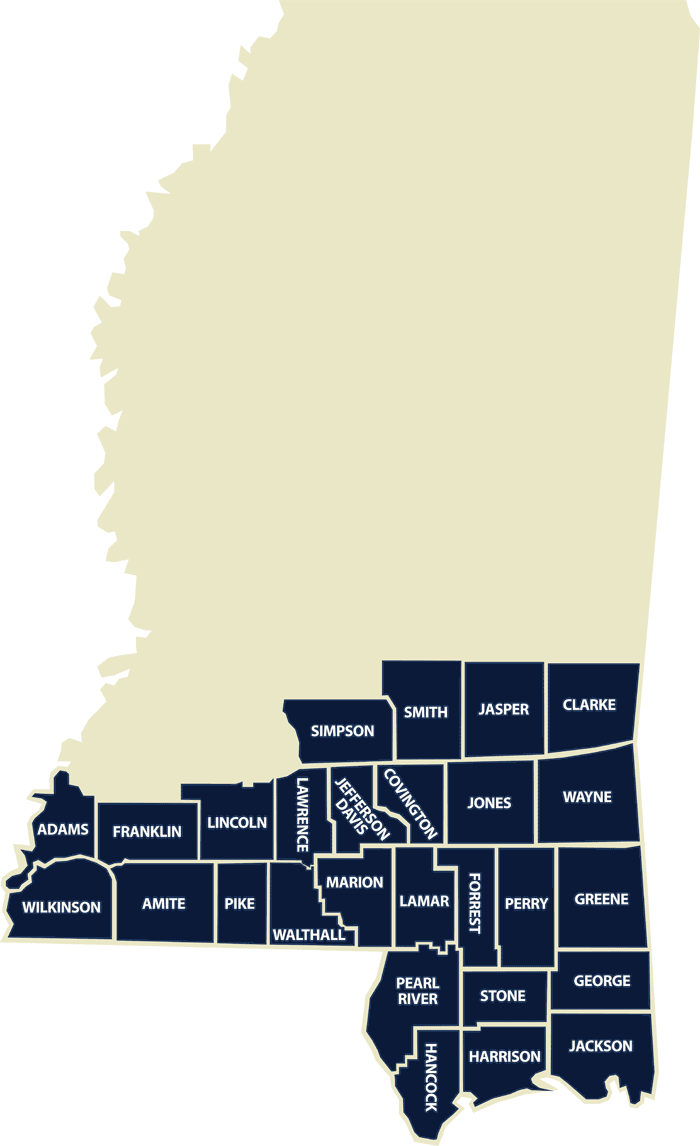
Defining the geographic and cultural boundaries of Southern Mississippi requires looking beyond simple state lines. Often referred to by locals as the “Pine Belt” or the “Gulf Coast,” this region is a distinct slice of the United States that blends deep-rooted Southern hospitality with a unique coastal identity. While the northern reaches of the state lean into the rolling hills and Delta blues history, the south is defined by its proximity to the Gulf of Mexico, vast longleaf pine forests, and a pace of life that prioritizes sun, surf, and soul.
The Geography of the Gulf Coast
The most prominent feature of Southern Mississippi is the coastline that stretches across the southern tier of the state. This area, anchored by cities like Biloxi, Gulfport, and Ocean Springs, offers a landscape vastly different from the interior.

Coastal Identity vs. Pine Belt Interior
When travelers ask where Southern Mississippi truly begins, geographers often point to the transition point where the flat coastal plains meet the rolling, forest-heavy interior known as the Pine Belt. This transition zone typically starts north of Interstate 10 and stretches up toward Hattiesburg. While the coast is dominated by gaming, white-sand beaches, and maritime industry, the Pine Belt is defined by academic culture and the remnants of the timber industry that built the state’s wealth in the late 19th century.
Accessing the Region
For those navigating the region, Mobile, Alabama serves as a primary gateway to the east, while the Louisiana border and New Orleans act as the entry point from the west. The Mississippi Gulf Coast is bisected by major thoroughfares that connect smaller, historic communities like Pass Christian and Bay St. Louis, allowing for a scenic drive that highlights the architectural resilience and natural beauty of the barrier islands.
Cultural Landscapes and Historical Roots
Southern Mississippi is more than just a coordinate on a map; it is a cultural ecosystem shaped by centuries of French, Spanish, and British influence, followed by the complex legacy of the American South. The region’s identity is inextricably linked to the waterways, including the Pascagoula River, which is one of the largest unimpeded river systems in the country.
The Influence of the Coast
The culture here is deeply nautical. In towns like Moss Point and Pascagoula, the rhythm of life is set by the tides and the maritime industry. The heritage of the Gulf Coast is preserved through local festivals, the abundance of fresh seafood, and an architectural style that features deep porches and raised structures designed to catch the breeze.
Academic and Inland Heritage
Moving inland toward Forrest County, the vibe shifts toward the collegiate atmosphere of the University of Southern Mississippi. This area serves as an economic hub for the southern interior, blending modern retail and healthcare with the preserved history of the old logging towns. The African American Military History Museum in Hattiesburg stands as a testament to the region’s complex, evolving history, proving that Southern Mississippi is a place of deep narrative importance.

Natural Wonders and Outdoor Experiences
The southern part of the state is a playground for nature enthusiasts. The environment here is characterized by biodiversity, particularly within the vast tracts of protected land that buffer the developed coastal corridors.
The Barrier Islands
The Mississippi Sound is protected by a series of stunning barrier islands, many of which fall under the jurisdiction of the Gulf Islands National Seashore. Islands such as Ship Island and Horn Island offer pristine, uninhabited environments. Accessible only by boat, these islands provide a glimpse into what the entire coast looked like before human settlement. They are essential stops for those looking to understand the natural geography of Southern Mississippi.
Pine Forests and State Parks
Away from the saltwater, the interior is dominated by the De Soto National Forest. This massive expanse of wilderness provides miles of trails for hiking, cycling, and equestrian use. It serves as a stark contrast to the beach-heavy image often associated with the region. Whether you are wandering through the longleaf pines in Perry County or kayaking down the blackwater streams that feed the Gulf, the southern interior offers a rugged, quiet beauty that is often overlooked by tourists rushing toward the shore.
Planning Your Visit to the Region
If you are looking to define where you want to spend your time in Southern Mississippi, it helps to categorize your expectations. Are you seeking the high-energy gaming and nightlife of the coastal cities, or the quiet, contemplative nature of the pine forests?
Coastal Tourism Destinations
For the classic traveler, the coastal corridor offers the most infrastructure. Beau Rivage Resort & Casino in Biloxi provides a luxury base for exploring the area, while the charming boutiques and galleries of Ocean Springs offer a more bohemian, walkable experience. These cities are perfect for those who want easy access to history, museums like the Walter Anderson Museum of Art, and some of the best culinary experiences in the South.
The Hidden Gems of the Interior
For those who prefer a trip centered on discovery, look toward the towns that dot the DeSoto Trail. Exploring the Mississippi Blues Trail markers that extend into the southern counties can turn a simple drive into a historical pilgrimage. Furthermore, visiting Petal or Laurel—the latter having gained fame for its historic home restoration scene—provides an authentic look at life in the South that is miles away from the tourist traps.
Practical Tips for Navigation
While the region is generally easy to traverse by car, keep in mind that Southern Mississippi is spread out. A trip to Waveland on the western edge of the coast can take over an hour to reach from the eastern hubs of Gautier or Pascagoula. Always check for local events, as the region hosts significant festivals like the Cruisin’ The Coast event, which can temporarily reshape the traffic flow and hotel availability across the entire coast.
Ultimately, Southern Mississippi is a destination defined by its contrasts. It is a place where the deep, quiet shade of the pine forests meets the bright, saline expanse of the Gulf. It is a region that rewards curiosity, encouraging travelers to turn off the main highways and explore the small towns, the wild islands, and the historic districts that collectively form the heart of this Southern territory. Whether you are seeking a weekend retreat or a deep-dive into regional history, Southern Mississippi offers a rich, layered experience that lingers in the memory long after you have crossed the northern border back into the rest of the world.
LifeOutOfTheBox is a participant in the Amazon Services LLC Associates Program, an affiliate advertising program designed to provide a means for sites to earn advertising fees by advertising and linking to Amazon.com. Amazon, the Amazon logo, AmazonSupply, and the AmazonSupply logo are trademarks of Amazon.com, Inc. or its affiliates. As an Amazon Associate we earn affiliate commissions from qualifying purchases.