
Spanish Harlem, also affectionately known as El Barrio, is a vibrant and culturally rich neighborhood nestled within the bustling metropolis of New York City. While its name suggests a singular, defined location, understanding its precise geographical boundaries and its evolving identity is key to appreciating its unique place within the urban landscape. More than just a point on a map, Spanish Harlem represents a significant cultural hub, a testament to the enduring legacy of Hispanic and Latino communities in America.
Defining the Boundaries of El Barrio
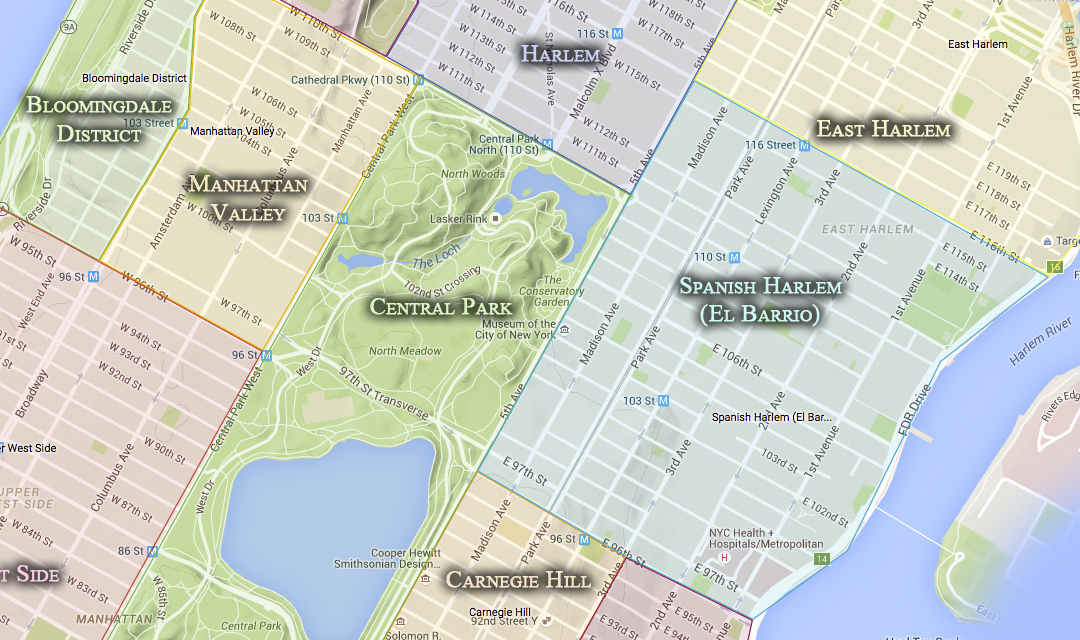
Pinpointing the exact borders of Spanish Harlem can be a nuanced endeavor, as informal designations and community perceptions often shape its perceived extent. Historically and most commonly, the neighborhood is understood to occupy a significant portion of the eastern side of Manhattan, extending from roughly 96th Street to 125th Street, and from Fifth Avenue eastward to the East River. This geographical core encompasses areas within the larger community boards of East Harlem and parts of Central Harlem.
The Core of East Harlem
The heart of what is widely recognized as Spanish Harlem lies within the northern section of East Harlem. This area, predominantly north of 110th Street, is where the cultural tapestry of the neighborhood is most densely woven. Streets like Lexington Avenue, Park Avenue, Madison Avenue, and Fifth Avenue, all running north-south, serve as important conduits, with cross streets like 116th Street, 110th Street, and 106th Street acting as defining arteries. The vibrant street life, the aroma of diverse cuisines, and the sounds of Spanish music emanate strongly from this central zone.
Extending Northward and Westward
As the community’s influence and population have shifted over time, the perceived boundaries of Spanish Harlem have also expanded and contracted. To the north, its reach often extends up to 125th Street, a major thoroughfare that borders Harlem River Park and the Randalls Island bridge. This northern expansion is significant as it signifies the continued presence and vitality of the community. To the west, while the traditional dividing line is often cited as Fifth Avenue, some perceive its influence to extend further west into parts of Central Harlem, particularly in areas with a strong Puerto Rican and Dominican presence. This fluidity in definition highlights the organic nature of neighborhood identity, often shaped more by cultural belonging than by strict urban planning.
A Legacy of Culture and Community
The geographical location of Spanish Harlem is intrinsically linked to its rich cultural heritage, which has been meticulously cultivated by generations of Hispanic immigrants and their descendants. This is not merely a place; it is a living, breathing testament to the resilience, creativity, and vibrant traditions brought from Puerto Rico, the Dominican Republic, Cuba, and other Latin American nations.
The Puerto Rican Foundation
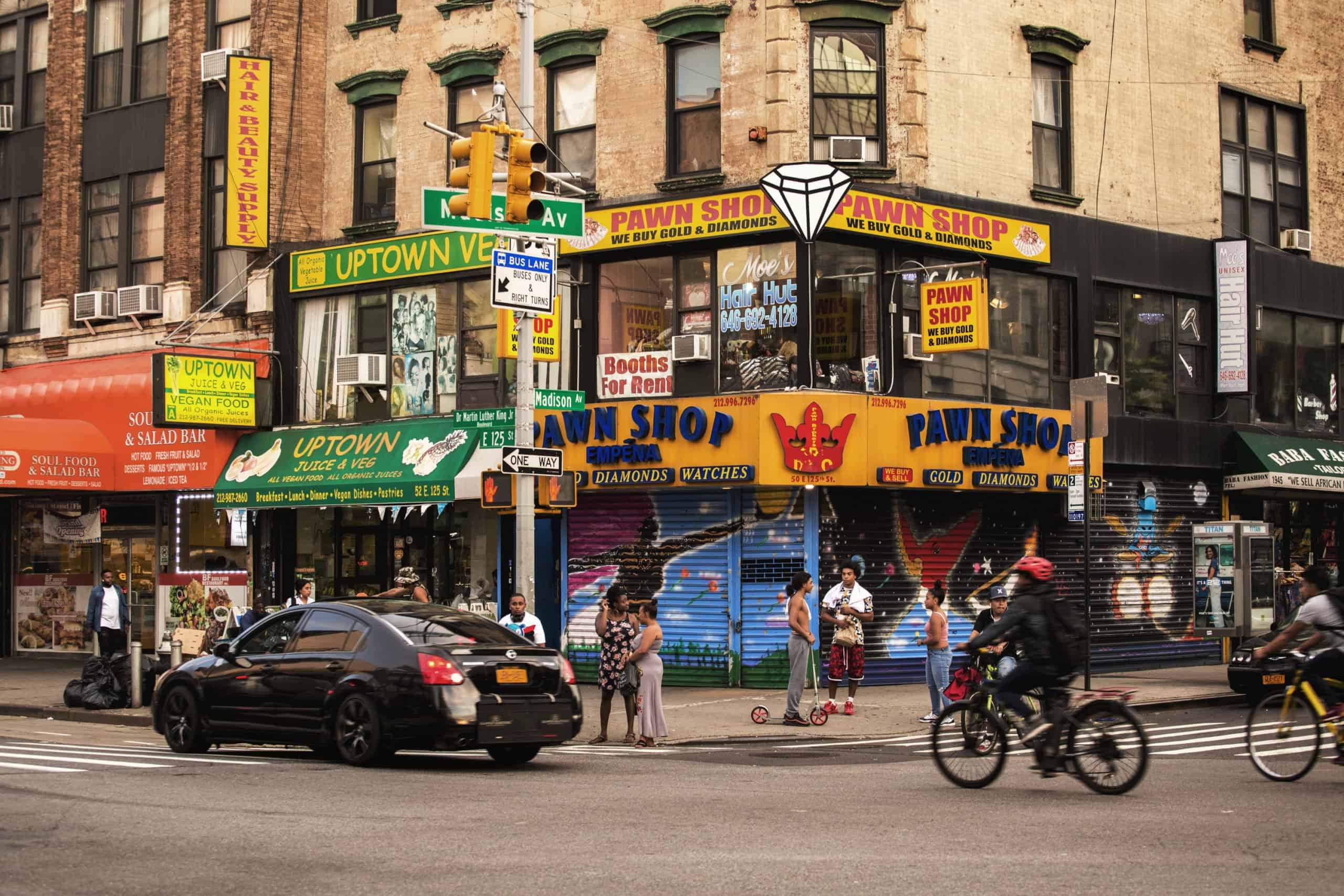
Puerto Rican culture forms the historical bedrock of Spanish Harlem. Beginning in the early to mid-20th century, a significant wave of Puerto Rican migration to New York City led to the formation of strong enclaves, with East Harlem becoming a primary destination. This migration was spurred by economic opportunities and the desire for a better life. The community established churches, social organizations, bodegas, and restaurants that quickly infused the neighborhood with its distinctive character. Streets were adorned with murals, music filled the air, and a palpable sense of shared identity emerged.
Diversification and Evolution
While Puerto Ricans laid the foundation, Spanish Harlem has always been a dynamic community, evolving and embracing new influences. Over the decades, significant influxes of immigrants from the Dominican Republic, Cuba, and other Latin American countries have further enriched its cultural mosaic. This diversification has led to a broader spectrum of culinary traditions, musical genres, and linguistic nuances within the neighborhood. Today, a visitor might hear Spanish spoken with various accents, savor Cuban coffee alongside Dominican mofongo, and witness celebrations reflecting the diverse traditions of the entire Hispanic world. This ongoing evolution ensures that El Barrio remains a lively and ever-changing cultural epicentre.
Experiencing Spanish Harlem Today
To truly understand where Spanish Harlem is, one must experience its soul through its people, its art, and its culinary offerings. It is a neighborhood that invites exploration, promising authentic encounters and a deeper appreciation for New York City’s multicultural fabric.
A Culinary Journey
The culinary scene in Spanish Harlem is arguably one of its most compelling attractions. From humble bodegas to acclaimed restaurants, the neighborhood offers an authentic taste of Latin American cuisine. Iconic dishes like Puerto Rican mofongo, Cuban sandwiches and lechón, and Dominican empanadas are readily available. The vibrant street food culture also contributes to the gastronomic landscape, with vendors offering everything from piraguas (shaved ice) to corn on the cob seasoned with chili and lime. Exploring the diverse eateries is a direct pathway to understanding the community’s heritage and its present-day vitality.
Artistic Expression and Landmarks
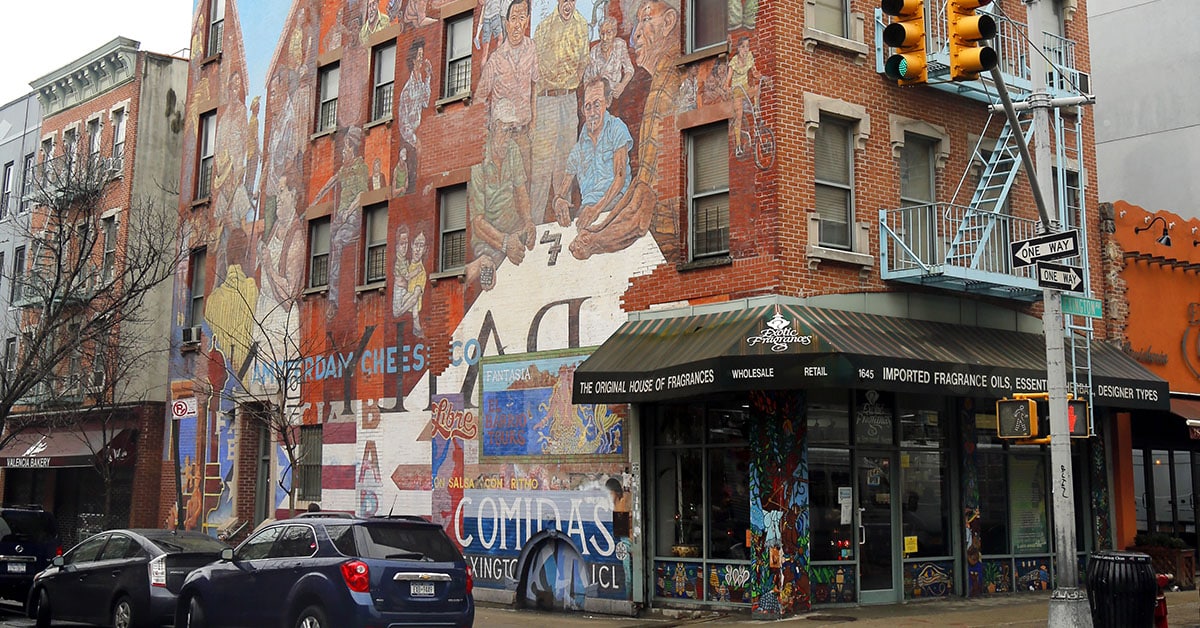
Spanish Harlem is a canvas for artistic expression, reflecting the community’s spirit and history. The neighborhood is renowned for its vibrant street art and murals, many of which adorn building facades and public spaces. These artworks often depict scenes from Latin American history, cultural icons, and messages of social commentary, transforming the streets into an open-air gallery. Landmarks such as the El Museo del Barrio, dedicated to showcasing Latin American and Caribbean art and culture, serve as important cultural institutions. The Thomas Jefferson Park and the East River Promenade offer scenic views and recreational spaces, further integrating the community with its environment.
Community and Celebrations
The strong sense of community is perhaps the most defining characteristic of Spanish Harlem. Numerous community organizations and cultural centers work tirelessly to preserve traditions and provide support to residents. Throughout the year, the neighborhood comes alive with vibrant festivals and celebrations, such as the National Puerto Rican Day Parade and various Hispanic Heritage Month events. These occasions are not just tourist attractions; they are genuine expressions of cultural pride and communal bonding, offering a glimpse into the heart of El Barrio. Understanding the location of Spanish Harlem is therefore not just about its coordinates, but about its indelible connection to the people who call it home and the rich culture they have fostered within New York City.
LifeOutOfTheBox is a participant in the Amazon Services LLC Associates Program, an affiliate advertising program designed to provide a means for sites to earn advertising fees by advertising and linking to Amazon.com. Amazon, the Amazon logo, AmazonSupply, and the AmazonSupply logo are trademarks of Amazon.com, Inc. or its affiliates. As an Amazon Associate we earn affiliate commissions from qualifying purchases.