
St. Johns County is a premier coastal destination situated in the northeastern corner of Florida, within the United States. Known primarily as the home of the nation’s oldest city, it represents a unique intersection of deep colonial history and modern luxury. Geographically, it is part of the First Coast region, a name that pays homage to both its position as the first area of Florida to be colonized by Europeans and its status as the first coastal region travelers encounter when entering the state from the north.
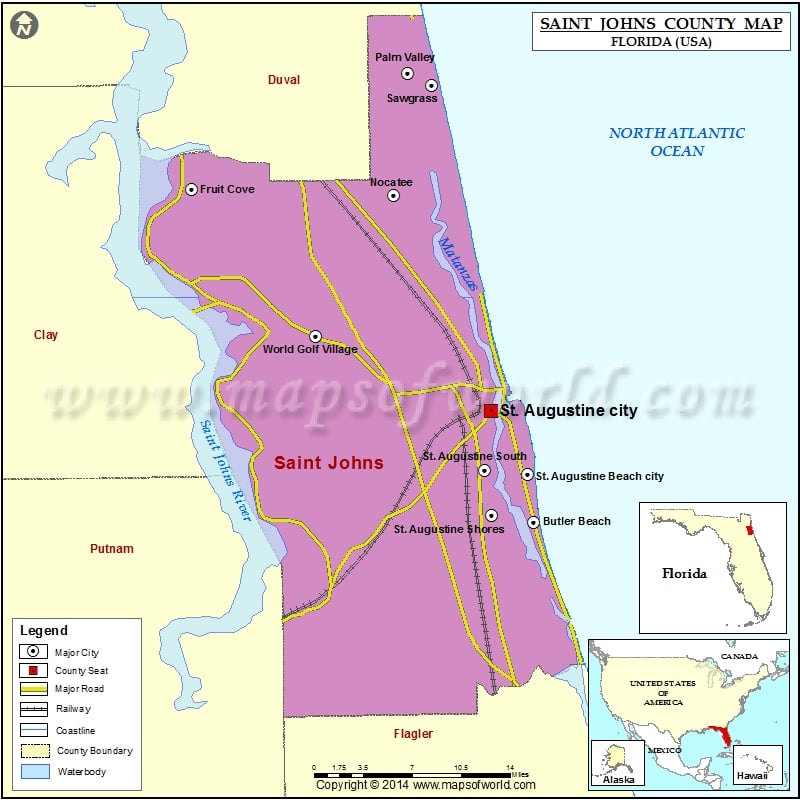
To find St. Johns County on a map, one simply needs to look south of the bustling metropolitan hub of Jacksonville and north of Flagler County. It is bounded to the east by the vast expanse of the Atlantic Ocean and to the west by the winding St. Johns River. This dual-waterfront positioning defines much of the county’s character, offering a landscape that transitions from salt-sprayed barrier islands to lush, riverine wetlands.
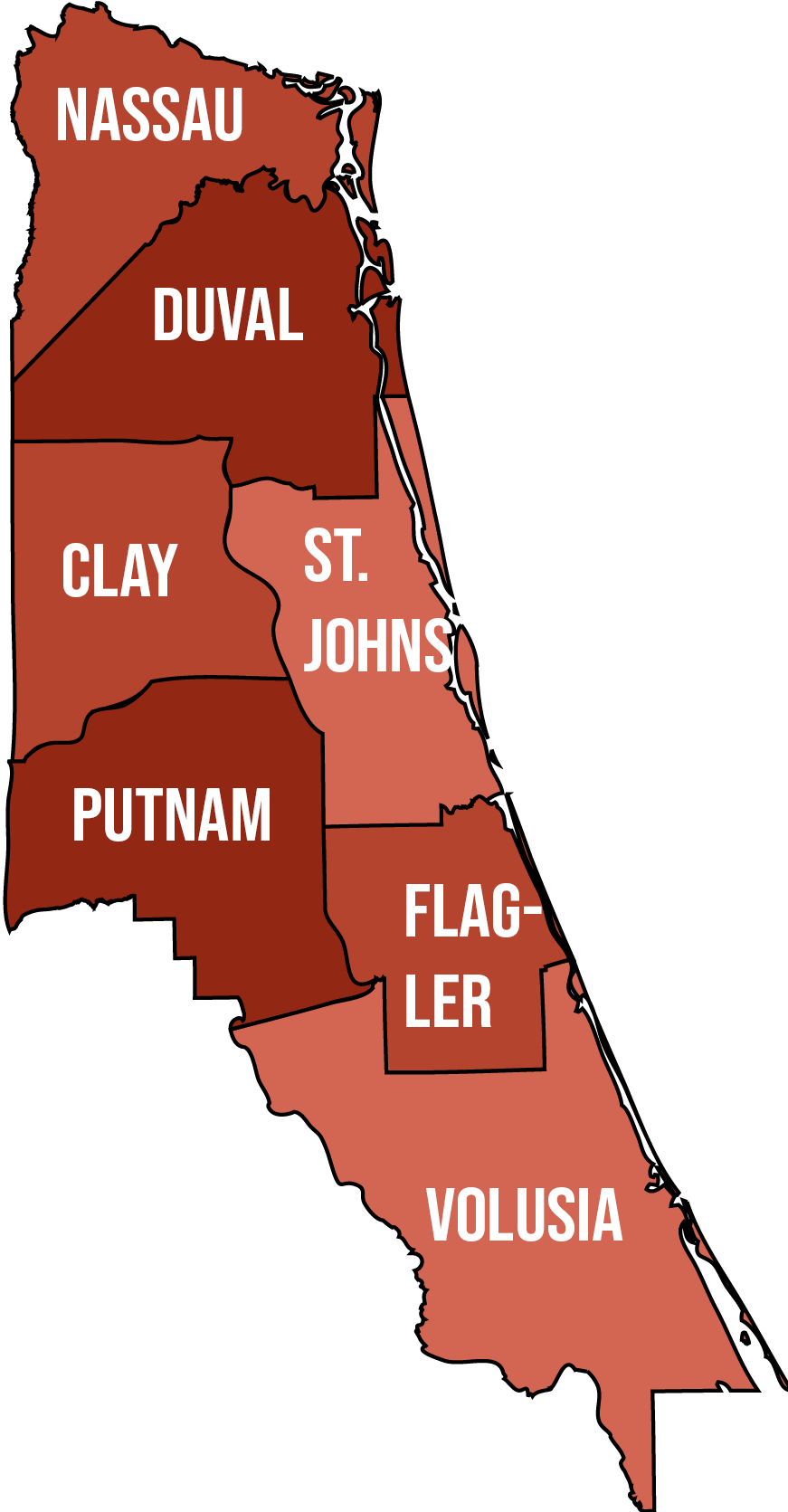
Geographic Positioning and Natural Landscape
The physical location of St. Johns County offers a diverse range of ecosystems that make it a standout destination for eco-tourism and outdoor enthusiasts. Covering approximately 600 square miles of land and 200 square miles of water, the county’s geography is shaped by its proximity to several major bodies of water.
The Atlantic Coastline and Barrier Islands
The eastern edge of the county consists of over 40 miles of pristine beaches. Unlike the high-rise-dominated coastlines of Miami or Fort Lauderdale, the beaches here, such as Vilano Beach and Crescent Beach, maintain a more natural, laid-back atmosphere. The coastline is characterized by coquina sand—a mixture of crushed shells and sand—which gives the beaches a distinctive golden hue.
The Matanzas River, which is part of the Intracoastal Waterway, separates the mainland from the barrier islands. This tidal lagoon system is vital for local biodiversity and provides a protected environment for kayaking, paddleboarding, and birdwatching. At the southern tip of the county, the Matanzas Inlet remains one of the few “unimproved” inlets on Florida’s east coast, meaning it has not been altered by jetties or dredging, allowing visitors to see the natural ebb and flow of the Atlantic Ocean.
The St. Johns River and Inland Territory
To the west, the county is bordered by the St. Johns River, one of the few rivers in the world that flows north. This area of the county feels worlds away from the beach, featuring ancient cypress swamps and hardwood hammocks. The rural community of Hastings, located in the southwestern portion of the county, serves as an agricultural hub, highlighting the inland diversity of the region. Between the river and the sea lies a mix of pine flatwoods and residential developments that have made St. Johns County one of the fastest-growing areas in the country.
Historical Significance: The Heart of the First Coast
While many travelers ask where the county is located to plan their logistics, the “where” is inextricably linked to “when.” St. Johns County is the site of the first permanent European settlement in the continental United States.
St. Augustine: The Ancient City
At the center of the county’s identity is St. Augustine. Founded in 1565 by Spanish admiral Pedro Menendez de Aviles, the city predates the landing of the Pilgrims at Plymouth Rock by 55 years. Walking through the Historic District feels like stepping back in time, with narrow cobblestone streets and Spanish Colonial architecture.
The most prominent landmark in St. Augustine is the Castillo de San Marcos. This 17th-century masonry star fort was built by the Spanish to defend the city against pirate raids and British attacks. Made from coquina, a rare form of limestone, the fort’s walls were famously indestructible, absorbing cannonballs rather than shattering under their impact. Today, it stands as a National Monument and a testament to the strategic importance of this geographic location.
Architectural Landmarks and Cultural Heritage
Beyond the fort, the county is home to the Lightner Museum, housed in the former Hotel Alcazar, and the stunning campus of Flagler College, which was originally the Ponce de Leon Hotel. These buildings were commissioned by industrialist Henry Flagler, who transformed the region into a winter playground for the wealthy during the Gilded Age. The influence of Spain is visible everywhere, from the Bridge of Lions to the Fountain of Youth Archaeological Park, where legend says Juan Ponce de Leon searched for eternal life.
Modern Destinations and Coastal Communities

While history is the anchor of St. Johns County, its northern and southern reaches offer modern luxury and world-class sporting facilities.
Ponte Vedra Beach and the North County
The northern section of the county is synonymous with Ponte Vedra Beach. This area is a stark contrast to the historic charm of the south, known instead for its high-end resorts, manicured golf courses, and affluent residential enclaves like Nocatee.
Ponte Vedra Beach is the headquarters of the PGA Tour and home to TPC Sawgrass. Golf enthusiasts from around the world travel here to witness the Players Championship or to test their skills on the famous island green of the 17th hole. The area also features the Guana Tolomato Matanzas National Estuarine Research Reserve, a massive conservation area that protects the delicate balance of the coastal dunes and marshes.
The World Golf Village
Located further inland near Interstate 95, the World Golf Village serves as another major draw. It houses the World Golf Hall of Fame and multiple championship courses. This development represents the county’s expansion into the interior, creating a hub for tourism that caters to sports fans and families alike.
Outdoor Exploration and Conservation
St. Johns County is a haven for those who seek to explore Florida’s natural beauty. Its location provides access to several state parks and protected lands that showcase the state’s flora and fauna in their undisturbed state.
Anastasia State Park
Situated on a peninsula across the Matanzas River from St. Augustine, Anastasia State Park is one of the most visited parks in the Florida State Parks system. It features over 1,600 acres of white quartz sand beaches, ancient dunes, and tidal marshes. Visitors often come here for the Anastasia Watersports rentals, allowing them to sail or kayak in the protected waters of Salt Run.
Fort Matanzas National Monument
To the south lies Fort Matanzas National Monument. This site preserves a 1742 Spanish watchtower that guarded the southern approach to St. Augustine. Accessible only by a ferry operated by the National Park Service, it offers a more secluded and tranquil experience compared to the busier downtown sites. The surrounding nature trails provide glimpses of gopher tortoises and migratory birds.
Marine and Coastal Life
The waters off St. Johns County are teeming with life. From the St. Augustine Lighthouse and Maritime Museum, visitors can look out over the Atlantic Ocean where North Atlantic Right Whales migrate during the winter months. The county’s estuaries are also home to manatees, dolphins, and an array of fish species that support a thriving local fishing industry.
How to Reach St. Johns County
Understanding where St. Johns County is also requires knowing the best ways to access it. Its central location in Northeast Florida makes it easily reachable from several major metropolitan areas.
Air and Road Access
Most travelers arriving by air fly into Jacksonville International Airport, which is located about 50 minutes north of St. Augustine. For private pilots or regional flights, the Northeast Florida Regional Airport is located just minutes from the Historic District.
By car, Interstate 95 is the primary north-south artery that runs through the heart of the county. For those looking for a more scenic route, the A1A Scenic and Historic Coastal Byway hugs the coastline, offering breathtaking views of the Atlantic Ocean and access to the various beach communities. U.S. Route 1 also runs through the county, serving as a main commercial corridor.
Proximity to Other Florida Hubs
The county’s location is ideal for those planning a multi-city Florida itinerary. It is approximately two hours north of Orlando, making it a popular coastal escape for visitors of the major theme parks. Daytona Beach is a short 45-minute drive to the south, while the Georgia state line is less than an hour to the north.
Whether you are seeking the historical echoes of the Spanish Empire, the championship fairways of Ponte Vedra Beach, or the quiet solitude of a coastal preserve, St. Johns County occupies a unique and accessible space on the Florida map. It remains a cornerstone of the Sunshine State, offering a travel experience that is as geographically diverse as it is historically significant.
LifeOutOfTheBox is a participant in the Amazon Services LLC Associates Program, an affiliate advertising program designed to provide a means for sites to earn advertising fees by advertising and linking to Amazon.com. Amazon, the Amazon logo, AmazonSupply, and the AmazonSupply logo are trademarks of Amazon.com, Inc. or its affiliates. As an Amazon Associate we earn affiliate commissions from qualifying purchases.