
Nestled in the heart of the Sonoran Desert in Arizona, Superstition Mountain stands as a monumental landmark, shrouded in myth, mystery, and unparalleled natural beauty. For centuries, this captivating peak has drawn adventurers, treasure seekers, and nature enthusiasts alike, all eager to unravel its secrets and soak in its majestic presence. Its name alone conjures images of ancient legends and untold riches, specifically the infamous Lost Dutchman’s Gold Mine. But beyond the folklore, Superstition Mountain is a tangible geographical wonder, a crucial piece of Arizona’s diverse landscape, and a beacon for those seeking an unforgettable travel experience.

For anyone planning a trip to the southwestern United States, understanding the precise location and the wealth of experiences it offers is key. This comprehensive guide will take you on a journey to discover exactly where Superstition Mountain is, delve into its rich history and captivating legends, explore the myriad activities available, and provide essential tips for planning your visit to this iconic Arizona landmark. Whether you’re a seasoned hiker, a history buff, a photography enthusiast, or simply someone looking for a unique desert experience, Superstition Mountain promises an adventure that transcends the ordinary, making it a must-visit destination on your Arizona itinerary.
Unveiling the Enigmatic Location of Superstition Mountain
Superstition Mountain is a prominent feature in the central part of Arizona, forming the northern edge of the Superstition Wilderness within the Tonto National Forest. Its towering volcanic peaks and rugged terrain are unmistakably visible from many points across the greater Phoenix metropolitan area, making it a familiar sight for residents and visitors alike. This majestic mountain range is not just a geological formation; it’s a cultural icon, deeply embedded in the identity of the region.
Geographical Context and Accessibility
The primary access point to the heart of Superstition Mountain and its surrounding recreational areas is via the town of Apache Junction. Located approximately 40 miles (64 kilometers) east of downtown Phoenix, Apache Junction serves as the gateway to the Superstition Wilderness and the historic Apache Trail (State Route 88). This scenic route winds through breathtaking desert landscapes, offering stunning views of the mountains, ancient saguaros, and several picturesque lakes like Canyon Lake and Saguaro Lake.
Driving from Phoenix typically takes less than an hour, making it an ideal day trip or a convenient base for a longer exploration. Visitors can take US-60 East, which leads directly to Apache Junction. From there, numerous well-marked roads guide you towards the various trailheads, Lost Dutchman State Park, and the Superstition Mountain Museum. The terrain surrounding the mountain is characterized by dramatic rock formations, deep canyons, and a rich diversity of desert flora and fauna, all thriving under the intense Arizona sun.
Surrounding Areas and Nearby Towns
While Apache Junction is the closest community, several other towns and cities offer convenient access and accommodation options for visitors to Superstition Mountain. The city of Mesa, just west of Apache Junction, provides a broader range of hotels, resorts, and dining choices, catering to various budget travel and luxury travel preferences. Further afield, but still within a reasonable driving distance, are the vibrant cities of Tempe and Scottsdale, offering upscale resorts and a bustling lifestyle scene.
Closer to the mountain itself, the small community of Gold Canyon offers serene residential areas and some golf resorts with stunning mountain views. For those seeking a unique glimpse into the past, the nearby Goldfield Ghost Town on the Apache Trail provides a historic Western experience, complete with old saloons, a general store, and even a mine tour. These surrounding areas not only provide practical amenities but also enhance the overall tourism experience by offering diverse attractions that complement the rugged beauty of Superstition Mountain.
The Allure of Legends: Superstition Mountain’s Mystical Past
What truly sets Superstition Mountain apart from other natural landmarks is the rich tapestry of legends woven into its very fabric. For generations, tales of lost gold, ancient curses, and unexplained phenomena have captivated the imagination, transforming this geological wonder into a place of profound mystery and intrigue. These stories are not mere embellishments; they are an integral part of the mountain’s local culture and historical identity, drawing millions who hope to uncover a piece of its mythical past.
The Legend of the Lost Dutchman’s Gold Mine
Undoubtedly, the most famous and enduring legend associated with Superstition Mountain is that of the Lost Dutchman’s Gold Mine. This tale centers around a German immigrant named Jacob Waltz, often mistakenly referred to as “the Dutchman,” who supposedly discovered a fabulously rich gold mine in the Superstition Wilderness in the late 19th century. According to the legend, Waltz revealed clues to its location on his deathbed in 1891 but took the precise directions with him to the grave.
The legend claims that the mine was originally worked by the Peralta family from Mexico in the 18th and 19th centuries, who extracted vast quantities of gold before being massacred by Apache warriors. Waltz is said to have rediscovered the mine, only to face numerous perils and keep its location a closely guarded secret. Since Waltz’s death, countless individuals have embarked on perilous expeditions into the rugged mountains, seeking the elusive treasure. Many have met with misfortune, disappeared, or returned empty-handed, fueling the mountain’s reputation for being cursed and fiercely protective of its riches. Iconic formations like Weavers Needle are often mentioned in the cryptic clues, adding to the mystique and providing visual landmarks for those on the quest. This legend continues to inspire books, documentaries, and a persistent stream of modern-day prospectors, making the search for the Lost Dutchman’s Gold Mine a timeless saga.
Native American Lore and Spiritual Significance
Long before European settlers arrived, Superstition Mountain held profound spiritual significance for several Native American tribes, most notably the Apache and Pima peoples. To them, the mountains were sacred grounds, often revered as the home of their gods or as a portal to the spirit world. The Apache, in particular, viewed the mountain as a sacred dwelling place, where Thunder God and other deities resided. They believed that entering certain areas of the mountain without proper respect could incur divine wrath or invite evil spirits.
Many Native American legends describe the mountain as a place of power, rich with ancient wisdom and hidden dangers. These stories often speak of the “Tlahamies,” or “little people,” who guard the mountains and their hidden treasures, echoing themes found in the Lost Dutchman legend. Petroglyphs found in various canyons around the mountain serve as tangible reminders of this ancient presence, offering glimpses into their local culture, beliefs, and daily lives. For millennia, the mountain has been a site for ceremonies, vision quests, and a source of natural resources, solidifying its place as a deeply respected and awe-inspiring landmark in the indigenous history of Arizona. Understanding this rich tapestry of Native American lore adds another layer of depth to the mountain’s mystique, reminding visitors of its enduring spiritual power.
Exploring the Wilderness: Activities and Attractions
Beyond its captivating legends, Superstition Mountain offers a plethora of activities and attractions for every type of adventurer. The rugged beauty of the Sonoran Desert provides a stunning backdrop for outdoor exploration, making it a premier destination for those seeking to connect with nature and experience the raw majesty of Arizona’s wilderness.
Hiking Trails and Outdoor Adventures
The Superstition Wilderness boasts an extensive network of hiking trails, ranging from easy strolls to challenging climbs, catering to all skill levels. Lost Dutchman State Park, located at the base of the mountains, serves as an excellent starting point, offering several well-maintained trails with breathtaking views.
- Siphon Draw Trail: This popular and challenging trail leads to the iconic Flatiron, a strenuous climb that rewards hikers with panoramic views of the entire Phoenix valley. It’s an out-and-back trail, requiring good physical condition and proper gear.
- Peralta Trail: A moderate to strenuous hike that offers spectacular views of Weavers Needle, a distinctive volcanic spire often associated with the Lost Dutchman legend. This trail is particularly stunning in spring when wildflowers bloom.
- Treasure Loop Trail: A more accessible, moderate loop trail within Lost Dutchman State Park, perfect for family trips or those looking for a shorter, less strenuous hike with excellent photo opportunities.
- Jacob’s Crosscut Trail: Also found in Lost Dutchman State Park, this trail is relatively flat and easy, offering scenic views of the mountain and surrounding desert flora.

Beyond hiking, the area is popular for mountain biking, horseback riding, and rock climbing. The vastness of the Superstition Wilderness also attracts backpackers seeking multi-day excursions into its remote canyons and peaks, although these trips require careful planning and wilderness experience.
Scenic Views and Photography Opportunities
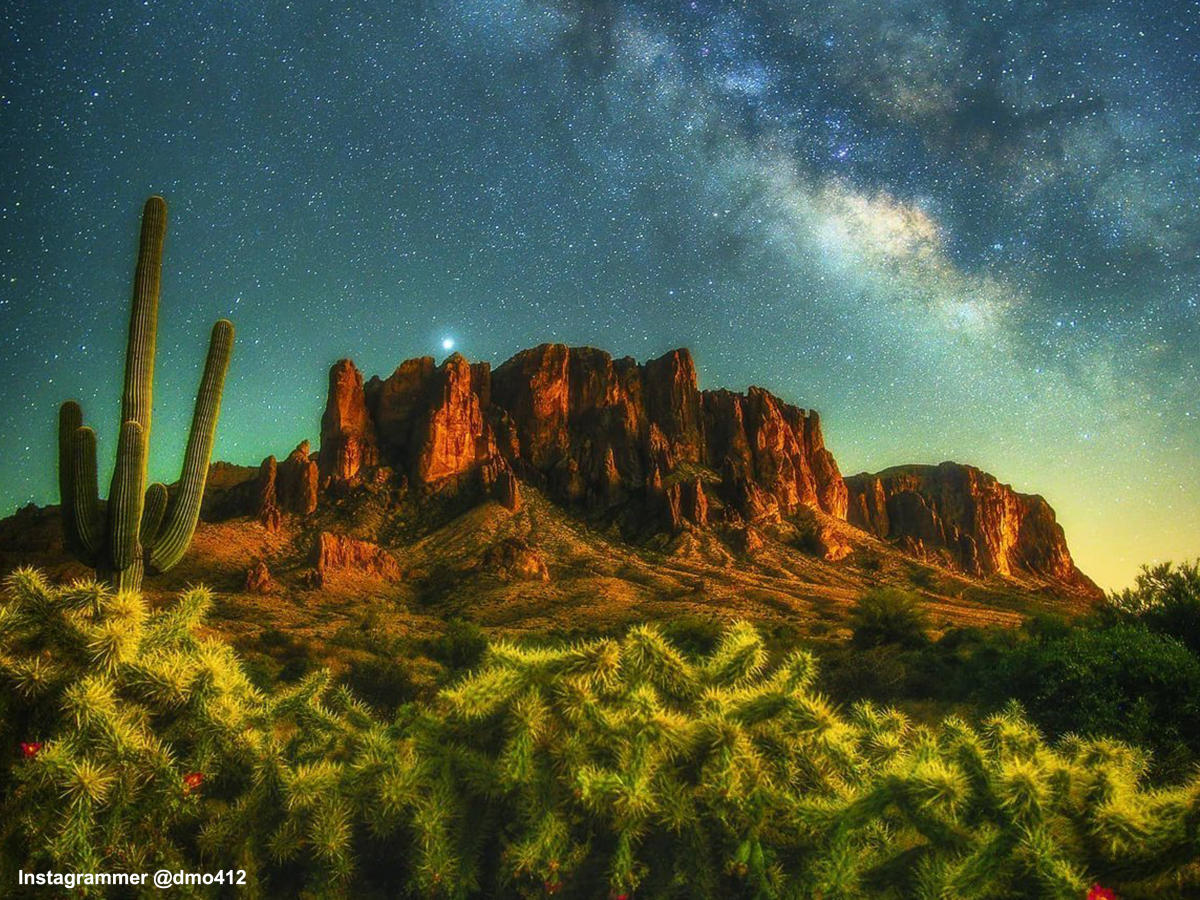
Superstition Mountain is a photographer’s paradise, offering unparalleled opportunities to capture the dramatic beauty of the Arizona desert. The changing light throughout the day transforms the mountain’s colors, from fiery reds and oranges at sunrise and sunset to deep purples and blues under the moonlight.
- Sunrise and Sunset: These are prime times for photography, as the low-angle light illuminates the jagged peaks and creates long, dramatic shadows across the desert floor. Lost Dutchman State Park offers designated viewing areas perfect for capturing these moments.
- Wildflowers: During the spring months (typically March and April), the desert floor around Superstition Mountain bursts into vibrant colors with a spectacular display of wildflowers, including poppies, lupines, and brittlebush, providing a stunning contrast against the rugged mountains.
- Wildlife Photography: The Sonoran Desert is home to a diverse array of wildlife, including javelina, coyotes, bobcats, and various bird species. Patience and a keen eye can lead to incredible wildlife shots.
- Night Sky Photography: Far from major city lights, the skies above Superstition Mountain offer spectacular stargazing and astrophotography opportunities. The Milky Way is often visible on clear, moonless nights, framed by the dark silhouette of the mountains.
The sheer scale and dramatic contours of the mountain, combined with the unique desert ecosystem, provide endless subjects for landscape, nature, and panoramic photography, making every visit a visual delight.
Superstition Mountain Museum and Historical Insights
For those keen to delve deeper into the history and legends without hitting the trails, the Superstition Mountain Museum is an indispensable attraction. Located on the Apache Trail just east of Apache Junction, the museum offers a fascinating journey through the lore and reality of the mountain.
The museum houses artifacts related to the Lost Dutchman’s Gold Mine, displays on local mining history, Native American cultural exhibits, and a collection of Old West relics. Visitors can explore a replica of a Western town, walk through a stamp mill, and even see a chapel used in many Western films. The museum also provides valuable insights into the geology and ecology of the Superstition Wilderness. It’s an ideal stop for family trips, offering an educational and entertaining experience that provides context to the tales of mystery and adventure that define Superstition Mountain. The knowledgeable staff and volunteers are always ready to share stories and facts, enriching every visitor’s understanding of this legendary Arizona landmark.
Planning Your Expedition: Travel Tips and Accommodation
A successful trip to Superstition Mountain requires careful planning, especially when considering the unique challenges and rewards of the Sonoran Desert environment. From choosing the optimal time to visit to securing the right accommodation and packing essential gear, a well-thought-out itinerary will enhance your travel experience significantly.
Best Time to Visit
The ideal time to visit Superstition Mountain is during the cooler months, generally from October to April. During this period, daytime temperatures are pleasant and comfortable for hiking and outdoor activities, typically ranging from 60°F to 80°F (15°C to 27°C). The spring months (March and April) are particularly popular due to the spectacular display of desert wildflowers.
The summer months, from May to September, are characterized by extreme heat, with temperatures often exceeding 100°F (38°C). While visits are still possible, outdoor activities should be limited to early mornings or late evenings to avoid heatstroke, and an abundance of water is crucial. Monsoon season, typically from July to September, can bring sudden and heavy thunderstorms, posing a risk of flash floods in canyons and washes, so checking weather forecasts is essential. For the most enjoyable and safest experience, stick to the cooler seasons.
Nearby Accommodation Options
Finding the right place to stay is crucial for any travel plan. While there are no hotels directly on Superstition Mountain, numerous options are available in nearby towns, catering to various preferences and budgets.
- Apache Junction: As the closest major town, Apache Junction offers a selection of budget-friendly hotels, motels, and RV resorts, providing convenient access to the mountain’s attractions and Lost Dutchman State Park.
- Mesa: A short drive west, Mesa boasts a wider array of mid-range hotels, extended-stay suites, and some resorts, ideal for those looking for more amenities and dining options.
- Gold Canyon: For a more upscale and tranquil setting with direct mountain views, Gold Canyon features elegant vacation rentals and golf resorts.
- Scottsdale / Tempe / Phoenix: If you’re seeking a luxury travel experience or want to combine your mountain adventure with city explorations, the greater Phoenix area offers world-class resorts and hotels. Options include the Arizona Biltmore, A Waldorf Astoria Resort, JW Marriott Phoenix Desert Ridge Resort & Spa, and The Phoenician, A Luxury Collection Resort, Scottsdale, each offering exquisite amenities and a premium lifestyle.
- Camping: For the ultimate outdoor experience, Lost Dutchman State Park offers well-equipped campgrounds with stunning views of the mountain, perfect for stargazing. Booking in advance is highly recommended, especially during peak season.
When choosing your accommodation, consider the balance between proximity to the mountain and the type of amenities you desire, utilizing reviews and comparison sites to find the best fit for your trip.
Essential Gear and Safety Guidelines
Venturing into the Superstition Wilderness requires preparation to ensure safety and enjoyment. The desert environment can be unforgiving, so come prepared.
- Water: This is paramount. Carry at least one gallon (3.8 liters) of water per person for every half-day hike. Dehydration is a serious risk in the desert.
- Sun Protection: Wide-brimmed hats, sunglasses, and high-SPF sunscreen are essential to protect against the intense Arizona sun.
- Appropriate Clothing: Wear lightweight, breathable clothing, preferably moisture-wicking fabrics. Long sleeves and pants can offer additional sun protection and guard against scrapes from desert plants. Sturdy hiking boots with good ankle support are a must.
- Navigation: Bring a map and compass or a reliable GPS device. Cell service can be spotty in remote areas. Inform someone of your hiking plans and expected return time.
- First Aid Kit: A basic first aid kit with essentials for minor injuries, blisters, and insect bites.
- Snacks: High-energy snacks are crucial for longer hikes.
- Flashlight/Headlamp: Even if planning a day hike, unforeseen delays can occur.
- Respect Wildlife and Environment: Observe wildlife from a distance, do not feed animals, and pack out everything you pack in. Stay on marked trails to protect fragile ecosystems. Be aware of venomous snakes, scorpions, and other desert creatures.
- Know Your Limits: Choose trails that match your fitness level and experience. Turn back if conditions become too challenging or weather changes.
By adhering to these safety tips and packing appropriately, you can ensure a memorable and safe exploration of Superstition Mountain’s breathtaking landscapes.
Beyond the Myths: The Enduring Charm of the Arizona Desert
Superstition Mountain is far more than just a site of ancient legends and lost gold mines; it is a testament to the raw, untamed beauty of the Arizona desert. Its imposing presence, rich history, and the vibrant ecosystem it supports make it a quintessential travel destination for anyone visiting the Southwest. The blending of geological grandeur with centuries of human endeavor and imagination creates an experience that is both awe-inspiring and deeply personal.
From the quiet contemplation of a sunrise painting its jagged peaks with golden light to the exhilarating challenge of scaling its rugged trails, Superstition Mountain offers something for every soul. It invites you to hike, explore, photograph, and perhaps even dream of the elusive treasure hidden within its depths. More importantly, it offers an escape from the mundane, a chance to reconnect with nature, and an opportunity to immerse yourself in a landscape where history, myth, and reality converge. So, pack your bags, prepare your spirit of adventure, and embark on a journey to Superstition Mountain – a place where the legends are as real as the rugged desert earth beneath your feet.
LifeOutOfTheBox is a participant in the Amazon Services LLC Associates Program, an affiliate advertising program designed to provide a means for sites to earn advertising fees by advertising and linking to Amazon.com. Amazon, the Amazon logo, AmazonSupply, and the AmazonSupply logo are trademarks of Amazon.com, Inc. or its affiliates. As an Amazon Associate we earn affiliate commissions from qualifying purchases.