
Situated at the vibrant intersection of urban accessibility and sporting history, Target Field serves as a defining architectural landmark within the heart of Minneapolis. As the home of the Minnesota Twins, this open-air ballpark has become more than just a venue for baseball; it is a central pillar of the city’s downtown revitalization efforts and a must-visit destination for anyone exploring the United States. Understanding its precise location and how to navigate the surrounding area is essential for maximizing your experience in this bustling Midwest hub.
Geographic Placement and Neighborhood Context
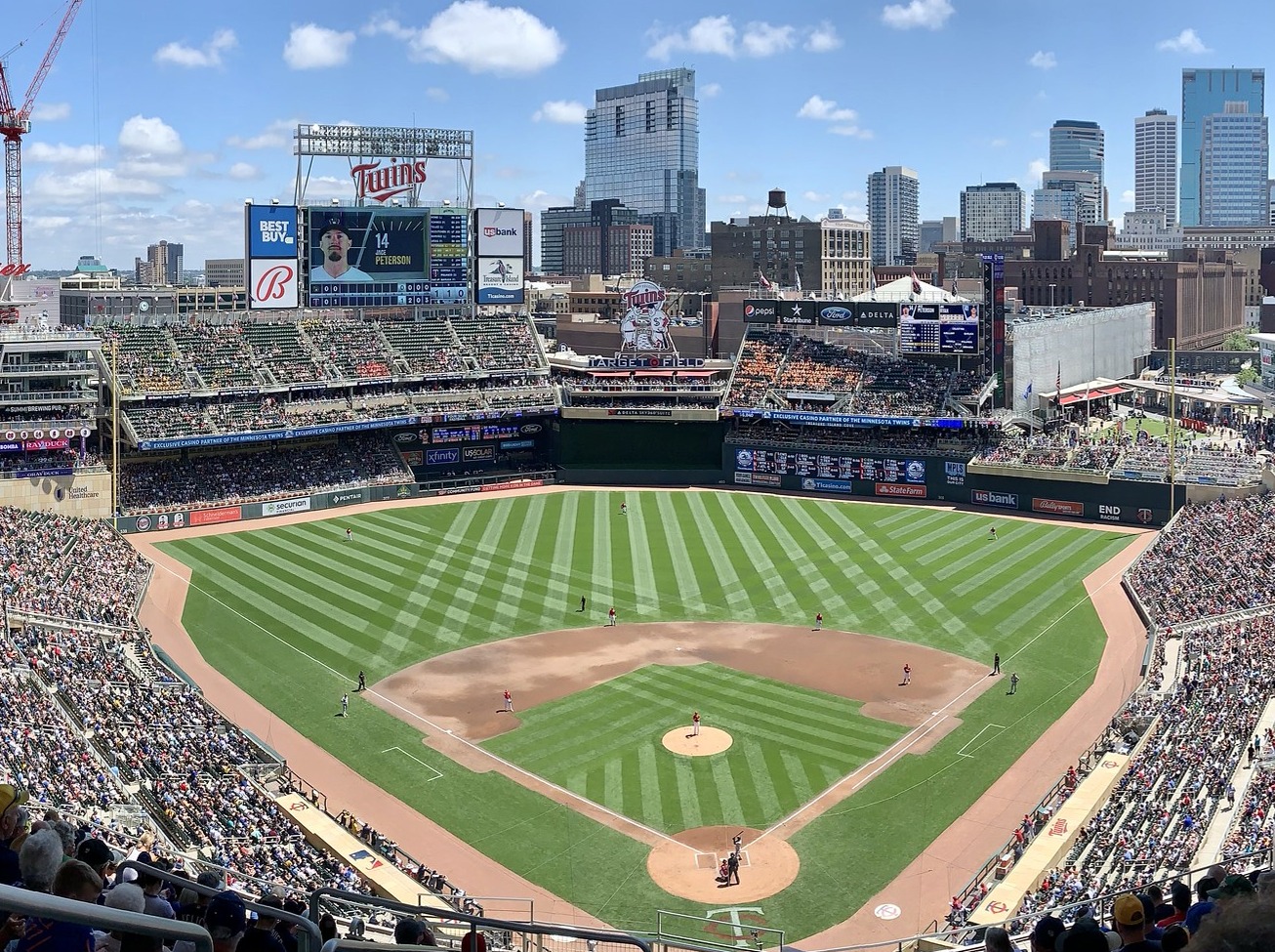
Target Field is strategically positioned in the Warehouse District—often referred to as the North Loop—on the western edge of downtown Minneapolis. Its exact address is 1 Twins Way, a location specifically designated to celebrate the legacy of the local Major League Baseball team.
Proximity to Downtown Landmarks
The ballpark sits conveniently near several other cultural and entertainment staples. To its immediate east, you will find the Hennepin Theatre District, where historic venues like the Orpheum Theatre host world-class productions. Being located in the North Loop also places the stadium within walking distance of the Mississippi River and the scenic Stone Arch Bridge, allowing visitors to combine a game day with a tour of the city’s natural and industrial heritage.
The Transit Hub Integration
What truly sets the location of Target Field apart from other professional sports venues is its deep integration into the regional public transportation network. The Target Field Station serves as a multi-modal hub, connecting METRO Blue Line and METRO Green Line light rail services directly to the stadium’s doorstep. This makes it an incredibly accessible destination for travelers arriving from Minneapolis–Saint Paul International Airport or those staying in Saint Paul, the state’s capital.
Navigating the North Loop and Beyond
The North Loop has evolved from a historic industrial district into one of the most trendy and walkable neighborhoods in Minnesota. If you are visiting for a game or a tour, the area surrounding the ballpark offers much more than just pre-game excitement.
Walking the Skyway System
Minneapolis is famous for its extensive Skyway System, an 11-mile network of enclosed, second-story bridges that connect buildings throughout the downtown core. While the stadium itself is an open-air venue, the skyway allows visitors to traverse a significant portion of the city comfortably, rain or shine. From nearby luxury accommodations like the Hewing Hotel, you can easily reach various downtown points of interest before heading to the ballpark for first pitch.

Local Dining and Pre-Game Atmosphere
The streets surrounding Target Field are lined with some of the city’s best culinary offerings. Visitors often flock to Fulton Beer or Modist Brewing Company to sample local craft ales. The culinary scene in the North Loop is diverse, ranging from high-end dining experiences to casual, fan-favorite burger joints that define the local Midwest culture.
Architectural Significance and Cultural Impact
Beyond its geographic coordinates, Target Field represents a significant architectural achievement. Opened in 2010, the stadium was designed with a heavy emphasis on native materials, most notably the use of Kasota limestone, a stone quarried locally in Minnesota.
Design Philosophy
The architects prioritized an intimate viewing experience, ensuring that even seats in the upper decks offer stunning views of the Minneapolis skyline. The inclusion of the Twins Plaza serves as a community gathering space that bridges the gap between the urban concrete of the Warehouse District and the green expanse of the playing field.
Sustainability and Environmental Stewardship
The stadium was one of the first in the country to achieve LEED Silver Certification, a testament to its efficient design and commitment to environmental responsibility. By utilizing an advanced rainwater recycling system and prioritizing locally sourced materials, the venue stands as a model for modern urban development in the United States.
Planning Your Visit to Target Field
When considering a trip to see the Minnesota Twins, your choice of accommodation and transit can significantly influence your experience.
Where to Stay
Travelers often prefer staying in the Downtown West neighborhood to remain within walking distance of both the ballpark and the Minneapolis Convention Center. Hotels such as the Four Seasons Hotel Minneapolis provide an upscale base for those looking to enjoy the city’s premium offerings, while smaller boutique options are scattered throughout the North Loop for those who prefer a more neighborhood-centric vibe.

Tips for International and Out-of-State Visitors
For those flying into Minneapolis–Saint Paul International Airport, the most efficient way to reach Target Field is to board the METRO Blue Line directly at the terminal. The train provides a scenic, affordable, and stress-free commute that drops you off exactly where the action happens. If you are planning a longer stay, be sure to explore the nearby Chain of Lakes or take a day trip to the Mall of America, which is also conveniently accessible via the light rail system.
Target Field is not merely a sports venue; it is a landmark that encapsulates the spirit of Minneapolis. Its central location in the North Loop makes it a perfect anchor for any itinerary, whether you are a baseball enthusiast or a casual traveler eager to explore the culture, history, and architecture of this exceptional Midwest city. By leveraging the city’s robust transit infrastructure and embracing the walkability of its downtown neighborhoods, you can ensure that your visit to this iconic destination is both seamless and memorable.
LifeOutOfTheBox is a participant in the Amazon Services LLC Associates Program, an affiliate advertising program designed to provide a means for sites to earn advertising fees by advertising and linking to Amazon.com. Amazon, the Amazon logo, AmazonSupply, and the AmazonSupply logo are trademarks of Amazon.com, Inc. or its affiliates. As an Amazon Associate we earn affiliate commissions from qualifying purchases.