
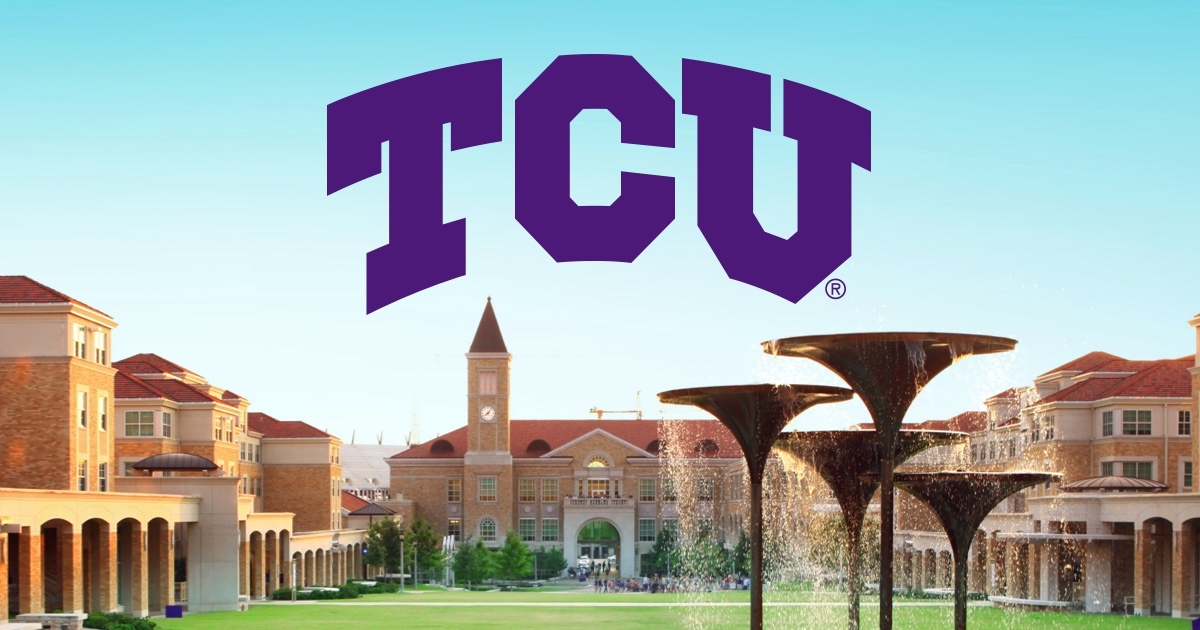
For anyone planning a visit to the Lone Star State, especially those with an interest in higher education, vibrant urban centers, or a taste for Western heritage, understanding the precise location of Texas Christian University (TCU) is a great starting point. TCU is proudly situated in Fort Worth, Texas, a city that brilliantly merges its pioneering spirit with a sophisticated cultural scene. This iconic institution isn’t just an academic powerhouse; it’s a vital part of the fabric of Fort Worth, contributing to its energetic atmosphere, economic dynamism, and diverse array of attractions.
Located within the sprawling Dallas-Fort Worth Metroplex, Fort Worth offers a distinctly different vibe from its larger eastern neighbor, Dallas. While Dallas often conjures images of sleek skyscrapers and bustling business, Fort Worth embraces its moniker, “Where the West Begins,” with open arms, providing visitors and residents alike a rich blend of cowboy charm, world-class museums, and a thriving culinary landscape. For prospective students, alumni, or simply curious travelers, exploring TCU’s home city is an essential part of the experience, revealing why this corner of Texas is a premier destination for travel, tourism, and lifestyle.
Unveiling TCU’s Home: Fort Worth, Texas
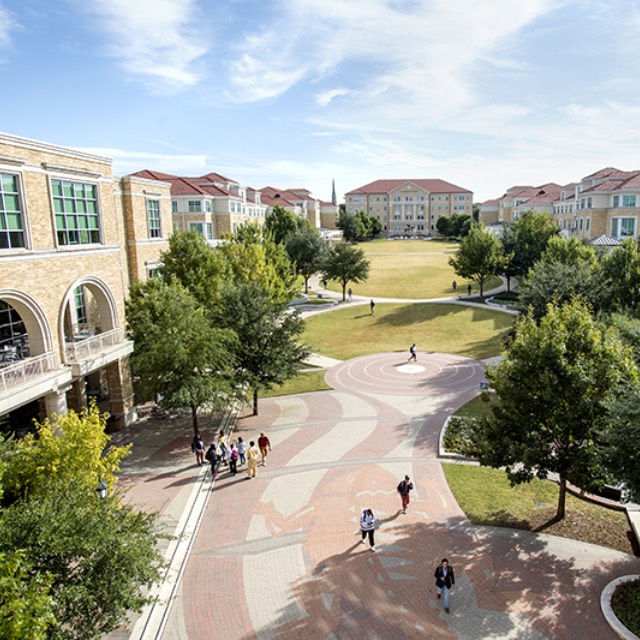
The question “Where is TCU located in Texas?” leads directly to Fort Worth, a city that has masterfully preserved its authentic Western heritage while evolving into a dynamic, modern urban center. Situated southwest of downtown Fort Worth, the TCU campus is nestled in a welcoming residential area, providing a serene environment for learning alongside convenient access to all the city has to offer. The university and the city share a symbiotic relationship, with students, faculty, and alumni contributing significantly to Fort Worth’s vibrant community, its economy, and its cultural life.
The Heart of the Horned Frogs: Campus and Community
Texas Christian University is more than just a collection of buildings; it’s a bustling hub of intellectual curiosity, athletic prowess, and community engagement. The campus itself is a landmark of architectural beauty, featuring a blend of traditional and contemporary designs set amidst meticulously landscaped grounds. Visitors often marvel at iconic structures and state-of-the-art facilities like Amon G. Carter Stadium, home to the renowned Horned Frogs football team, and the Ed and Rae Schollmaier Arena. These venues not only host thrilling collegiate sports but also serve as important gathering places for the wider Fort Worth community, drawing fans from across the region.

The area immediately surrounding TCU is characterized by charming neighborhoods, local eateries, and boutique shops, all catering to a diverse demographic including students, professors, and families. This creates a lively, walkable atmosphere where the energy of university life seamlessly blends with everyday urban living. The presence of TCU enriches the local tourism landscape, attracting countless visitors for campus tours, sporting events, commencement ceremonies, and alumni gatherings, each seeking to experience the unique blend of academic excellence and Texan hospitality.
Fort Worth: Where the West Begins (and Culture Thrives)
Fort Worth’s identity is famously encapsulated by its “Where the West Begins” slogan, a nod to its historical role as a significant trading post for cattle drives in the 19th century. This heritage is most palpable in the Stockyards National Historic District, a must-visit landmark where daily cattle drives, historic saloons, and authentic Western entertainment transport visitors back in time. Here, you can witness genuine rodeos at Cowtown Coliseum, dance the night away at Billy Bob’s Texas, the world’s largest honky-tonk, or explore shops selling cowboy boots and hats.
However, Fort Worth is far from a one-dimensional city. It also boasts a world-class Cultural District that rivals any major city in the United States. This district is home to an impressive cluster of museums, including the internationally acclaimed Kimbell Art Museum, the contemporary masterpiece that is the Modern Art Museum of Fort Worth, and the Amon Carter Museum of American Art. These institutions provide enriching experiences for art lovers and history buffs, perfectly complementing the rugged charm of the Stockyards. This duality of cowboy grit and cultural sophistication makes Fort Worth an incredibly appealing destination for a wide range of travelers, from families to solo adventurers.
Exploring Fort Worth: A Visitor’s Guide
For those venturing to Fort Worth to visit TCU or simply to explore one of Texas’s most unique cities, there’s a treasure trove of attractions waiting to be discovered. The city offers a diverse array of experiences, from historical deep dives to modern entertainment, ensuring that every visitor finds something to captivate their interest. Understanding these options is key to crafting an unforgettable travel experience in the Dallas-Fort Worth Metroplex.
Iconic Landmarks and Cultural Gems
Beyond the Stockyards and the Cultural District, Fort Worth presents numerous other landmarks that are well worth a visit. Sundance Square, located in the heart of downtown, is a vibrant entertainment and shopping district. This beautifully revitalized area boasts brick-lined streets, charming boutiques, diverse restaurants, and lively performance venues, making it an ideal spot for an evening stroll, a delicious meal, or catching a show. Its pedestrian-friendly design and regular events contribute to a dynamic urban lifestyle experience.
Nature lovers and families will adore the Fort Worth Botanic Garden, Texas’s oldest major botanic garden, offering 120 acres of stunning themed gardens, including a Japanese Garden, a Rose Garden, and a Conservatory. Nearby, the Fort Worth Zoo consistently ranks among the top zoos in the nation, providing engaging educational experiences and conservation efforts across its impressive exhibits. For a unique architectural marvel, the Fort Worth Water Gardens offer a refreshing urban oasis with cascading pools and meditative spaces. Additionally, the Trinity Trails, a vast network of paved pathways along the Trinity River, provides excellent opportunities for walking, jogging, and cycling, allowing visitors to experience the city’s natural beauty and recreational lifestyle.
Culinary Delights and Entertainment
Fort Worth’s culinary scene is as diverse and exciting as its attractions. From authentic Tex-Mex and classic barbecue joints to upscale dining establishments and innovative farm-to-table restaurants, there’s something to satisfy every palate. Areas like West 7th Street and the Near Southside are particularly known for their trendy restaurants, craft breweries, and lively nightlife, offering a more contemporary take on the city’s hospitality. Whether you’re craving a hearty steak, gourmet tacos, or international cuisine, Fort Worth’s dining landscape caters to all tastes and budgets.
The city also hosts a variety of festivals and events throughout the year, adding to its allure as a tourism destination. From the Main Street Fort Worth Arts Festival, showcasing local and national artists, to the Fort Worth Food + Wine Festival, celebrating the region’s culinary talents, there’s always something happening. These events provide fantastic opportunities for visitors to immerse themselves in local culture, interact with residents, and create lasting memories, reinforcing Fort Worth’s reputation as a dynamic and welcoming city.
Planning Your Stay: Accommodation and Travel Tips
Visiting Fort Worth to see TCU or explore the city’s wider attractions requires thoughtful planning, especially when it comes to accommodation and transportation. The city offers a broad spectrum of lodging options, catering to various budgets and preferences, ensuring a comfortable and convenient stay for all travelers. Moreover, understanding the best ways to get to and around Fort Worth will enhance your overall travel experience, whether you’re on a luxury getaway, a budget-conscious trip, or a family adventure.
Hotel Options for Every Traveler
Fort Worth’s hospitality sector is robust, providing everything from luxurious resorts to comfortable, family-friendly hotels and extended-stay apartments. For those seeking an upscale experience, downtown Fort Worth boasts several high-end hotels such as the Omni Fort Worth Hotel and The Worthington Renaissance Fort Worth Hotel, offering premium amenities, fine dining, and prime access to Sundance Square. In the Stockyards National Historic District, the Hotel Drover, an Autograph Collection Hotel, provides a unique, luxury Western experience that perfectly captures the district’s essence.
For visitors specifically focused on TCU or the Cultural District, numerous hotels offer convenient access, including options like the Residence Inn Fort Worth Cultural District and various boutique hotels and guesthouses. Budget-conscious travelers will find ample choices in the surrounding areas, including well-known chains like Hampton Inn & Suites Fort Worth Downtown and other value-oriented accommodations that still provide excellent service and essential amenities. Many hotels cater to family trips, offering suites and pools, while corporate travelers can find properties with business centers and meeting facilities. Booking in advance, especially during peak university events or popular festivals, is highly recommended to secure the best rates and availability.
Getting to Fort Worth and Around
Accessibility to Fort Worth is excellent, thanks to its proximity to a major international airport. The most common entry point for air travelers is Dallas/Fort Worth International Airport (DFW), one of the busiest airports in the United States. DFW offers extensive domestic and international flights, making Fort Worth easily reachable from virtually anywhere. From DFW, visitors can take the TEXRail commuter train directly to downtown Fort Worth, a convenient and scenic option. Alternatively, ride-sharing services, taxis, and rental cars are readily available at the airport. Fort Worth Meacham International Airport also serves the area, primarily for general aviation.
Once in Fort Worth, getting around is straightforward. Downtown Fort Worth and Sundance Square are highly walkable. For exploring wider attractions, the city’s public transportation system, Trinity Metro, offers bus services that connect major districts, including TCU, the Cultural District, and the Stockyards. The Trinity Metro also operates the historic Molly the Trolley service, which provides free rides within downtown. Renting a car offers the most flexibility, especially for those planning day trips outside the city or preferring direct routes to various attractions. Ride-sharing apps are also widely available and provide convenient point-to-point transportation.
Beyond the Campus: Lifestyle and Experiences in the Lone Star State
Understanding that TCU is located in Fort Worth, Texas opens up a world of lifestyle and travel experiences. The city itself, with its unique blend of Western heritage and modern cultural sophistication, offers a distinct flavor of the Lone Star State. For those looking to extend their visit, Fort Worth also serves as an excellent base for exploring other iconic Texas destinations, offering a glimpse into the diverse landscapes and vibrant cities that make this state such a popular tourist magnet.
Embracing the Fort Worth Lifestyle
The lifestyle in Fort Worth is often described as laid-back yet refined, blending genuine Southern hospitality with a burgeoning urban energy. Visitors can easily transition from experiencing a classic rodeo to attending an opera or enjoying a gourmet meal. The city caters to diverse interests, whether you prefer the relaxed pace of exploring museum galleries, the excitement of live music at Billy Bob’s Texas, or the simple pleasure of strolling through the beautiful Fort Worth Botanic Garden. For those considering a longer stay or even relocation, Fort Worth offers an attractive quality of life, characterized by a strong sense of community, diverse employment opportunities, and a lower cost of living compared to many other major U.S. cities. The city’s investment in public spaces, parks, and cultural institutions further enhances the lifestyle experience for residents and visitors alike, solidifying its appeal as a prime travel destination in Texas.
Day Trips and Regional Exploration
Fort Worth’s central location within Texas makes it an ideal launchpad for day trips and regional explorations. The vibrant city of Dallas, with its bustling arts scene, upscale shopping, and historical sites like Dealey Plaza, is just a short drive or TEXRail / Dallas Area Rapid Transit (DART) ride away. For those interested in exploring beyond the immediate metroplex, a road trip can take you to Austin, the “Live Music Capital of the World,” known for its eclectic culture and stunning Hill Country surroundings. Further south lies San Antonio, home to the historic Alamo and the picturesque Riverwalk, offering a rich blend of Spanish colonial heritage and vibrant Texan culture.
Even further afield, the expansive landscapes of Texas offer national parks, diverse ecosystems, and the beautiful beaches of the Gulf Coast. Whether your interest lies in history, outdoor adventure, culinary tours, or simply soaking in the unique regional flavors, Fort Worth’s position allows for easy access to a wealth of experiences. This versatility positions Fort Worth not just as the home of TCU, but as a gateway to the broader wonders and diverse lifestyles of Texas, making it a truly compelling destination for any traveler seeking an authentic and enriching journey.
LifeOutOfTheBox is a participant in the Amazon Services LLC Associates Program, an affiliate advertising program designed to provide a means for sites to earn advertising fees by advertising and linking to Amazon.com. Amazon, the Amazon logo, AmazonSupply, and the AmazonSupply logo are trademarks of Amazon.com, Inc. or its affiliates. As an Amazon Associate we earn affiliate commissions from qualifying purchases.