
Texas, a state synonymous with vast landscapes, rich history, and a unique cultural identity, occupies a significant and strategic position on the map of the United States. Its sheer size and diverse geography contribute to its prominence, making it a destination of immense interest for travelers, historians, and those seeking a taste of the authentic American South and Southwest. Understanding its geographical context is the first step to unlocking the myriad of experiences Texas offers, from the bustling metropolises to the serene, open plains.
The Geographical Heart of the Lone Star State
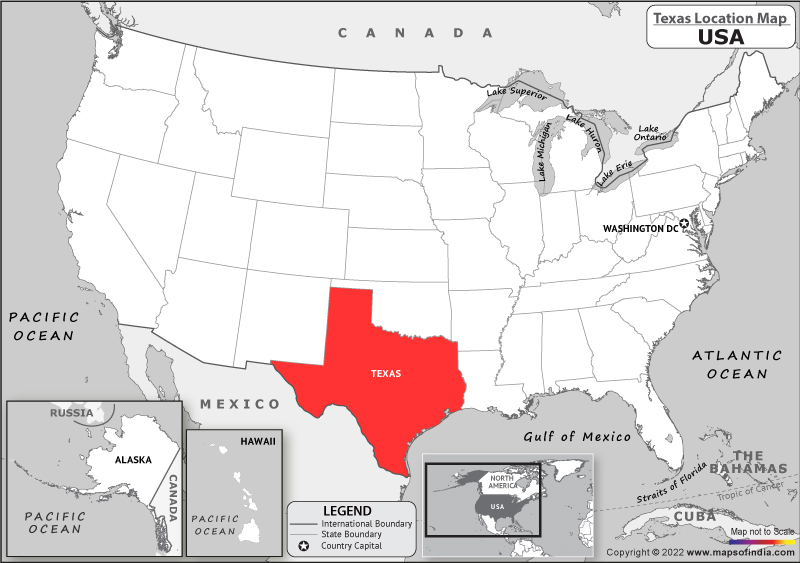
Texas is the second-largest state in the United States by both area and population. It is bordered by four other states and one international border, each contributing to its distinct character and economic significance. To its north lies Oklahoma, a state that shares a long and often complex history with Texas. To its northeast is Arkansas, offering a lush, forested landscape that transitions into Texan terrain. To the east, Louisiana brings its unique cultural flavors and bayou landscapes, influencing the eastern parts of Texas. To the south and southwest, the mighty Rio Grande forms a natural border with Mexico, a crucial waterway and a significant cultural and economic corridor. To its west, New Mexico presents a landscape that blends desert beauty with Native American heritage, mirroring some of the western reaches of Texas.
Navigating the Vastness: Key Regions and Their Significance
The immense size of Texas necessitates an understanding of its distinct geographical regions, each offering unique travel opportunities and cultural insights.
The Panhandle Plains
In the northernmost part of the state, the Texas Panhandle is characterized by its flat, windswept plains, reminiscent of the Great Plains of North America. This region is the heart of Texas’s agricultural and ranching industries. Visitors here can experience the rugged beauty of Palo Duro Canyon State Park, often referred to as the “Grand Canyon of Texas,” a breathtaking geological formation offering hiking and camping amidst vibrant red rock formations. The city of Amarillo serves as a gateway to this region, known for its Route 66 heritage and iconic attractions like the Cadillac Ranch.
The Prairies and Lakes Region
Moving south and east, the landscape shifts to rolling prairies and a network of natural and man-made lakes. This is the most populous region of Texas, home to its major metropolitan centers. The Dallas-Fort Worth Metroplex, often called the “Big D,” is a sprawling urban area encompassing Dallas and Fort Worth, each with its own distinct personality. Dallas offers a sophisticated urban experience with world-class museums, shopping, and dining, while Fort Worth retains a more Western charm with its historic Stockyards and rodeo. Further south, the Austin-San Antonio Corridor is a vibrant cultural hub. Austin, the state capital, is renowned for its live music scene and eclectic atmosphere, while San Antonio is steeped in history, most famously at the Alamo, a pivotal site in Texas independence.
The Gulf Coast
Stretching along the southeastern border, the Texas Gulf Coast is a dynamic region characterized by its sandy beaches, vibrant port cities, and unique coastal ecosystems. Houston, the largest city in Texas and the fourth-largest in the U.S., is a global hub for energy and aerospace, but also boasts a thriving arts scene and diverse culinary landscape. Nearby, Galveston Island offers a historic charm with its Victorian architecture and beachfront attractions. Further south, cities like Corpus Christi provide access to the stunning Padre Island National Seashore, the longest undeveloped barrier island in the world, a haven for birdwatchers and nature enthusiasts.
The Hill Country
Nestled in the south-central part of the state, the Texas Hill Country is a picturesque region of rolling hills, clear rivers, and charming small towns. This area is a popular destination for its natural beauty, outdoor recreation, and burgeoning wine industry. Towns like Fredericksburg, founded by German immigrants, offer a unique cultural experience with its wineries, boutiques, and German heritage. The Guadalupe River State Park and Enchanted Rock State Natural Area are prime spots for enjoying the region’s natural splendor.

West Texas and the Big Bend Country
To the west, the landscape transforms into arid desert, rugged mountains, and vast expanses of open country. This is the domain of West Texas, dominated by the magnificent Big Bend National Park. This park, situated at the elbow of the Rio Grande, offers some of the most dramatic and unspoiled desert scenery in the United States, with opportunities for hiking, stargazing, and exploring the unique flora and fauna of the Chihuahuan Desert. The vastness of this region contributes significantly to Texas’s reputation for wide-open spaces.
Texas’s Place in the National and International Landscape
Texas’s geographical location has profoundly shaped its history, economy, and culture. Its southern border with Mexico has fostered a unique blend of Anglo and Hispanic influences, creating a rich tapestry of traditions, languages, and culinary delights that are distinctly Texan. This border region is a vital economic artery, supporting significant trade and cultural exchange.
Economic Significance and Connectivity
As a major energy producer and a rapidly growing economic powerhouse, Texas’s location is a key asset. Its extensive network of highways, railways, and ports facilitates the movement of goods and people across the nation and internationally. The Port of Houston is one of the busiest in the United States, underscoring the state’s importance in global commerce. Its proximity to both Mexico and the Caribbean also makes it a crucial gateway for international travel and trade.
Historical Crossroads
Historically, Texas has been a crossroads of civilizations and a frontier state. Its position allowed it to be a battleground for control, a territory for expansion, and a melting pot for diverse populations. From the Spanish colonial era to its status as an independent republic and eventual statehood within the United States, its location has always been central to its narrative. The legacy of these historical periods is evident in its architecture, cultural practices, and the very spirit of the place.
Planning Your Texas Exploration
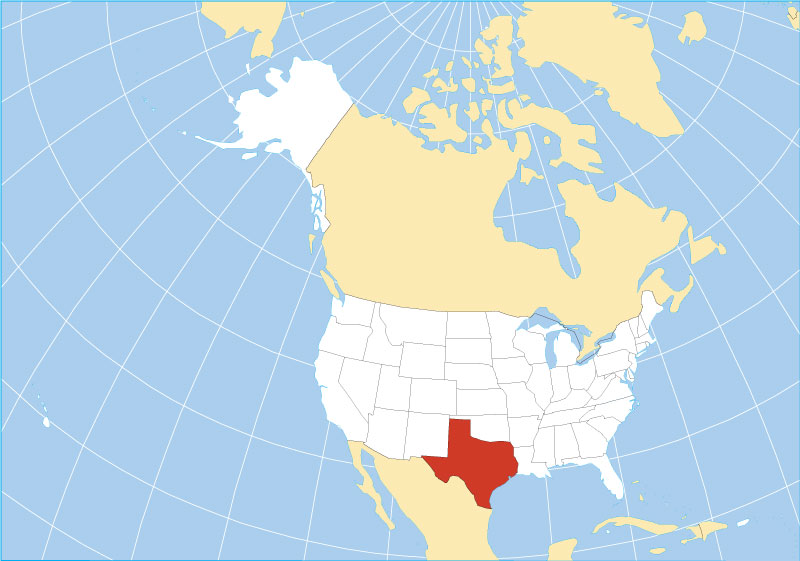
To truly understand “Where Is Texas On The Map?”, one must appreciate the diversity within its borders and its strategic positioning within North America. Whether you are drawn by the allure of its sprawling cities, the quiet majesty of its natural landscapes, or the echoes of its rich history, Texas offers an unparalleled travel experience.
Making the Most of Your Journey
When planning a trip to Texas, consider the vast distances involved. The state is not a single entity to be explored in a weekend; it is a collection of distinct regions, each deserving of dedicated time.
Travel Tips for the Lone Star State
- Embrace the Scale: Understand that traveling between major cities can take several hours by car. Flying between major hubs like Dallas and Houston or Austin and El Paso can save significant time.
- Consider the Climate: Texas experiences a wide range of climates. The summers can be extremely hot, especially in the west and south, while the Panhandle can experience cold winters. Spring and fall generally offer the most pleasant weather for outdoor activities.
- Regional Diversity: Plan your itinerary based on the specific regions you wish to explore. A trip focused on the Hill Country will be very different from one exploring the Gulf Coast or the Big Bend.
- Embrace the Culture: Texas is more than just its geography; it’s about its people and their traditions. Engage with local food, music, and history to get the most out of your visit. From the smoky barbecue of Central Texas to the Tex-Mex flavors of the border towns, the culinary scene is a major attraction.
- Accommodation Options: From luxury resorts in the Hill Country to charming boutique hotels in historic districts and family-friendly chains in the cities, Texas offers a wide array of accommodation choices to suit every traveler’s needs and budget.
Texas’s position on the map is not just about latitude and longitude; it’s about its pivotal role in the American narrative, its diverse landscapes, and the unique experiences it offers to every visitor. Its size is an invitation to explore, its history is a story to uncover, and its culture is a vibrant tapestry to be experienced.
LifeOutOfTheBox is a participant in the Amazon Services LLC Associates Program, an affiliate advertising program designed to provide a means for sites to earn advertising fees by advertising and linking to Amazon.com. Amazon, the Amazon logo, AmazonSupply, and the AmazonSupply logo are trademarks of Amazon.com, Inc. or its affiliates. As an Amazon Associate we earn affiliate commissions from qualifying purchases.