
Texas, often known as the Lone Star State, stands as a colossal and captivating jewel in the southern heartland of the United States. Its sheer size and geographical diversity make it a unique subject for exploration, not merely a point on a map but a vibrant tapestry of cultures, landscapes, and experiences. For any traveler or enthusiast of accommodation and lifestyle, understanding where Texas is situated is the first step toward uncovering its immense appeal, from bustling metropolises to serene desert expanses and historic coastal towns.
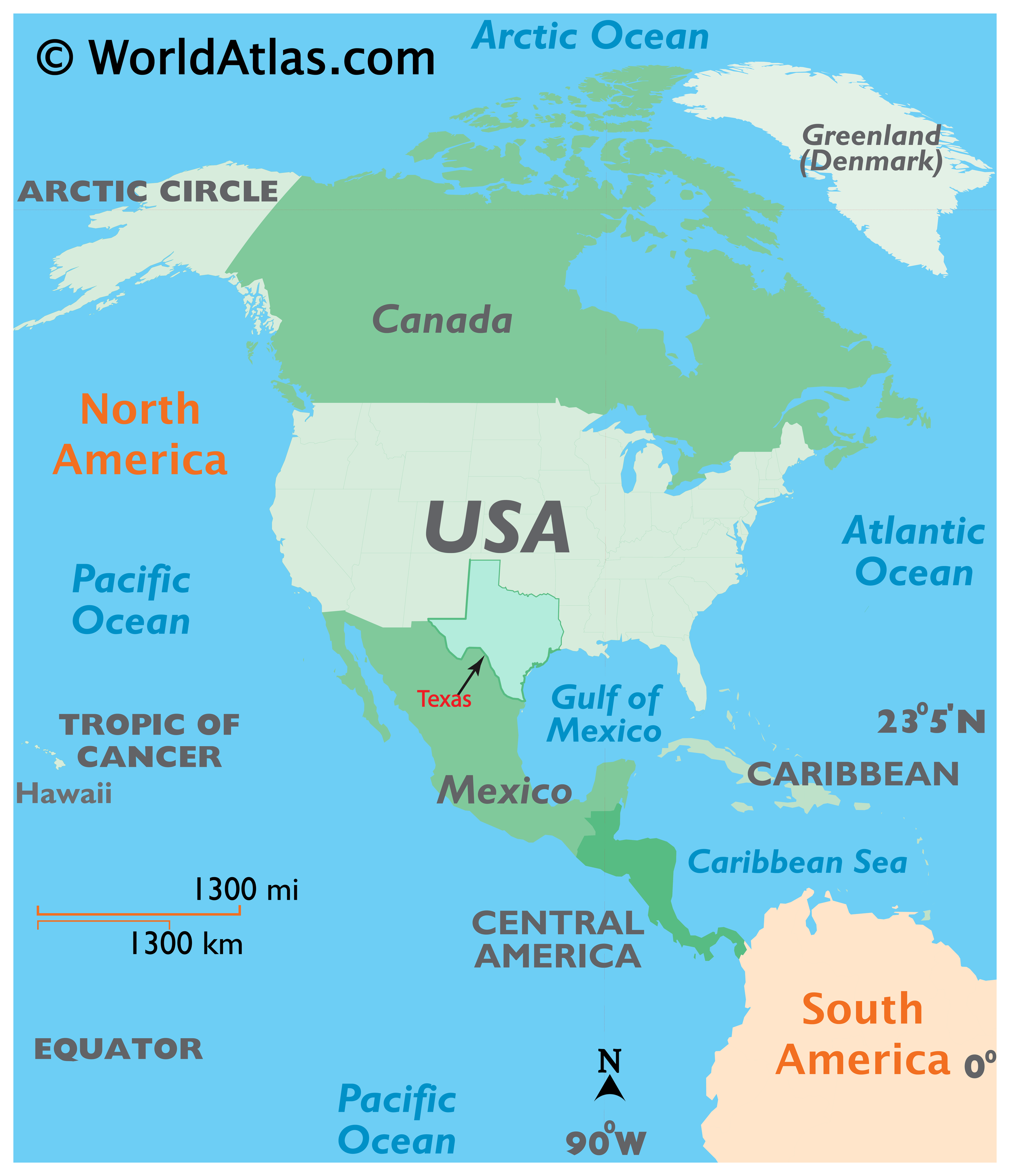
Geographically, Texas occupies a prime position at the crossroads of the South Central [United States](https://lifeoutofthebox.com/united states), sharing an international border with Mexico to the south and west. This crucial placement has profoundly influenced its history, culture, and economic development, blending elements of American Southern charm with vibrant Hispanic influences. The state stretches across an impressive 268,596 square miles, making it the second-largest state in the United States by both area and population. This vastness means that its internal geography is incredibly varied, encompassing everything from temperate forests to arid deserts, and fertile plains to rolling hills.
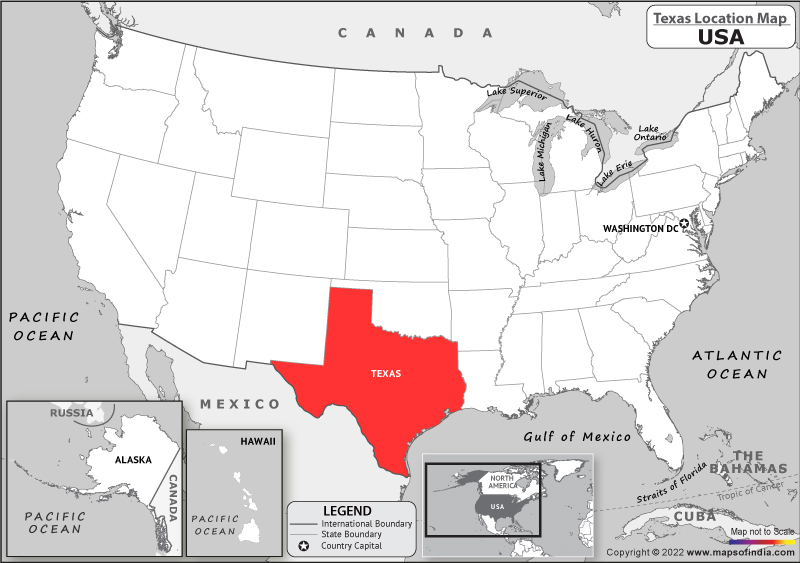
The Geopolitical Anchor: Texas’s Position on the Map
To pinpoint Texas with precision, one would locate it between 25°50′ and 36°30′ North latitude and 93°31′ and 106°38′ West longitude. This position situates it firmly in the South Central part of the United States.
Neighboring States and International Borders
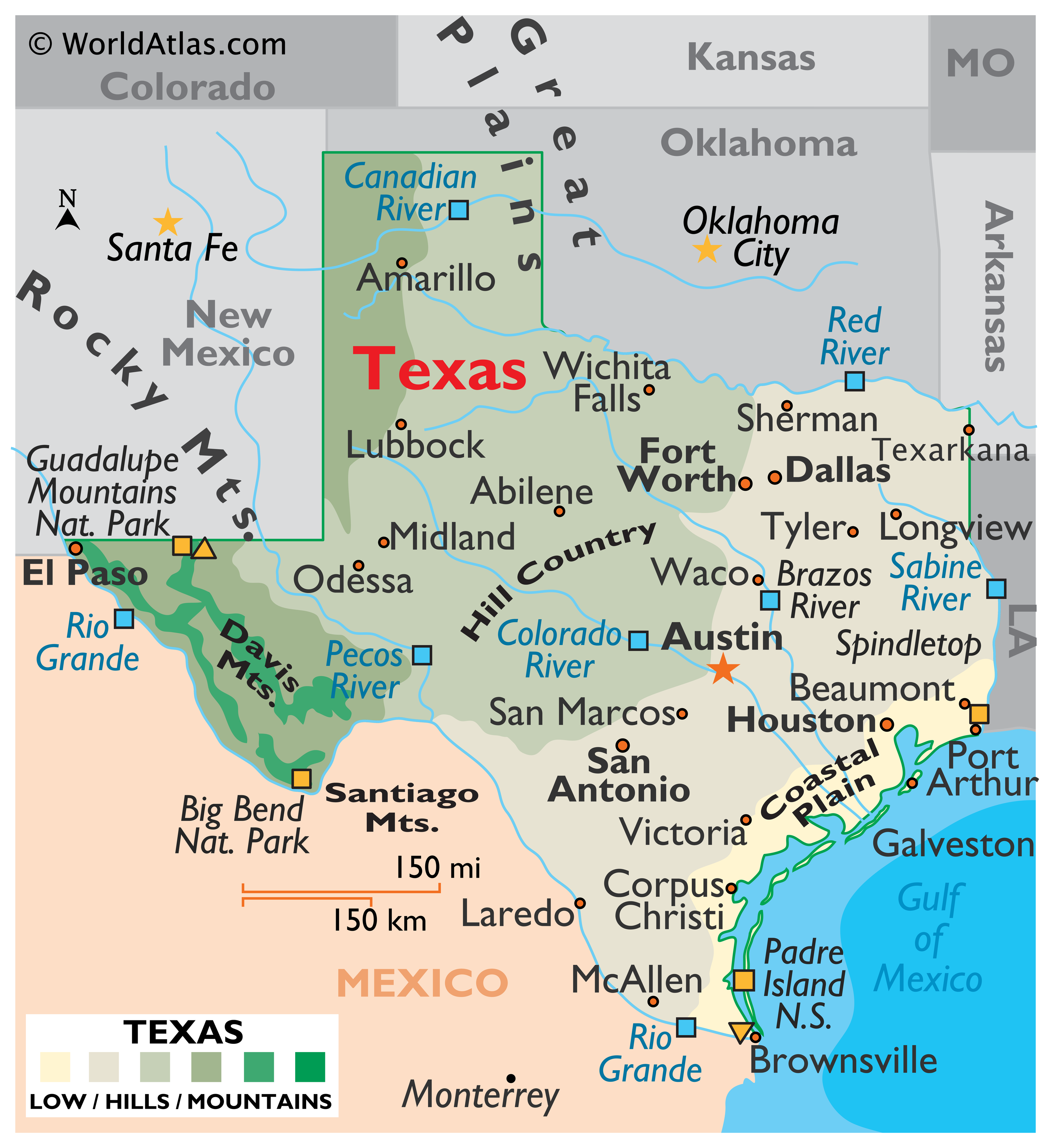
Texas shares extensive borders with four other U.S. states and one sovereign nation:
- To the north, it borders Oklahoma along the Red River.
- Its eastern flank is shared with Arkansas and Louisiana, where the landscapes begin to transition into the deep South’s characteristic bayous and pine forests.
- To the west, New Mexico serves as its neighbor, marking a shift towards the rugged beauty of the Southwestern desert.
- Crucially, the southern and southwestern boundary of Texas is defined by the Rio Grande River, which forms the 1,248-mile international border with Mexico. This border is not merely a political line but a vibrant cultural and economic interface, influencing everything from cuisine and music to demographics and trade.
The Gulf Coast Connection
Adding another layer to its geographical identity, Texas boasts an extensive coastline along the Gulf of Mexico to its southeast. This coastal region, stretching for approximately 370 miles, is a significant economic hub, home to major ports, petrochemical industries, and vital ecosystems. Cities like Houston, Galveston, and Corpus Christi dot this shoreline, offering a blend of beach tourism, historical sites, and modern urban amenities. The presence of the Gulf of Mexico also plays a crucial role in Texas’s climate, contributing to its humid subtropical conditions in the east and central regions, influencing weather patterns, and supporting diverse marine life and habitats, including the unique Padre Island National Seashore.
A Land of Contrasts: Exploring Texas’s Diverse Regions
The sheer size of Texas means it encompasses a remarkable array of ecological and geological zones, making it a compelling destination for diverse travel interests. From the deep forests to the arid mountains, each region offers a distinct experience.
East Texas and the Piney Woods
Moving eastward from Dallas, East Texas unfurls into the lush, green expanse of the Piney Woods. This region is an extension of the vast pine forests that cover much of the American South. Characterized by dense timberland, numerous lakes, and slow-moving rivers, the Piney Woods provide a stark contrast to the state’s more arid western reaches. It’s a haven for outdoor enthusiasts, offering opportunities for fishing, boating, hiking, and camping. Towns like Nacogdoches, Marshall, and Tyler boast rich histories, charming downtowns, and a relaxed pace of life, often featuring historic architecture and local festivals.
The Gulf Coast Plains: Beaches, Bays, and Booming Cities
Stretching along the southeastern edge of Texas is the Gulf Coast Plains, a low-lying, fertile area deeply influenced by the Gulf of Mexico. This region is home to some of Texas’s largest and most economically significant cities. Houston, the fourth-largest city in the United States, anchors this area, renowned for its energy industry, Space Center Houston (the official visitor center of NASA Johnson Space Center), world-class museums, and a diverse culinary scene. Further south, Galveston Island offers historic architecture, sandy beaches, and a vibrant port. The Texas coast also features vital wetlands, barrier islands, and wildlife refuges, making it a hotspot for birdwatching and nature photography. Destinations like South Padre Island are famous for their lively beach atmosphere and water sports.
Central Texas and the Texas Hill Country: Rolling Hills and Vibrant Culture
Moving inland from the Gulf Coast and west of the Piney Woods, we find Central Texas, dominated by the picturesque Texas Hill Country. This region is a beloved escape characterized by rolling limestone hills, spring-fed rivers (like the Frio River and Guadalupe River), scenic vistas, and an abundance of wildflowers. It’s a nexus of culture, music, and cuisine, home to the state capital, Austin, a hub for live music, technology, and outdoor activities. San Antonio, another crown jewel, offers deep historical roots, including The Alamo and the famous San Antonio River Walk. The Hill Country is also recognized for its burgeoning wine industry, charming small towns like Fredericksburg, and numerous state parks and natural areas perfect for hiking, swimming, and exploring.
West Texas and the Big Bend Country: Deserts, Mountains, and Stargazing
As one travels westward, the landscape dramatically transforms into the rugged, arid beauty of West Texas and the Big Bend Country. This vast, sparsely populated region is a realm of dramatic contrasts, featuring towering mountain ranges, expansive deserts, and some of the darkest night skies in North America. Big Bend National Park is the undisputed highlight, a colossal wilderness offering unparalleled hiking, backpacking, and stargazing opportunities amidst the Chisos Mountains and the Rio Grande. El Paso, situated at the westernmost tip of Texas, sits right on the border with Mexico and New Mexico, offering a unique blend of cultures, history, and desert landscapes. This region also includes the Guadalupe Mountains National Park, home to the highest point in Texas, Guadalupe Peak.
The Panhandle Plains: Canyons and Cattle Country
In the northern reaches of Texas, the Panhandle Plains extend into the Southern Plains of the United States. This region is characterized by flat, treeless plains that give way to dramatic canyons, most notably Palo Duro Canyon State Park, the second-largest canyon in the United States. Amarillo serves as the primary urban center, famous for its Cadillac Ranch, historic Route 66 attractions, and its strong ties to Texas’s cattle ranching heritage. This area provides a glimpse into the classic cowboy culture, with vast ranches and a strong sense of frontier spirit.
Texas as a Premier Travel and Lifestyle Destination
Given its strategic location and internal diversity, Texas naturally positions itself as a premier destination for travelers seeking varied experiences, from luxury getaways to budget-friendly adventures and family trips.
Iconic Cities and Their Allure
Each major city in Texas offers a distinct flavor that contributes to the state’s vibrant tourism profile:
- Austin: The “Live Music Capital of the World” is a magnet for creatives, tech innovators, and outdoor enthusiasts. Its lakes and greenbelts offer ample opportunities for kayaking, paddleboarding, and hiking, while its thriving food truck scene and vibrant nightlife cater to a youthful, energetic crowd.
- San Antonio: A city steeped in history and Spanish colonial heritage. Beyond The Alamo and the UNESCO World Heritage Mission Trail, the San Antonio River Walk offers picturesque strolls, charming restaurants, and unique boutique hotels. The city’s rich Tex-Mex culture is palpable in its cuisine and festivals.
- Houston: A global metropolis, Houston is a hub for space exploration, medicine, and a surprisingly diverse culinary landscape. Visitors flock to Space Center Houston, its world-class museum district, and its sprawling urban parks.
- Dallas and Fort Worth: Often referred to as the Metroplex, these twin cities offer contrasting but complementary experiences. Dallas is known for its sophisticated arts scene, upscale shopping, and modern architecture. Fort Worth, on the other hand, embraces its Western heritage with the historic Stockyards National Historic District, daily cattle drives, and authentic rodeos, appealing to those seeking a taste of true Texas cowboy culture.
Must-Visit Landmarks and Attractions
Beyond its cities, Texas is dotted with natural and historical landmarks that draw millions of visitors annually:
- Big Bend National Park: A remote wilderness of mountains, desert, and river, offering unparalleled hiking, wildlife viewing, and stargazing.
- Padre Island National Seashore: The longest undeveloped barrier island in the world, a haven for birdwatching, shelling, and fishing.
- Palo Duro Canyon State Park: Known as the “Grand Canyon of Texas,” it offers stunning vistas and extensive trails for hiking, biking, and horseback riding.
- The Texas State Capitol in Austin: An architectural marvel and a symbol of Texas’s proud history.
Lifestyle and Experiences
Texas’s geographical position and diverse heritage manifest in a distinct lifestyle. The state is renowned for its culinary offerings, from world-famous Texas BBQ to authentic Tex-Mex cuisine. Music, particularly country, blues, and rock, forms the backbone of its cultural scene, with live venues aplenty in cities like Austin. Outdoor adventures are readily available, whether it’s exploring subterranean caves in the Hill Country, surfing along the Gulf Coast, or embarking on rugged expeditions in West Texas. The enduring spirit of the cowboy, manifest in rodeos, ranch stays, and Western wear, adds another layer of authentic charm. For those interested in luxury travel, Texas offers high-end resorts, boutique hotels, and opulent dining experiences, particularly in Dallas and Houston. Budget-conscious travelers will find plenty of affordable accommodation options, from charming motels to vacation rentals, ensuring that the Lone Star State is accessible to all.
Accommodation and Hospitality in the Lone Star State
The vastness and diversity of Texas are mirrored in its accommodation options, catering to every preference and budget. Travelers planning their trips can expect a comprehensive range of choices, ensuring a comfortable and memorable stay regardless of where their Texas adventure takes them.
Hotels and Resorts
From the glittering skylines of Dallas and Houston to the historic charm of San Antonio and the vibrant energy of Austin, major cities are home to a plethora of hotels. These include international chains offering familiar comforts, luxury resorts with world-class amenities like spas and golf courses, and unique boutique hotels that capture the local spirit. For instance, downtown Austin boasts stylish hotels catering to music lovers and business travelers, while San Antonio’s River Walk is lined with historic hotels offering prime access to the city’s main attractions.
Unique Stays and Long-Term Options
Beyond conventional hotels, Texas offers an array of distinctive accommodations that enhance the travel experience. The Texas Hill Country, for example, is famous for its charming bed and breakfasts, rustic cabins, and vineyard accommodations, perfect for a romantic getaway or a peaceful retreat. For those seeking an authentic Western experience, ranch stays in West Texas or the Panhandle provide opportunities to immerse in cowboy culture, often including horseback riding, stargazing, and hearty meals. Vacation rentals, including apartments and villas, are widely available in popular tourist areas and offer more space and flexibility, especially for families or longer stays. Review and comparison sites are invaluable tools for travelers looking to secure the best accommodation at competitive prices, whether it’s a sleek suite in Houston or a quaint cottage in Fredericksburg.
Planning Your Texas Adventure
Understanding where Texas is situated is the essential first step in planning an unforgettable trip. Its vastness means that travel within the state often involves significant distances, making a well-thought-out itinerary crucial. The best time to visit largely depends on the region and desired activities. Spring (March to May) brings pleasant temperatures and wildflowers, ideal for Hill Country exploration and city tours. Fall (September to November) offers comfortable weather for outdoor adventures, particularly in West Texas and the Piney Woods. Summers can be intensely hot, especially inland, but are perfect for coastal retreats and water-based activities. Winters are generally mild, making it an excellent escape from colder northern climates, particularly in the southern and western parts of the state.
Whether you’re drawn to the vibrant culture of its cities, the serene beauty of its national parks, the historical echoes of its past, or the authentic charm of its small towns, Texas’s location provides the backdrop for an incredibly rich and varied travel experience. Its borders define not just a state, but a microcosm of diverse American landscapes and cultures, deeply influenced by its unique position at the intersection of the South, the Southwest, and Mexico. From a travel perspective, Texas truly has something for everyone, promising unforgettable destinations, attractions, and experiences to suit every lifestyle.
LifeOutOfTheBox is a participant in the Amazon Services LLC Associates Program, an affiliate advertising program designed to provide a means for sites to earn advertising fees by advertising and linking to Amazon.com. Amazon, the Amazon logo, AmazonSupply, and the AmazonSupply logo are trademarks of Amazon.com, Inc. or its affiliates. As an Amazon Associate we earn affiliate commissions from qualifying purchases.