
The Alamo stands as an enduring symbol of Texan courage and a pivotal landmark in American history. This former Spanish mission, nestled in the heart of downtown San Antonio, Texas, resonates with tales of bravery and sacrifice. For travelers, history enthusiasts, and those seeking to understand the very spirit of Texas, knowing the location of the Alamo is the first step in a deeply enriching journey. More than just a historical site, it’s a cornerstone of San Antonio’s vibrant cultural tapestry, offering a profound glimpse into the past while remaining a focal point for contemporary tourism and local life.

This guide aims to illuminate the Alamo’s precise whereabouts, delve into its historical significance, and provide practical advice for planning your visit. Whether you’re a seasoned traveler or embarking on your first expedition to the Lone Star State, understanding the context and accessibility of this iconic location will undoubtedly enhance your experience. From the moment you arrive in San Antonio, the presence of the Alamo is palpable, a constant reminder of the city’s rich heritage and its enduring appeal as a tourist destination.
The Historic Core of San Antonio
The Alamo is strategically situated in the heart of San Antonio, Texas. Its address, 300 Alamo Plaza, places it at the nexus of the city’s historical district, making it easily accessible and a central point for exploration. This prime location means that the Alamo is not an isolated monument but rather an integrated part of the urban landscape, surrounded by modern amenities, bustling streets, and other historical attractions that together paint a vivid picture of San Antonio’s past and present.
Navigating to the Alamo Plaza
Reaching the Alamo is straightforward, thanks to its central position within San Antonio. For those arriving by car, numerous parking garages and street parking options are available in the vicinity of Alamo Plaza. It’s advisable to research parking in advance, especially during peak tourist seasons, as the area can become quite busy.
Public transportation is another viable option. Several bus routes in San Antonio service the downtown area, with stops conveniently located near the Alamo. For a more scenic and enjoyable approach, consider the San Antonio River Walk, which offers pedestrian access to Alamo Plaza. A leisurely stroll along the river, taking in the charming cityscape and the gentle flow of the water, is an experience in itself, and it culminates beautifully at the doorstep of this historic fortress.
For visitors staying at nearby hotels, the Alamo is often within walking distance, or a short taxi or rideshare trip away. The density of hotels in downtown San Antonio means that many travelers find themselves just a stone’s throw from this iconic landmark. This proximity not only makes visiting the Alamo convenient but also allows for easy integration into a broader San Antonio itinerary that might include the River Walk, Market Square, and other significant cultural sites.
A Deeper Dive into the Alamo’s Significance
The Alamo is far more than just a building; it is a shrine to Texas independence and a testament to the human spirit. Its history is etched in the very walls of the structure, recounting a pivotal moment in the Texas Revolution. The Battle of the Alamo in 1836, though a defeat for the Texian defenders, became a rallying cry for the Texans, famously inspiring the phrase “Remember the Alamo!” which fueled their ultimate victory at the Battle of San Jacinto.
Understanding the Historical Context
Originally established in 1718 as the Mission San Antonio de Valero, the site served as a religious institution for Spanish Franciscan missionaries and their native converts. Over the decades, it transitioned through various roles, including a military post, before becoming the iconic fortress where a small band of Texian defenders, including legends like Davy Crockett, Jim Bowie, and William Travis, held out for 13 days against the much larger Mexican army led by General Santa Anna.
The Alamo fell on March 6, 1836, a sacrifice that galvanized the Texian forces and ultimately contributed to Texas achieving independence from Mexico in 1836. Today, the Alamo is preserved as a living history museum, offering visitors a chance to walk through the hallowed grounds, explore the chapel and long barracks, and learn about the individuals who fought and died there. Exhibits showcase artifacts, stories, and reenactments that bring the past to life, making it an essential stop for anyone interested in American and Texan history. The preservation efforts ensure that the Alamo remains a powerful educational tool and a solemn memorial for generations to come.
Experiencing the Alamo Today
Visiting the Alamo today offers a multi-faceted experience. The site is managed by the Texas General Land Office and provides free general admission to the grounds. Visitors can explore the iconic chapel, the long barracks, and the surrounding gardens, which offer a tranquil respite from the city bustle. Interpretive displays and knowledgeable docents are available to provide historical context and answer questions.
Beyond the free access, there are opportunities for more immersive experiences. Guided tours offer deeper insights into the Alamo’s history and its strategic importance. The Alamo Church and Long Barrack Museum offer exhibits that delve into the daily lives of those who lived and fought here, as well as the broader context of the Texas Revolution. Special exhibits and living history demonstrations are often held, providing dynamic and engaging ways to connect with the past.
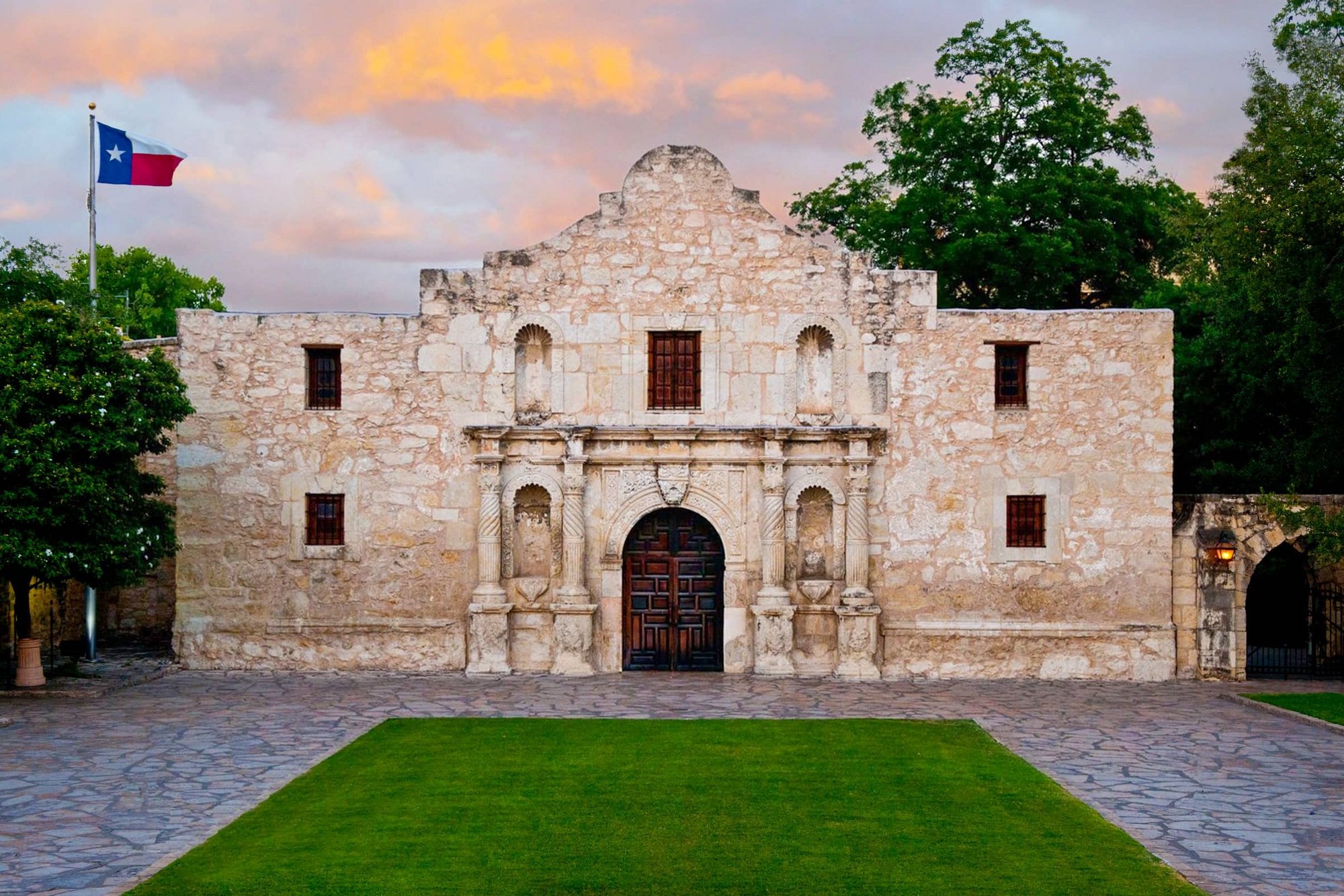
The Alamo is more than just a historical site; it’s a place of reflection and remembrance. The solemn atmosphere encourages visitors to contemplate the sacrifices made and the enduring legacy of those who fought for freedom. It serves as a potent reminder of the complex history that shaped Texas and the United States. The site’s ongoing preservation and educational programs ensure that its story continues to be told, making it a vital component of any visit to San Antonio.
Planning Your Visit to the Alamo and Beyond
A trip to the Alamo is often the centerpiece of a larger travel experience in San Antonio. The city itself is a treasure trove of history, culture, and entertainment, offering a wealth of activities and accommodations to suit every traveler’s needs and interests. By understanding the Alamo’s location and significance, visitors can effectively plan their itineraries to maximize their enjoyment of both this historic landmark and the vibrant city it calls home.
Accommodation Options Near the Alamo
San Antonio boasts a wide array of lodging options in close proximity to the Alamo, catering to diverse budgets and travel styles. From luxurious resorts and boutique hotels to budget-friendly motels and comfortable apartments for longer stays, visitors will find a perfect home base.
Many prominent hotels are situated within easy walking distance of Alamo Plaza, offering unparalleled convenience for those prioritizing immediate access to the landmark. Consider establishments like the Grand Hyatt Hotel, the Marriott Rivercenter, or the Hotel Contessa, which often provide stunning views of the city and the River Walk, while placing you just a few blocks from the Alamo. For those seeking a more intimate experience, charming boutique hotels in the historic district offer unique character and personalized service.
Budget-conscious travelers will also find plenty of options, with several well-maintained motels and extended-stay hotels on the outskirts of the downtown core, offering affordable rates without sacrificing comfort. Families might prefer resorts with pools and kid-friendly amenities, while business travelers might opt for hotels with convenient meeting spaces and business centers. Booking in advance, especially during major events or holidays in San Antonio, is highly recommended to secure the best rates and availability.
Exploring San Antonio’s Attractions
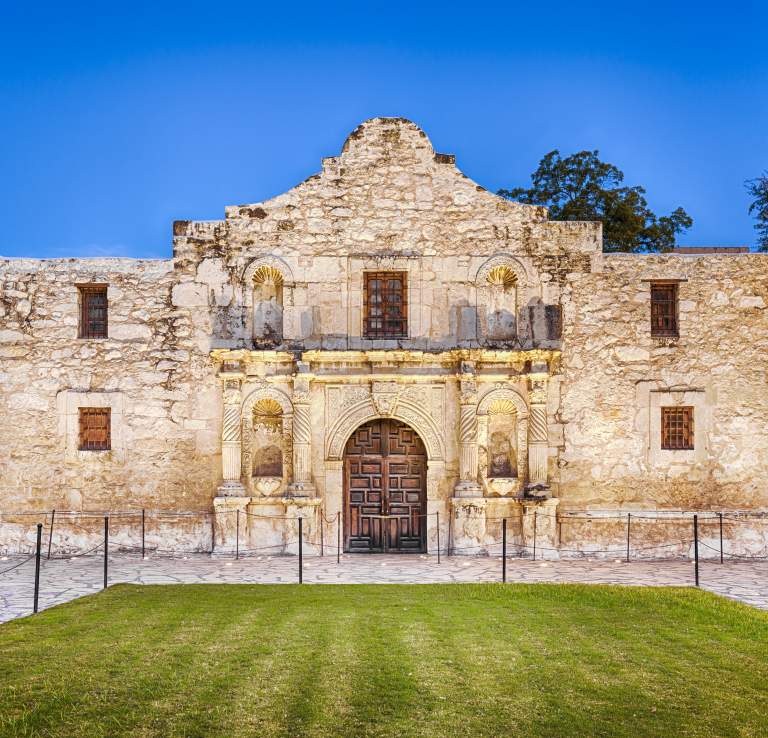
The Alamo is an integral part of San Antonio’s rich historical and cultural landscape, and its location makes it an ideal starting point for exploring the city’s many other attractions. The famous San Antonio River Walk is just a short stroll away, offering a unique network of walkways lined with restaurants, shops, and boat tours. A leisurely boat ride along the River Walk provides a different perspective of the city and is a quintessential San Antonio experience.
For a taste of local culture and cuisine, Market Square is a must-visit. This vibrant complex is one of the largest Mexican markets in the United States, filled with colorful stalls selling artisan crafts, clothing, and delicious authentic Mexican food. You can easily spend an afternoon browsing the shops and savoring the flavors of San Antonio.
History buffs will also want to explore the other historic Spanish missions scattered throughout San Antonio, collectively designated as a UNESCO World Heritage Site. These include Mission Concepción, Mission San Jose, Mission San Juan, and Mission Espada. Visiting these sites offers a comprehensive understanding of the Spanish colonial era in Texas.
Other popular attractions include the Tower of the Americas, offering panoramic views of the city, and the San Antonio Zoo, a family-friendly destination. For those interested in military history beyond the Alamo, the Fort Sam Houston National Cemetery and the McArthur Military Museum are significant sites. The city’s burgeoning culinary scene also offers endless opportunities for exploration, from upscale dining to casual Tex-Mex eateries.
Lifestyle and Travel Tips for San Antonio
San Antonio offers a diverse range of travel experiences, from luxurious getaways to budget-friendly adventures, making it a destination that appeals to a broad spectrum of travelers. Whether you’re planning a romantic escape, a fun-filled family trip, or a focused business stay, the city has something to offer.
For those seeking a touch of luxury, San Antonio boasts several high-end resorts and hotels that provide exceptional amenities and service. Indulge in spa treatments, fine dining, and exquisite accommodations. Conversely, budget travelers can find numerous affordable hotels, motels, and even hostels that provide comfortable and clean lodging without breaking the bank. Many hotels offer packages that can include meals or attraction tickets, further enhancing value.
Family trips to San Antonio are always a hit, with attractions like the Alamo, the River Walk, the Zoo, and nearby theme parks like Six Flags Fiesta Texas providing endless entertainment. The city’s welcoming atmosphere and abundance of family-friendly dining options make it an ideal destination for creating lasting memories.
Business travelers will appreciate the city’s well-equipped convention centers and the numerous hotels that cater to corporate needs, offering conference rooms, business services, and easy access to major business districts.
When visiting the Alamo and its surroundings, it’s worth noting the weather. Texas can experience a wide range of temperatures, so checking the forecast and packing accordingly is essential. Comfortable walking shoes are a must, as exploring the Alamo and the River Walk involves a fair amount of walking. Staying hydrated, especially during the warmer months, is also crucial. Finally, embracing the local culture, trying the distinctive Tex-Mex cuisine, and engaging with the friendly locals will undoubtedly enrich your San Antonio experience, making your visit to the Alamo and the city truly unforgettable.
LifeOutOfTheBox is a participant in the Amazon Services LLC Associates Program, an affiliate advertising program designed to provide a means for sites to earn advertising fees by advertising and linking to Amazon.com. Amazon, the Amazon logo, AmazonSupply, and the AmazonSupply logo are trademarks of Amazon.com, Inc. or its affiliates. As an Amazon Associate we earn affiliate commissions from qualifying purchases.