
The venerable Battleship Texas has been a steadfast sentinel in the Houston Ship Channel for decades, a floating testament to American naval might and a cherished historical landmark. For many years, its permanent berth at San Jacinto Battleground State Historic Site near La Porte, Texas, seemed as immutable as the tides. However, recent years have seen a significant shift in the ship’s narrative, driven by the urgent need for extensive restoration and a new vision for its future. The question on the minds of history enthusiasts, Texans, and maritime aficionados alike is precise: where is the Battleship Texas moving to, and what does this monumental undertaking entail?
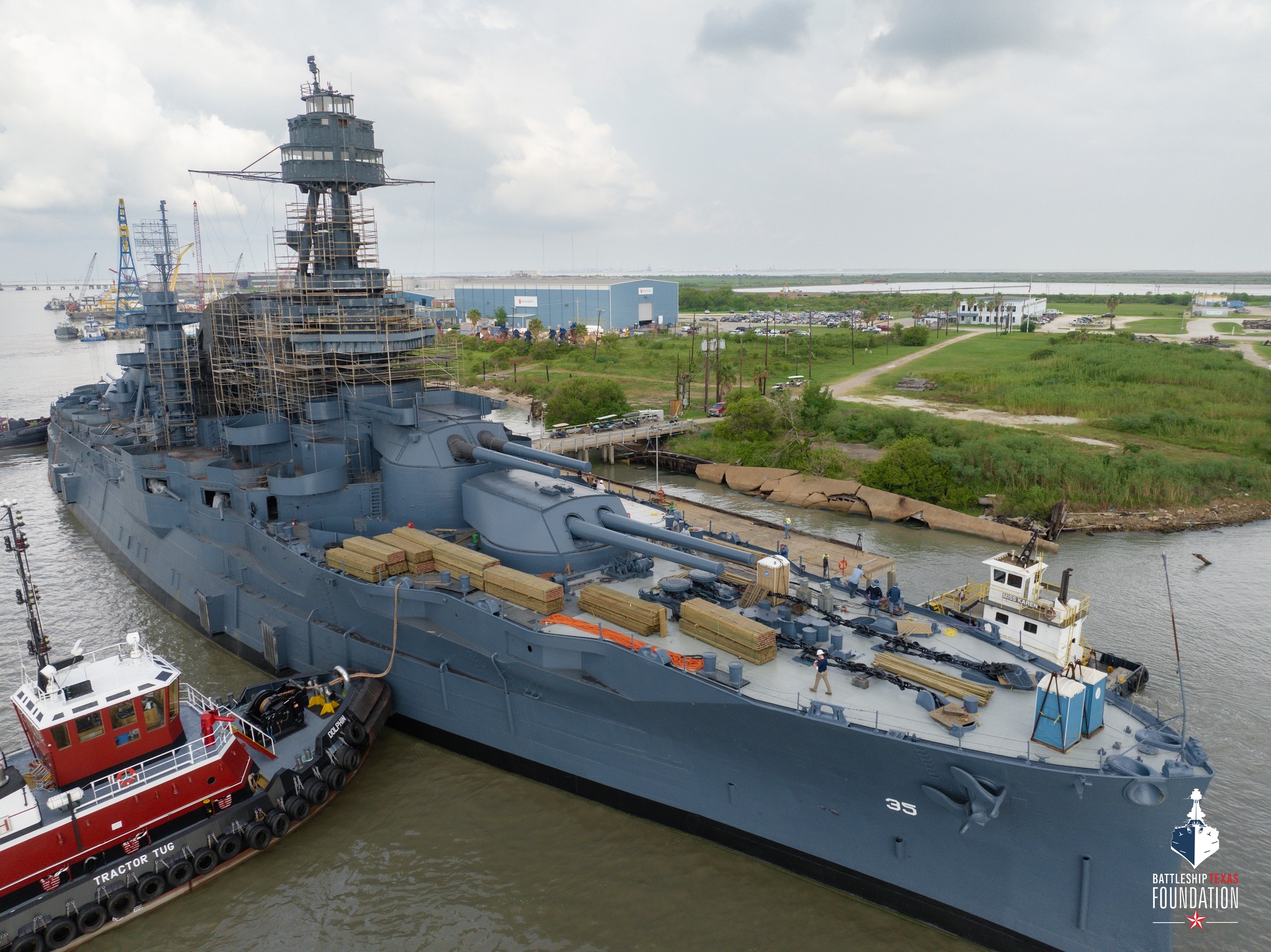
A New Horizon: The Journey of the Battleship Texas
The decision to move the Battleship Texas was not made lightly. Decades of exposure to the elements and the brackish waters of the Houston Ship Channel had taken their toll. Structural integrity issues, particularly with its hull, necessitated a comprehensive, dry-dock overhaul that could not be performed in its current location. The ship’s deteriorating condition presented a stark choice: undertake an ambitious and costly restoration or face the potential loss of this iconic vessel. Fortunately, a determined coalition of supporters rallied, securing the necessary funding and the political will to embark on its long-awaited preservation.
The Urgent Need for Restoration
The Battleship Texas, launched in 1914, is the last surviving dreadnought battleship in the world and the only remaining vessel that served in both World War I and World War II. Its historical significance is immense, having participated in some of the most pivotal moments of the 20th century. However, its role as a museum ship, while vital for public education and remembrance, came at a cost. The constant immersion in water, even in its protected harbor, accelerated corrosion and degradation. The hull, the very foundation of the ship, required urgent attention to ensure its continued seaworthiness and to prevent further irreversible damage. This extensive repair work, including the replacement of critical hull sections, is a complex and labor-intensive process that demands the ship be lifted completely out of the water and placed in a specialized dry-dock facility.
The Search for a Suitable Dockyard
Finding a facility capable of accommodating a vessel of the Battleship Texas’s size and weight, and equipped for the specialized repairs required, was a significant challenge. Several shipyards and dry docks were evaluated, each with its own set of logistical and financial considerations. The goal was not just to find a place to perform the repairs but to identify a location that would also facilitate the ship’s eventual return to a public-facing role. The search considered factors such as accessibility for the public to potentially view the restoration progress, the availability of skilled labor for the intricate work, and the long-term viability of the chosen site.
Galveston’s Role in the Preservation
After extensive deliberation and a thorough evaluation of potential sites, Galveston, Texas, emerged as the chosen destination for the Battleship Texas’s much-needed overhaul. The Galveston Naval Museum (formerly known as the Battleship Texas Foundation) spearheaded the initiative, working with the Texas Parks and Wildlife Department and various stakeholders. The city of Galveston, with its rich maritime history and its proximity to the Gulf of Mexico, presented a logical and advantageous location. The ship’s journey from the Houston Ship Channel to Galveston marked the beginning of a new chapter in its long and storied life.
The Dry-Docking and Restoration Process
The move to Galveston and the subsequent dry-docking represent the critical first steps in a multi-year, multi-million dollar restoration project. This phase is not merely about patching up the ship; it’s about a fundamental recommitment to preserving its historical integrity for future generations. The process is meticulously planned, involving engineers, naval architects, historians, and a dedicated crew of artisans and tradespeople.
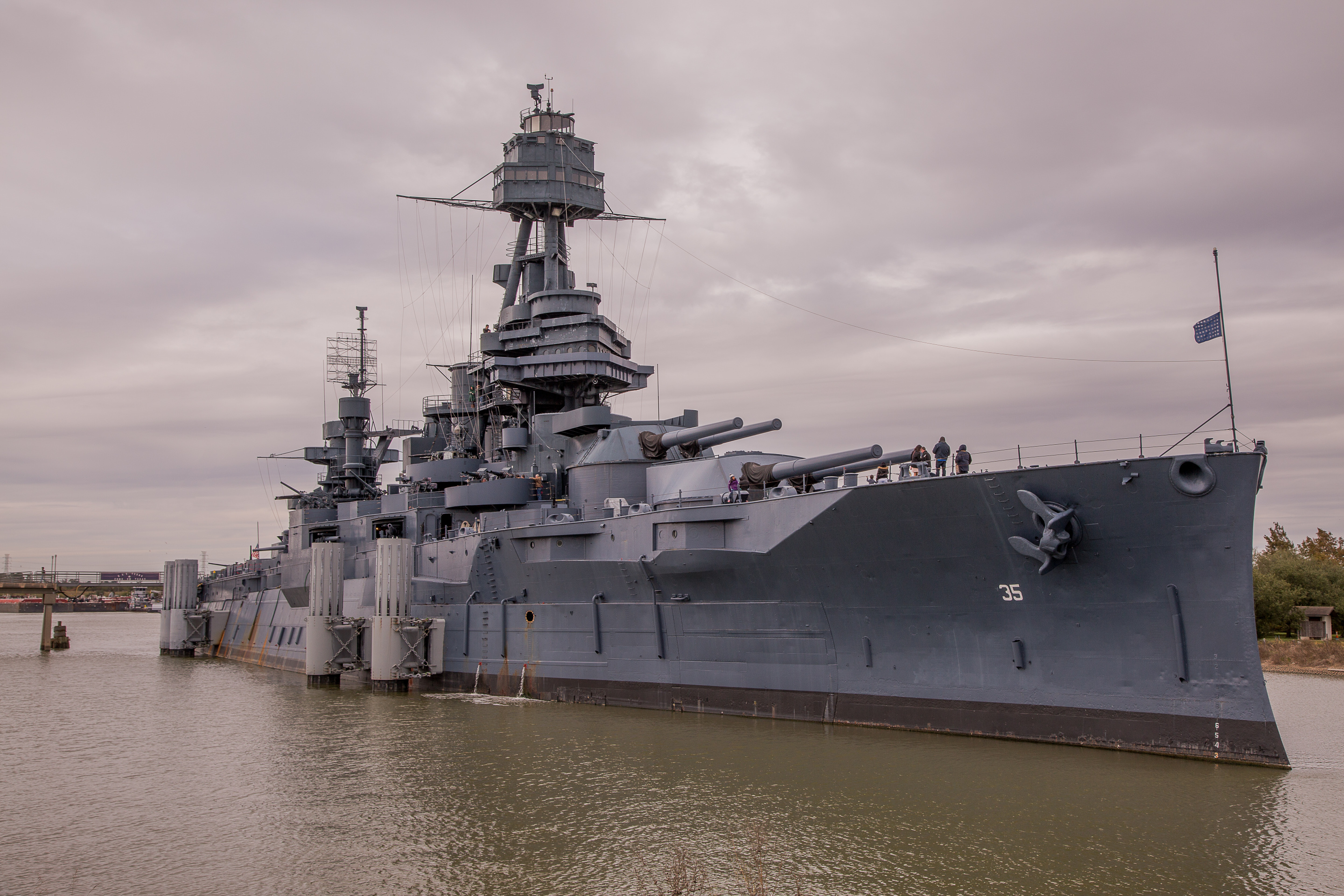
Towing to Galveston
The transit of the Battleship Texas from its longtime home to Galveston was a carefully orchestrated event. Under the guidance of experienced maritime professionals, the massive vessel was towed across the waters, a journey that drew considerable attention. This movement itself was a testament to the engineering and planning involved, ensuring the safety of the ship and the surrounding maritime traffic.
The Dry-Docking Procedure
Once in Galveston, the Battleship Texas was carefully maneuvered into a specialized dry dock. This complex operation involves the dry dock being submerged, the ship floated into position, and then the dry dock being pumped out, slowly lifting the vessel from the water. This process exposes the entire hull, allowing for a detailed inspection and the commencement of the extensive repairs. The sheer scale of the operation underscores the immense undertaking required to save such a historic artifact.
The Scope of the Restoration
The restoration of the Battleship Texas is an ambitious endeavor encompassing a wide range of critical repairs and improvements. The primary focus is on addressing the structural integrity of the hull, including the replacement of corroded steel plates and the reinforcement of key structural elements. Beyond the hull, the project will also involve refurbishing internal spaces, updating safety systems to meet modern standards, and preserving the ship’s historical features. The aim is to not only stabilize the vessel but to enhance its ability to serve as an educational and inspirational museum for decades to come.
The Future of the Battleship Texas: A New Home and a Renewed Purpose
The restoration of the Battleship Texas is more than just a repair job; it’s an investment in its future role as a premier historical attraction. While its current location in Galveston is for the restoration, discussions are ongoing about its ultimate post-restoration home. The ambition is to see the Battleship Texas not just preserved, but made more accessible and engaging for the public.
A Vision for a Modern Museum Experience
The goal for the Battleship Texas extends beyond merely keeping it afloat. The vision for its future includes transforming it into a world-class museum that offers an immersive and educational experience. This could involve modernizing exhibits, enhancing accessibility for visitors of all abilities, and developing innovative programming that brings its rich history to life. The restoration is seen as an opportunity to reimagine how the public interacts with this significant piece of American heritage.
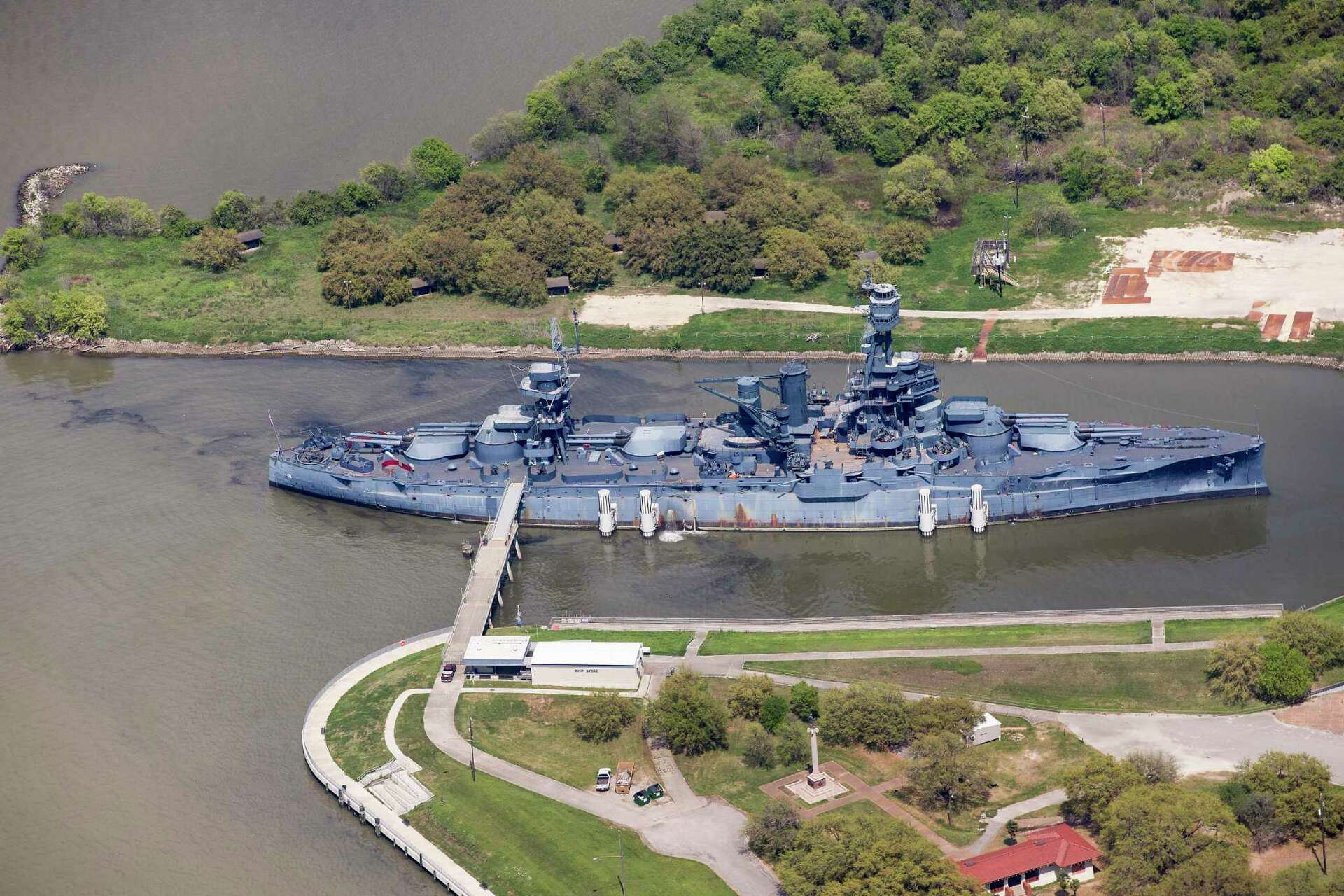
Potential New Berths and Attractions
While the Battleship Texas will eventually depart its temporary Galveston restoration site, its ultimate long-term destination is a subject of ongoing planning and public discussion. Various proposals have been put forth, each aiming to provide a sustainable and publicly accessible home for the ship. These discussions often involve considerations of visitor experience, economic impact, and the ship’s ability to continue serving as a beacon of history and education. The ultimate goal is to secure a permanent berth where it can continue to inspire and educate visitors for generations to come, potentially becoming a significant new landmark or attraction in its own right. The journey of the Battleship Texas is a testament to the power of collective will and the enduring importance of preserving our nation’s most significant historical artifacts for the benefit of all.
LifeOutOfTheBox is a participant in the Amazon Services LLC Associates Program, an affiliate advertising program designed to provide a means for sites to earn advertising fees by advertising and linking to Amazon.com. Amazon, the Amazon logo, AmazonSupply, and the AmazonSupply logo are trademarks of Amazon.com, Inc. or its affiliates. As an Amazon Associate we earn affiliate commissions from qualifying purchases.