
The Battleship Texas is more than just a relic of naval history; it is a floating testament to American resilience, a veteran of two World Wars, and a proud guardian of maritime heritage. For decades, this iconic vessel has been a cornerstone attraction, drawing visitors eager to step aboard and immerse themselves in the stories etched into its steel hull. However, in recent years, its physical location has become a subject of significant interest and, for many, a source of concern. This article delves into the current whereabouts and the ongoing journey of the Battleship Texas, exploring the complexities of preserving such a monumental landmark and the exciting future that lies ahead.
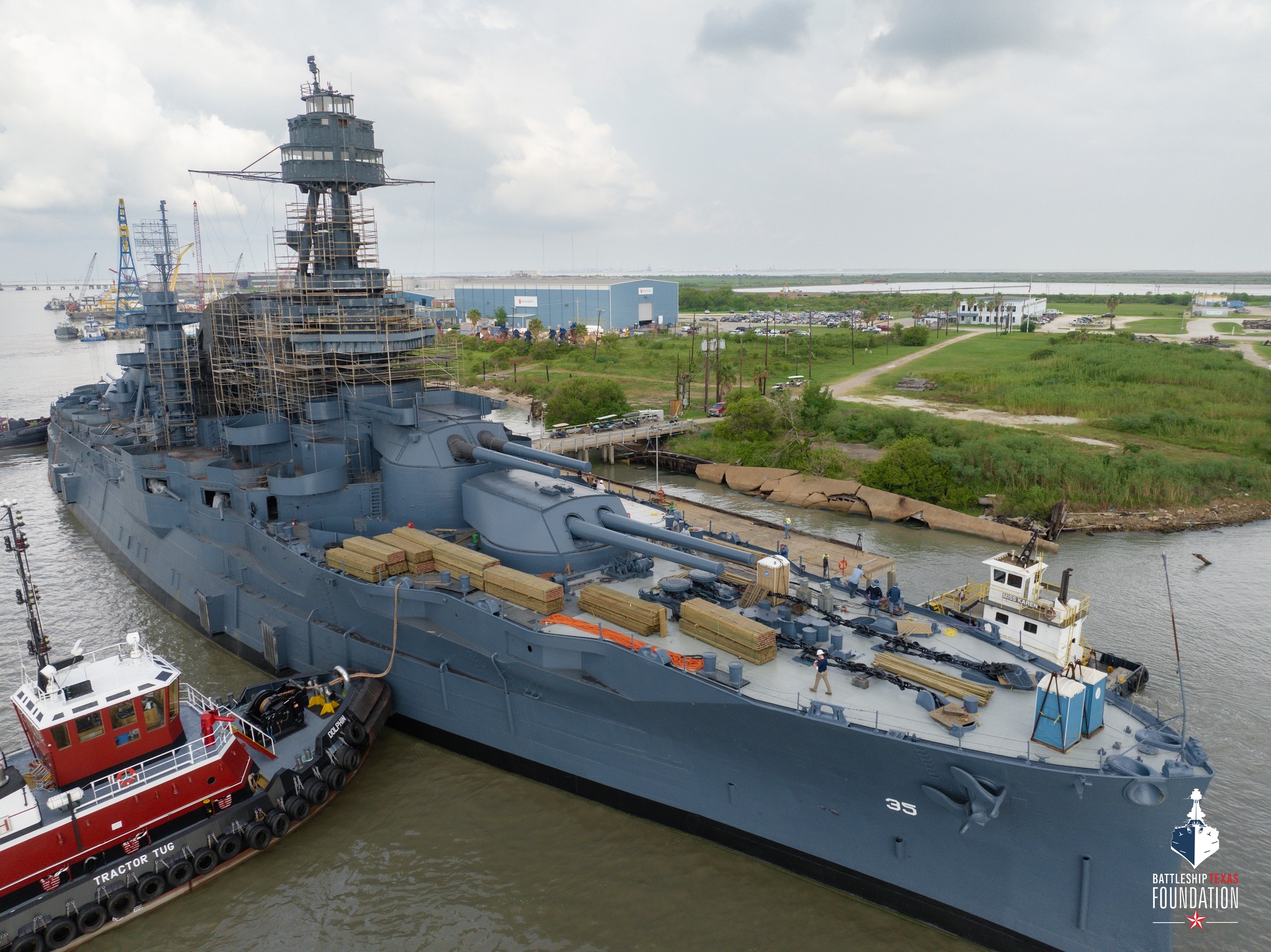
A Legacy Awaiting Its Next Chapter
The Battleship Texas holds a distinguished place in American history. Commissioned in 1914, it served with distinction in both World War I and World War II. Its service record is unparalleled among surviving battleships, having participated in pivotal campaigns such as the Normandy Landings and the Battle of Iwo Jima. Its guns were among the first to fire in Europe during WWII, and it was the last American battleship to sink an enemy ship by gunfire.
For many years, its primary home was at the San Jacinto Battleground State Historic Site near La Porte, Texas. Here, it served as a museum ship, offering visitors an unparalleled glimpse into the life of a sailor during wartime. Millions have walked its decks, marveled at its massive turrets, and felt the weight of history within its confines. The ship’s presence was a vital part of the historical narrative of the Texas region and a significant draw for maritime history enthusiasts worldwide.
However, the passage of time and the harsh realities of being a vessel exposed to the elements took their toll. The ongoing deterioration of the ship necessitated a comprehensive and ambitious restoration project, one that would require the Battleship Texas to leave its long-standing berth.
The Need for Preservation
The Battleship Texas is a complex engineering marvel, and like any aging structure, it requires constant maintenance and, at times, extensive repairs. Decades of exposure to saltwater, humidity, and the sheer passage of years had led to significant structural issues. Corrosion, leaks, and the general wear and tear of a wooden deck and steel hull meant that extensive dry-docking and repairs were not merely desirable but essential for its survival.
The Battleship Texas Foundation, the non-profit organization dedicated to preserving the ship, recognized that the scale of the necessary work exceeded what could be accomplished while the ship remained in its historical, but increasingly challenging, location. To undertake the comprehensive repairs required to secure the ship’s future, a move to a specialized shipyard was inevitable. This decision marked the beginning of a new and uncertain chapter for the beloved battleship.
The Journey Begins: A Temporary Farewell
The significant undertaking of moving the Battleship Texas from its resting place at La Porte, Texas began in the summer of 2022. The process was a monumental logistical feat, involving specialized towing operations and navigating through waterways that the battleship had not traversed in many years. The departure of the ship was an emotional moment for many who had come to see it as a permanent fixture.
The destination for this crucial phase of preservation was a shipyard in Galveston, Texas, a location chosen for its appropriate facilities and expertise in handling large maritime vessels. This move was not a permanent relocation but a necessary step to allow for the extensive dry-dock repairs that would stabilize the hull, address corrosion, and ensure the ship’s structural integrity for generations to come.
The Shipyard and the Restoration Process
The Battleship Texas’s stay in the shipyard marked the beginning of a highly anticipated and complex restoration. The goal was not simply to patch and paint, but to undertake a comprehensive overhaul that would address the fundamental issues plaguing the ship. This involved:
Hull Repair and Stabilization
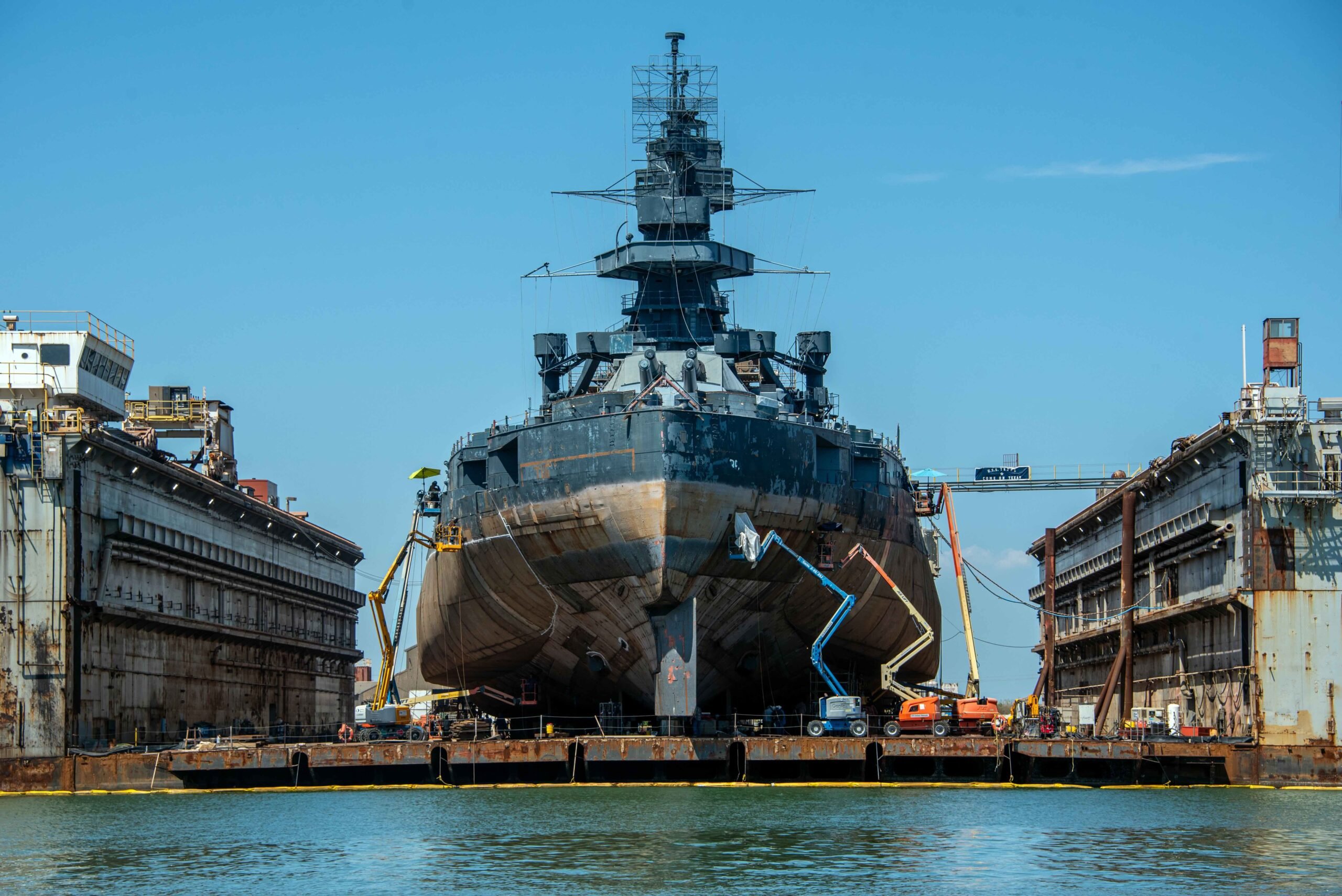
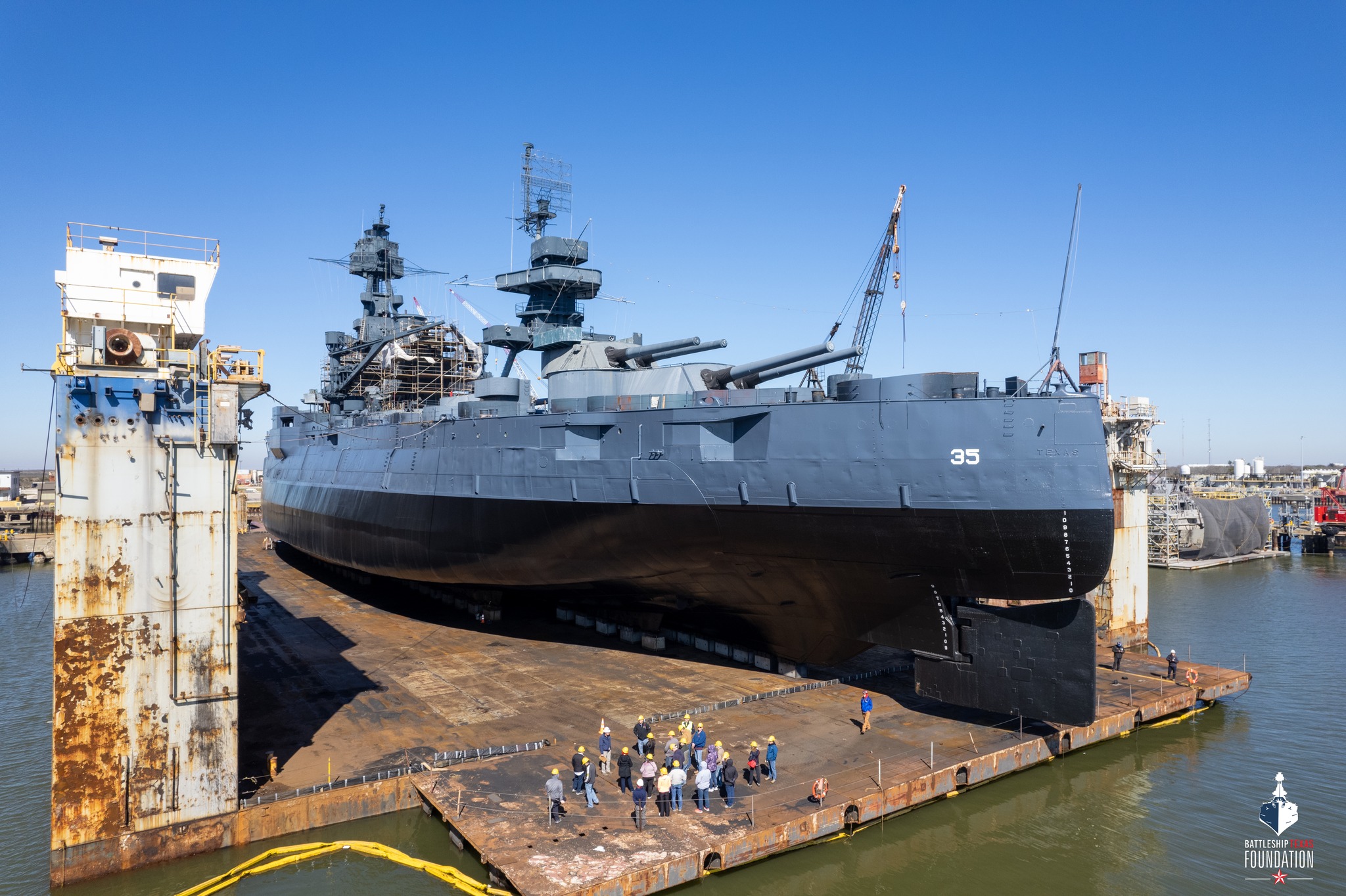
The most critical aspect of the restoration was the repair of the ship’s hull. Decades of immersion in water had led to significant corrosion and weakening of the steel. In dry dock, the full extent of the damage could be assessed, and skilled shipbuilders could work to replace rusted sections, reinforce weakened areas, and seal any breaches. This painstaking process is vital for ensuring the ship can float safely and withstand the elements for years to come.
Interior Refurbishment
Beyond the hull, the interior of the Battleship Texas also required significant attention. This included the restoration of crew quarters, mess halls, and the bridge, all of which offer visitors an intimate look at naval life. Work also involved addressing issues with plumbing, electrical systems, and the overall preservation of historical artifacts and displays that tell the ship’s compelling story.
Systems Overhaul
While the ship is no longer an active naval vessel, certain systems need to be maintained or updated to ensure safety and accessibility for visitors. This could include ensuring fire suppression systems are up-to-date, improving accessibility for individuals with disabilities, and making necessary adjustments to public areas to enhance the visitor experience.
The Challenges of Funding and Time
Restoring a historic battleship is an enormously expensive undertaking. The Battleship Texas Foundation has been instrumental in fundraising efforts, relying on donations from individuals, corporations, and government grants. The project’s timeline is often subject to the pace of these fundraising efforts and the complexities of the restoration work itself. Delays can occur due to unforeseen issues discovered during the repair process or challenges in securing the necessary funding for each phase.
What the Future Holds: A New Home and Renewed Purpose
The question of “Where is the Battleship Texas?” has evolved from a query about its immediate location to a broader discussion about its long-term future. While the ship is undergoing its vital restoration in Galveston, Texas, plans are in motion for its eventual return as a premier historical attraction.
Potential New Homeports
The Battleship Texas Foundation has explored various potential new homeports and configurations for the ship once restoration is complete. The goal is to secure a location that not only offers a suitable berth but also provides the infrastructure and support necessary for its continued operation as a museum and educational center. This has involved considering sites along the Texas coast that can accommodate a vessel of its size and historical significance.
Enhanced Visitor Experience
The restoration project presents an opportunity to reimagine the visitor experience. With a stabilized and revitalized vessel, there is potential to introduce new exhibits, improve accessibility, and create more immersive storytelling elements. The aim is to make the Battleship Texas an even more compelling destination, educating and inspiring new generations about naval history, technological innovation, and the sacrifices made by those who served.
A Symbol of Enduring Heritage
The Battleship Texas is more than just a collection of steel and machinery; it is a symbol of American perseverance, technological prowess, and the enduring spirit of those who have defended its shores. Its journey from its historic berth to the shipyard and toward its future home is a testament to the dedication of countless individuals and organizations committed to preserving this invaluable piece of history. While its current location is temporary, its future as a vibrant historical landmark remains a powerful beacon, promising to share its incredible stories for many years to come.
LifeOutOfTheBox is a participant in the Amazon Services LLC Associates Program, an affiliate advertising program designed to provide a means for sites to earn advertising fees by advertising and linking to Amazon.com. Amazon, the Amazon logo, AmazonSupply, and the AmazonSupply logo are trademarks of Amazon.com, Inc. or its affiliates. As an Amazon Associate we earn affiliate commissions from qualifying purchases.