
Florida, a state renowned for its sun-drenched beaches, vibrant theme parks, and diverse natural landscapes, often conjures images of the Miami Beach skyline or the vast Everglades National Park. However, the Sunshine State holds geographical nuances that extend beyond these well-trodden paths. One such area, often alluded to but less precisely defined, is the “Big Bend” region. This distinctive portion of Florida is characterized by its unique topography, rich natural heritage, and a slower pace of life, offering an authentic glimpse into the state’s wilder side.
Defining The Big Bend Region
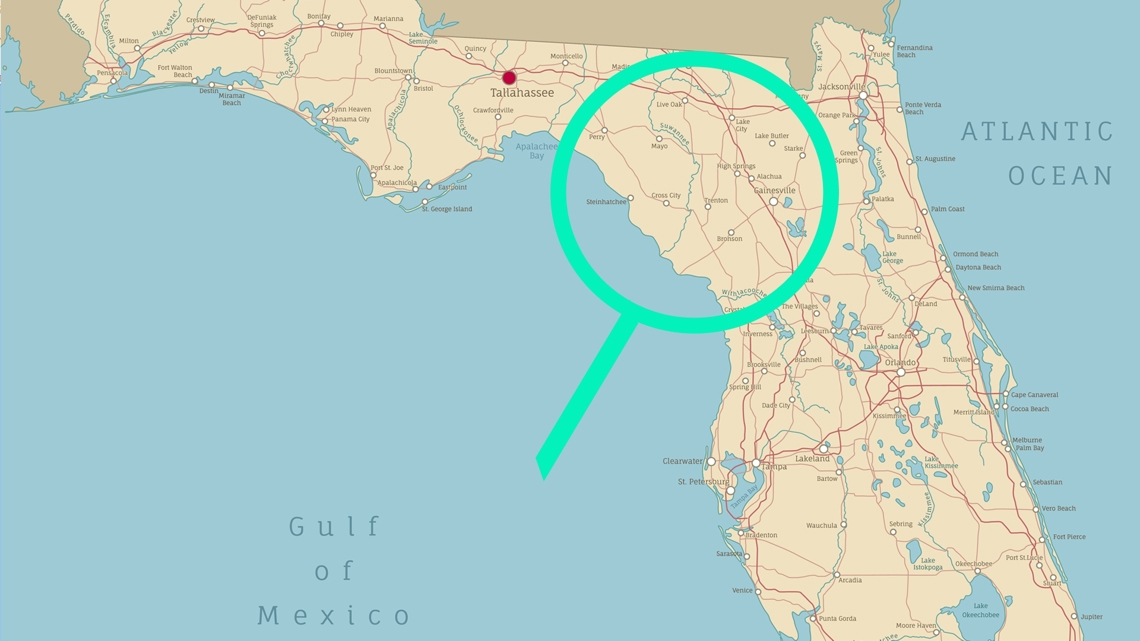
The Big Bend region of Florida is not a formally designated administrative area but rather a geographical and ecological designation. It refers to the curve, or “bend,” in the coastline where the Florida Panhandle transitions into the peninsular part of the state. This transition zone is marked by the Gulf of Mexico coastline stretching from roughly the eastern edge of the Panhandle, near St. Marks, westward and southward towards the upper reaches of the central peninsula. The defining characteristic of this region is its largely undeveloped shoreline, characterized by vast salt marshes, oyster reefs, shallow bays, and estuaries.

Geographical Boundaries and Characteristics
The “bend” itself is a natural phenomenon, shaped over millennia by geological processes and the constant interaction of land and sea. Unlike the sandy beaches found in much of South Florida, the Big Bend coast is dominated by a more rugged, marshy environment. This extensive network of wetlands serves as a critical habitat for a myriad of wildlife species and plays a vital role in the health of the Gulf ecosystem. The water in this region tends to be shallower and more brackish than in other parts of the state, creating a unique aquatic environment.
Ecological Significance
The ecological importance of the Big Bend region cannot be overstated. It is a biodiversity hotspot, boasting one of the most extensive undeveloped coastlines in the United States. This area is a critical nursery ground for many commercially important fish species and a vital stopover point for migratory birds. The intricate web of salt marshes, seagrass beds, and estuaries supports an astonishing array of life, from the majestic American Alligator to countless species of wading birds, shorebirds, and marine life. The preservation of this delicate ecosystem is paramount to maintaining Florida’s natural heritage.
Exploring The Attractions of The Big Bend
The allure of the Big Bend region lies in its untamed beauty and the abundance of natural attractions that draw outdoor enthusiasts and nature lovers. This is a destination for those seeking an escape from the hustle and bustle, a place where the rhythm of nature dictates the pace of life.
Natural Wonders and Wildlife Viewing
The primary draw of the Big Bend is its pristine natural environment.
- St. Marks National Wildlife Refuge: This sprawling refuge, covering over 70,000 acres, is a crown jewel of the region. It encompasses diverse habitats, including salt marshes, tidal flats, pine flatwoods, and hardwood swamps. Visitors can explore miles of scenic drives, hike numerous trails, and engage in unparalleled birdwatching. The refuge is particularly famous for its monarch butterfly migration in the fall and is home to a significant population of wintering waterfowl. It also serves as a sanctuary for the endangered Florida Panther and the threatened loggerhead sea turtle.
- Wakulla Springs State Park: One of the deepest and clearest freshwater springs in the world, Wakulla Springs is a mesmerizing natural spectacle. Boat tours on the spring run offer opportunities to see alligators, manatees, and a variety of birdlife in their natural habitat. The historic Wakulla Springs Lodge adds a touch of old Florida charm to the experience, offering a glimpse into the region’s past.
- Apalachicola National Forest: The largest national forest in Florida, this vast expanse offers opportunities for hiking, camping, fishing, and paddling. Its diverse ecosystems, including tupelo gum swamps and longleaf pine forests, provide habitats for a rich array of flora and fauna.
Outdoor Activities and Adventures
The Big Bend region is an adventurer’s paradise, offering a wealth of activities for those who love to explore the outdoors.
- Kayaking and Canoeing: The shallow, calm waters of the bays and estuaries are ideal for kayaking and canoeing. Paddling through the salt marshes provides an intimate connection with the environment, allowing for close encounters with wildlife and a unique perspective on the coastal landscape. Numerous outfitters offer rentals and guided tours.
- Fishing: The Big Bend is a renowned fishing destination, particularly for inshore saltwater species. Anglers can try their luck with redfish, speckled trout, flounder, and tarpon in the fertile waters of the Gulf. Fly fishing is especially popular in the shallows.
- Boating and Cruising: The extensive network of waterways provides excellent opportunities for boating. Exploring the coastline by boat offers a different perspective and access to remote areas. Many small, coastal communities offer marinas and boat ramps.
- Hiking and Birdwatching: With numerous state parks, national forests, and wildlife refuges, hiking trails abound. These trails wind through diverse habitats, offering ample opportunities for observing the region’s rich birdlife. Birdwatchers flock to the Big Bend during migration seasons to witness the incredible diversity of species that pass through.
Experiencing Local Culture and Cuisine
Beyond its natural beauty, the Big Bend region offers a distinct cultural experience characterized by its laid-back atmosphere and a strong connection to the maritime heritage of the area. The local cuisine, in particular, reflects the bounty of the surrounding waters.
Coastal Communities and Heritage
The towns and villages dotting the Big Bend coastline are largely small and unassuming, retaining a sense of old Florida charm.
- Apalachicola: This historic port town, once the third-largest city in Florida, retains much of its 19th-century character. Its charming downtown area features preserved Victorian architecture, antique shops, and art galleries. The waterfront is a hub of activity, with working fishing boats and seafood markets. Apalachicola is a gateway to the surrounding natural areas and offers a glimpse into the region’s rich maritime history.
- Carrabelle: Known as the “World’s Smallest City,” Carrabelle offers a laid-back coastal vibe. It’s a popular spot for boating and fishing, with several marinas and charter services. The town’s distinctive leaning water tower is a local landmark.
- Steinhatchee: This small fishing village is a prime destination for scallop diving during the season. Its access to the Gulf waters makes it a hub for recreational fishing and boating.
Culinary Delights of The Big Bend
The culinary landscape of the Big Bend is dominated by fresh, locally sourced seafood, particularly oysters.
- Oysters: The waters of the Big Bend are legendary for producing some of the finest oysters in the United States. The cool, brackish water creates a unique flavor profile, often described as briny, sweet, and clean. Restaurants throughout the region serve oysters raw, steamed, fried, or in various culinary preparations. Visiting an oyster house or a local seafood market is an essential Big Bend experience.
- Fresh Seafood: Beyond oysters, visitors can savor an abundance of other fresh catches, including grouper, snapper, shrimp, and crab. Many restaurants pride themselves on serving seafood caught daily by local fishermen, offering an authentic taste of the Gulf Coast.
- Local Flavors: While seafood is king, don’t miss out on other regional specialties. Many eateries incorporate Southern influences, offering dishes like shrimp and grits, fried green tomatoes, and homemade pies.
Planning Your Big Bend Adventure
A trip to the Big Bend region requires a different approach than a typical Florida vacation. It’s a destination for those who appreciate nature, tranquility, and authentic experiences, rather than theme park thrills.
Accommodation Options
While luxury resorts are scarce in the Big Bend, the region offers a range of comfortable and often charming accommodation options that complement its natural setting.
- Vacation Rentals: Renting a cottage, bungalow, or house is a popular choice, especially for families or longer stays. These rentals often provide more space, privacy, and the ability to immerse oneself in the local environment. Many are situated along the water or in charming coastal communities.
- Inns and Bed & Breakfasts: Quaint inns and bed & breakfasts offer a more intimate and personalized experience. These establishments often reflect the historic character of the towns and provide a welcoming atmosphere.
- Campgrounds: For the truly adventurous, numerous campgrounds are available within the state and national forests, as well as some private campgrounds, offering a chance to sleep under the stars and be fully immersed in nature.
Getting There and Getting Around
The Big Bend region is best accessed by car. Its relatively remote location means that public transportation options are limited.
- Driving: Major highways like US-98 and US-27 provide access to the coastal communities. Traveling by car allows for the flexibility to explore the various natural attractions and small towns at your own pace.
- Navigating the Region: Once in the Big Bend, a car is essential for getting around. Roads are generally well-maintained, but some areas, particularly within wildlife refuges, may require a vehicle suitable for unpaved surfaces. For water-based exploration, renting kayaks, canoes, or boats is highly recommended.

Best Times to Visit
The Big Bend region offers unique appeal throughout the year, with distinct experiences depending on the season.
- Spring (March-May): This is an ideal time for birdwatching, with migratory species returning. The weather is generally pleasant, with warm days and cooler evenings, perfect for outdoor activities.
- Summer (June-August): While hot and humid, summer is prime time for scalloping in areas like Steinhatchee. The waters are warm for swimming and boating.
- Fall (September-November): Fall offers cooler temperatures and spectacular bird migrations, including the famous monarch butterfly passage. The fall colors in the state forests are also a beautiful sight.
- Winter (December-February): This is a fantastic time for wildlife viewing, as many species, including waterfowl and manatees, congregate in the warmer waters. The cooler, drier weather is also perfect for hiking and exploring.
The Big Bend region of Florida, with its untamed coastline, abundant wildlife, and quiet charm, remains one of the state’s best-kept secrets. It is a destination that rewards those who seek genuine connection with nature and an escape from the ordinary.
LifeOutOfTheBox is a participant in the Amazon Services LLC Associates Program, an affiliate advertising program designed to provide a means for sites to earn advertising fees by advertising and linking to Amazon.com. Amazon, the Amazon logo, AmazonSupply, and the AmazonSupply logo are trademarks of Amazon.com, Inc. or its affiliates. As an Amazon Associate we earn affiliate commissions from qualifying purchases.