
The allure of Hawaii is undeniable, a tropical paradise renowned for its stunning beaches, vibrant culture, and dramatic volcanic landscapes. Among its many islands, one stands out not only for its sheer size but also for its incredible diversity: the Big Island. Often, prospective travelers find themselves wondering about its precise location and what distinguishes it from its smaller, equally famous siblings. The Big Island, officially known as Hawaii Island, is the youngest and largest island in the Hawaiian archipelago, a sprawling chain of islands nestled in the heart of the Pacific Ocean. Its unique geographical position and ongoing geological formation make it a destination unlike any other, offering a kaleidoscope of experiences from active volcanoes to snow-capped peaks, lush rainforests to stark lava fields. Understanding its location is the first step in unlocking the myriad wonders this extraordinary island has to offer, a journey into the very cradle of creation where land is constantly being made.
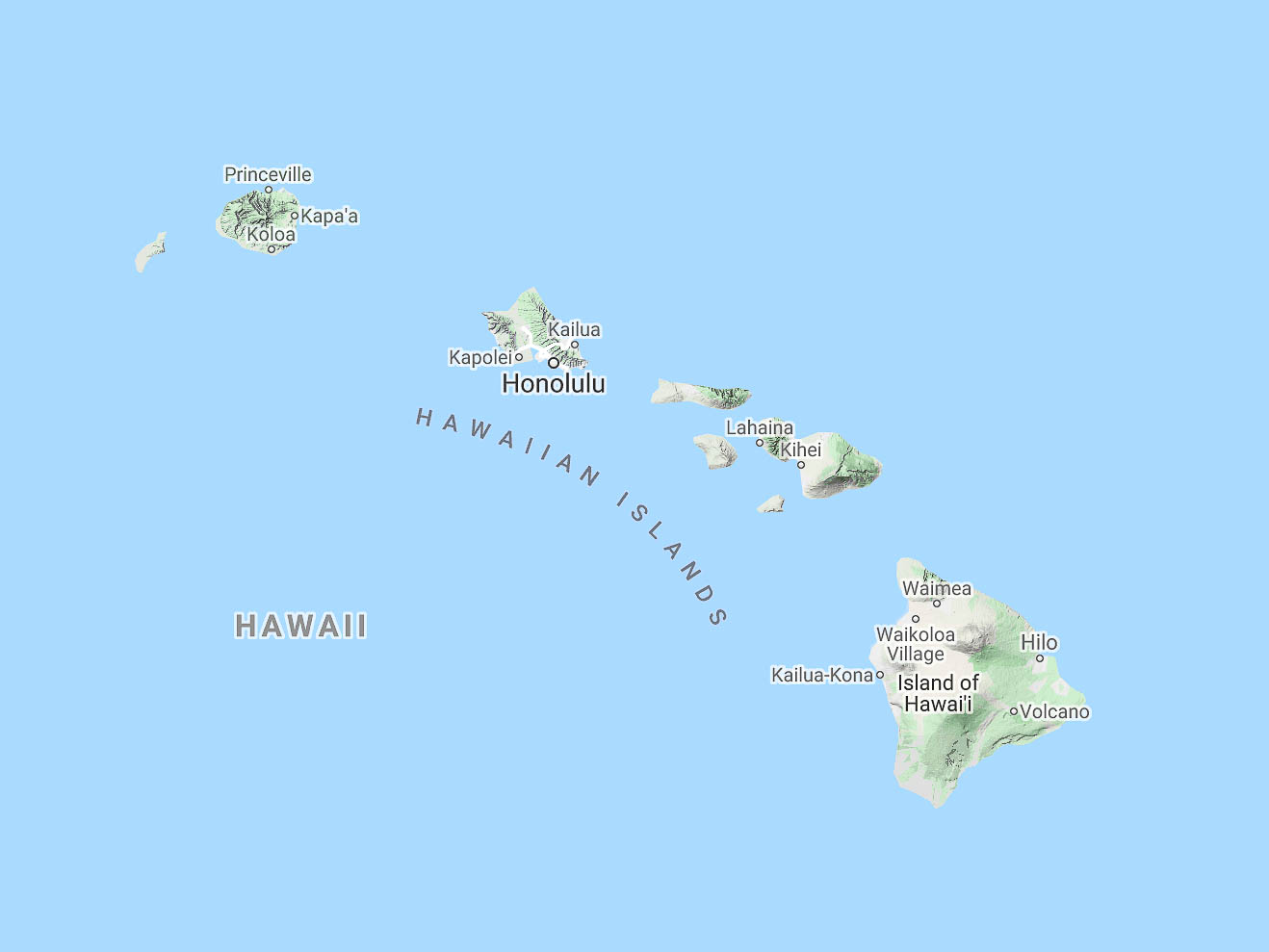
Locating the Big Island: A Gem in the Central Pacific
To truly grasp the essence of the Big Island, one must first place it within its broader geographical context. It is not merely an island, but the cornerstone of the Hawaiian chain, forming the southeasternmost point of the United States archipelago. Its position in the central Pacific makes it a critical waypoint, bridging continents and cultures, while its geological youth makes it a dynamic living laboratory of nature.
Geographical Overview of the Hawaiian Archipelago
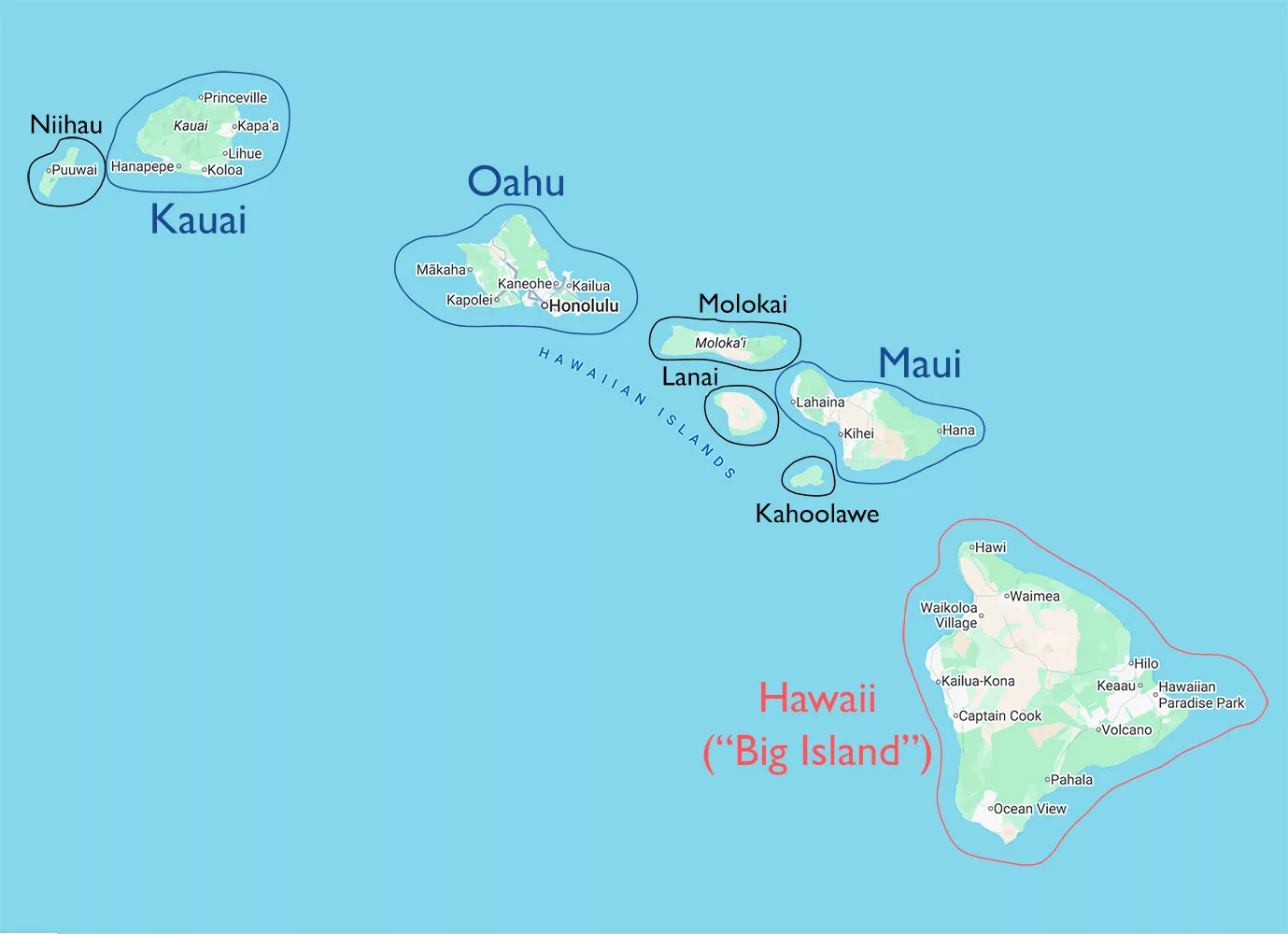
The Hawaiian Islands are a volcanic archipelago in the central Pacific Ocean, comprising hundreds of islands spread over 1,500 miles. However, the eight main islands, from northwest to southeast, are Niihau, Kauai, Oahu, Molokai, Lanai, Kahoolawe, Maui, and Hawaii Island (the Big Island). These islands are the exposed peaks of an immense undersea mountain range formed by volcanic activity originating from a “hotspot” in the Earth’s mantle. As the Pacific Plate slowly moves over this stationary hotspot, new islands are continuously formed, while older ones gradually erode and subside. The Big Island is currently directly over this hotspot, which explains its ongoing volcanic activity and its status as the youngest and still-growing island.
Why “The Big Island”? Size and Scale Compared
The moniker “Big Island” is not merely a nickname; it’s a geographical imperative. At approximately 4,028 square miles (10,432 square kilometers), it is almost twice the size of all the other Hawaiian Islands combined. To put this into perspective, Maui, the second-largest island, is about 727 square miles, and Oahu, home to Honolulu and Waikiki, is 597 square miles. The sheer scale of the Big Island means it encompasses a staggering diversity of ecosystems and microclimates, from arid deserts to lush tropical rainforests, and from pristine beaches to alpine tundra. This vastness contributes significantly to its unique appeal, offering travelers an unparalleled array of natural wonders and adventures within a single destination.
The Island of Extremes: Diverse Landscapes and Climates
What truly sets the Big Island apart is its remarkable geographical and climatic diversity. Due to its enormous size and the presence of five major volcanoes, it boasts 8 to 10 of the world’s 14 distinct climate zones, from polar tundra atop its highest peaks to tropical wet climates on its eastern shores. This makes it an extraordinary destination where one can experience vastly different environments within a relatively short drive.
Volcanic Majesty: Hawaii Volcanoes National Park
At the heart of the Big Island’s dynamic landscape lies Hawaii Volcanoes National Park, a UNESCO World Heritage Site and one of the most compelling natural attractions in the United States. This park is home to two of the world’s most active volcanoes: Kilauea and Mauna Loa. Kilauea, in particular, has been in a near-constant state of eruption for decades, famously creating new land and reshaping the island’s coastline. Visitors to the park can witness the raw power of creation, with opportunities to see glowing lava flows (when conditions permit and are safe), explore lava tubes, and hike across surreal volcanic landscapes. The park’s unique ecosystem, shaped by volcanic activity, supports rare and endemic species, making it a critical site for scientific research and conservation. The ever-changing face of the island, sculpted by fire, is a powerful reminder of nature’s relentless force.
From Black Sands to Snow-Capped Peaks
The Big Island’s volcanic activity isn’t just about destruction and creation; it’s also responsible for its stunning geological diversity. The island is famously home to black sand beaches, such as Punalu’u Black Sand Beach, formed when hot lava rapidly cools upon contact with the ocean, shattering into fine, glassy particles. In stark contrast, its northern coasts feature white and even rare green sand beaches, like Papakolea Green Sand Beach, colored by olivine crystals.
Rising majestically above these coastal wonders are the island’s colossal mountains: Mauna Kea and Mauna Loa. Mauna Kea, a dormant volcano, is the highest point in Hawaii and, when measured from its base on the ocean floor, is the tallest mountain in the world, exceeding Mount Everest. Its summit often receives snow in winter, offering the surreal experience of going from a tropical beach to a snow-capped peak in a single day. The clear, dry air and minimal light pollution at its elevation make Mauna Kea a premier site for astronomical observation, hosting some of the world’s most powerful telescopes.
Kona vs. Hilo: Two Distinct Worlds
The Big Island can broadly be divided into two distinct sides, each with its own character and climate, largely dictated by the prevailing trade winds and mountain ranges. The leeward (western) side, centered around Kailua-Kona (often simply referred to as Kona), is typically dry, sunny, and arid. This region is famous for its coffee plantations, calm waters perfect for snorkeling and diving, and stunning sunsets. It’s also where many of the island’s major resorts and tourist infrastructure are located, offering a classic Hawaii vacation experience with consistent sunshine and warm temperatures.
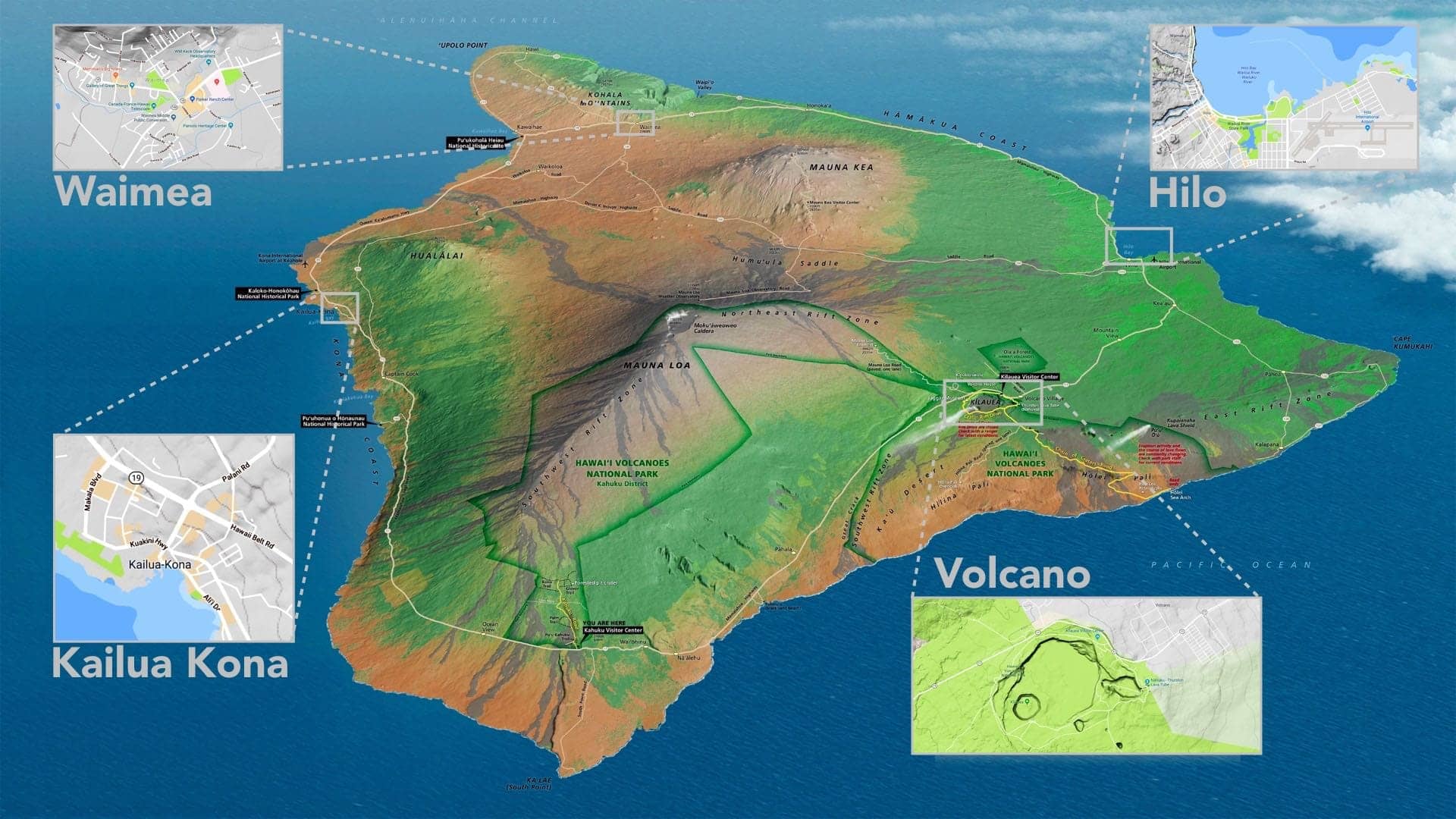
Conversely, the windward (eastern) side, anchored by the city of Hilo, is characterized by lush, tropical rainforests and receives significantly more rainfall. This creates a verdant landscape filled with cascading waterfalls, botanical gardens, and a vibrant local culture that feels distinct from Kona. Hilo offers a more authentic, less tourist-centric experience, serving as a gateway to Hawaii Volcanoes National Park and the island’s eastern natural wonders like Akaka Falls State Park and the Hamakua Coast. Travelers often choose to split their stay between these two regions to fully appreciate the island’s dual nature.
Getting There and Around the Big Island
Despite its remote location in the Pacific, reaching the Big Island is straightforward, with well-connected airports serving both its major regions. Once on the island, navigation is essential to explore its vast and varied landscape effectively.
Major Airports and Flights
The Big Island is served by two main international airports:
- Kona International Airport (KOA): Located on the dry, sunny western side, KOA is the primary entry point for most tourists. It offers direct flights from major cities across the United States mainland and inter-island flights from Honolulu (Oahu) and Kahului (Maui). Its open-air design provides a quintessential Hawaiian welcome.
- Hilo International Airport (ITO): Situated on the wet, lush eastern side, ITO serves the Hilo region and is closer to Hawaii Volcanoes National Park. While it has fewer direct mainland flights than KOA, it is well-connected via inter-island flights, making it a convenient option for those focusing on the eastern part of the island or combining their trip with other Hawaiian Islands.
Many visitors fly into Honolulu International Airport (HNL) on Oahu first and then take a short inter-island flight to either Kona or Hilo. These inter-island flights are frequent and relatively inexpensive, making island hopping an easy option.
Navigating the Island
Given the Big Island’s vastness, renting a car is not just recommended but almost essential for exploring its diverse attractions. Public transportation is limited, and many of the most spectacular sights are spread out across the island. The main roads are well-maintained, but be prepared for long drives between destinations. For instance, the drive from Kona to Hilo can take approximately 2 to 2.5 hours via the northern Hamakua Coast route (Highway 19) or the southern route (Highway 11), each offering different scenic views. Four-wheel-drive vehicles are recommended, and sometimes required, for accessing certain remote areas, such as the summit road to Mauna Kea or the adventurous trek into Waipio Valley. Always check road conditions and access requirements before venturing off the main arteries.
Unforgettable Experiences on the Big Island
The Big Island’s diverse geography translates into an unparalleled array of activities and experiences, catering to every type of traveler, from the thrill-seeker to the culture enthusiast, and the relaxation seeker.
Adventure and Exploration
For those craving adventure, the Big Island delivers in spades. Hiking in Hawaii Volcanoes National Park offers an otherworldly experience, exploring lava fields, steam vents, and potentially even active lava flows. The island’s waters are a haven for marine life, making snorkeling and diving world-class activities, particularly along the Kona Coast with its vibrant coral reefs and abundant fish. Manta ray night dives near Kailua-Kona are a particularly renowned and unforgettable experience. Adventurous travelers can also try ziplining through rainforests near Hilo, exploring hidden waterfalls, or even kayaking in Kealakekua Bay, where Captain Cook first landed. Stargazing on Mauna Kea is another must-do, with some of the clearest skies on Earth providing breathtaking views of the cosmos.
Culture and History
Beyond its natural wonders, the Big Island is rich in Hawaiian history and culture. It was the birthplace of King Kamehameha I, who united the Hawaiian Islands into a single kingdom. Visitors can delve into this heritage by visiting historical sites like Pu’uhonua o Honaunau National Historical Park, a sacred place of refuge for ancient Hawaiian lawbreakers. Ancient petroglyph fields, such as those at Puakō, offer glimpses into the lives of early inhabitants. Cultural centers and museums across the island, particularly in Hilo and Kona, provide deeper insights into traditional practices, hula, and the stories of the Hawaiian people. Attending a traditional luau is also an immersive way to experience local food, music, and dance.
Relaxation and Beaches
For those seeking relaxation, the Big Island offers pristine beaches and serene environments. The Kona Coast is dotted with luxurious resorts, many boasting access to beautiful white sand beaches like Kaunaoa Beach (Mauna Kea Beach) and Hapuna Beach State Recreation Area, consistently ranked among the best beaches in the world. These spots are perfect for sunbathing, swimming, and gentle ocean activities. For a unique experience, a visit to Punalu’u Black Sand Beach offers not only stunning scenery but also the chance to spot endangered green sea turtles basking on the warm sands. The slower pace of life, coupled with the natural beauty and warm hospitality, makes the Big Island an ideal destination for unwinding and reconnecting with nature.
In conclusion, the Big Island of Hawaii is far more than just a dot on the map. It is a world unto itself, a testament to the ongoing power of nature, and a vibrant cultural heart within the Pacific. Its distinct geographical position as the youngest and largest island in the archipelago, combined with its extraordinary range of climates and landscapes, guarantees a travel experience that is as diverse as it is unforgettable. From standing on the edge of a simmering volcano to swimming with manta rays, or simply relaxing on a pristine beach, the Big Island beckons with an invitation to explore, discover, and be truly inspired.
LifeOutOfTheBox is a participant in the Amazon Services LLC Associates Program, an affiliate advertising program designed to provide a means for sites to earn advertising fees by advertising and linking to Amazon.com. Amazon, the Amazon logo, AmazonSupply, and the AmazonSupply logo are trademarks of Amazon.com, Inc. or its affiliates. As an Amazon Associate we earn affiliate commissions from qualifying purchases.