
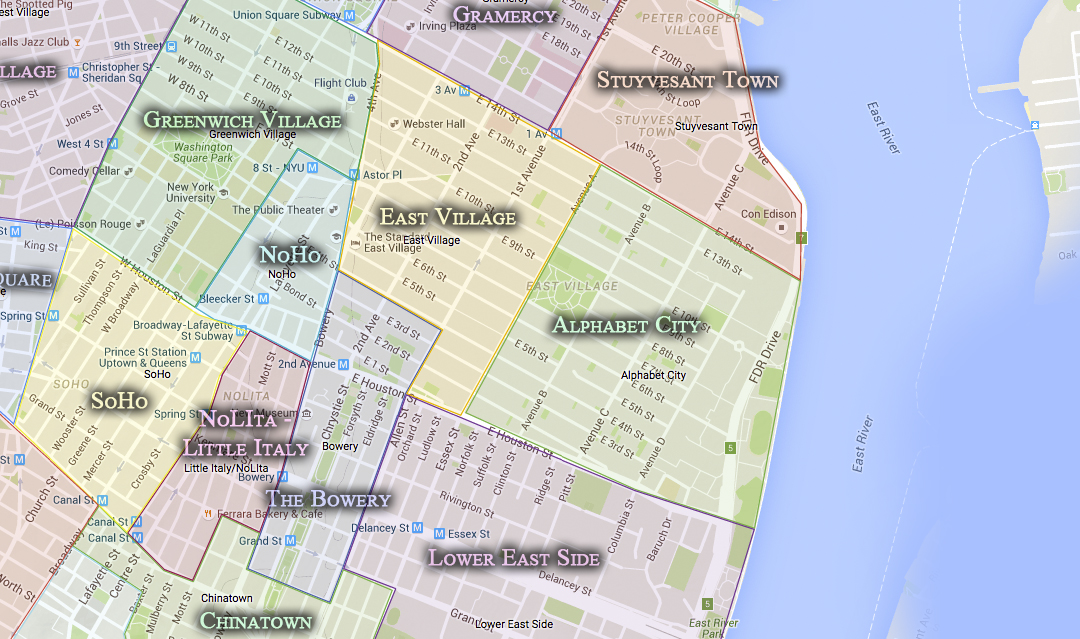
The Bowery is more than just a street; it is a profound historical spine that runs through the heart of Manhattan. For those navigating the complex geography of New York City, pinning down the exact location of this legendary thoroughfare is essential to understanding the evolution of the city itself. Spanning roughly from Chatham Square in the south to Cooper Square and East Fourth Street in the north, the Bowery serves as a fluid border between the Lower East Side and Little Italy, as well as Nolita.
A Historical Gateway Through Lower Manhattan
To grasp the location of the Bowery, one must look back at the colonial roots of the region. The name derives from the Dutch word “bouwerij,” meaning farm. During the 17th century, this road was the primary route leading from the original settlement of New Amsterdam to the fertile lands located north of the city walls.
From Colonial Path to Urban Corridor
As the city expanded northward, the character of the Bowery transformed dramatically. By the mid-19th century, it had become a vibrant commercial hub, known for its theaters, concert halls, and bustling markets. Its geographic centrality made it the main artery connecting the affluent districts of Upper Manhattan with the crowded, industrious tenements of the downtown area. Today, that legacy is still visible in the architecture that lines the street, ranging from preserved pre-war brick buildings to the modern glass structures that signal the neighborhood’s ongoing gentrification.
Navigating the Boundaries
If you are standing in the center of the Bowery, you are essentially standing on the fault line of Lower Manhattan. To your east lies the historic neighborhood of the Lower East Side, a district defined by its immigrant history and gritty cultural output. To your west, the topography shifts into Chinatown and Little Italy. Because the Bowery functions as a wide, north-south boulevard, it acts as a landmark that prevents visitors from becoming truly lost in the labyrinthine grid of the surrounding side streets.
Cultural Landmarks Along the Bowery
The significance of the Bowery is cemented by the institutions that have chosen to reside along its path. These landmarks provide a roadmap for anyone looking to explore the area’s rich tapestry of history, art, and nightlife.
The New Museum of Contemporary Art
Situated toward the northern end of the street, the New Museum of Contemporary Art acts as a beacon for the modern era of the neighborhood. Its unique, stacked-box architecture has become a symbol of the area’s transition into a center for high-end art and avant-garde culture. Located on the Bowery between Stanton Street and Rivington Street, it serves as a primary destination for travelers and locals alike.

CBGB and the Musical Heritage
Perhaps the most famous cultural landmark to ever grace the street was CBGB, the legendary club that birthed the punk rock movement in the 1970s. While the venue is no longer in operation, its spirit lingers in the area, drawing music historians and fans to the site where artists like The Ramones and Blondie first played. Knowing the location of these cultural touchstones helps visitors contextualize the Bowery not just as a thoroughfare, but as a site of immense artistic rebellion.
The Intersection of Commerce and Gentrification
In recent years, the Bowery has undergone a massive transformation, shifting from a place of industrial lighting supply stores to one of the most desirable residential and hospitality corridors in New York.
High-End Hospitality
The influx of luxury hotels has redefined the street’s profile. Hotels such as the Public Hotel and the Bowery Hotel offer travelers a sophisticated base from which to explore the city. These properties have anchored the northern section of the street, bringing a new demographic of visitors to a neighborhood that was once overlooked. Staying in this area provides immediate access to both the energy of the East Village and the classic charm of downtown.
Dining and Culinary Evolution
The culinary scene along the Bowery has mirrored its architectural and demographic changes. Where once there were simple diners, there are now Michelin-starred restaurants and trendy speakeasies. Walking along the Bowery today offers a sensory journey—one moment you are passing a wholesale kitchen supply shop that has stood for decades, and the next you are in front of an upscale café or a rooftop bar with views of the Empire State Building and the One World Trade Center.

Tips for Exploring the Bowery
For the uninitiated, the best way to understand the Bowery is to walk it in its entirety. Starting at Chatham Square and heading north toward the East Village allows a visitor to witness the transition of the city in real-time.
- Timing Your Walk: The street is best explored in the late afternoon. This is when the light hits the older, darker brickwork of the historic buildings, providing the best photographic opportunities.
- Safety and Navigation: While the Bowery has become much more polished, it remains a bustling, high-traffic artery. Use the crosswalks at major intersections like Delancey Street or Houston Street to navigate safely across the wide boulevard.
- Connecting to Transit: The Bowery is exceptionally well-connected. The Bowery Subway Station provides easy access to the J Train and the Z Train, making it an ideal starting point for a day of exploring Manhattan.
Ultimately, the Bowery remains one of the most resilient and fascinating stretches of pavement in New York City. Whether you are drawn to its gritty past, its modern cultural institutions, or its current status as a lifestyle destination, finding your way to this iconic street is a rite of passage for any visitor to the United States. It is a place that requires a bit of research to fully appreciate, but once you identify its boundaries and its character, the Bowery reveals itself as the true, beating heart of downtown.
LifeOutOfTheBox is a participant in the Amazon Services LLC Associates Program, an affiliate advertising program designed to provide a means for sites to earn advertising fees by advertising and linking to Amazon.com. Amazon, the Amazon logo, AmazonSupply, and the AmazonSupply logo are trademarks of Amazon.com, Inc. or its affiliates. As an Amazon Associate we earn affiliate commissions from qualifying purchases.