
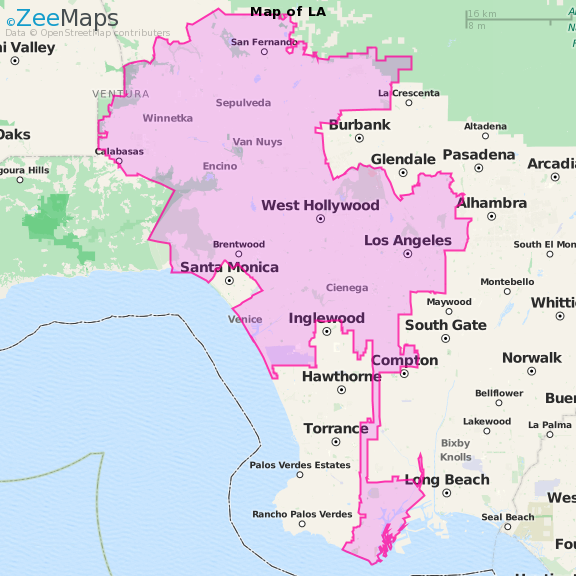
To understand where the City of Los Angeles is, one must look beyond simple coordinates on a map. Situated in Southern California within the United States, this sprawling metropolis is defined by its unique geography, bordered by the Pacific Ocean to the west and the soaring peaks of the San Gabriel Mountains to the east. As the second-largest city in North America, Los Angeles is a mosaic of distinct neighborhoods, each anchored by world-renowned landmarks that tell the story of a desert basin transformed into a global titan of culture, science, and architecture.
The Geographical Foundations and Natural Landmarks
The physical location of Los Angeles is a study in topographical diversity. It lies within a large coastal basin, yet its boundaries encompass everything from sun-drenched beaches to rugged mountain trails. This geographical variety has allowed the city to develop landmark sites that utilize the natural landscape as a primary feature.
The Santa Monica Mountains and Griffith Park
Stretching across the center of the city, the Santa Monica Mountains serve as a literal and figurative backbone for the region. Nestled within this range is Griffith Park, one of the largest municipal parks with urban wildlands in the United States. It is home to several of the city’s most defining landmarks. The most prominent of these is the Griffith Observatory. Perched on the southern slope of Mount Hollywood, the observatory is an Art Deco masterpiece that offers an unobstructed view of the entire Los Angeles Basin. Since its opening in 1935, it has served as a gateway to the stars, cementing the city’s status as a hub for scientific inquiry.
The Pacific Coastline and Santa Monica Bay
To the west, the city meets the Pacific Ocean along the crescent-shaped Santa Monica Bay. This maritime border is defined by the Santa Monica Pier, a historic landmark that has stood since 1909. Characterized by its iconic Pacific Wheel—the world’s first solar-powered Ferris wheel—the pier marks the symbolic end of Route 66. Nearby, the rugged cliffs of Point Dume in Malibu showcase the wilder, natural side of the California coast, acting as a landmark for both nature enthusiasts and the film industry.
Iconic Architectural Landmarks and the Entertainment Legacy
When people ask where Los Angeles is, they are often searching for the landmarks associated with the silver screen. The city’s identity is inextricably linked to Hollywood, a district that contains some of the most recognizable structures in the world.
The Hollywood Sign and Mount Lee
No landmark defines the location of Los Angeles more than the Hollywood Sign. Situated on Mount Lee in the Beachwood Canyon area, the nine white letters were originally erected in 1923 as an advertisement for a housing development called Hollywoodland. Today, it is a protected cultural monument. Its position overlooking the city serves as a constant reminder of the dream-making industry that fuels the local economy. The sign is not just a physical structure; it is a geographic marker that orients both residents and visitors toward the heart of the entertainment world.
The Walt Disney Concert Hall and Downtown Modernism
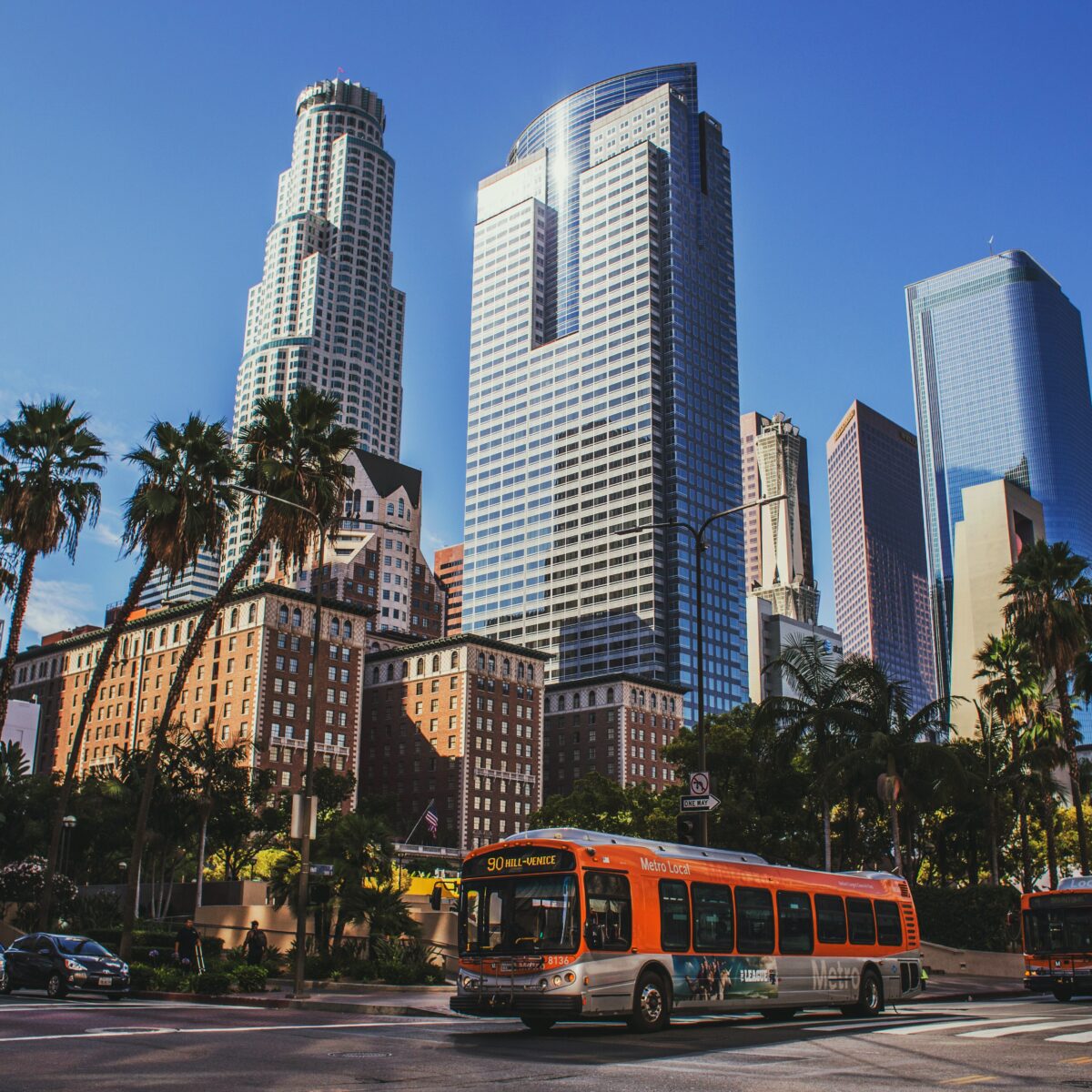
Moving toward the urban core, Downtown Los Angeles (DTLA) features a skyline defined by modern architectural triumphs. The Walt Disney Concert Hall, designed by Frank Gehry, is a landmark of deconstructivist architecture. Its billowing stainless steel sails reflect the vibrant California sun, making it a centerpiece of the Music Center. Just a short walk away is The Broad, a contemporary art museum known for its “veil and vault” design, and the Museum of Contemporary Art (MOCA), which together anchor the Grand Avenue cultural corridor.
Historic Districts and Cultural Monuments
Despite its reputation for being a city of the future, Los Angeles is rooted in a deep history that spans from its indigenous Tongva roots to its Spanish colonial past. These historic landmarks provide a sense of place and origin within the sprawling grid.
El Pueblo de Los Angeles and Olvera Street
The birthplace of the city is El Pueblo de Los Angeles Historical Monument. Located near the site where 44 settlers founded the city in 1781, this area contains the oldest standing structures in the city, including the Avila Adobe. Within this district, Olvera Street serves as a living landmark of Mexican heritage, featuring traditional marketplaces and historic architecture that stands in stark contrast to the nearby skyscrapers. This area marks the historical “center” from which the rest of the city expanded.
Union Station: The Last of the Great Railway Stations
Directly across from the historic pueblo stands Union Station. Opened in 1939, it is widely regarded as “the last of the great railway stations” built in the United States. Its architecture is a stunning blend of Spanish Colonial Revival and Art Deco styles, featuring massive leather chairs, hand-painted tiles, and lush courtyards. As a major transit hub, it remains a vital landmark that connects the city of Los Angeles to the rest of California and the country, serving as a gateway for thousands of travelers daily.
The Bradbury Building and Historic Core
In the Historic Core of Downtown Los Angeles, the Bradbury Building stands as a testament to 19th-century innovation. Built in 1893, its unassuming exterior hides a magnificent central atrium filled with open cage elevators, marble stairs, and intricate ironwork. It is the oldest commercial building in the central city and has been featured in countless films, including Blade Runner. This landmark highlights the architectural diversity of Los Angeles, proving that its “place” in history is as significant as its “place” on the map.
Engineering Marvels and Science-Focused Landmarks
Los Angeles is also a city of immense engineering and scientific achievement. These landmarks reflect the city’s commitment to education, art, and the preservation of history through a modern lens.
The Getty Center and Hilltop Preservation
High above the 405 Freeway in the Brentwood neighborhood lies The Getty Center. Designed by Richard Meier, this sprawling complex is a landmark of both art and landscape design. Its white travertine stone, sourced from Italy, and its meticulously manicured gardens make it a beacon of culture. The campus is not only a museum but also a world-class research institution, representing the city’s role as a global leader in the preservation of human history and creative expression.
The La Brea Tar Pits and Hancock Park
In the heart of the Miracle Mile district, one finds a landmark unlike any other in a major city: the La Brea Tar Pits. Located within Hancock Park, these natural asphalt pits have trapped and preserved prehistoric animals for tens of thousands of years. The adjacent George C. Page Museum displays the fossils of mammoths, dire wolves, and saber-toothed cats discovered on-site. This landmark provides a rare window into the Ice Age, reminding visitors that the ground beneath Los Angeles has been a site of activity long before the first human settlers arrived.
Los Angeles County Museum of Art (LACMA)
Adjacent to the tar pits is the Los Angeles County Museum of Art, the largest art museum in the western United States. One of its most photographed landmarks is Urban Light, an installation by Chris Burden consisting of 202 restored cast-iron antique street lamps. This installation has become a symbolic gateway to the museum and a popular gathering spot, illustrating how modern landmarks can blend public space with artistic vision.
Conclusion: A City Defined by its Landmarks
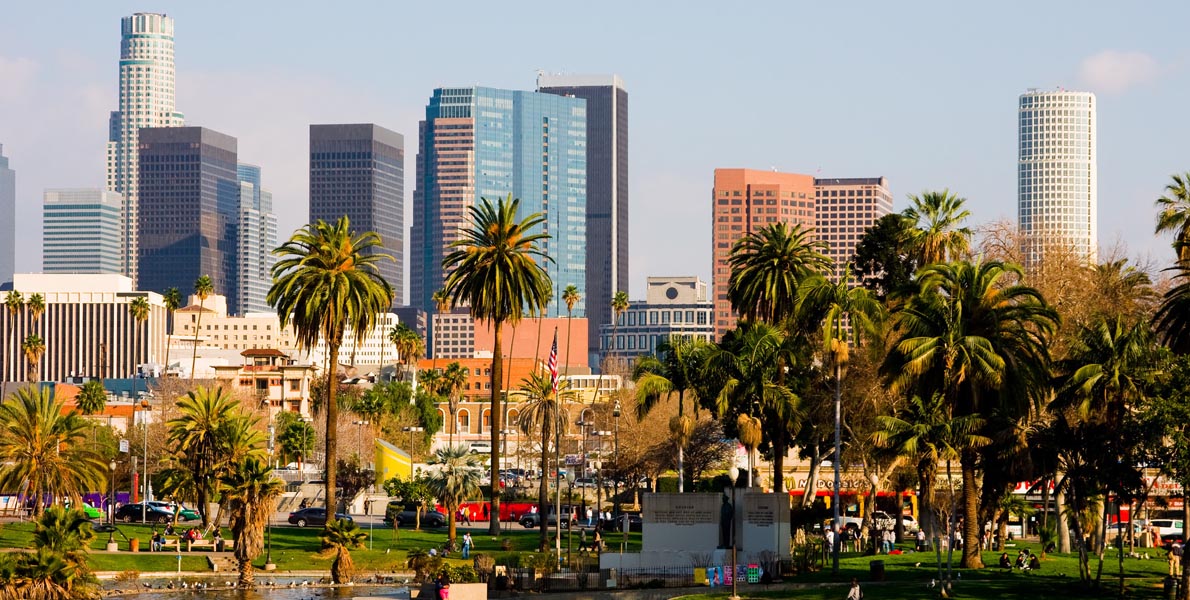
Where is the City of Los Angeles? Geographically, it is a vast expanse of California terrain, but its true location is found in the landmarks that punctuate its horizon. From the historic corridors of Union Station to the celestial views from Griffith Observatory, and from the rugged beauty of the Santa Monica Mountains to the architectural brilliance of the Walt Disney Concert Hall, these sites define the city’s identity. Los Angeles is more than just a destination; it is a collection of landmarks that reflect the ambition, history, and natural splendor of the American West. Whether one is standing on the Santa Monica Pier looking out at the Pacific Ocean or gazing up at the Hollywood Sign, the landmarks of Los Angeles provide the ultimate map to understanding this complex and captivating city.
LifeOutOfTheBox is a participant in the Amazon Services LLC Associates Program, an affiliate advertising program designed to provide a means for sites to earn advertising fees by advertising and linking to Amazon.com. Amazon, the Amazon logo, AmazonSupply, and the AmazonSupply logo are trademarks of Amazon.com, Inc. or its affiliates. As an Amazon Associate we earn affiliate commissions from qualifying purchases.