
The iconic song “Hotel California” by the Eagles has captivated listeners for decades, weaving a tale of mystery, luxury, and a subtle undercurrent of unease. Its evocative lyrics paint a vivid picture of a place that feels both alluring and inescapable, leaving many to ponder: does this legendary Hotel California truly exist, and if so, where can one find it? This exploration delves into the song’s origins, the various interpretations of its meaning, and the real-world locations that have been speculated to be its inspiration, all within the framework of travel, accommodation, and iconic landmarks.
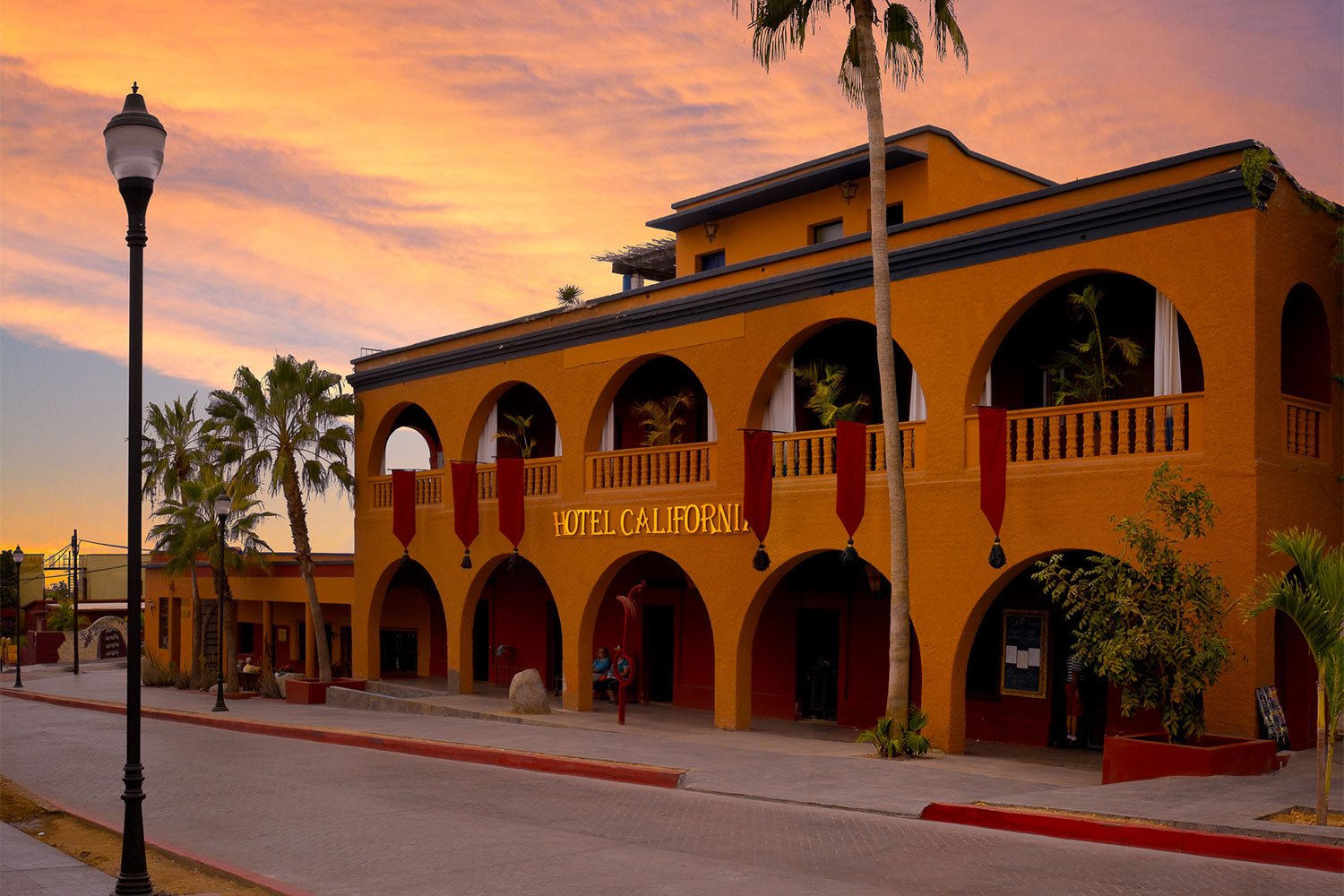
The allure of “Hotel California” lies not just in its haunting melody but in its rich narrative. The song, released in 1976 on the album of the same name, quickly became a global phenomenon. It tells the story of a weary traveler who checks into a seemingly luxurious hotel in the desert, only to discover that leaving is far more complicated than arriving. The lyrics speak of “cool wind in my hair,” “warm smell of colitas,” and “shimmering light.” These sensory details, coupled with the infamous lines “You can check out any time you like, but you can never leave,” have fueled endless speculation about the song’s true meaning and the potential existence of its titular establishment.
Unraveling the Mystery: Songwriting and Inspiration
The creative genesis of “Hotel California” is a tale in itself. While the song is often perceived as a literal narrative, the band members themselves have offered nuanced explanations, suggesting it’s more of a symbolic representation.
The Band’s Perspective
Don Henley, one of the primary songwriters, has described the song as an allegory for the excesses and hedonism of the music industry in Southern California during the 1970s. He explained that the song is about “a journey from innocence to experience,” touching on themes of disillusionment and the darker side of the American dream. The “hotel” can be seen as a metaphor for the seductive but ultimately trapping nature of fame and fortune.
Glenn Frey, another key songwriter, echoed these sentiments. He suggested that the song was a “cinematic, metaphorical” exploration of the cultural and spiritual landscape of America at the time. The desert setting, a common motif in Western folklore, adds to the sense of isolation and the vastness of the unknown. The song’s narrative journey, from the initial enchantment to the dawning realization of being trapped, mirrors the experiences of many who found themselves swept up in the fast-paced and often overwhelming world of the entertainment business.
The Eagles were at the height of their fame when “Hotel California” was released, and the song’s success undoubtedly amplified its mystique. Its popularity transcended musical genres, becoming a cultural touchstone that continues to resonate with new generations of listeners. The ambiguity in the lyrics allows for personal interpretation, making the song a canvas onto which listeners can project their own anxieties and aspirations about life, dreams, and the consequences of choices.
Early Speculations and Misconceptions
Given the song’s vivid imagery, it’s natural for people to seek a concrete, real-world location. Over the years, numerous places have been put forth as the “real” Hotel California. These speculations range from specific establishments to broader geographical areas. However, the band has consistently maintained that the song is not about a single, identifiable hotel.
One common misconception is that the song is based on a particular hotel in Tijuana, Mexico. This idea likely stems from the song’s evocative atmosphere and the prevalence of border towns as settings for tales of indulgence and escape. Another theory points to hotels in the desert regions of California, given the lyrical references to a desert setting and the band’s Californian roots.
However, it’s crucial to understand that these are speculative links, not confirmed inspirations. The power of “Hotel California” lies in its universality. It speaks to a feeling, a state of being, rather than a pinpointable geographical spot. The song’s enduring appeal is a testament to its ability to tap into fundamental human experiences of desire, entrapment, and the search for meaning.
Searching for the Phantom Hotel: Real-World Candidates and Legends
While the Eagles have clarified the metaphorical nature of their iconic song, the legend of a real “Hotel California” continues to intrigue travelers and music enthusiasts alike. This fascination has led to the identification of several real-world locations that bear a striking resemblance to the imagery evoked in the song, or that have been mistaken for the titular establishment. These potential candidates offer a glimpse into the kind of ambiance and atmosphere that might have inspired such a powerful narrative.
The Beverly Hills Hotel: A Luxury Icon
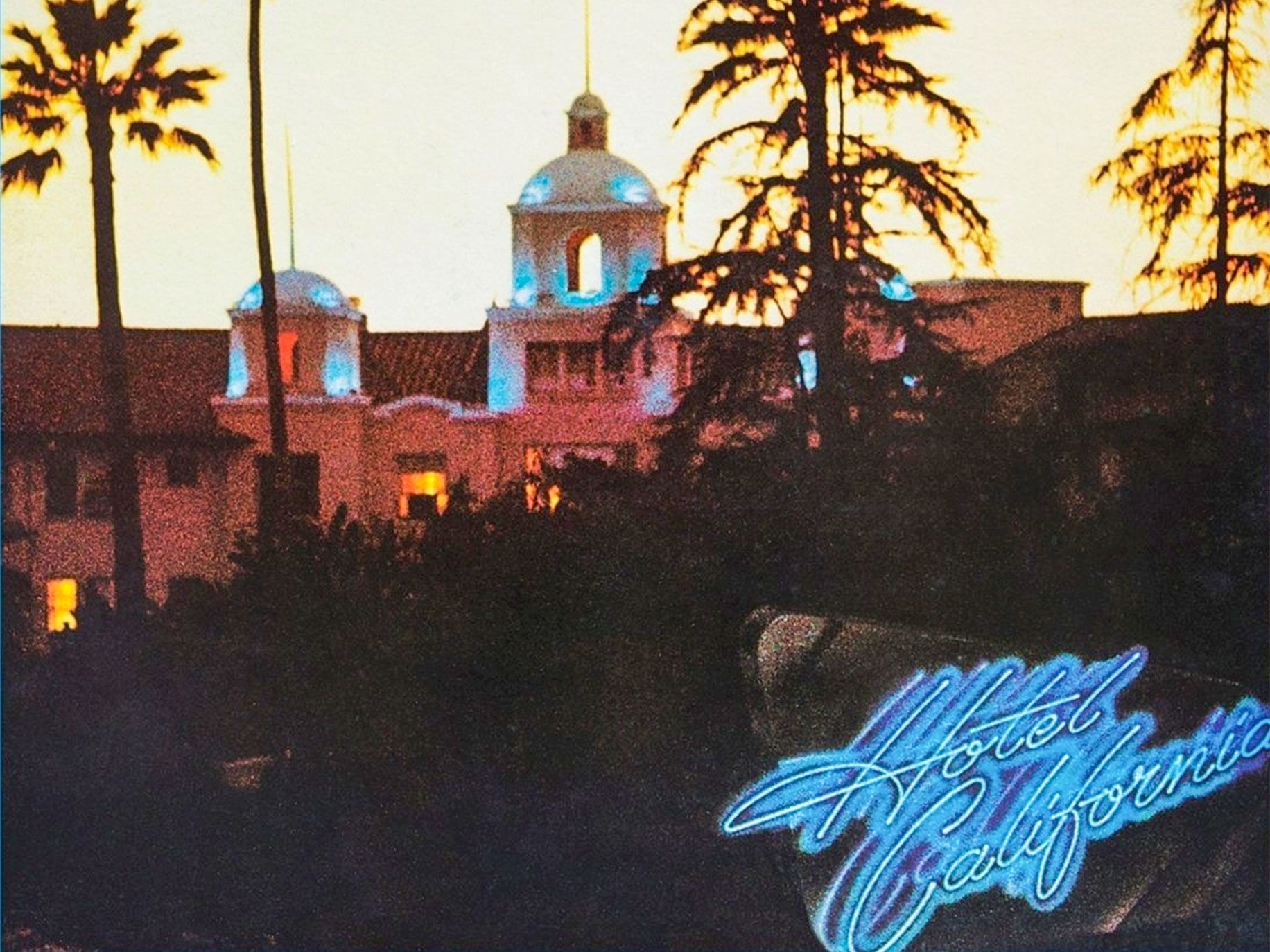
One of the most frequently cited potential inspirations, though largely disproven by the band, is the legendary Beverly Hills Hotel in Los Angeles. Known for its opulent accommodations, lush grounds, and storied past as a playground for celebrities and the elite, the Beverly Hills Hotel certainly embodies a sense of high-end glamour. Its location in the heart of Hollywood also aligns with the band’s experiences in the music industry.
The hotel’s iconic pink façade, sprawling bungalows, and the Polo Lounge, a hub of celebrity gossip and deal-making, could easily be imagined as the backdrop for a tale of luxury and hidden depths. However, the Eagles have explicitly stated that the Beverly Hills Hotel was not the inspiration for “Hotel California.” While it might share some superficial similarities in terms of luxury and an air of exclusivity, the song’s narrative and symbolic meaning extend far beyond a specific resort. Nonetheless, the connection persists in the popular imagination, adding another layer to the song’s mystique. The Beverly Hills Hotel itself is a landmark of Los Angeles, representing a bygone era of Hollywood glamour and a certain type of aspirational lifestyle.
Hotels in the Desert Landscape
The lyrics’ strong emphasis on a desert setting has led many to search for hotels in the arid expanses of California and neighboring states. These locations often offer a sense of isolation, dramatic natural beauty, and a stark contrast to the bustling urban centers.
The El Royale Hotel, Palm Springs
The El Royale Hotel in Palm Springs is another location that has been suggested as a possible inspiration. Palm Springs itself is a desert resort city synonymous with mid-century modern architecture and a luxurious, relaxed lifestyle. The El Royale, with its distinctive style and desert ambiance, offers a visual resonance with the song’s descriptive passages. The vast, open desert surrounding Palm Springs can easily evoke the feeling of being in a place both beautiful and potentially unforgiving, much like the “Hotel California” narrative.
However, as with the Beverly Hills Hotel, the band has not confirmed any direct link. The connection is more likely born from the song’s lyrics and the general aesthetic of desert resorts that cater to travelers seeking an escape. Such hotels often promise a tranquil haven, yet the song’s narrative warns of a more complex reality.
Other Desert Establishments
Across the American Southwest, numerous hotels and motels, particularly those with a vintage desert vibe, have been speculated upon. These range from former roadside inns that catered to travelers along historic routes like Route 66, to more contemporary desert resorts. The appeal of these locations lies in their ability to conjure the feeling of a place that exists slightly outside the normal flow of time, a place where stories of enchantment and disillusionment can unfold.
The sheer number of these speculations highlights how effectively the song’s lyrics have allowed listeners to project their own imagined scenarios onto the idea of a “Hotel California.” Each desert hotel, with its unique history and atmosphere, contributes to the rich tapestry of potential inspirations, even if none is the definitive answer.
The Enduring Legacy: A Metaphor for Life’s Journeys
Ultimately, the true “Hotel California” is not a physical place, but a powerful metaphor that resonates with universal human experiences. Its enduring appeal lies in its ability to capture the complex emotions associated with dreams, desires, and the often-unforeseen consequences of our choices.
Accommodation and the Illusion of Paradise
The concept of a “hotel” itself is central to the song’s metaphorical power. Hotels are places of transient stay, offering temporary respite and often promising a luxurious or exotic experience. They are gateways to new destinations and provide a comfortable base for exploration. However, the “Hotel California” subverts this expectation, transforming a place of lodging into a symbol of entrapment.
This plays into the broader themes of travel and accommodation. We seek out hotels, resorts, and other forms of lodging to enhance our experiences, to find comfort, or to indulge in luxury. Yet, the song serves as a cautionary tale, suggesting that the pursuit of paradise can sometimes lead to a gilded cage. The lyrics “We haven’t had that spirit here since 1969” hint at a loss of innocence or a shift in values that the hotel now embodies. This can be interpreted as a commentary on societal changes or personal disillusionment.
Exploring the “Lifestyle” of Luxury and Its Pitfalls
The song’s themes also touch upon the “lifestyle” aspects of travel, particularly luxury travel. The initial description of the hotel evokes a sense of opulence and indulgence: “Such a lovely place, such a lovely face.” This paints a picture of a desirable destination, one that promises escape and pleasure. However, the “lovely place” soon reveals its darker side, where the freedom of movement is an illusion.
This duality—the allure of luxury and the potential for hidden costs—is a recurring theme in discussions about aspirational lifestyles. The song challenges the notion that material comfort guarantees happiness or freedom. Instead, it suggests that in the pursuit of such comforts, one can become ensnared by the very things they sought. The “Hotel California” becomes a symbol of any situation where superficial attractiveness masks a deeper, more profound restriction. Whether it’s the allure of fame, wealth, or even certain idealized destinations, the song reminds us to look beyond the surface and question the true nature of our pursuits.

Landmarks of the Human Condition
In essence, “Hotel California” has become a landmark in its own right, not on a map, but in the collective consciousness. It stands as a testament to the power of storytelling and the ability of art to capture the intangible aspects of the human condition. The song’s ambiguity is its greatest strength, allowing it to transcend its origins and speak to a wide audience about themes of temptation, addiction, disillusionment, and the search for meaning.
While the physical “Hotel California” may remain elusive, its metaphorical presence continues to guide our understanding of the allure and potential pitfalls of chasing dreams, particularly those associated with fame, fortune, and the idealized visions presented by the travel and lifestyle industries. The song serves as a timeless reminder that sometimes, the most profound journeys are those that explore the landscapes of our own minds and the complexities of our own desires.
LifeOutOfTheBox is a participant in the Amazon Services LLC Associates Program, an affiliate advertising program designed to provide a means for sites to earn advertising fees by advertising and linking to Amazon.com. Amazon, the Amazon logo, AmazonSupply, and the AmazonSupply logo are trademarks of Amazon.com, Inc. or its affiliates. As an Amazon Associate we earn affiliate commissions from qualifying purchases.