
The East Village occupies a storied place in the cultural geography of New York City. Once the gritty, rebellious heart of the city’s underground art and punk scenes, it has matured into one of the most vibrant and eclectic neighborhoods in Manhattan. For visitors and locals alike, pinning down the precise boundaries of this iconic enclave can sometimes be confusing, as its borders have shifted and softened over the decades.
Defining the Borders: Geography of the East Village
The East Village is officially located on the Lower East Side of Manhattan, but it maintains a distinct identity separate from its southern neighbor. Geographically, it is generally bounded by 14th Street to the north and Houston Street to the south. To the west, the neighborhood extends to the Bowery and Third Avenue, while its eastern edge is defined by the East River.
The Northern Boundary: 14th Street
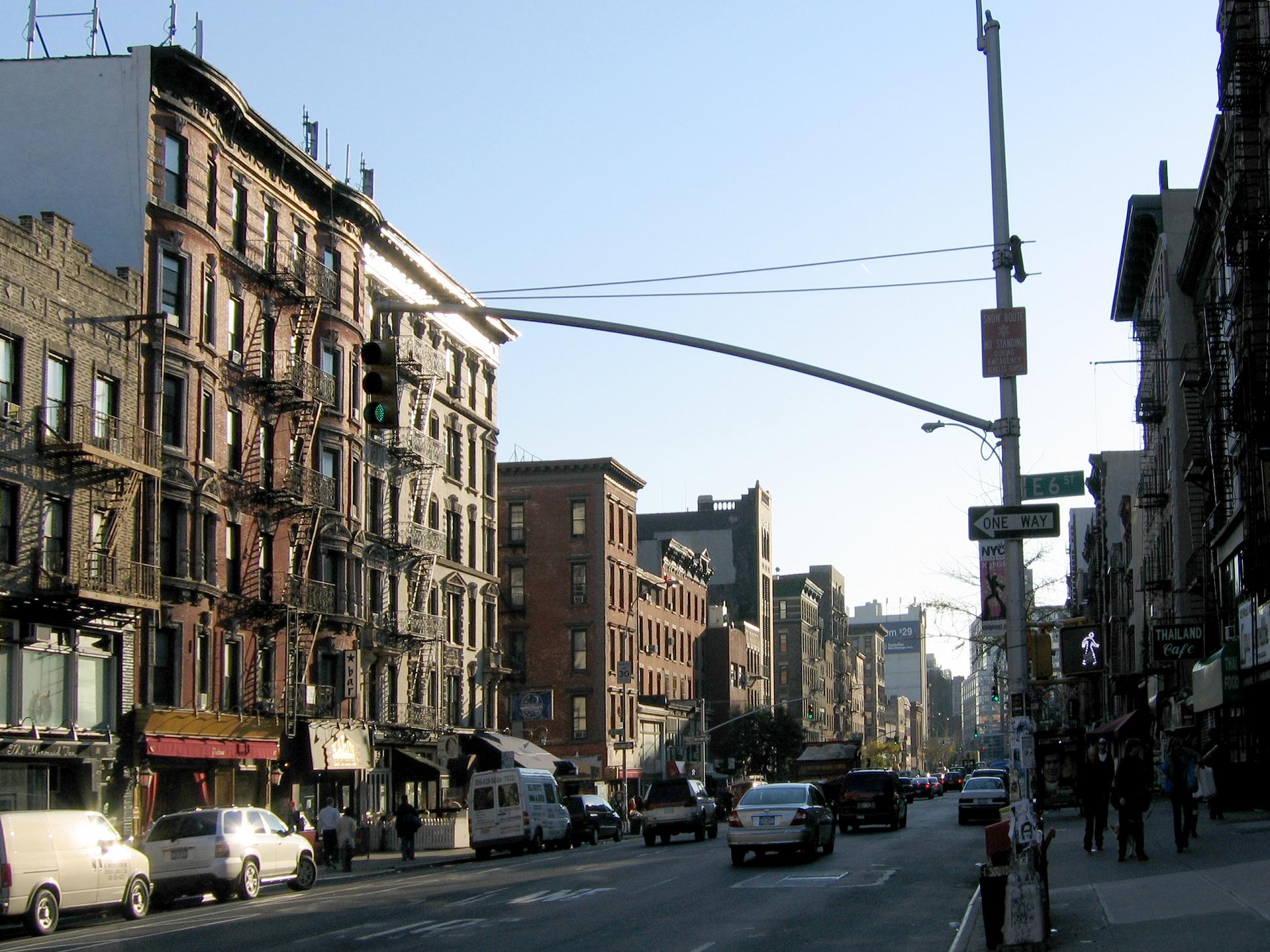
14th Street acts as a major arterial divider in New York City. North of this line, the character of the city transitions toward the more corporate, commercial atmosphere of Union Square and Gramercy Park. The East Village itself begins as you cross into the numbered avenues, where the street grid becomes more intimate and the architecture shifts to classic pre-war walk-ups.
The Western Edge: The Bowery and Third Avenue
The Bowery has long served as a dividing line between the East Village and NoHo. Historically, this was a rough-and-tumble thoroughfare, but today it is lined with upscale lighting shops, high-end galleries, and luxury condominiums. As you move east from Third Avenue, you enter the dense residential core of the neighborhood, characterized by its labyrinthine side streets.
The Southern and Eastern Limits
Houston Street marks the definitive transition from the East Village to the Lower East Side. While these two neighborhoods are often grouped together in popular culture, the East Village has a slightly higher concentration of academic, bohemian, and nightlife-oriented venues. Finally, the East River provides a natural boundary to the east, anchored by the expansive East River Park, which offers residents a rare, sprawling green space in an otherwise concrete-dense environment.
The Cultural Landscape: Why Location Matters
The importance of the East Village is not just in its coordinates, but in its soul. It is a neighborhood where history is layered. Walking through the streets, one might pass a building that once housed a legendary punk club like CBGB (though long closed, its spirit remains) and, a block later, encounter the serene, historic St. Marks Place.
The Bohemian Roots
Historically, the area served as a haven for artists, poets, and musicians who were priced out of Greenwich Village in the mid-20th century. Figures like Allen Ginsberg and Andy Warhol were once fixtures in the local coffee houses and bars. This intellectual and rebellious legacy is still evident in the neighborhood’s thriving theater scene, independent bookstores, and eclectic street art.

Modern Transformation
While the East Village has certainly undergone significant gentrification, it manages to retain a distinct grit that keeps it feeling authentic. Neighborhood institutions like Katzs Delicatessen—technically on the border—and the numerous hidden speakeasies tucked away on Avenue A and Avenue B keep the area’s nightlife pulse beating strong. The neighborhood has evolved from a counter-culture hub into a culinary and nightlife destination that draws crowds from across Brooklyn and beyond.
Navigating the Neighborhood: Tips for Visitors
Because of its unique layout, the best way to experience the East Village is entirely on foot. Unlike Midtown Manhattan, which is dominated by wide avenues and massive skyscrapers, the East Village is defined by its human scale.
Iconic Landmarks to Explore
Visitors should prioritize a walk through Tompkins Square Park, the central green lung of the community. This park has been the site of numerous historical protests and cultural gatherings, and it remains a fantastic place for people-watching. Nearby, the Merchant’s House Museum provides a rare look at New York City life in the 19th century, standing in stark contrast to the modern, neon-lit storefronts that dominate St. Marks Place.
Culinary and Nightlife Hubs
For food enthusiasts, the East Village is unmatched in its density of unique eateries. The stretch along Second Avenue and First Avenue offers a global menu, from authentic Ukrainian diners—a nod to the neighborhood’s historic immigrant population—to cutting-edge fusion concepts that define the modern dining scene in the United States.
The Evolution of the East Village Identity
As New York City continues to change, the East Village remains a focal point of urban discussion. It represents the delicate balance between preserving historical charm and welcoming modern development.
Preservation vs. Progress
The neighborhood’s architectural heritage is largely composed of Tenement buildings, which have been renovated into some of the most desirable residential units in the city. While newer luxury developments have emerged near the East River, the core streets remain largely protected by zoning laws intended to keep the original character of the neighborhood intact. This ensures that even as the city progresses, the East Village will continue to feel like the East Village, maintaining the character that brought so many people here in the first place.

A Neighborhood for Everyone
Whether you are a history buff interested in the radical political movements of the 1960s, a food lover hunting for the city’s best ramen, or a traveler looking to soak in the genuine atmosphere of Manhattan, the East Village provides an unmatched experience. It is not merely a place to visit, but a place to witness the ongoing evolution of New York City. From the early morning coffee runs at local cafes to the late-night energy spilling out of bars onto Avenue C, the neighborhood offers a snapshot of life that is both timeless and perpetually changing.
When planning your trip to New York City, ensure that the East Village is high on your list of neighborhoods to explore. Its borders are clear on a map, but the experience of being there transcends any lines drawn by city planners. It is a neighborhood of discovery, where every corner turned reveals a piece of the city’s complex, multifaceted story.
LifeOutOfTheBox is a participant in the Amazon Services LLC Associates Program, an affiliate advertising program designed to provide a means for sites to earn advertising fees by advertising and linking to Amazon.com. Amazon, the Amazon logo, AmazonSupply, and the AmazonSupply logo are trademarks of Amazon.com, Inc. or its affiliates. As an Amazon Associate we earn affiliate commissions from qualifying purchases.