
California, the Golden State, a land of diverse landscapes, iconic landmarks, and vibrant cities, is also a state that sits atop a geological marvel – the San Andreas Fault. More than just a scientific curiosity, understanding the location and implications of this massive tectonic boundary is crucial for residents and visitors alike, impacting everything from travel planning to long-term accommodation choices. This article delves into the heart of California’s seismic activity, exploring where the fault line lies, its significance to the state’s geography and culture, and how it influences the travel and lifestyle experiences offered within its borders.
The Anatomy of a Geological Giant: Understanding the San Andreas Fault
The San Andreas Fault isn’t a single, monolithic crack in the Earth’s crust. Instead, it’s a complex system of interconnected faults that stretches for over 800 miles across California. This geological boundary marks the meeting point of two of the Earth’s major tectonic plates: the Pacific Plate and the North American Plate. The Pacific Plate, on which much of California west of the fault lies, is slowly but surely grinding northwestward past the North American Plate, which forms the rest of the continent. This relentless movement, though often imperceptible to the human eye, is the driving force behind the earthquakes that have shaped California’s dramatic topography and its dynamic history.
Tracing the Fault Line: A Journey Across California
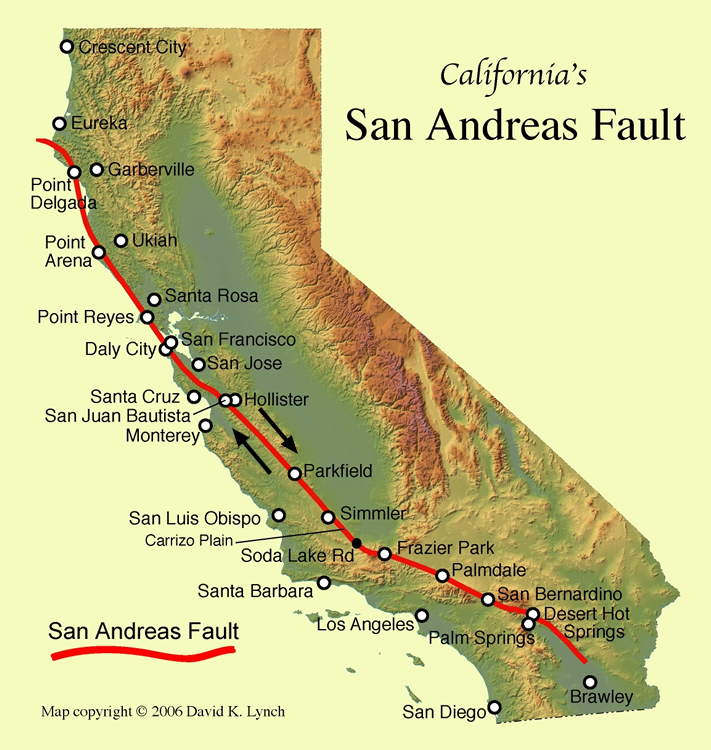
To truly grasp where the fault line in California is, one must follow its serpentine path from the north to the south. The fault system begins offshore in Northern California, near Cape Mendocino, and then makes its way inland.
Northern California’s Embrace
In Northern California, the San Andreas Fault makes its presence felt through a series of valleys and ranges. Areas like the San Francisco Bay Area are directly influenced by this seismic activity. While the primary fault runs east of the city, numerous smaller faults branch off and crisscross the region, making places like San Francisco itself prone to seismic events. Visitors exploring the redwood forests or the dramatic coastline of Northern California are often unaware of the immense geological forces at play beneath their feet. The rugged terrain, dotted with picturesque towns and national parks, is a testament to millennia of tectonic movement.
Central California’s Spine
As the fault system moves southward, it traverses the heart of Central California. Here, the fault forms a prominent feature, often visible in the landscape as linear valleys, offset streams, and scarps. Iconic destinations like Pinnacles National Park showcase the dramatic geological formations created by the fault’s activity, offering hikers and nature enthusiasts a chance to witness firsthand the earth’s sculpting power. Towns situated along this corridor, such as Parkfield, are known for their seismic observatories and frequent, smaller tremors, offering a unique glimpse into the mechanics of earthquakes. This region, with its rolling hills and fertile valleys, is also a prime agricultural area, its bounty a result of the rich soil formed over eons.
Southern California’s Dramatic Interface
The most well-known and heavily populated stretch of the San Andreas Fault lies in Southern California. Here, the fault dramatically slices through the landscape, bordering major metropolitan areas and posing a significant seismic risk. The fault passes east of Los Angeles, a sprawling urban center that is acutely aware of its geological context. The presence of the fault has shaped urban planning, building codes, and emergency preparedness in cities like Los Angeles, San Bernardino, and Palm Springs.
For travelers, the fault line offers a unique lens through which to view the state. Driving through the desert regions of Southern California, one can observe the linear valleys and disturbed terrain that are hallmarks of the fault’s presence. The famous Salton Sea, a large saline lake, occupies a depression created by fault activity. Even for those not actively seeking out geological features, the fault’s influence is palpable in the seismic monitoring systems and the earthquake preparedness messaging that is a common part of life in California.
The Fault Line’s Influence on Travel and Tourism
The San Andreas Fault is not just a scientific phenomenon; it’s an integral part of California’s identity and profoundly influences the travel and tourism landscape. Understanding its location and implications can enrich a visitor’s experience and inform practical travel decisions.
Experiencing the Geological Wonders
While direct interaction with the fault line might be limited due to safety and accessibility, California offers numerous opportunities to witness its effects and learn about its impact.
- Geological Parks and Preserves: Places like Pinnacles National Park are exceptional destinations for understanding fault-line geology. Visitors can explore unique rock formations, talus caves, and volcanic remnants that are direct products of the San Andreas Fault’s activity. Hiking trails wind through a landscape sculpted by tectonic forces, offering breathtaking views and educational insights.
- Scenic Drives: Many scenic drives in California offer glimpses of the fault’s linear features. Driving through the Carrizo Plain National Monument, for example, allows one to see a remarkably well-preserved section of the fault. These drives often pass through diverse landscapes, from agricultural valleys to rugged desert terrain, showcasing the wide-reaching impact of the fault.
- Museums and Visitor Centers: Several museums and visitor centers across California are dedicated to geology and seismology. These institutions provide in-depth information about the San Andreas Fault, earthquake science, and the state’s seismic history. Interactive exhibits and educational programs can offer a deeper understanding of this powerful geological feature. For instance, the visitors’ centers at national parks often have exhibits detailing local geology.
- Earthquake-Related Attractions: While not always explicitly advertised as such, certain attractions are located in areas with significant seismic activity. This awareness can add an element of intrigue for the scientifically curious traveler. Understanding the seismic context of a destination can also encourage responsible tourism, such as familiarizing oneself with local safety guidelines.
Adapting Travel Plans for the Seismically Active State
For travelers to California, being aware of the state’s seismic nature is part of responsible planning. While major earthquakes are infrequent, minor tremors are common.
- Accommodation Choices: When booking hotels, resorts, or apartments, especially in well-known seismic zones, it’s wise to consider their construction and adherence to earthquake safety standards. Major hotel chains and reputable booking platforms often provide information regarding property amenities and safety. For longer stays, understanding local building codes and seismic retrofitting can be a factor in choosing accommodation. While most hotels in tourist-heavy areas like Los Angeles or San Francisco are built to stringent codes, it’s a consideration for any traveler.
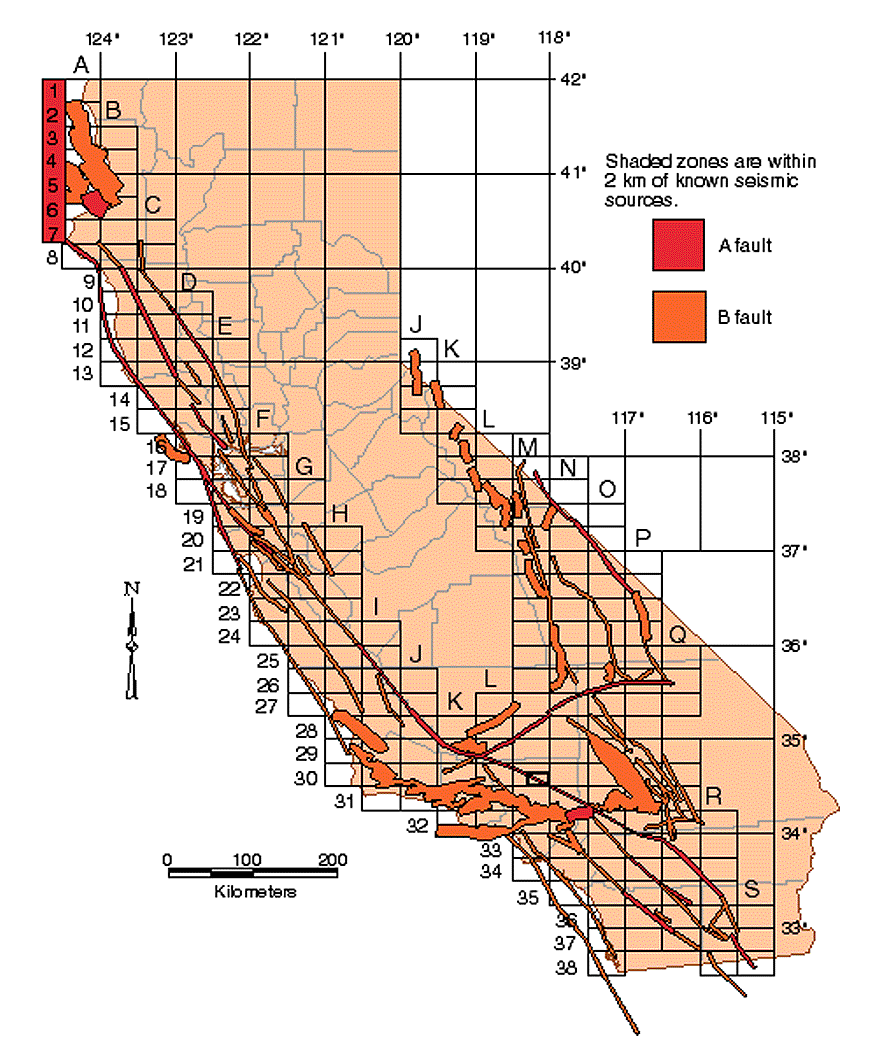
- Destination Selection: While the entire state is seismically active to some degree, some regions are more directly impacted by the San Andreas Fault than others. Understanding the specific fault zones can help travelers make informed choices about where they wish to explore. However, it’s important to note that even areas away from the primary fault line can experience significant shaking due to the propagation of seismic waves.
- Preparedness and Information: Familiarizing oneself with basic earthquake safety procedures is recommended for any visitor to California. This includes knowing how to “drop, cover, and hold on” during an earthquake and understanding what to do in the event of an aftershock. Many travel guides and local tourism websites offer tips and resources on earthquake preparedness.
Lifestyle and Long-Term Stays: Living with the Fault
The San Andreas Fault’s influence extends beyond short-term travel, shaping the lifestyle and long-term considerations for those who call California home or choose to reside there for extended periods.
Building a Life in a Seismically Active Zone
Living in California means acknowledging and adapting to the ever-present possibility of earthquakes. This has led to a unique approach to urban development, architecture, and community preparedness.
- Architecture and Engineering: California has some of the most stringent building codes in the world, specifically designed to withstand seismic activity. Modern structures, from high-rise hotels in San Francisco to residential homes in Los Angeles, incorporate advanced engineering techniques and materials to minimize damage during earthquakes. Older buildings may have undergone retrofitting to meet current safety standards. This focus on resilience is a crucial aspect of the lifestyle.
- Emergency Preparedness: For residents, earthquake preparedness is a way of life. This includes having emergency kits, securing furniture, and developing family communication plans. Many communities have robust emergency response systems and conduct regular drills. This proactive approach is a testament to living in harmony with the state’s geological reality.
- Real Estate and Investment: The geological context can influence real estate decisions. While properties in highly desirable areas, even those closer to fault zones, remain valuable, buyers and renters are often aware of seismic risks. Insurance premiums and the perceived safety of different neighborhoods can be factors. Long-term investors in California real estate often factor in seismic resilience as a key consideration.

Embracing the Uniqueness of California Living
Despite the geological challenges, the allure of California—its diverse climates, economic opportunities, and vibrant culture—continues to attract people from all walks of life. The presence of the San Andreas Fault, while a serious consideration, is also a part of the state’s unique character.
- Luxury and Budget Travel: Whether one is seeking a luxury resort experience in Palm Springs or a budget-friendly adventure exploring the coast, California’s offerings are vast. The very existence of the fault has, in some ways, contributed to the dramatic landscapes that attract tourists, from the jagged peaks of the Sierra Nevada (though not directly on the San Andreas) to the coastal cliffs.
- Family Trips and Business Stays: Families planning trips to Disneyland or business professionals attending conferences in San Jose will find that earthquake preparedness is seamlessly integrated into the state’s infrastructure and services. The emphasis on safety ensures that these experiences, whether for leisure or work, are as secure and enjoyable as possible. The infrastructure, from transportation to communication networks, is designed with resilience in mind.
- Local Culture and Food: The rich tapestry of California’s local culture, its innovative culinary scene, and its array of activities are all enjoyed against the backdrop of its dynamic geology. Farmers’ markets overflowing with fresh produce, bustling city streets, and serene natural parks—all are part of the Californian experience. The appreciation for the state’s natural beauty, from its beaches to its deserts, is often intertwined with an understanding of the powerful forces that shaped it.
In conclusion, the question “Where Is The Fault Line In California?” leads us on a fascinating journey across the state’s geography, history, and culture. The San Andreas Fault is more than just a line on a map; it’s a dynamic geological force that shapes the land, influences human endeavors, and adds a unique dimension to the California experience for travelers and residents alike. Understanding its presence allows for a deeper appreciation of the Golden State’s remarkable resilience and enduring allure.
LifeOutOfTheBox is a participant in the Amazon Services LLC Associates Program, an affiliate advertising program designed to provide a means for sites to earn advertising fees by advertising and linking to Amazon.com. Amazon, the Amazon logo, AmazonSupply, and the AmazonSupply logo are trademarks of Amazon.com, Inc. or its affiliates. As an Amazon Associate we earn affiliate commissions from qualifying purchases.