
The Financial District, often abbreviated as FiDi, serves as the historic and economic heart of New York City. Situated at the southern tip of Manhattan, this neighborhood is defined by its dense concentration of skyscrapers, narrow cobblestone streets, and a profound sense of historical weight. While it is internationally recognized as the seat of global finance, it is also a compelling destination for those interested in the foundational story of the United States. Understanding its geography and character is essential for any visitor navigating this vertical maze.
Defining the Borders of FiDi
Geographically, the Financial District is bounded by Chambers Street to the north, the East River to the east, the Hudson River to the west, and Battery Park to the south. This area represents the oldest part of New York City, where the early Dutch settlement of New Amsterdam first took root in the 17th century.

The Northern Frontier
The northern boundary near Chambers Street serves as the transition point between the densely packed office towers of the financial core and the administrative buildings of Civic Center. This area is home to City Hall, marking the intersection of the city’s political governance and its commercial power. Visitors walking south from this point will notice an immediate shift in architecture, moving from the wider avenues of mid-town Manhattan to the intricate, irregular street patterns that reflect the colonial origins of the island.
The Waterfront Boundaries
The edges of the neighborhood are defined by the water. To the west, West Street runs along the Hudson River, providing access to Brookfield Place and the World Financial Center. To the east, the East River views are framed by the South Street Seaport, a historic district that preserves the mercantile roots of the city. These waterfronts are not just boundaries; they are integral parts of the neighborhood’s identity, offering views of the Statue of Liberty and the Brooklyn Bridge.
Landmarks of Global Finance and History
The Financial District is perhaps best known for its iconic landmarks that have shaped global economic policy and American history. A walk through the district is a walk through time, where 18th-century churches stand in the shadows of 21st-century architectural marvels.
Wall Street and Its Legacy
No exploration of this neighborhood is complete without walking down Wall Street. It is the namesake of the district and home to the New York Stock Exchange, the world’s largest stock exchange by market capitalization. Nearby, Federal Hall stands as a monument to the birth of the republic; it was here that George Washington took the oath of office as the first President of the United States.
The World Trade Center Campus
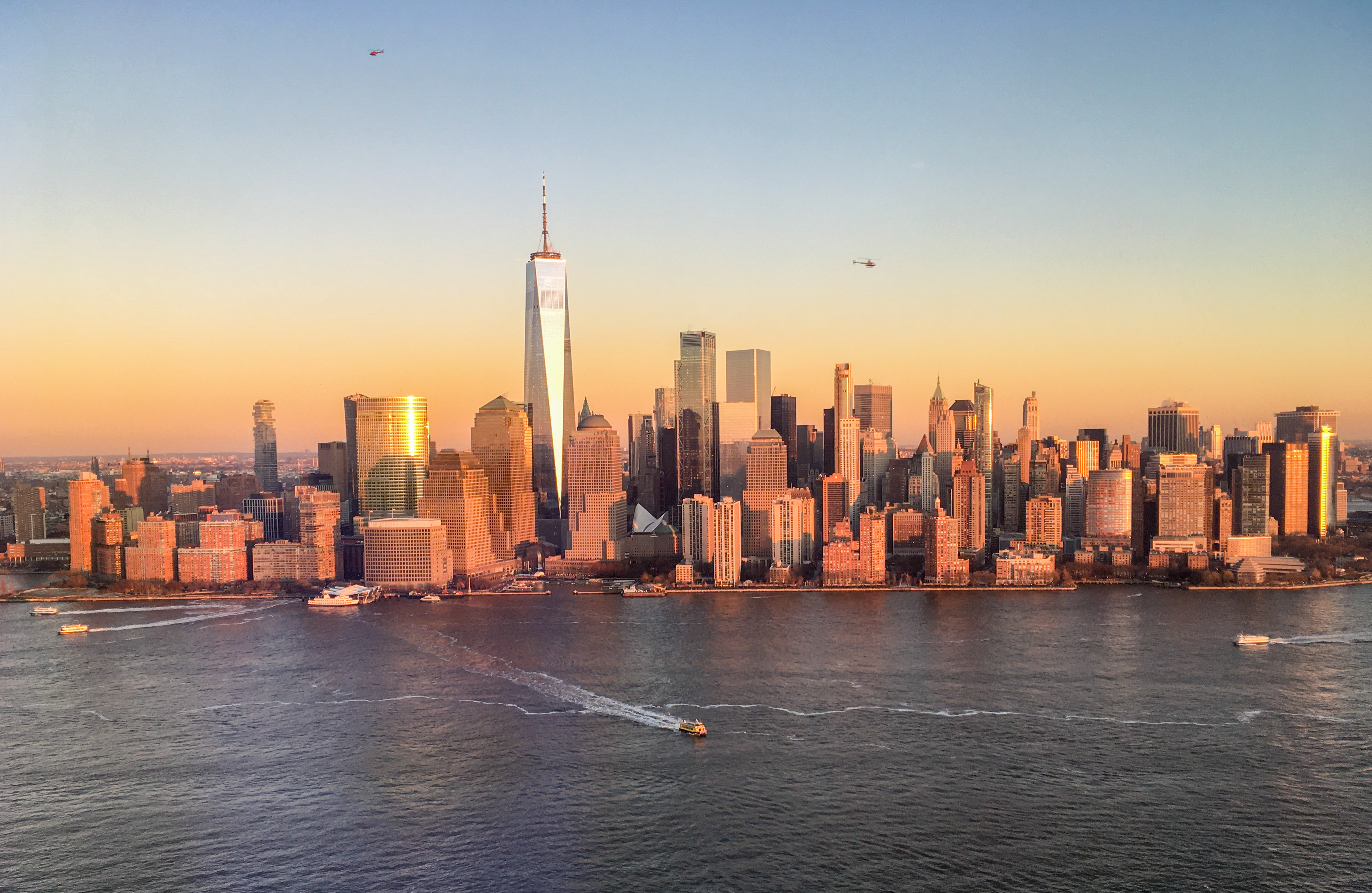
Located on the northwestern edge of the district, the World Trade Center complex is the emotional and architectural centerpiece of the modern area. The National September 11 Memorial & Museum serves as a solemn tribute to those lost in the 2001 terrorist attacks. Rising above it is One World Trade Center, which currently holds the title of the tallest building in the Western Hemisphere. This site signifies the resilience of New York City and its ability to adapt and rebuild in the face of tragedy.
Navigating the Labyrinthine Streets
The Financial District is unique within the context of the greater New York City grid system. While the rest of Manhattan follows the predictable Commissioners’ Plan of 1811, the streets in FiDi predate this systematic design.
The Colonial Street Pattern
Visitors will find that streets like Stone Street and Pearl Street follow curved or haphazard paths that trace original colonial footpaths. These narrow thoroughfares create a canyon-like atmosphere, as the height of the skyscrapers blocks out much of the sunlight, resulting in the famous “urban canyons” that characterize the area. Stone Street is now a popular pedestrian-only zone filled with outdoor dining, offering a respite from the intensity of the surrounding office buildings.
Accessibility and Transit
Getting to the Financial District is remarkably easy due to its status as a major transit hub. Multiple New York City Subway lines converge at the Fulton Street Station, which serves as a nexus for commuters coming from Brooklyn, Queens, and the Bronx. Additionally, the Staten Island Ferry, which departs from Whitehall Terminal at the southern tip of the island, provides a scenic and free commute across the New York Harbor.
Cultural Evolution: From Nine-to-Five to Vibrant Neighborhood
For decades, the Financial District was essentially a “nine-to-five” neighborhood. When the markets closed, the streets emptied. However, the last two decades have seen a significant transformation. Many of the aging office buildings have been converted into luxury residential condominiums and high-end hotels.
Dining and Leisure
The influx of full-time residents has brought a wave of new amenities to the area. Beyond the quick-service lunch spots catering to bankers, the neighborhood now boasts sophisticated restaurants, bars, and boutique retailers. The Oculus, designed by architect Santiago Calatrava, serves as both a transit hub and a high-end shopping destination, symbolizing the district’s shift toward a more lifestyle-oriented environment.

The Role of Green Spaces
Despite its dense architecture, the Financial District offers access to significant green spaces. Battery Park provides an expansive waterfront park that offers spectacular views and a place for recreation. Nearby, Zuccotti Park has gained international fame for its role as a site for public assembly and protest. These spaces act as the lungs of the neighborhood, providing essential outdoor relief for residents and workers alike.
Whether one is visiting to experience the history at Fraunces Tavern or to marvel at the sheer scale of the Woolworth Building, the Financial District remains a vital, evolving, and essential corner of New York City. It is a place where the foundational myths of American capitalism meet the modern realities of a thriving urban ecosystem.
LifeOutOfTheBox is a participant in the Amazon Services LLC Associates Program, an affiliate advertising program designed to provide a means for sites to earn advertising fees by advertising and linking to Amazon.com. Amazon, the Amazon logo, AmazonSupply, and the AmazonSupply logo are trademarks of Amazon.com, Inc. or its affiliates. As an Amazon Associate we earn affiliate commissions from qualifying purchases.